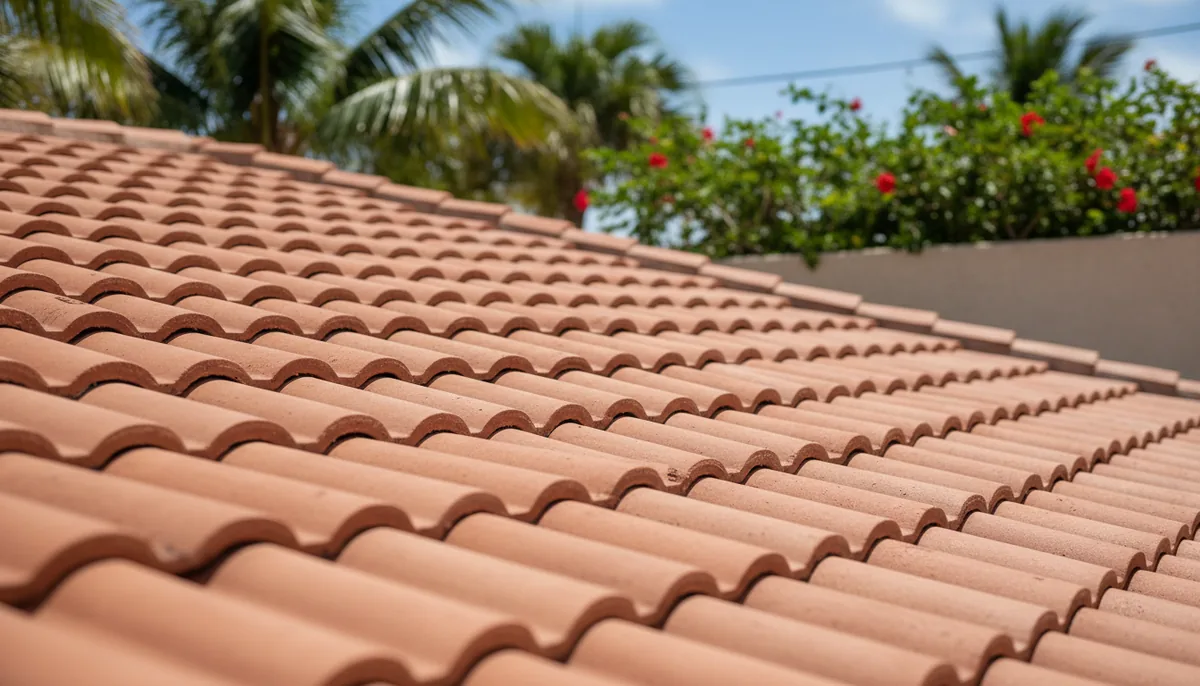
Average cost of tile roof replacement in Florida
By Shelly Marchetti, Florida homeowner advocate. Reviewed by Hal Winstead, Editor, licensed roofing contractor. I was standing in a Fort Myers driveway in July, sweat running down my back, watching a homeowner argue with a salesman about "architectural-grade tile" that didn't exist. The roofer had quoted her a price for replacing her barrel tile with a product he kept calling "lighter than concrete" but couldn't name. She had the quote in her hand. She was about to sign it. I asked to see the permit number on the paperwork. He didn't have one. And that's how we spent the next two hours untangling a mess that started with a single question: what does this actually cost?
Look, I get it. You want a straight answer on the average cost of tile roof replacement in Florida. I can't give you one number, because anyone who does is either guessing or feeding you a line. What I can give you is the mechanism behind the price, the things that make it go up and down, and the red flags I've seen ruin people. If you're shopping around, you’re better off pulling a few quotes from professionals listed on the tile roofing companies in Florida directory and comparing them line by line than chasing a mythical statewide average.
But before you even think about price, let's talk about what you're actually buying. A tile roof replacement isn't like swapping out a water heater. It's a structural system, and the cost depends what is under there, what kind of tile you have, how steep your roof is, and how much access your roof actually has. I've seen a simple hip roof quote at one number and the exact same square footage on a two-story with a 12/12 pitch quote at nearly double. That's not a ripoff, call it a different job.
Why I hate the phrase "average cost" when it comes to tile
Every time someone calls me and starts with "what's the average cost of tile roof replacement in Florida," I sigh a little inside. Not because it's a dumb question, it's not. But because the answer is so dependent on variables that a single number is almost meaningless. Tile is priced per square, which is a 10-foot by 10-foot area, or 100 square feet. A roof that's 2,000 square feet under the drip line might be 30 squares of tile. A roof with alot of valleys and hips might waste a ton of tile on cuts.
The type of tile matters more than most people think. Concrete tile is heavy and comparatively cheaper. Clay tile costs more, sometimes a lot more, and the labor is trickier because you can't walk on it the same way. Then there's the underlayment, the decking, the flashing, the ridge cap, and the fasteners. I of opened up roofs that looked fine from the street and found rotted decking that added thousands to the job. I have also seen roofs where the old tile was in great shape and could be reused, which saves a bundle on materials but still costs you on labor to lift and reset every piece.
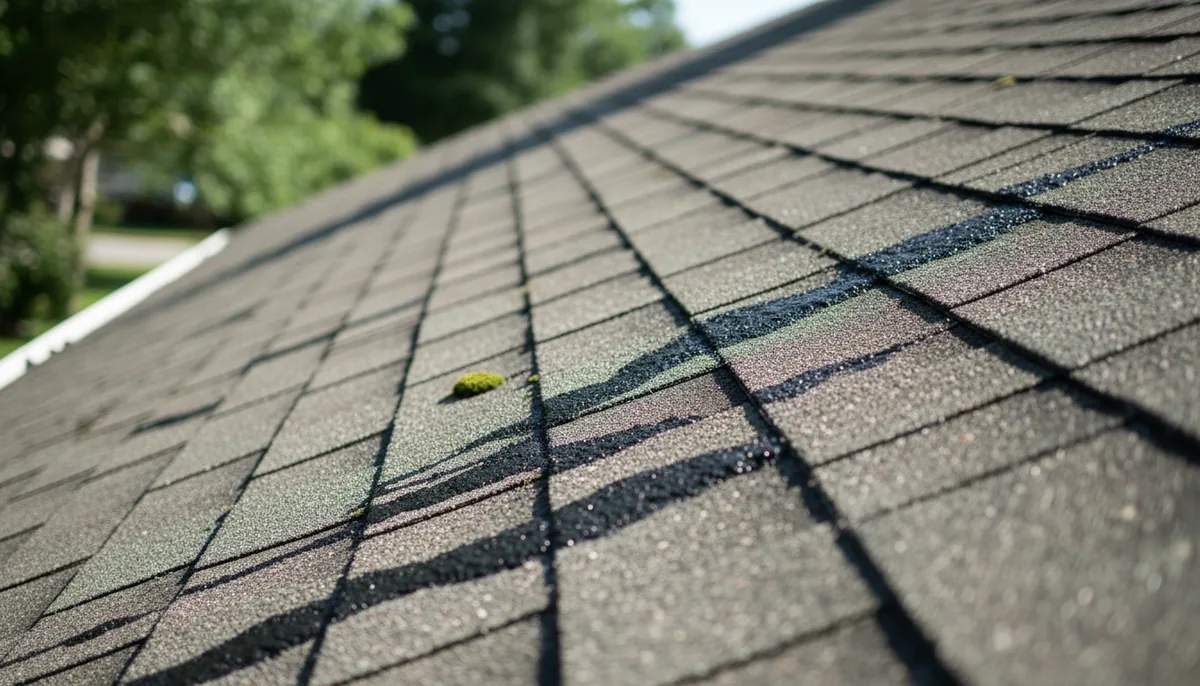
And look, prices have moved around a lot since the 2022 legislative session. Building code upgrades after SB 4-D (2022) changed what the roof deck has to look like, especially in the high-velocity hurricane zone. That means more fasteners, maybe a secondary water barrier, and definately more labor. You aren't just paying for tile. You're paying for a system engineered to not peel off in a Category 5. That costs money.
The difference between permit pricing and insurance pricing
Here's where I see homeowners get into trouble. They get a denial letter from their insurance company, and they think the denial is about the roof's age. Sometimes it is. But sometimes it's about the roof's installation, and if there was no permit pulled, or the permit was closed without an inspection, you have a problem.
A roof replacement in Florida requires a permit from your local building department. Full stop. And an inspection. A contractor who tells you "you don't need a permit for this" or "we can skip the final inspection to save you money" is telling you they don't want anyone looking at their work. I've had a homeowner call me in tears because their new roof leaked, and when I asked for the permit paperwork, they said the contractor "handled it." The contractor had taken the permit money, never pulled a permit, and disappeared. The homeowner had no recourse with the license board because they didn't have a valid contract with a licensed contractor.
Now, I'm not a lawyer, and I'm not a licensed adjuster, so I won't tell you what your specific policy covers. You need to read your declarations page. But I can tell you what the law generally does around insurance and roofs in this state. Florida Statute 627.70132 has rules about when an insurer can require a roof replacement, and it puts limits on what they can demand based on the roof's age. Some insurers have been requiring full replacements when a repair might suffice, and the statute addresses that. But every policy is different, and the only way to know your coverage is to read the actual documents, not the summary.
What I would actually do: Before you sign any contract, ask the contractor for the permit number they will pull. Then call your local building department and ask when the inspection will happen. If the contractor hesitates or says a permit isn't needed, thank them for their time and call the next name on the list.
A digression about the weather, because of course
This is Florida. It is hot. And humid. And the mosquitoes in the summer are not a joke. I once did a roof inspection in Sarasota where the homeowner followed me around the yard holding an umbrella over my head, which was nice, except he was stepping on all the tile offcuts the roofer had left in the grass. I have been wrong about this before, but I don't think those offcuts stayed out of his lawn mower. Anyway, this is the part where I tell you to get bids during the dry season if you can, because a roofer can't do a proper job when it's pouring rain every afternoon, and the schedule slips, and the job runs into hurricane season, and then you're stuck. Wheather alone shouldn't drive your decision, but it should drive your timing.
What a Florida contractor's licence actually tells you
There's a big difference between a certified and a registered roofing contractor in Florida, and it matters for your pocketbook. A certified contractor has a license that begins with CCC, and they can work anywhere in the state. A registered contractor has a license that begins with RC, and they can only work in the local jurisdiction that licensed them. If a registered contractor from Dade County is bidding on your job in Duval County, that's a problem.
Always verify the number is active before hiring anything. The Department of Business and Professional Regulation, the DBPR, has a public roll. You can search it online. You don't have to take my word for it, or the contractor's word for it, or some website's word for it. The directory I work with checks these licenses, but you should too. It takes five minutes and it can save you from handing a deposit to someone who isn't allowed to do the work.
But a license isn't a guarantee of quality. I've seen licensed contractors do shoddy work. I've seen unlicensed guys do beautiful work. The license is a floor, not a ceiling. It means they passed a test and they are accountable to a state board. That accountability is worth something. If they mess up, you have a place to file a complaint. With an unlicensed guy, you have nothing but a phone number that may or may not work next month.

The wind mitigation inspection is your friend, not your enemy
You might be focused on the cost of the replacement, but you should also be thinking about what happens after the roof is on. Stands to reason, right? A wind mitigation inspection documents things like how the roof covering is attached, how the roof deck is fastened, how the roof connects to the walls, the geometry of the roof, whether you have secondary water resistance, and what kind of protection you have on your openings. The standard form for this is called the OIR-B1-1802.
Florida insurers are supposed to offer premium discounts for features that qualify. I've seen the annual discount far exceed the cost of the inspection. Sometimes the inspection costs less than a hundred bucks, and the savings on your premium are hundreds a year. It pays for itself in the first year.
But here's the catch: if you're getting a new tile roof anyway, you want the contractor to build it in a way that qualifies for those discounts. That means proper deck attachment, proper nail patterns, the right underlayment. If you can get a roof that's stronger AND cheaper to insure, why wouldn't you? The problem is a lot of contractors don't mention the wind mitigation form because they just want to lay tile and get paid.
What I would actually do: When you're comparing quotes, ask each contractor if their specification will pass a wind mitigation inspection with the highest ratings. Ask them to write the nail pattern and deck attachment details into the contract. If they look at you like you're speaking another language, that tells you something.
Questions I get asked
Is tile cheaper than shingle replacement?
Tile is almost never cheaper than a basic asphalt shingle roof. The materials cost more, the labor is more specialized, and the structure often needs to be stronger to handle the weight. But tile lasts a lot longer, so over thirty years you might replace the shingle roof twice. The life-cycle cost can tilt in favor of tile even if the upfront number is higher.
Why did my roofer quote me for a "full deck replacement" when I only asked for tile?
Because tile is heavy, and if the OSB underneath is old or water-damaged, it may not hold the fasteners. The roofer can't just lay tile over a crumbly deck. It's not a scam, it's a neccessary part of the job. I've seen roofs where the deck looked solid from below but was mush around the penetrations. That's a "depends what is under there" moment.
Is clay tile worth the extra cost over concrete?
Clay tile has a different look and can last a very long time, but it's more brittle and more expensive to install. Concrete tile is heavier but tougher. It's an aesthetic and budget choice. I can't tell you which one you'll like looking at for the next forty years. I can tell you not to let a salesman talk you into one without explaining the weight difference to your structure.
What does "priced per square" mean on my estimate?
A square is 100 square feet of roof surface. The estimate should show how many squares of new tile you're paying for, plus underlayment, flashing, and accessories. If your estimate only shows a lump sum with no square count, ask for a breakdown. You want to know how much of the price is materials and how much is labor so you can compare apples to apples.
My neighbor got a new roof for half what I was quoted. What gives?
Your neighbor might have a simpler roof, a different tile, a contractor who's desperate for work, or they might be about to get a lien filed on their house. You do not know the details of their contract. I have been wrong about this before, but I have never once seen two identical roofs quoted at identical prices. Compare specifications, not totals.
What if I have a flat or low-slope roof? Can I use tile?
Tile on a low slope is a bad idea unless the system is specifically engineered to handle it, and even then it's tricky. You need a lot of slope for water to shed off tile properly. If your roof is nearly flat, you're probably looking at a different system, like a modified bitumen or a standing seam metal roof, which can sometimes look like tile but isn't. That's a conversation for a structural engineer, not a salesman.
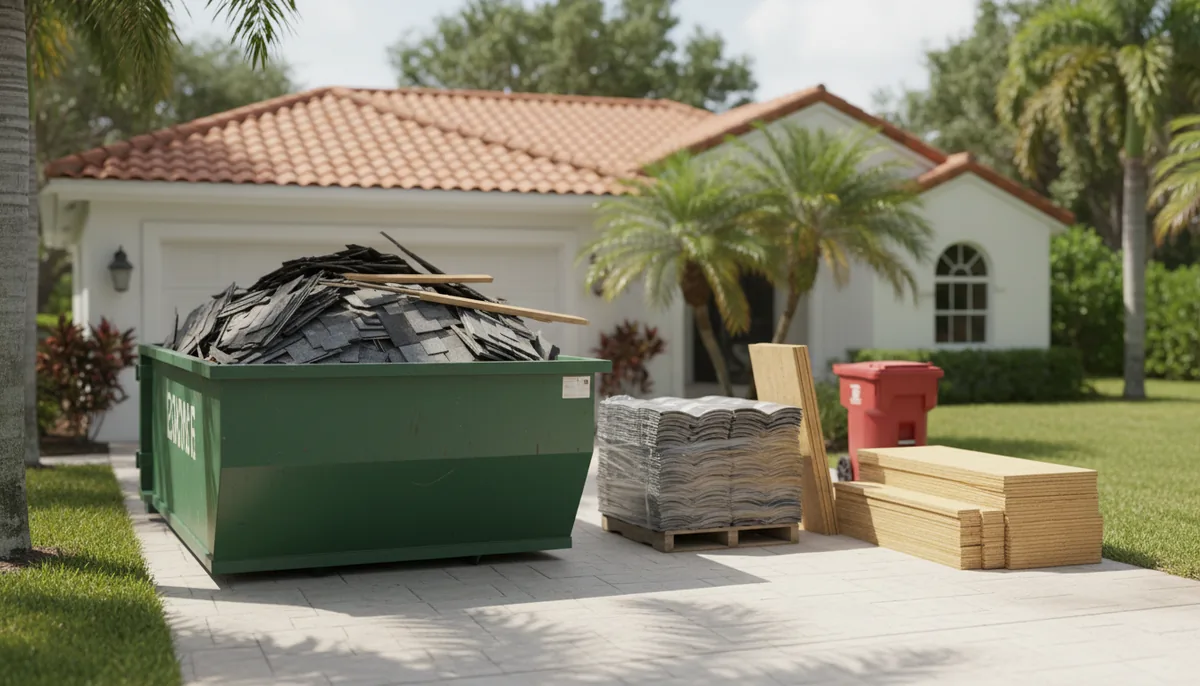
The bottom line is that the average cost of tile roof replacement in Florida is a question with more variables than constants. It depends on the square footage, the pitch, the access, the tile, the deck, the underlayment, the flashing, the permit fees, the dump fees, and the contractor's overhead. Don't let anyone rush you into a number. Get three bids, read the scope of work, and check the license. The roof will be there for decades. You can take a week to decide.