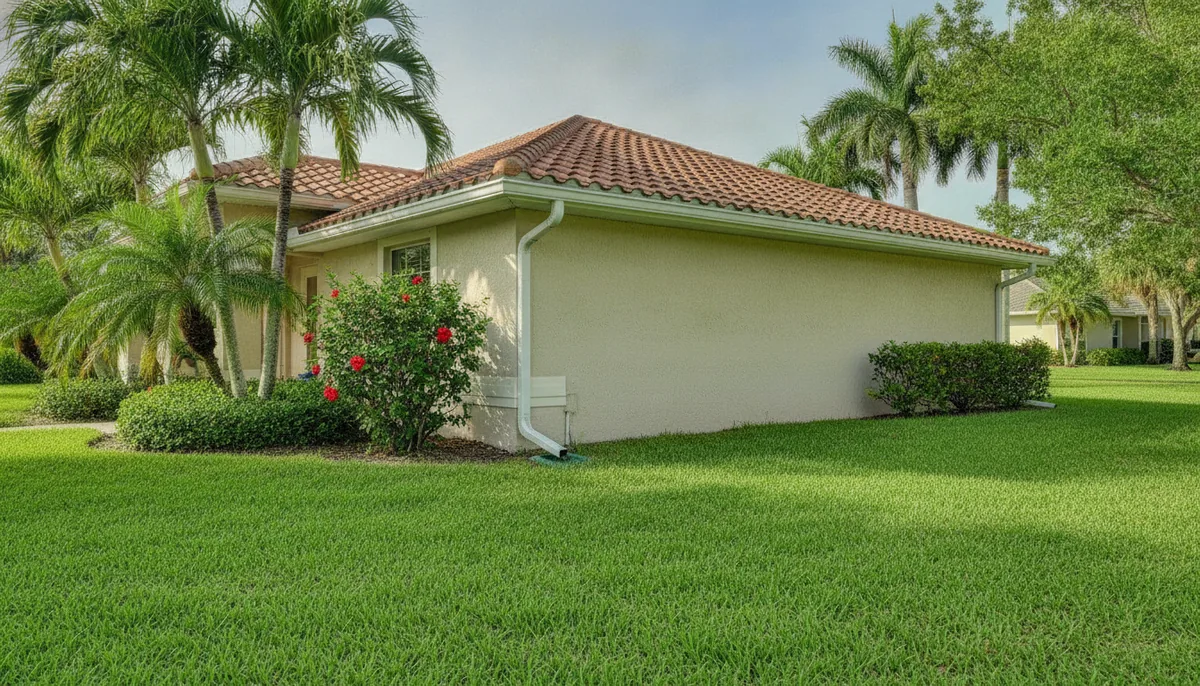
Best roof type for south Florida
By Shelly Marchetti, Florida homeowner advocate. Reviewed by Hal Winstead, Editor, licensed roofing contractor. It was a Tuesday afternoon in Lehigh Acres, and I was standing in a front yard watching a brand new roof leak. Not a little drip—a steady pour through a skylight that the contractor swore he'd flashed "perfect." The homeowner had financed the whole thing on a handshake and a smile, and now her living room smelled like wet insulation and regret. I've been on that kind of roof call a hundred times.
Let me tell you what I've learned, the way I'd tell a neighbor over coffee. The search for theroofing companies in Florida is where most people start, and it's the right instinct. But before you let anyone put a ladder against your house, you need to know what you're actually asking for.
I'm not a contractor, and I'm not a licensed adjuster. I'm the person who reads the fine print with you so you don't sign something that buries you. Every roof has a trade-off. Every house has a history. And every storm is a test you don't want to fail.
The best roof is the one that's still there in August
South Florida has exactly two seasons: hurricane season, and the three months where you're just waiting for it. The sun is brutal. The salt air is worse. And the rain doesn't fall so much as it attacks.
So when someone asks me for the "best roof type for south Florida," I of to stop them right there. There's no single material that wins for everyone. What matters is how the roof is installed, wether it meets current wind code for your zip code, and whether the contractor pulled the permit.
That word—permit—makes some people roll their eyes. A roof replacement in Florida requires a permit from the local building department, and an inspection after. A contractor who tells you to skip it is showing you who they are. An unpermitted roof can sink an insurance claim later and make a buyer run the other way. I have been wrong about this before, but I've never once seen a skipped permit end well.
And remember the licensing part. Florida roofing contractors are licensed by the Department of Business and Professional Regulation. A certified contractor's license begins with the prefix CCC and lets them work anywhere in the state. A registered license begins with RC and only covers the local jurisdiction that issued it. I look up the number on the DBPR roll before I even finish my coffee with a client.
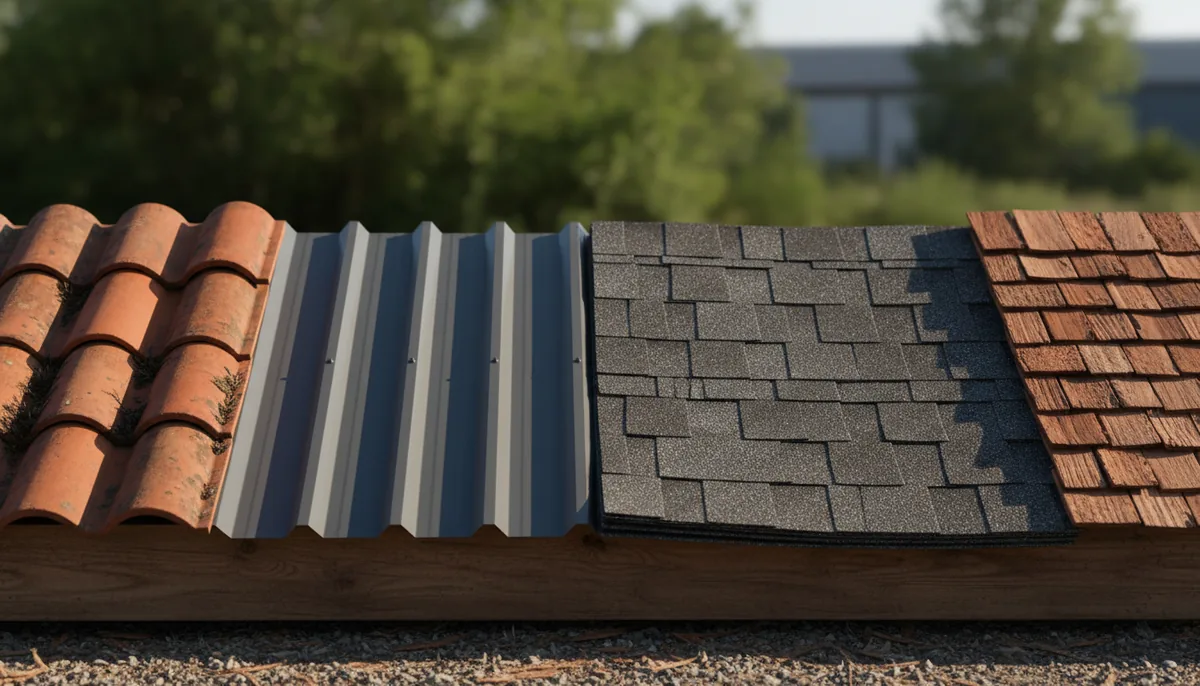
Metal: the roof that keeps waking the neighbors
Standing seam metal is the roof I spec most often for homeowners who plan to stay in the house for twenty years. The panels run in continuous lengths from the ridge to the eave, which means fewer seams for water to find. The fasteners are hidden. It handles wind far better than shingles, and it laughs at the sun's UV rays instead of cooking like asphalt.
But metal is loud in a hard rain. Some people love that sound. Some people call me at 2 a.m. During a tropical storm because they think the house is coming apart. I tell them to put down a little more insulation in the attic and they'll sleep through the next one.
The cost is the thing. Metal is priced per square—that's a roofing term for a 10 by 10 foot area, or 100 square feet. It costs more than asphalt, but it lasts alot longer. And a lot of insurance companies look kindly on it for the wind mitigation credit, which can shave years off your payback math.
What I would actually do: For most South Florida homes, I'd get a quote for standing seam metal before I let anyone talk me into anything else. Get three quotes, not one. You're not just comparing materials; you're comparing crews.
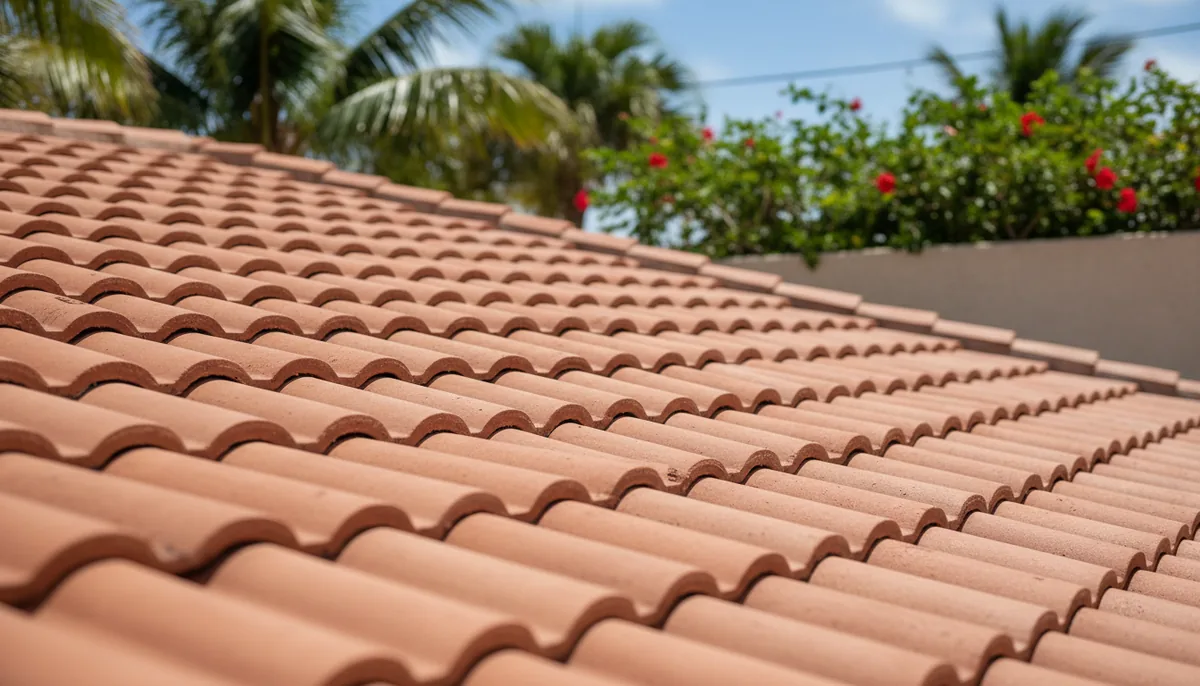
Tile: heavy, handsome, and a pain if you cheap out
Concrete barrel tile is the classic Florida look. Those curved red or terracotta roofs age well, and they do a decent job with wind if they're installed the right way. The problem is that a lot of them are not.
Tile works by shedding water off the overlaps. But the wind in a tropical cyclone can get under a loose tile and lift it like a sail. When a tile flies off your roof, it becomes a projectile aimed at your neighbor's window. That's not the kind of house gift you want to give.
The other issue is weight. A tile roof is heavy, so the house structure has to be able to carry it. Older Florida homes sometimes can't without reinforcement. If you're looking at a tile roof, ask whether the framing has been checked. Trust me—the roof-to-wall connection matters more than the color.
I've seen homeowners try to save money by replacing a few broken tiles after a storm instead of addressing the flashing issues that caused the leaks in the first place. That's like putting a band-aid on a broken ankle. Tile does not last longer because it's tile. It lasts longer because someone paid attention to the details under it.
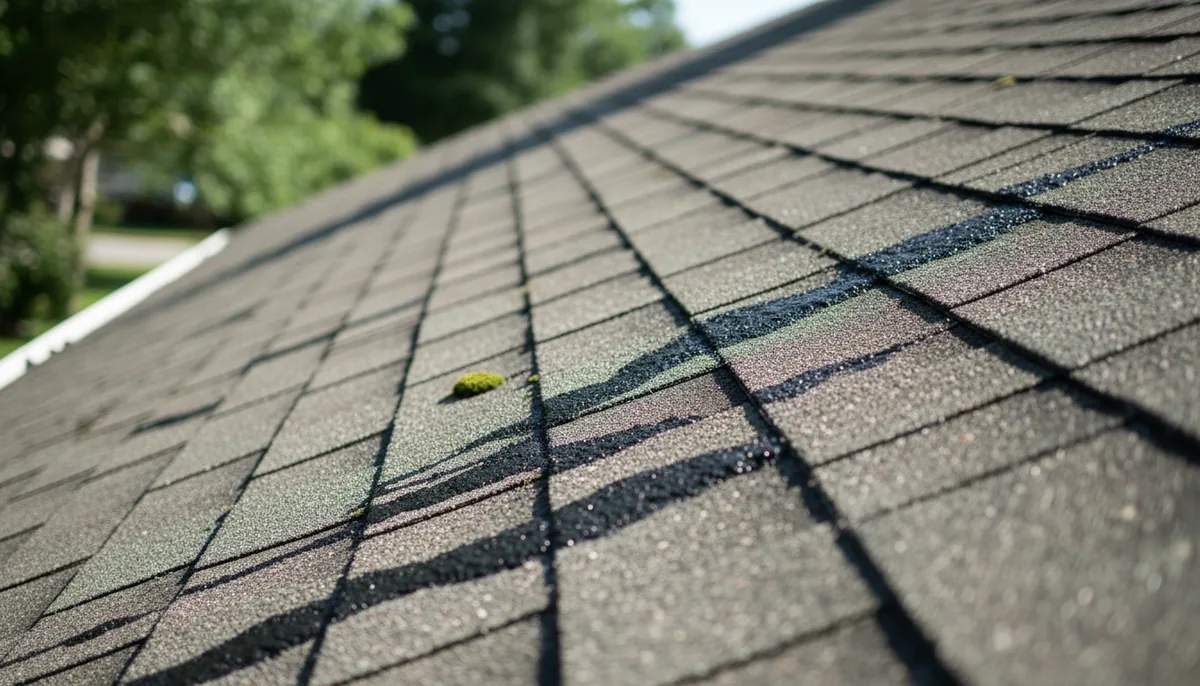
Asphalt shingles: better than they get credit for
There's a habit in this business to sneer at architectural shingles. People call them "the cheap option" and move on. But a properly installed shingle roof with the right nailing pattern can be a perfectly solid choice for a budget-conscious homeowner.
The problem with shingles in south Florida is the lifecycle. The sun is relentless. I've seen roofs installed in the spring start to show granular loss by the next winter. And wind? Shingles have a much lower threshold for getting peeled off, especially at the edges and corners of the roof.
What I do like about shingles is the price point for a homeowner who just needs to get through the next five to eight years before selling. It's honest. It doesn't pretend to be something it isn't.
But here's where I get a little heated. I've seen unlicensed guys put a second layer of shingles over an old one to save money on a tear-off. That's not saving money, that's trapping heat and moisture between two roofs, making the whole thing fail faster. The inspector should catch it, but only if a permit gets pulled. And yes, you need the permit.
What I would actually do: If your budget forces you to asphalt, make sure the contract says "full tear-off and deck inspection." Don't let them shingle over the old roof. If they refuse to put that language in writing, walk away and call someone else.
Roof shape matters more than you think
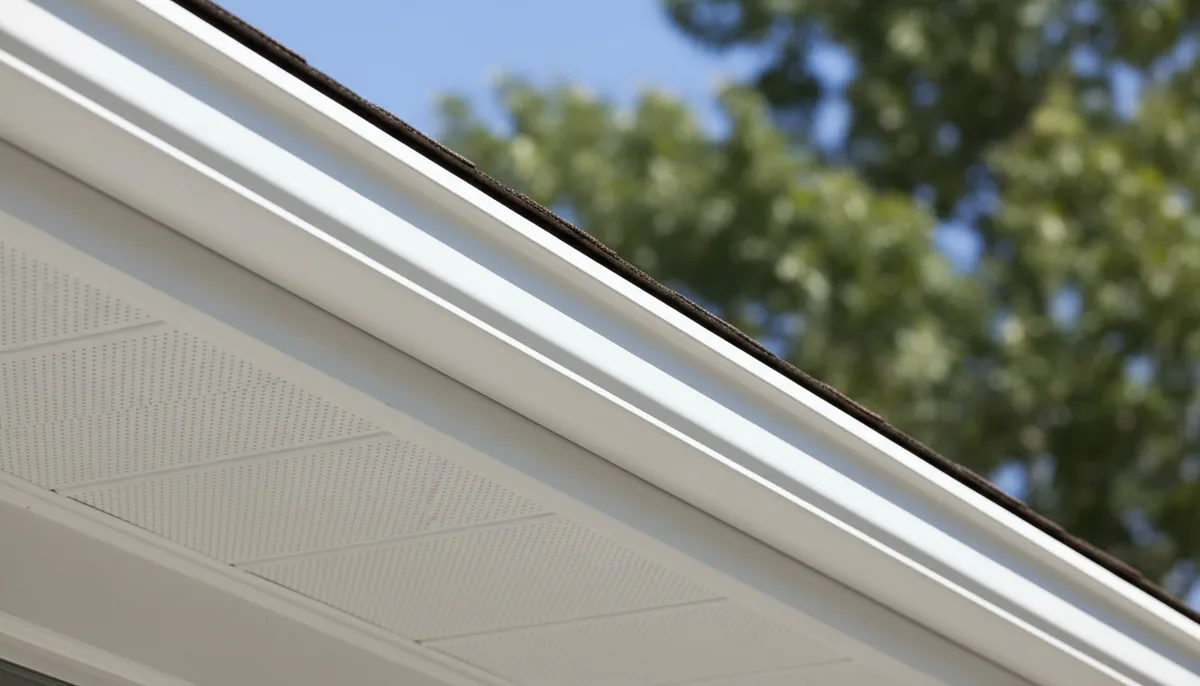
The roof shape in Florida is a conversation about wind, not about looks. A simple hip roof—one where all four sides slope down to the walls—is the best shape for handling hurricane-force winds. Every side is sloped, so the wind doesn't have a flat vertical face to push against.
A gable roof, with those triangular walls on two sides, is the classic American roof shape. It's also the one that takes a beating in a storm. The wind can press against the gable end and, if the roof-to-wall connection is weak, push it inward. I'm not saying never buy a gable roof home. I'm saying the shape is one consideration among several.
There's also the pitch, which is just steepness. Steeper is usually better for shedding water, but it's harder to walk on, which means the contractor charges more. Flat roofs are a whole different animal—common on Florida modern architecture, but they need a special membrane system, not shingles, and they have their own drainage requirements. You have to be carefull with ponding water, where it sits after a storm and eventually finds a way through. Call it a low slope or call it flat, but don't call it low maintainance.
The insurance game you didn't know you were playing
Here's the part most homeowners miss. A wind mitigation inspection documents six things about your roof: the covering, deck attachment, roof-to-wall connection, geometry, secondary water resistance, and opening protection. Florida insurers have to offer premium discounts for features that make your house safer. The standard form is OIR-B1-1802.
This is not a formality. You're leaving money on the table every year if you don't get one. And don't think you can just eyeball it. A certified inspector knows what to look for in the attic—how the trusses connect, whether the roof deck has the right nails, whether there's a secondary water barrier under the shingles.
There was a stretch after the last big hurricane where people got desperate. They'd get a denial letter from their insurer and call me in a panic. Ninety percent of the time, the denial wasn't because their roof wasn't good. It was because the paperwork from the last roof replacement was missing or wrong, so the insurer had no proof the roof met code.
I can't tell you what your specific policy covers—coverage varies by policy, so read your declarations page. But I can tell you that SB 4-D (2022) tightened things up around roof replacement and insurance. And if you have Citizens Property Insurance Corporation, they have their own requirements. The rules are specific. The people who follow them get paid. The people who don't, don't.
What nobody tells you about the paperwork
A roof replacement in Florida needs a permit. That means plans, site inspection, and an inspector showing up to walk the roof. There's also a secondary water resistance requirement in high-risk areas that can be applied as a layer under the roof covering. It's not optional, and it's not part of a standard "cheap" quote.
Do not sign a contract that says "materials and labor" with no detail. I read contracts for a living, and I'll tell you, the thickness of the paper doesn't matter. Notice of commencement, the contractor's license number, the manufacturer's warranty terms, the payment schedule—these are the things that matter.
The My Safe Florida Home program offers free or discounted wind mitigation inspections to homeowners who meet their criteria. I can't speak to the current funding availability, but I can tell you it's worth checking. And I always tell people: get the insurance discount first, then worry about the color of the shingles.
I had a homeowner once who told me she didn't need a permit because "the roof's in the back." What does that even mean? The roof is not optional, and the permit is not about where the roof is. I had to sit with that one for a minute. But she learned—everyone learns when the adjuster asks for the permit number on a claim.
Questions I get asked
Is metal really the best roof type for south Florida?
For wind and longevity, it's the best most homeowners will find. But I'd never call it the absolute best for everyone. Your budget, your house's structure, and your plans to stay or sell all matter. Metal costs more up front, but it doesn't care about UV rays the way asphalt does.
Can I save money by tarping my roof until after hurricane season?
A tarp is a temporary measure, not a plan. If you have a leak, the interior damage only gets worse while you wait. And many insurance policies have a duty to mitigate damages—you have to make reasonable efforts to prevent further loss. A tarp is reasonable. Waiting six months is not.
How do I check if a roofer is actually licensed?
Go to the DBPR website and search the license roll. A certified contractor license starts with the prefix CCC and covers the whole state. A registered license starts with RC and is only valid in the local jurisdiction where it was issued. If the number doesn't match the name, or the license is listed as inactive, you're done with that guy.
My adjuster denied my claim. Is there any point in appealing?
A denial letter is not always the final answer. Sometimes the claim is denied because the damage was pre-existing or excluded by your exact policy language. But sometimes it's denied because the paperwork isn't in order. Read the letter carefully. If the reason is missing documentation, gather it and resubmit. You have nothing to lose except another letter.
What's a wind mitigation inspection, and why did my agent never mention it?
It's a documented inspection of six features that make your home better in a hurricane—roof covering, deck attachment, roof-to-wall connection, roof geometry, secondary water resistance, and opening protection. A standard form is used, OIR-B1-1802. Florida insurers must offer discounts for qualifying features, so the inspection usually pays for itself in the first year of lower premiums.
Do I really need to get a permit for a roof replacement?
Yes. It's the law, and it protects you. A permit means the work gets inspected. The inspection means someone catches the stuff that would fail later. If a contractor suggests skipping it, that tells you how they're going to handle every other detail of your roof.