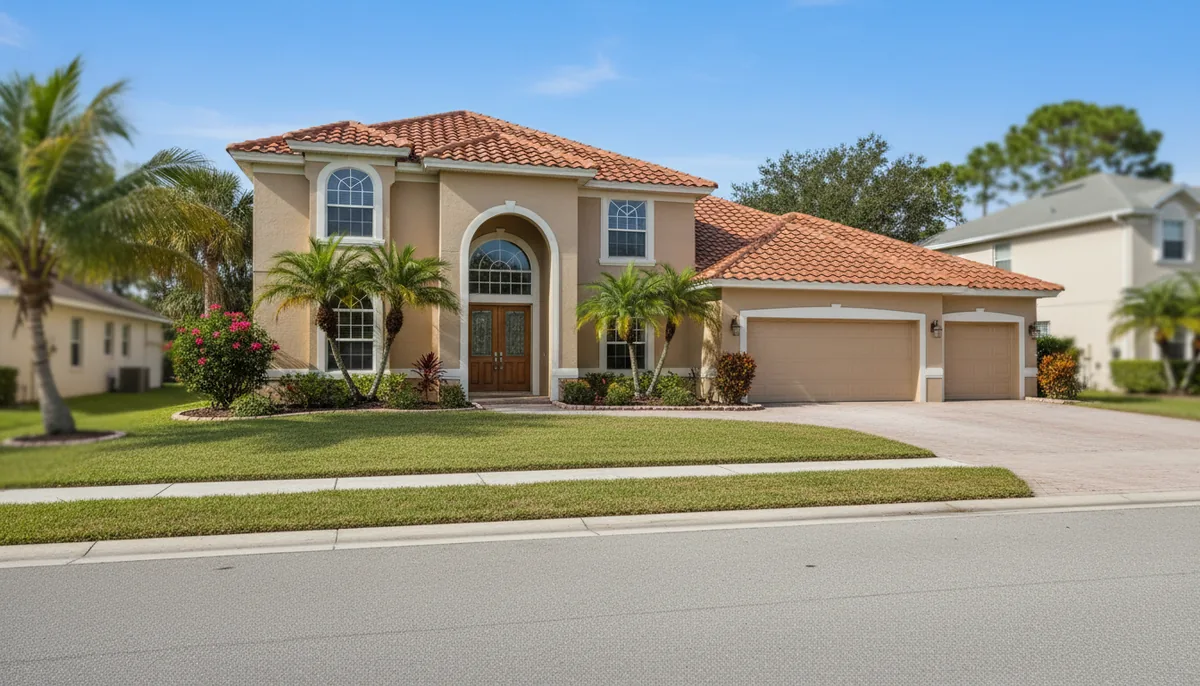
Commercial roofing in Florida: The Florida Guide
By Marcy Doleman, Commercial roofing estimator. Reviewed by Hal Winstead, Editor, licensed roofing contractor. I was on a built-up roof in Ocala one October afternoon, the kind of afternoon where the shade line moves faster than you can measure. The owner had called it a small leak. It was not small. Water had traveled nearly forty feet under the insulation and was eating the metal deck at a seam I only found because I stepped on a soft spot. That hidden rot is exactly why you need more than one quote when you ask commercial roofing companies in Florida for help.
I’m Marcy Doleman. I estimate flat and low-slope commercial roof work across the state — warehouses, retail plazas, schools, the occasional church fellowship hall that was never built to drain right. This is not shingle work. A commercial roof is a building’s largest surface, and in Florida it takes a pounding: UV, sideways rain, tropical wind, and the kind of humidity that makes a small blister turn into a deck problem by the time someone gets around to calling.
A lot of my job is reading what is under the surface. Roofs lie. They look fine from the parking lot and then hand you a nasty surprise when the crew starts pulling the old membrane. That’s why the best “commercial roofing in Florida” advice I can give is not about material first. It is about who is standing on the roof, wether they are allowed to be there, and what they plan to do with the water once it hits the deck.
What commercial roofing in Florida actually involves
By the time I bid a job, someone has usually called it a reroof, a repair, or a coating. Naming the system is the easy part. The harder part is figuring out why the old roof failed. Is the deck wet? Is the taper wrong? Did the original contractor fasten the cover board through the vapor barrier? Did the last repair crew use the wrong fasteners because they ran out of the right ones?
In Florida, you also need a plan for rain during the work. A warehouse with a low-slope roof can lose it's whole cover in a day, and then an afternoon thunderstorm rolls through and everything inside that building gets wet. I build temporary protection into my estimates. I of been wrong about this before, but I would rather be called overpriced than watch someone’s inventory get rained on.
First, check the license prefix before anything else
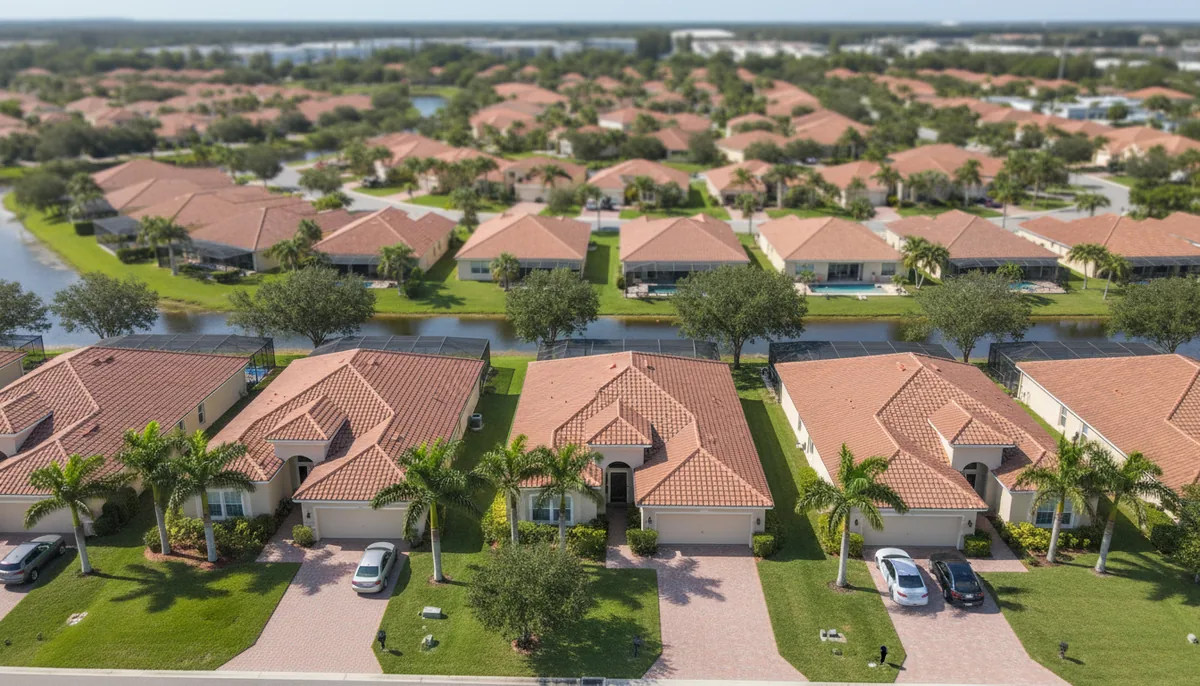
I do not care how good a sales pitch sounds. Before I send out a bid, I check the contractor’s license number on the state roll. The DBPR licence prefixes CCC and RC mean two different things. A CCC number is certified, which means the contractor can work anywhere in Florida. An RC number is registered, which means the contractor can only work in the local jurisdiction that issued it.
That matters on commercial work because a business owner in one county might get an attractive bid from a registered contractor who cannot legally put a crew in the next county. People assume a license is a license. It’s not. Also verify the license is active. A listing that has lapsed is a reason to keep looking, no matter what the estimator tells you about their experiance.
What I would actually do: Ask for the license number, look it up on the DBPR roll, and write the prefix and number in your file before you sign. I do this for every project, even ones where I already know the contractor.
The “25% rule” is not what it used to be
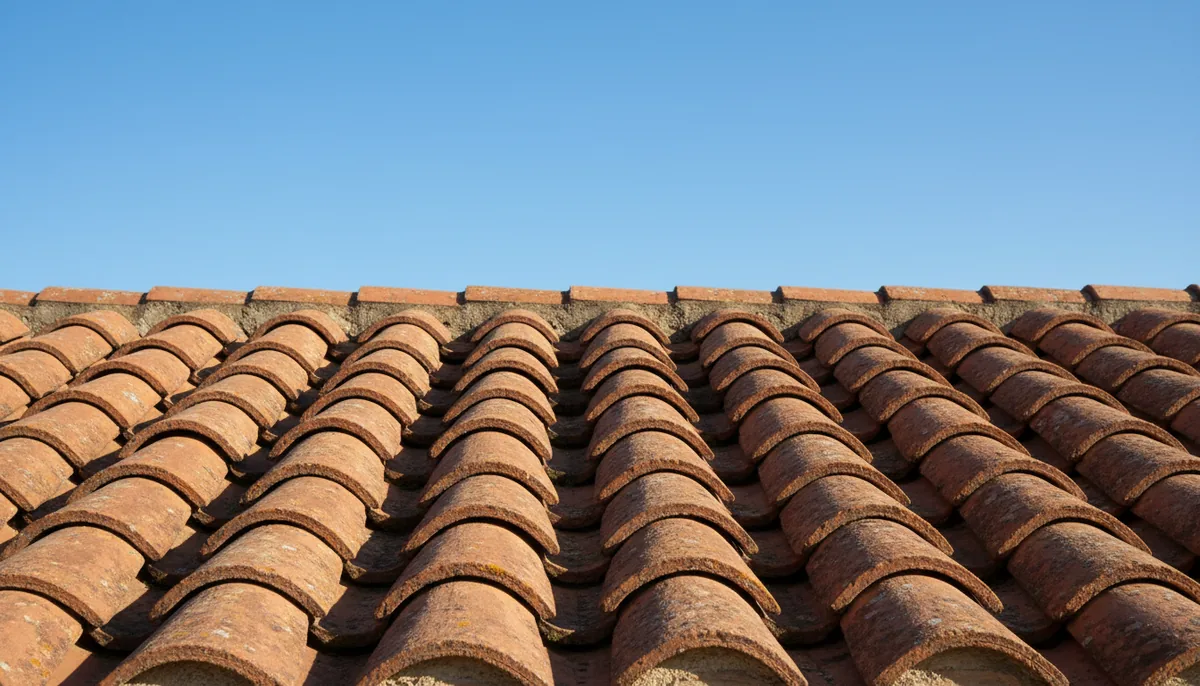
You have probably heard somebody in the building say that Florida has a “25% rule” for roofs. In older code language, if you repaired or replaced more than 25% of a roof in any 12-month period, you had to bring the whole roof up to current code. That rule still exists in some form for older buildings, but it changed for many roofs with SB 4-D (2022).
Here is how I explain it to owners: if the roof was built, repaired, or replaced under the 2007 edition of the state code or anything newer, then only the portion being worked on has to meet current code. A full replacement is not automatically triggered just because you touch more than a quarter of the roof. But if the roof was completed before the 2007 edition took effect on 1 March 2009, the older rule can still bite. That date is a big deal in my cost estimates.
What that means on the ground: I still want to see the roof before I trust the date. A building permit from 2010 tells me one thing. The actual membrane might be original from 2004. Roofs are not honest about their age, and neither are old paperwork files.
Permits are part of the bid, not optional
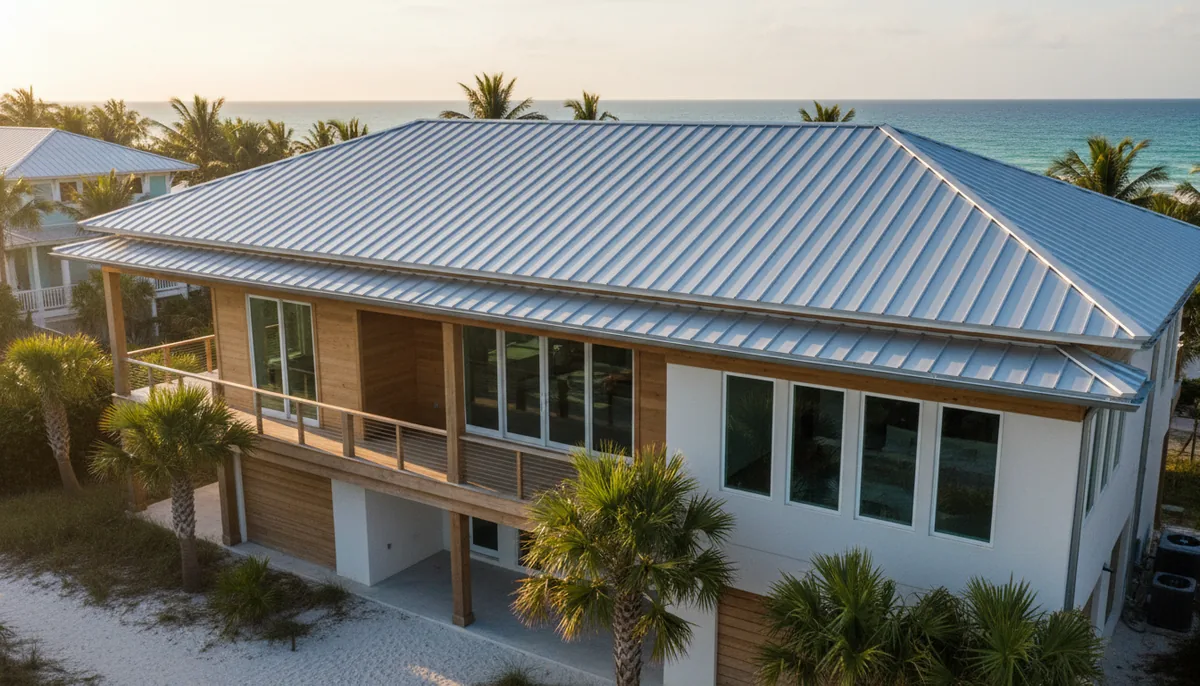
Let me be blunt. A roof replacement in Florida requires a permit pulled from the local building department, and it requires an inspection. A contractor who offers to skip the permit is a contractor to walk away from. I have seen what happens when a roof goes in unpermitted. An insurance claim that should have been simple got tangled, and the property sale backed out because the buyer’s attorney found no permit on file.
The permit is not there to slow you down. It is there to make sure the roof gets tied down the way the current code requires, especially with the wind load expectations in this state. I do not pull permits myself. The contractor does. But I ask to see the permit number before work starts, and I ask for the final inspection sign-off when it is done.
What I would actually do: In every contract I help write, I include a line that says the permit will be pulled before materials hit the roof and the final inspection must happen before the last payment. That single sentence saves more owners than any membrane warranty.
Wind mitigation inspections are worth your afternoon
Florida insurance is its own discussion, and I am not an adjuster or an attorney. But I can tell you this: a wind mitigation inspection documents the roof covering, roof deck attachment, roof-to-wall connection, roof geometry, secondary water resistance, and opening protection. Florida insurers must offer premium discounts for qualifying features. The standard form is OIR-B1-1802.
For a commercial building, the inspection usually costs far less than the annual discount it can open up. I have walked roofs with inspectors while they measure nail spacing and check whether the deck is nailed or screwed. It matters. If your roof has the right connection details, you can get a credit that stays on your policy year after year. Florida Statute 627.70132 is the reason carriers have to offer that credit in the first place.
The catch is that the roof has to actually have those features. You cannot buy the discount by filling out a form if the deck attachment is weak. That is one more reason to compare bids carefully before you replace the roof, because the connector type and deck fastening pattern can affect both the price and the insurance premium for the life of the roof.
Coatings can buy a roof time, but not forever
I get called to look at roofs that have already been “coated” twice. Sometimes a coating is the right call. If the membrane still has life and the issue is surface cracking or slow leaks at fasteners, a quality coating system can extend the roof and give the owner a few more years to save for a replacement. But coating does not fix wet insulation. It does not fix a delaminated deck. And it definately does not fix the problem that the last coating was applied over a dirty, wet roof.
Here is where I vent a little. A customer in Pensacola once told me his roof just needed “a good thick coat” because his neighbor did that and it worked. That neighbor’s roof was a metal sloped roof. That customer had a flat modified bitumen roof with ponding water in three corners. I love Florida. And I love people who want to save money. But Florida’s sun and afternoon storms are not forgiving to shortcuts.
A coating is a roofing assembly, not a magic paint. The surface prep, the primer, the number of coats, the cure time — all of it has to match the roof system. If an estimator tells you a coating will work, ask them what they found when they tested the moisture. If they have not tested, they are guessing.
Questions I get asked
Should I reroof or coat my flat commercial roof?
It depends on what is under the roof. If the insulation or deck is wet, coating is a waste of money. I usually recommend a few core samples or moisture readings before anyone spends a dollar on coating.
How much does commercial roofing in Florida cost?
I cannot give you a number without seeing the roof. Commercial roofing is priced per square, and the price depends on pitch, access, deck type, insulation thickness, how many layers need to be torn off, and what the flashing details look like. Anybody who quotes a flat per-square price over the phone is guessing.
How do I know a contractor is licensed in Florida?
Look up the license number on the state roll. A CCC prefix means certified and can work anywhere in the state. An RC prefix means registered and restricted to the local jurisdiction that issued it. Check that the license is active before you let anyone set foot on your roof.
Does the 25% rule still apply to my roof?
It depends on when your roof was built, repaired, or replaced. For roofs built under the 2007 code or later, SB 4-D (2022) means only the portion being worked on must meet current code. Older roofs generally still face the old trigger if more than a quarter of the roof is touched in a year.
Is a wind mitigation inspection worth it?
Usually yes, if your roof has features that a Florida insurer is required to discount. The inspection documents the deck attachment and roof-to-wall connections on form OIR-B1-1802. It often costs less than the first year’s discount, but coverage and credit amounts vary by policy, so read your declarations page.
Will my insurance company pay for a new roof after a storm?
I cannot answer that. I am not an adjuster, and coverage varies by policy. You need to read your declarations page and then talk to your agent or a licensed adjuster. What I can tell you is that an unpermitted roof and an old leak that was never fixed can both make that conversation harder.