Denied roof claim Florida: What Florida Homeowners Should Know
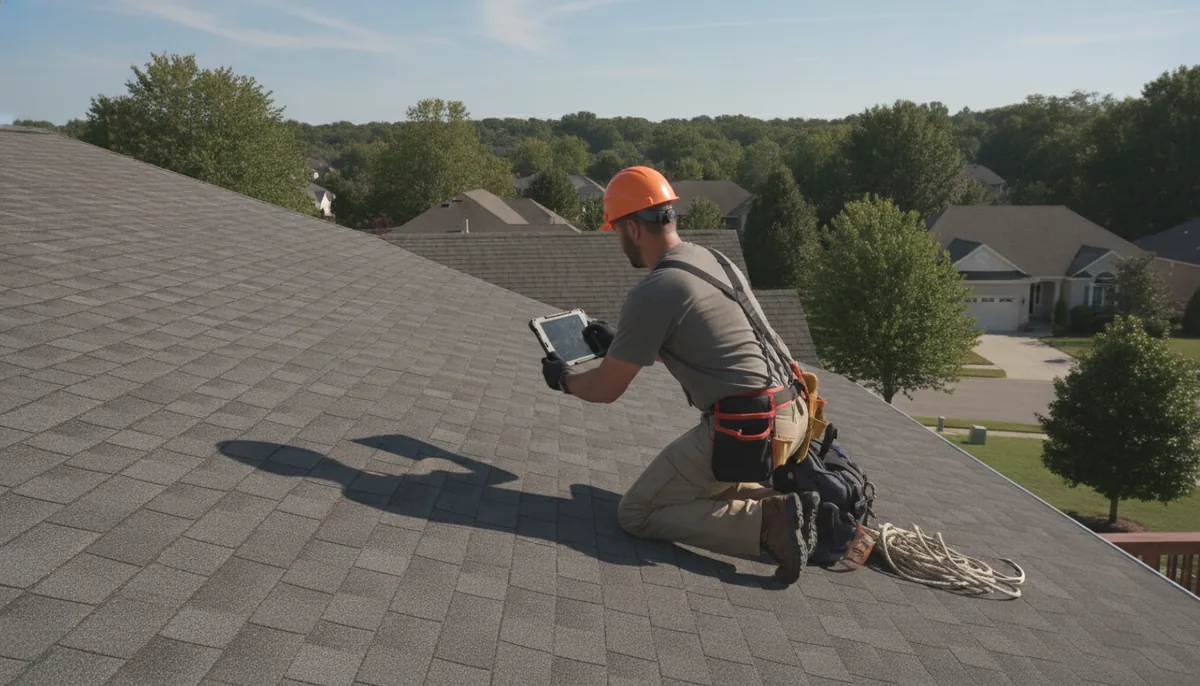
By Shelly Marchetti, Florida homeowner advocate. Reviewed by Hal Winstead, Editor, licensed roofing contractor. You ever stand on a hot roof in Cape Coral and just want to cry for the homeowner standing below you? Last July I did. Mrs. Alvarez had a denial letter from her insurer for a roof leak that had ruined her hallway ceiling. The letter said "wear and tear." But I could see the damage was from a storm that had blown through three weeks prior. She had the adjuster's report, the photos, and a contractor's estimate. What she didn't have was a policy that said "wear and tear" wasn't covered. That afternoon, we sat at her kitchen table and read the fine print together. She wasn't greedy. She just wanted her house fixed.
That kitchen table is where most of this work happens. You get a denial, you feel like giving up. Don't. But before you fire off an angry email or hire a lawyer, you need to know what the law actualy says. And you need to know what your policy actually covers. They are two different things. If you are staring at a residential roofing companies in Florida list and wondering if it is even worth calling one, let's talk first. I of been wrong about this before, and I will be wrong again, but I have read enough of these letters to know where the bodies are buried.
The one-year deadline is a killer
Here is the thing most people miss. Under Florida Statute 627.70132, you have to give your insurer notice of a claim within one year of the date of loss. Not when you discovered the damage. The date it happened. For supplemental claims, you have 18 months. A supplemental claim is when you find more damage after the original claim was settled, like when the roofer opens up the decking and finds rot that was hidden. This used to be three years. They changed it in 2022. I cannot tell you how many people call me in year two, after a slow leak has finally rotted through a ceiling, and they are shocked to hear the deadline has passed.
The clock runs from the date the damage happened, not from when you noticed it. That is the trap. A hurricane hits in September. You see a small stain in October. You think, "I will deal with it after the holidays." By February, the stain is bigger and the sheetrock is sagging. You call your insurer in March. You might be too late. Missing the deadline gives the insurer a complete defense, even on a covered loss. They don't have to pay a dime. Read your declarations page. Call your agent. Do not sit on a suspected claim.

The "25% rule" is not what it used to be
You have probably heard the old rule: if more than 25% of your roof is damaged, you have to replace the whole thing. That used to be true, sort of. It came from the Florida Building Code. But the law changed in May of 2022 with SB 4-D (2022). Now, if your roof was built, repaired, or replaced to the 2007 Florida Building Code or any later edition, only the portion being worked on has to meet current code.
What does that mean for you? It means your insurer cannot automatically force a full roof replacement just because the damaged area is over that old 25% threshold. The catch is the date. The 2007 code took effect on 1 March 2009. If your roof was built before that date, the old rule likely still applies to you. I know, it is backwards. But it is the law. When your adjuster or contractor starts talking about coding, ask them which code edition your roof was built under. They should know. If they don't, that is a red flag.
What a wind mitigation inspection actually does
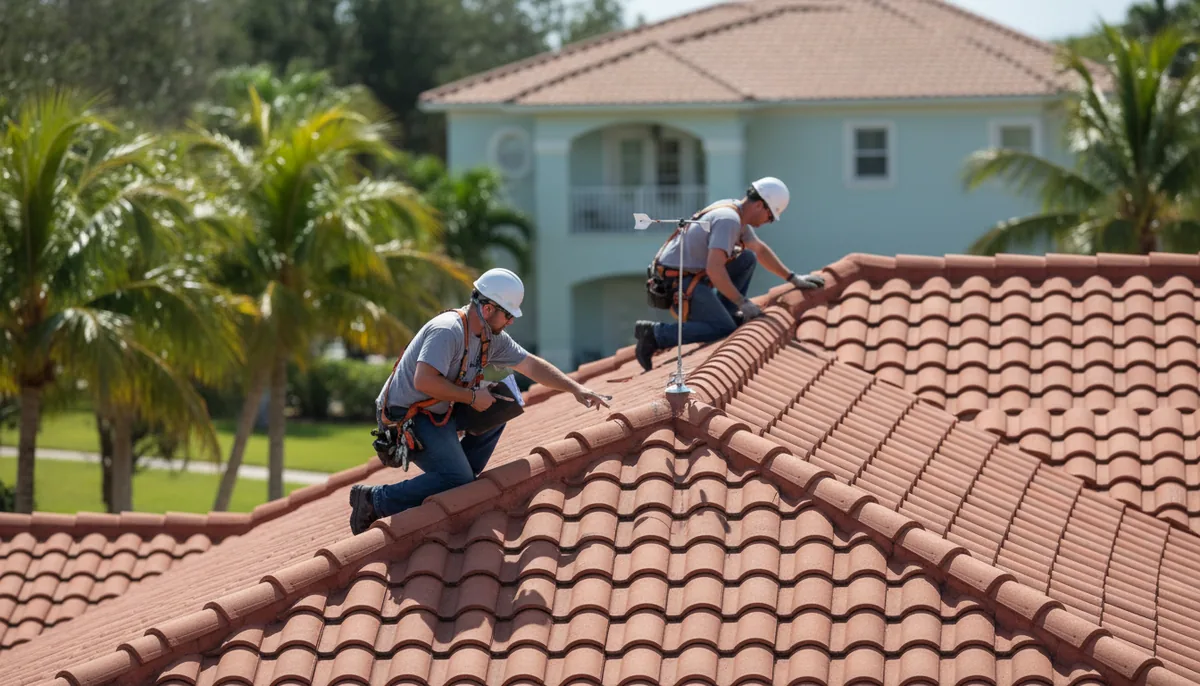
Let me talk about something that can help you in a claim, even if it doesn't sound exciting. A wind mitigation inspection is a look at your roof's resistance to wind. It checks the roof covering, the deck attachment, the roof-to-wall connection, the geometry of the roof, wether you have secondary water resistance, and your opening protection. The inspector fills out form OIR-B1-1802. Florida insurers are required to offer premium discounts for qualifying features.
I have seen these inspections save people hundreds of dollars a year. The inspection itself costs far less than the annual discount it can open up. But here is the part that matters for a denial: if you have a wind mitigation credit on your policy, that inspection is on file with your insurer. It is proof your roof was in decent shape before the storm. When an insurer denies a claim for "pre-existing damage," a prior wind mitigation report can be your best evidence that the roof was sound. It is not a silver bullet, but it shifts the story. If you have never had one done, and you own a home in Florida, you are leaving money on the table. Check whether the My Safe Florida Home program is open. They have offered free wind mitigation inspections and matching grants for hurricane-hardening improvements when funding is available. They appropriate money per cycle and it can run out, so it is always worth a look.
What I would actually do: Get a wind mitigation inspection before storm season, not after. It gives you a baseline. If you get denied later, you have a document that says your roof was attached to your house properly on a specific date.
Citizens is not your enemy, but read the letter
If you have a policy with Citizens Property Insurance Corporation, you are in a specific boat. Citizens is the state-backed insurer of last resort. Many people end up there after being dropped by private companies. The coverage is what it is. But I have seen denial letters from Citizens that are flat-out wrong, where the adjuster misapplied the policy language. Do not assume because it is the state insurer that they are always right.
The most common error I see is a claim denied as "wear and tear" when the damage is from wind-driven rain. The policy might exclude wear and tear, but it covers sudden and accidental damage. A storm that rips off shingles and lets water pour in is not wear and tear. That is a covered loss, usually, depending on your policy. You have to read the exact language. If the letter uses the phrase "wear and tear" and your roof was fine before the storm, push back. Write a letter. Ask for a re-inspection. You have the right to challenge a denial. The first denial is not the final word, even if it says "final" at the bottom. Remember, the time limit to dispute a denial is in your policy, and it is usually far shorter than you think.
Hire the right roofer, because it matters
Before you hire anyone, check their license on the DBPR roll. In Florida, roofing contractors are licensed by the Department of Business and Professional Regulation, and the license roll is public. A certified roofing contractor has a license that starts with CCC and can work anywhere in the state. A registered roofing contractor has a license that starts with RC and can only work in the local jurisdiction that licensed them. I cannot tell you how many people get burned by a guy with a truck who "used to be licensed." Verify the number is active. It takes two minutes.
The roofer you choose can make or break your claim. A good roofer documents everything. They take photos of the decking, the underlayment, and the nail pattern. They write a detailed estimate that matches the adjuster's scope of work. A bad roofer will tell you not to call your insurance company and offer to "handle it" for cash. Run from that person. You need a paper trail, not a handshake.
What I would actually do: Call three roofers from the directory and ask if they have worked with insurance claims before. Ask to see their license number and check it on the DBPR site right there. Then ask if they will walk the roof with your adjuster. If they hesitate, move on. There are plenty of good ones.
The adjuster is not your friend, but they are not your enemy either
The insurance adjuster works for the insurance company. Their job is to protect the insurer's money. That is not a moral failing; it is their job. But you have a job too: to protect your home. Bring your own evidence. Take photos of everything before the roofer touches it. Date-stamp them. Keep receipts for any temporary repairs you make. Under most policies, you have a duty to prevent further damage. That means if you have a hole in your roof, you need to tarp it immediatly. Keep the tarp receipt. The insurer should reimburse you for reasonable emergency repairs, but keep the paperwork.
A denial letter is not a wall, it is a door that is stuck. Sometimes you have to throw your shoulder into it. I have seen homeowners get denials reversed simply by writing a clear two-paragraph letter that pointed out the policy language and included a date-stamped photo. You don't need to be a lawyer to do that. You need to be organized and persistent.
Questions I get asked
Can I appeal a denied roof claim?
Yes, you can, and you should. The first thing to do is read the denial letter carefully to see what reason they gave. Then, within the timeframe your policy states, send a written request for a review or a re-inspection. You can ask your contractor to be present. Many denials are overturned just by asking again with better documentation.
How long does a roof claim stay on my record?
I am not an underwriter, so I cannot give you a straight answer that fits every company. What I can tell you is that insurers look at claim history, and a denied claim can still count against you. That does not mean you should never file. It means you should only file when you have a legitimate, documented loss, not for minor wear and tear that you can handle out of pocket.
What is the difference between a public adjuster and a regular adjuster?
A public adjuster works for you, not the insurance company. They take a percentage of the settlement, usually around 10 to 20 percent. They can be helpful on large, complicated claims. But for a straightforward roof claim, you may not need one. If you hire a public adjuster, make sure the contract is fair and you understand the fee. Never sign a contract with a blank percentage.
Does a denied claim mean I have to pay for the roof myself?
If the claim is denied and you do not win an appeal, then yes, you are responsible for the repair. That is the hard truth. But before you pay out of pocket, get three estimates and check for financing programs or grants. Some communities have disaster recovery funds. And again, if the damage was from a hurricane, check whether My Safe Florida Home has any programs open for hardening your roof so the next storm does not do the same damage.
Do I need a lawyer to fight a denial?
Not always. Many homeowners successfully appeal denials on their own with good documentation. If the claim is large, or if the insurer is ignoring you, a lawyer who handles first-party property claims might be worth the cost. Just know that attorneys typically work on contingency, which means they take a portion of the settlement. Ask them what their fee is before you sign anything.
How much does a wind mitigation inspection cost?
It varies by company and location, but it is usually a few hundred dollars or less. I never give exact figures because pricing changes. What I can tell you is that the annual discount on your premium often exceeds the cost of the inspection within the first year. It is worth checking if your insurer will give you the discount before you pay for the inspection. Some will apply it retroactively once the report is filed.
I keep a folded wind mitigation form in my truck. Old habit. You never know when you are going to meet someone at a gas station who just got a denial letter and does not know what to do next. The roof is the only thing between your family and a Florida thunderstorm. When it fails, it is personal. Read everything. Ask questions. And do not let a denial letter be the last word.
More from the site
- Roof leak insurance claim florida: What Florida Homeowners Should Know
- Florida insurance roof replacement law pdf: What Florida Homeowners Should Know
- Roofing insurance claims florida: What Florida Homeowners Should Know
- Roof insurance claims help florida: What Florida Homeowners Should Know
- Roof damage insurance claim florida: What Florida Homeowners Should Know