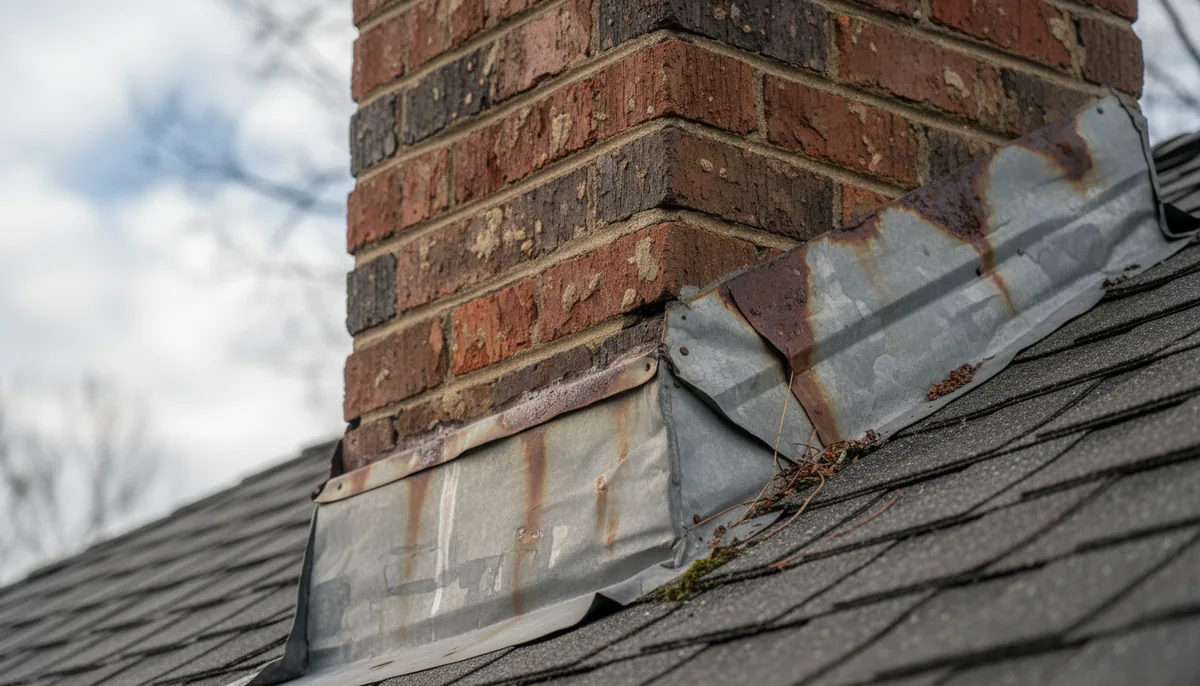
Emergency roofing south Florida — How Bad Is It, Really?
By Dale Prescott, Roofing contractor, Central Florida. Reviewed by Hal Winstead, Editor, licensed roofing contractor. I was up on a barrel-tile roof in Port Orange the afternoon the sky turned that color—the greenish-yellow one that makes your neck hair stand up. The homeowner was standing in the yard yelling up at me that the news said the cell was still twenty miles out. I told her that was probably true. Then the wind hit, and a piece of my own scaffolding went sailing over the ridge. We both learned something that day about how fast things change in Florida, and about how much of what people think they know about storm damage is already out of date. When you get to the point of ringing round, emergency roofing companies in Florida is the list I would work from.
I have torn off more storm-damaged roofs than I care to count between Orlando and the coast. And since the laws changed a couple of years back, I spend almost as much time explaining the rules as I do swinging a hammer. If you are looking for emergency roofing companies in Florida, you are probably in a hurry. But slow down for five minutes. The worst roof I ever saw was also the one where the owner signed the first contract that showed up in his driveway. Take a breath. Let's talk about what is actualy true right now.
The headline problem is that most people don't know their insurance clock is already running. It starts when the damage happens, not when you find it. You might not even know you have a claim for another year. By then, you might be out of luck entirely. But let's back up to the roof itself first, because that's where the confusion starts.
The 25 percent rule every adjuster used to quote
Before May of 2022, the rule of thumb was simple: if more than 25 percent of your roof was damaged, you were replacing the whole thing to current code. It wasn't an insurance rule. It was a building code rule, call it the "grandfather clause killer." You had a roof built in 2005? Another storm takes out a third of the tiles? You are not just repairing that section. The whole roof has to come off and go up to modern wind-speed requirements. That was the law.
Then SB 4-D (2022) changed the math. If your roof was built, repaired, or replaced under the 2007 Florida Building Code or anything after it, then only the section you are working on has to meet current code. The rest of the roof keeps it's old approval. So a roof that went on in 2010 after a hurricane can now get a simple repair on one slope without triggering a full tear-off. That is a huge deal for your wallet and your timeline.
But here is the catch that makes it a trade-off. The 2007 code took effect on March 1, 2009. Find out which side of that date your roof falls on before you even call someone. If your roof is older than that, the old 25 percent rule still applies to you in full force. I have been wrong about this before. Get your permit history from the county and check the date. It is answer number one for every adjuster who walks the roof.
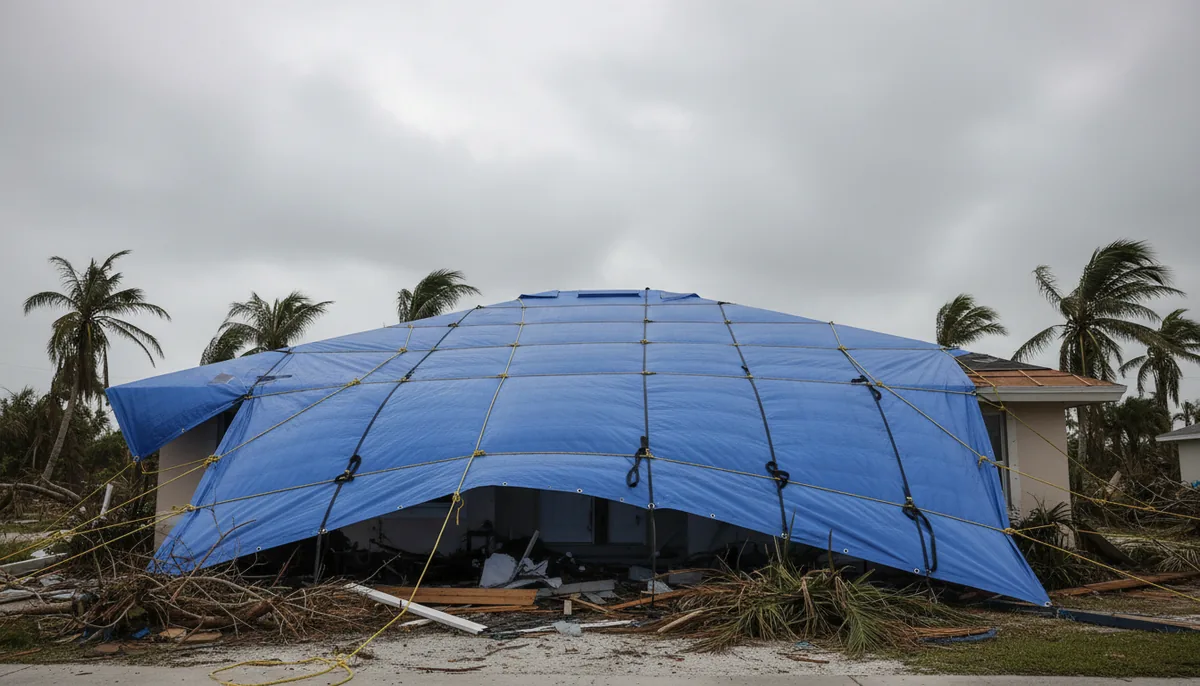
Emergency roofing south florida after a storm passes
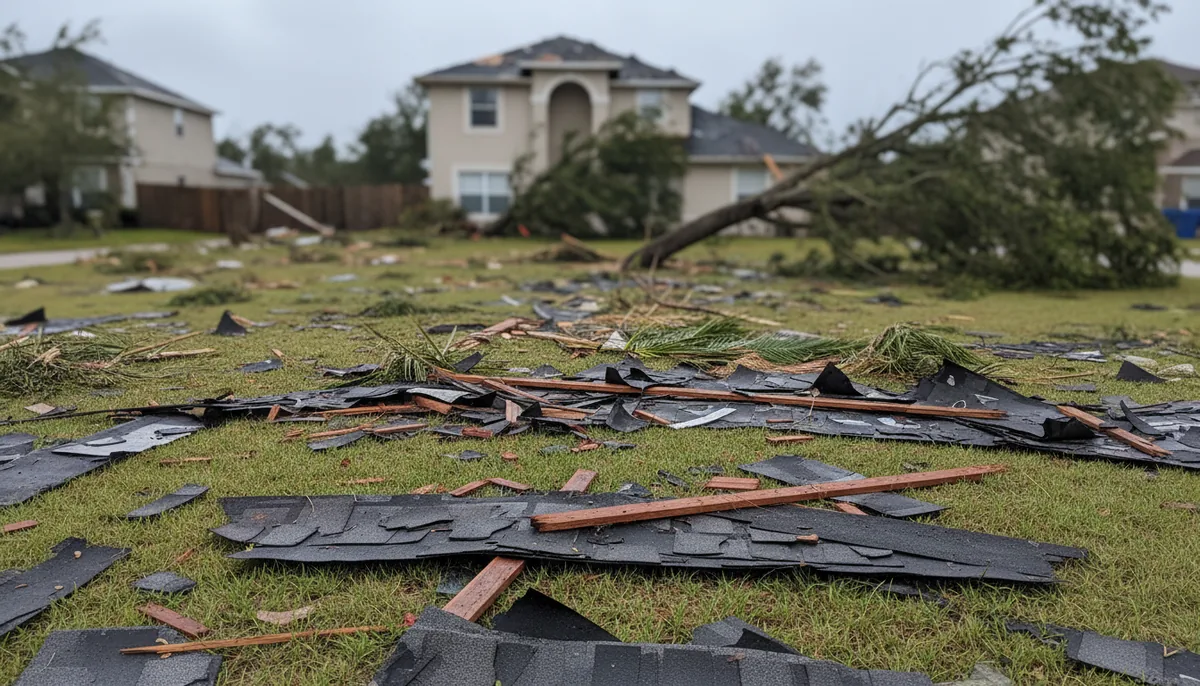
Let's be brutally honest. If a hurricane just crossed the state, you are not getting an emergency roofing south florida crew out to your house tonight. Neither I nor anyone else can get materials on a truck, let alone get on a roof, while the wind is still blowing. What you can get is a tarp from a licensed roofer who is working triage in your neighborhood. That is a real emergency service. Patching a hole so your interior doesn't get destroyed while you wait for the real repair is the best emergency roofing south florida has to offer in the first forty-eight hours.
What I would actually do: If you have a legit hole in the roof and water is coming in, move your stuff, put out buckets, cut the drywall ceiling enough to let the water drain instead of pooling. Then get a licensed roofer to tarp it, take photos of everything, and call your insurer immediatly. If you wait to start any of that, you are just letting the damage compound.
The tarp is not a fix. It is a stabilizer. Some of these "emergency" outfits charge absurd prices per square for a tarp because they know you are panicked. That is where you get taken advantage of. The directory we mentioned earlier verifies the licence is current, but it cannot tell you if a guy is going to charge you double for a trash bag and a staple gun. Get the price in writing. Even for a tarp.
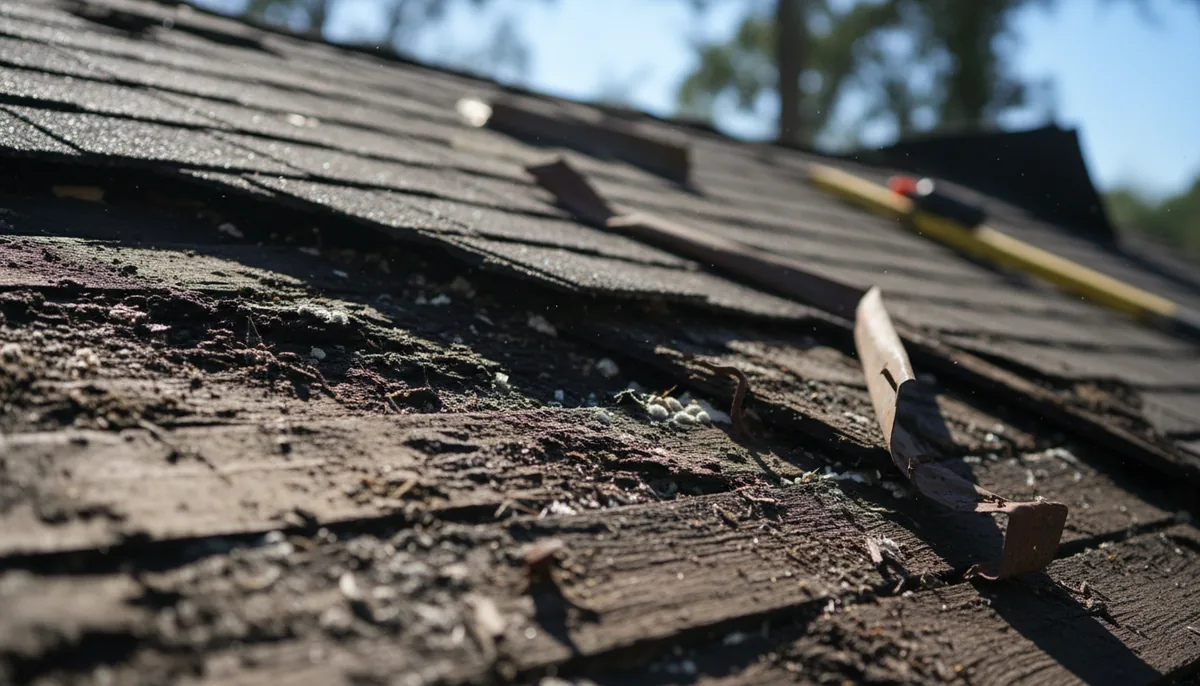
The insurance claim is a deadline, not a suggestion
Here is the number everybody misses. Under Florida Statute 627.70132, you have to notify your insurer about an initial claim or a reopened claim within one year of the date of loss. Not the day you found the leak. The day the damage happened. If you file a supplemental claim later because you found more damage—and you will, when the contractor starts pulling up tile—that clock is eighteen months from the date of loss. It used to be three years for both. The legislature cut it.
You read that right. One year. If your roof leaked back in July but you didn't know until the ceiling stain showed up in January, you have already burned six months of your window. Miss the deadline and the insurer has a complete defense even if the policy clearly covers the loss. I've seen adjusters have to deliver that news to a homeowner. It is not pretty. Read your declarations page to see if you have any endorsement that changes the timeline. Coverage varies by policy, so do not take my word for it. Take your policy's word for it.
What I would actually do: The day you see storm damage, call your insurer. Not to file a claim if you are unsure—just to ask the question and get the date on record. Then call a roofing contractor who pulls permits, gets the inspection done, and documents everything. And do not let a public adjuster tell you that you have "plenty of time" because they get a cut of your settlement. The law is the law. One year initial. Eighteen months supplemental. Done.
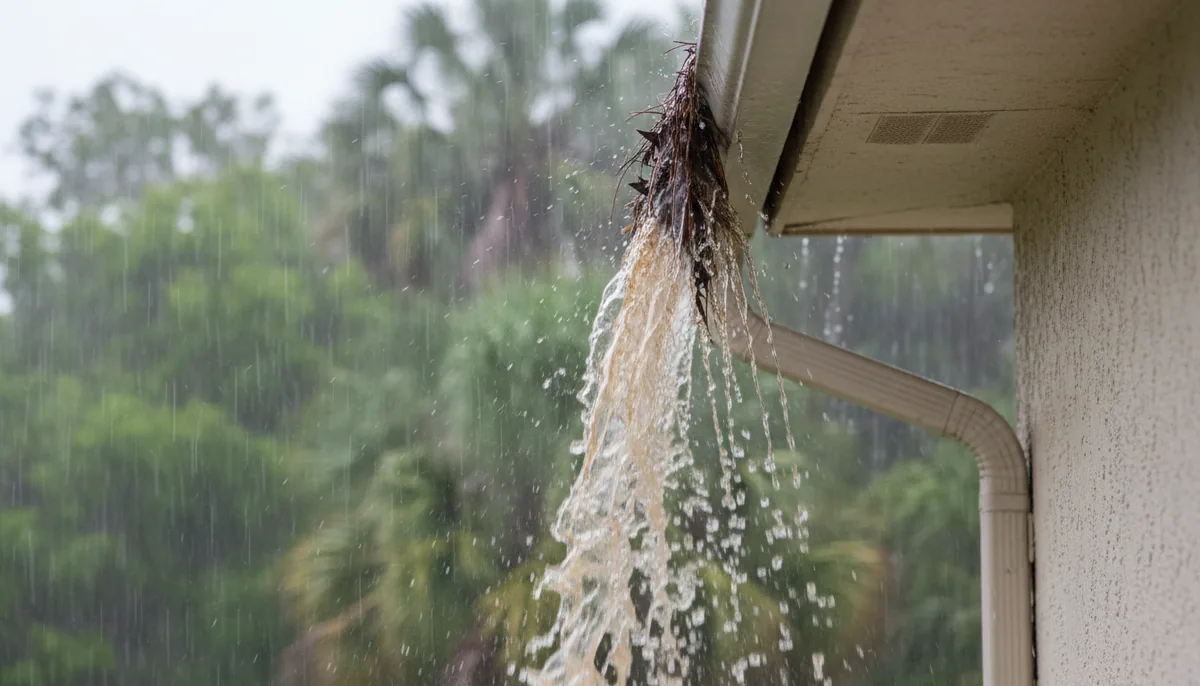
Permits and inspections are not optional
If a contractor offers to save you money by skipping the permit, walk away. I mean it. I have been in this trade for twenty-two years. An unpermitted roof will bite you at the exact worst moment. Your insurance company can deny a claim on a roof that was never inspected and permitted. Your future buyer's title company will find it. The county can make you tear it off and start over.
A roof replacement in Florida requires a permit from the local building department. It also requires an inspection. There is no way around it. The guy telling you it is fine is the same guy who vanishes when the inspection fails. The permit fee is nothing compared to the headache. Do not let anyone skip it.
So how do you know the contractor you are standing in your yard with is legit? Florida roofing contractors are licensed by the Department of Business and Professional Regulation, the DBPR. A certified contractor has a licence number starting with CCC. That person can work anywhere in Florida. A registered contractor's number starts with RC, and they are limited to the local jurisdiction that licensed them. Verify the number is active on the DBPR roll before you sign anything. It takes two minutes. I check my own listing when I need to.
Questions I get asked
Should I file a claim if the damage is small?
That depends on your deductible and your policy language, so check your declarations page first. If the repair costs less than your deductible, filing a claim just puts a mark on your history for nothing. I have seen people file claims for a $400 repair and then get dropped. Get a contractor to give you a written estimate first, then decide.
My roof is leaking but not from the storm. Am I covered?
Coverage varies by your policy. Storm damage and long-term wear and tear are treated very differently by almost every carrier. A slow leak from aging shingles is usually maintainance, not a claimable event. You need to read your policy or ask your agent. I am a roofer, not an adjuster, and I do not pretend to be one.
What does a roof replacement actually cost in south Florida?
It is priced per square, which is a 10-foot by 10-foot area. The number depends on pitch, access, how many layers we have to tear off, and what is under the shingles. I cannot give you a flat dollar figure because every house is different. Get three itemized quotes and compare the scopes of work, not just the bottom line.
How long after a hurricane do I have to file?
One year for an initial or reopened claim, and eighteen months for a supplemental claim under Florida Statute 627.70132, assuming your policy has not changed that. The clock runs from the date of loss, not the date you discovered the damage. If you are reading this and your storm was last September, you need to move now.
Do I need to bring my whole roof up to code if I only repair part of it?
Only if your roof was not built to the 2007 Florida Building Code or later. If your roof predates March 1, 2009, the old 25 percent rule can force a full replacement. If your roof is newer than that, SB 4-D (2022) means only the section you are repairing must meet current code. Check your permit history to find the original installation date.
What paperwork do I need to give my insurer?
Notice in writing, generally on form OIR-B1-1802, and you need to do it within the statutory deadline. Then document the damage. Photos, video, a written estimate from a licensed contractor, and the permit number once it is pulled. The more evidence you have, the better your claim goes. Your insurer will send their own adjuster, but that does not mean you should not have your own documentation.
The state has a program called My Safe Florida Home that can help with wind mitigation inspections and some hardening work, but wait times are long and funding runs out. And if you are with Citizens Property Insurance Corporation, you already know they have their own specific requirements. Do not assume the rules are the same as a standard carrier. Read the paperwork., your roof is a system. It sheds water, it handles wind, and it has a lifespan that depends on how it was built and what has hit it since. The emergency roofing south florida industry is full of good crews and bad actors, just like any trade. My advice is simple. Get the permit. Verify the licence. Mind the deadlines. Do not let fear make you sign the first paper contractor hands you. The leak can be fixed. The wrong contract is alot harder to fix.
More from the site
- Roof storm damage repair florida — How Bad Is It, Really?
- Florida storm damage roof — How Bad Is It, Really?
- Storm damage roof restoration in central florida — How Bad Is It, Really?
- Emergency roof repairs in florida — How Bad Is It, Really?
- Florida emergency mobile home roof repairs — How Bad Is It, Really?