
Florida insurance roof replacement law pdf: What Florida Homeowners Should Know
By Shelly Marchetti, Florida homeowner advocate. Reviewed by Hal Winstead, Editor, licensed roofing contractor. Last spring I stood in a Cape Coral driveway with a woman whose metal roof had a golf-ball-sized dent the size of my fist. Her adjuster had already told her it was "cosmetic." Her roofer told her it needed replacing. She had the insurance company's denial letter in one hand and a check from the roofer's "waive the deductible" promo in the other. She wanted me to tell her which one to trust.
I told her to read her policy's declarations page first. Then I asked when the hailstorm hit. She couldn't remember exactly. That's the moment everything changed—because in Florida, the clock starts ticking from the date of loss, not the date you notice the damage.
I've spent years helping Florida homeowners read the fine print they never knew existed. If you're staring down a roof claim right now, you need to know what the law says before you sign anything. And you definately need to find someone who actually knows what they're doing—that's why I always point people to the roof replacement companies in Florida directory first. It verifies licenses against the DBPR roll so you don't get stuck with someone who can't legally work in your county.
What I'm about to tell you might save you from making the same mistake she almost made.
The deadline is shorter than you think—and it's not negotiable
Florida Statute 627.70132 got amended back in 2022, and this one hurts. You now have ONE YEAR from the date of loss to give your insurer notice of an initial or reopened property insurance claim. Supplemental claims? You get 18 months. That's down from three years—a massive cut that alot of homeowners still don't know about.
Here's the kicker. The clock runs from the date the damage happened, not from when you discovered it. A hurricane hits in October. You don't notice the leak until February. Your year is already almost gone.
Miss that deadline and the insurer has a complete defense. Even if your policy clearly covers the loss. Even if you have photos. Even if your neighbor got paid for the exact same damage. I've seen it happen more times than I care to count.
What I would actually do: Mark the date of every storm that rolls through your area on your calendar the day it happens. If you suspect any damage afterward, file a claim within weeks, not months. You can always amend it later.
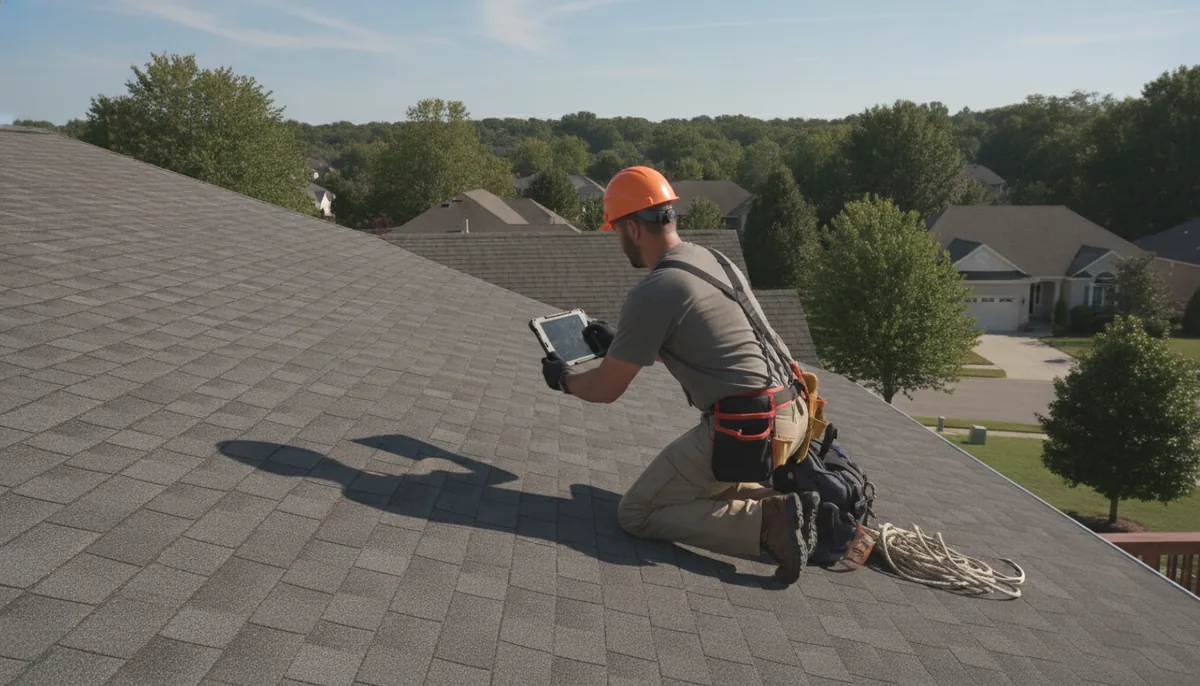
What exactly counts as a supplemental claim?
People get confused here. A supplemental claim is when you ask for more money on a claim you already filed. Maybe your roofer found hidden water damage after the initial adjuster visit. Maybe the first contractor underbid the tear-off.
That supplemental request has it's own 18-month deadline from the date of loss. It doesn't reset when you get the first payment. So if your initial claim was approved and you waited two years to fix the roof because you were saving up your deductible, you've lost the right to ask for anything extra.
Read your denial letters carefully too. Sometimes they'll say "no coverage" when they really mean "late notice." Those are two different things. One you can fight. The other one you can't.
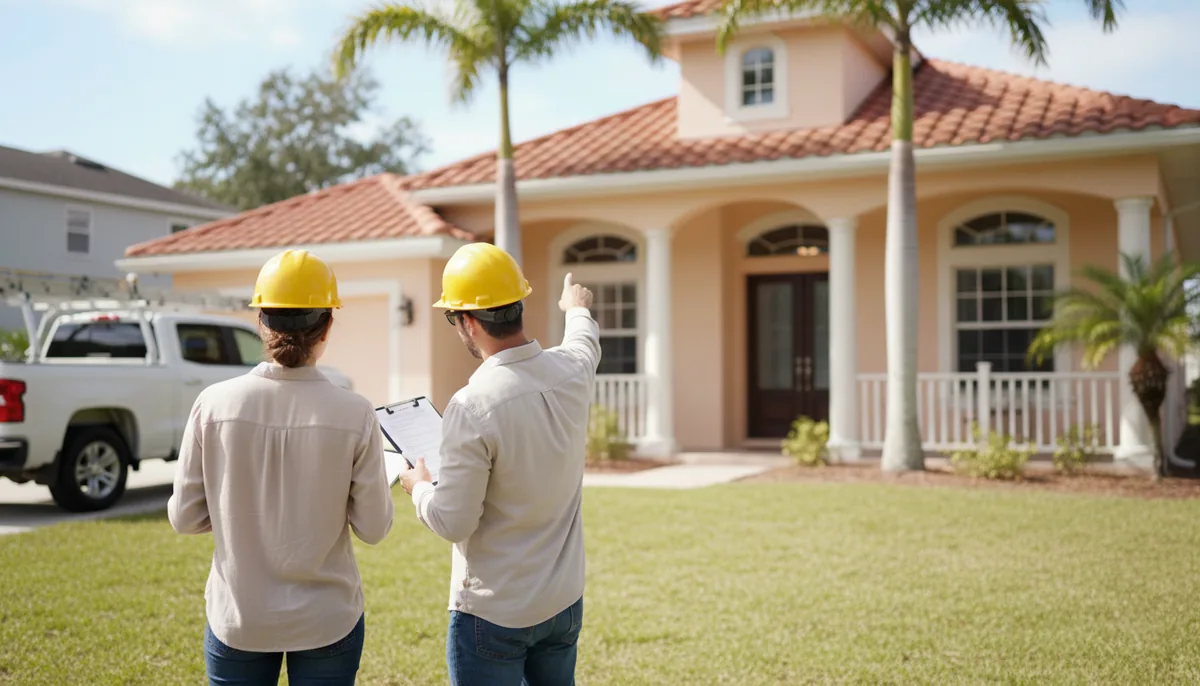
Wind mitigation inspections aren't a scam—they're a discount machine
I know. Another inspection. Another guy in your attic. But this one's different.
A wind mitigation inspection documents six things: your roof covering, roof deck attachment, roof-to-wall connection, roof geometry, secondary water resistance, and opening protection. Florida insurers have to offer premium discounts for qualifying features.
The standard form is OIR-B1-1802. Your inspector fills it out, and your insurer uses it to lower your premium. The inspection typically costs far less than what the annual discount can save you.
Think of it this way. If your roof has the right straps, the right nails, and the right shape, you're literally paying more than you should every single month until you get that inspection done.
What I would actually do: Before you file a claim, get the wind mitigation inspection done. It gives you a clearer picture of what your roof can handle, and it might make your insurer more willing to play ball on a partial denial.
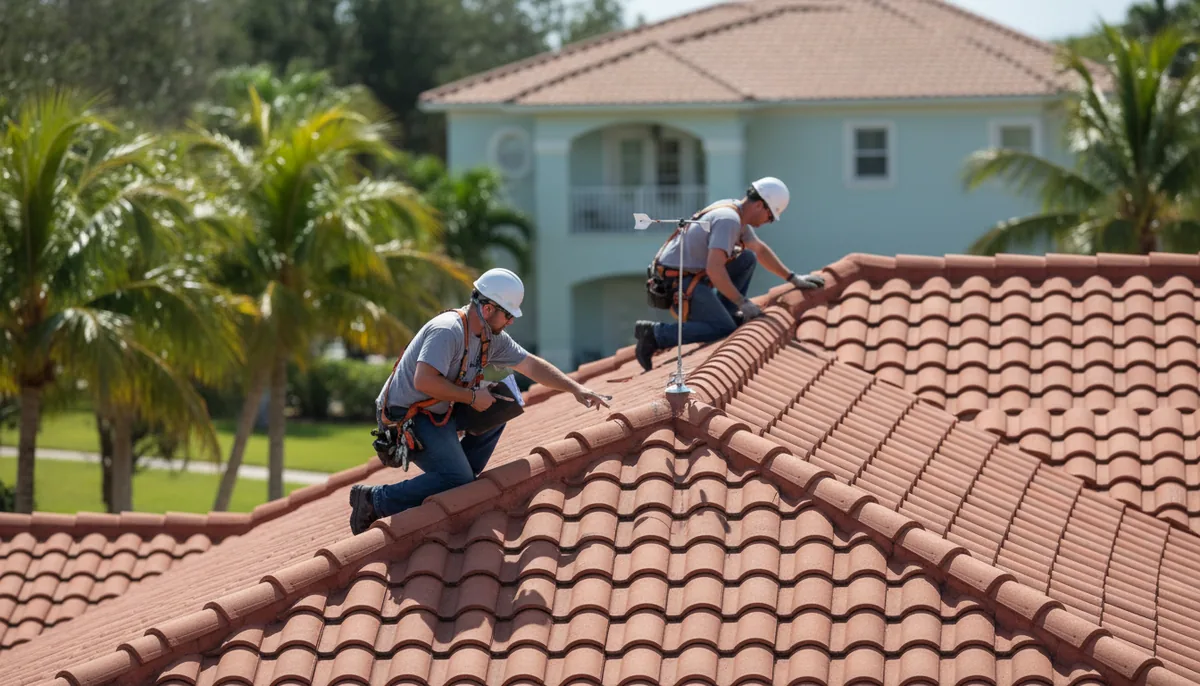
Your roof's age matters—the 25% rule isn't what it used to be
For years, Florida had this "25% rule" floating around. It came from the Florida Building Code. The idea was that if more than 25% of your roof needed repair or replacement in any 12-month period, you had to bring the whole roof up to current code.
Then SB 4-D (2022) changed things. If your roof was built, repaired, or replaced under the 2007 Florida Building Code or any later edition, then only the portion being worked on needs to meet current code. Full replacement isn't automatically triggered anymore.
Here's the catch. The 2007 code edition took effect on March 1, 2009. So if your roof was completed before that date, the old rule generally still applies. Roofs after that date? You're in the new world.
I have been wrong about this before, so I'll hedge. Whether your roof qualifies depends on when it was actually built and what code edition was in force. Your county building department can pull the permit history. That's where the answer lives.
Citizens and My Safe Florida Home—what they are, what they aren't
Citizens Property Insurance Corporation is Florida's state-backed insurer of last resort. If you can't find coverage in the private market, Citizens is where you end up. It exists to be the safety net, not the first choice.
My Safe Florida Home is a different animal entirely. It's a state program that offers free wind mitigation inspections and matching grants for qualifying hurricane-hardening improvements. Homeowners who meet its criteria can get help paying for things like stronger roof-to-wall connections or upgraded shutters.
But here's the honest truth: funding gets appropriated per cycle and it can run out. I can't tell you if it's open right now because that changes constantly. What I can tell you is that it's always worth checking whether the program is currently accepting applications. The worst they can say is no.
Licensing—don't skip this step
Florida roofing contractors are licensed by the Department of Business and Professional Regulation, known as DBPR. You'll see two license prefixes out there.
A CERTIFIED roofing contractor holds a license beginning with CCC. They can work anywhere in the state. A REGISTERED roofing contractor holds a license beginning with RC. They can only work in the local jurisdiction that licensed them.
Always verify the license number is active before you hire. The directory I mentioned earlier does this automatically. If you're finding someone on your own, go to the DBPR website and check the roll yourself. It takes two minutes and can save you from a nightmare.
I've had homeowners hire guys with expired licenses because the price was right. Then the work was wrong, the insurance company balked, and nobody could hold anyone accountable. Don't be that person.
Questions I get asked
Why did my insurance company deny my claim if my roof is clearly damaged?
Coverage varies by policy, and denials usually fall into one of a few buckets: late notice, pre-existing damage, wear and tear exclusion, or "cosmetic" classification. Read your denial letter carefully. The reason matters because it determines whether you can appeal, file a supplemental claim, or hire a public adjuster. Your declarations page tells you what your policy actually covers, so start there.
Can I file a claim if I don't know the exact date the damage happened?
You have to make your best determination. Insurers understand that you might not know the precise day a storm hit, but you need to narrow it down. Use weather records from local news or the National Weather Service to support your timeline. The key is filing within the statutory window from when you reasonably believe the loss occured.
How much does a wind mitigation inspection cost?
I can't give you a dollar figure because it varies by inspector and location. What I can tell you is that it's usually a fraction of what the annual premium discount ends up being. The inspection form is standardized as OIR-B1-1802, so you're getting the same documentation regardless of who performs it. Call three inspectors and ask for pricing—it's a competitive market.
What happens if my roof was built before 2009?
The old 25% rule generally applies to you. That means if more than a quarter of your roof needs repair in any 12-month period, you might be looking at a full replacement to meet current code. This is why knowing your roof's permit history matters so much. The county building department can tell you exactly what code edition your roof was built under.
Do I need a public adjuster?
If you have a large, complex claim or you've already been denied, a public adjuster might be worth the fee. They work for you, not the insurance company. But they also take a percentage of your settlement, so do the math before you commit. Some simple claims don't need that level of help.
Can I wait to repair my roof if my claim was approved?
Technically yes, but practically no. The longer you wait, the worse the damage gets, and your insurer might argue that new damage is seperate from the original claim. Plus, if you need to file a supplemental claim later, you're stuck with that 18-month deadline from the original date of loss. Fix it sooner rather than later.
I still think about that woman in Cape Coral sometimes. She ended up getting a partial payment after I helped her parse her denial letter—turns out the adjuster had misapplied the policy's own language. But she almost gave up because the letter was written like a maze.
That's why I do this. Insurance paperwork is designed to confuse you. The laws are complicated. The deadlines are unforgiving. But you don't have to be an expert to protect yourself—you just have to know where to look and ask the right questions. The DBPR roll will confirm your contractor is legit. Your declarations page tells you what coverage you actually bought. And reading those denial letters line by line often reveals the path forward.
More from the site
- Roofing insurance claims florida: What Florida Homeowners Should Know
- Roof insurance claims help florida: What Florida Homeowners Should Know
- Roof damage insurance claim florida: What Florida Homeowners Should Know
- Florida insurance roof replacement law: What Florida Homeowners Should Know
- Florida roof age requirement insurance: What Florida Homeowners Should Know