Florida roof types: The Florida Guide
By Marcy Doleman, Commercial roofing estimator. Reviewed by Hal Winstead, Editor, licensed roofing contractor. One sticky afternoon in Cape Coral, I watched a TPO seam peel open on a furniture warehouse we'd welded the Tuesday before. The adhesive had softened in the heat, and the lap joint had never truly bonded. I've been wrong about this before, but that day taught me to test every seam by hand rather than trust a clean edge. If you're starting a search for a contractor, the roofing companies in Florida directory is a fine place to browse — but you need to know what actualy survives this state first.
I estimate commercial flat and low-slope work for a living. TPO, modified bitumen, coatings — for warehouses, retail plazas, and schools from Jacksonville to Naples. My day is pitch, square footage, and what the deck looks like after the last guy left. Roofing in Florida is not the same trade here as it is in Ohio. The sun cooks the membrane. The wind yanks at edges. And the rain finds any seam you didn't think about.
And that's before you get to the code and insurance side of it. Over the years I've learned to give homeowners the same honest rundown I give a property manager who calls about a leaking big-box store. The materials matter, yes. But so do permits, wind mitigation, and who's actually holding a valid license.
Flat roofs aren't just for strip malls
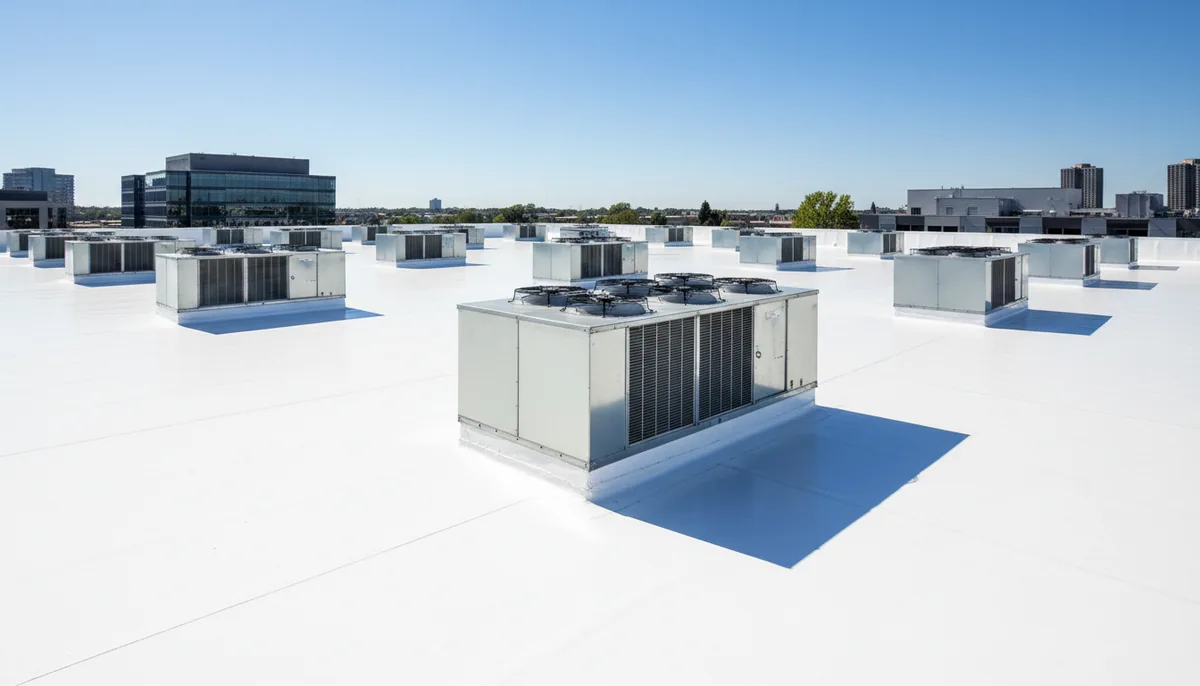
When someone types "roof types Florida" into a search bar, they usually picture shingle versus tile versus metal. They forget that a huge share of Florida roofs are flat or low-slope. My world is full of TPO — a single-ply membrane with heat-welded seams. It's light colored, reflects the sun, and handles ponding water reasonably well when the slope is right. Modified bitumen is the older workhorse, torch-down or peel-and-stick, and it still covers plenty of aging strip centers. Coatings — acrylic, silicone, polyurethane — get sprayed over an existing roof to buy years, sometimes over metal that's rusted at the fasteners.
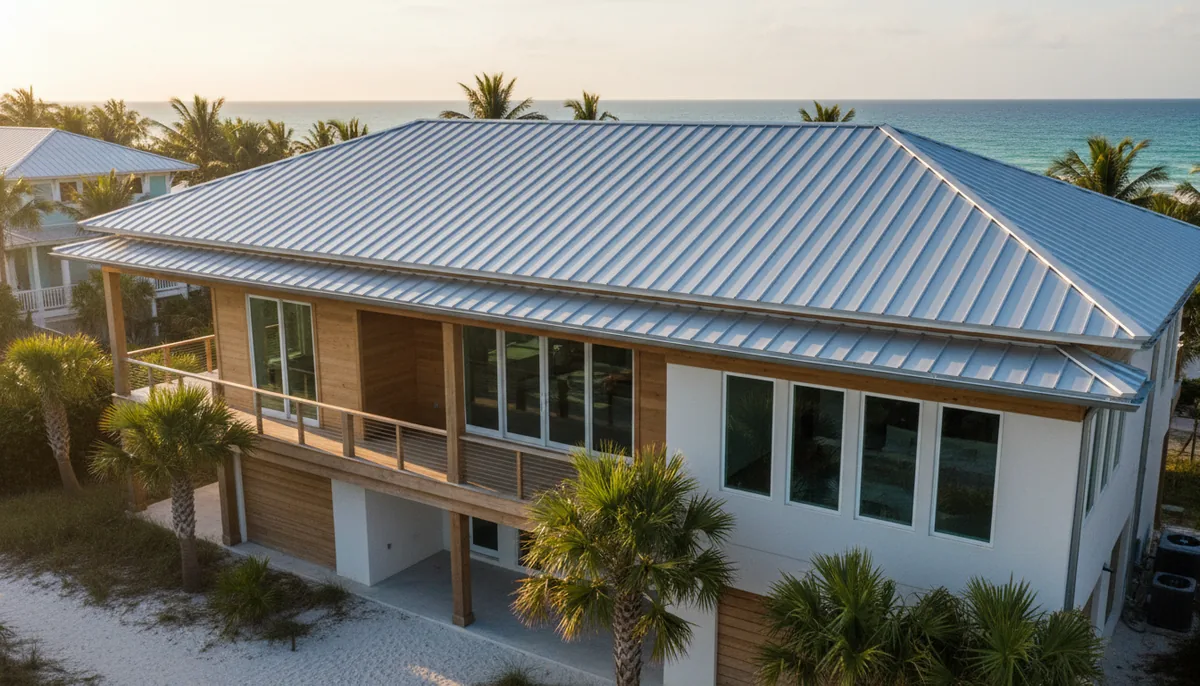
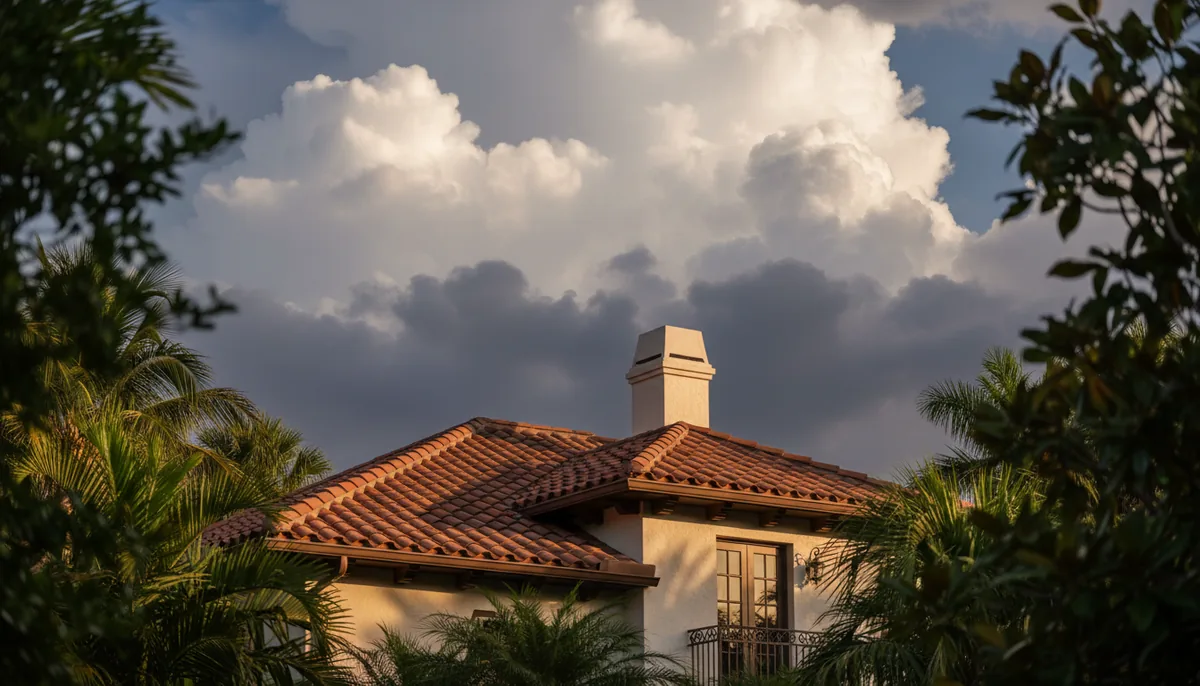
For homes, the usual suspects are shingle, tile, and metal. Shingle is the budget standard, asphalt-based, usually architectural grade. Tile is heavy — clay or concrete — and it's all over central and south Florida because it sheds rain and handles wind when installed properly. Metal stands up to storms and heat, but it's loud in a downpour and can be pricey. There's also a growing number of modern homes with flat or low-slope sections, and that's where my commercial background comes in useful.
The best roof for Florida isn't one material. It's the one that matches your deck, your pitch, your neighborhood's hurricane exposure, and your budget. Call it a system, not a shingle.
What is the best roofing material for Florida? Look up first
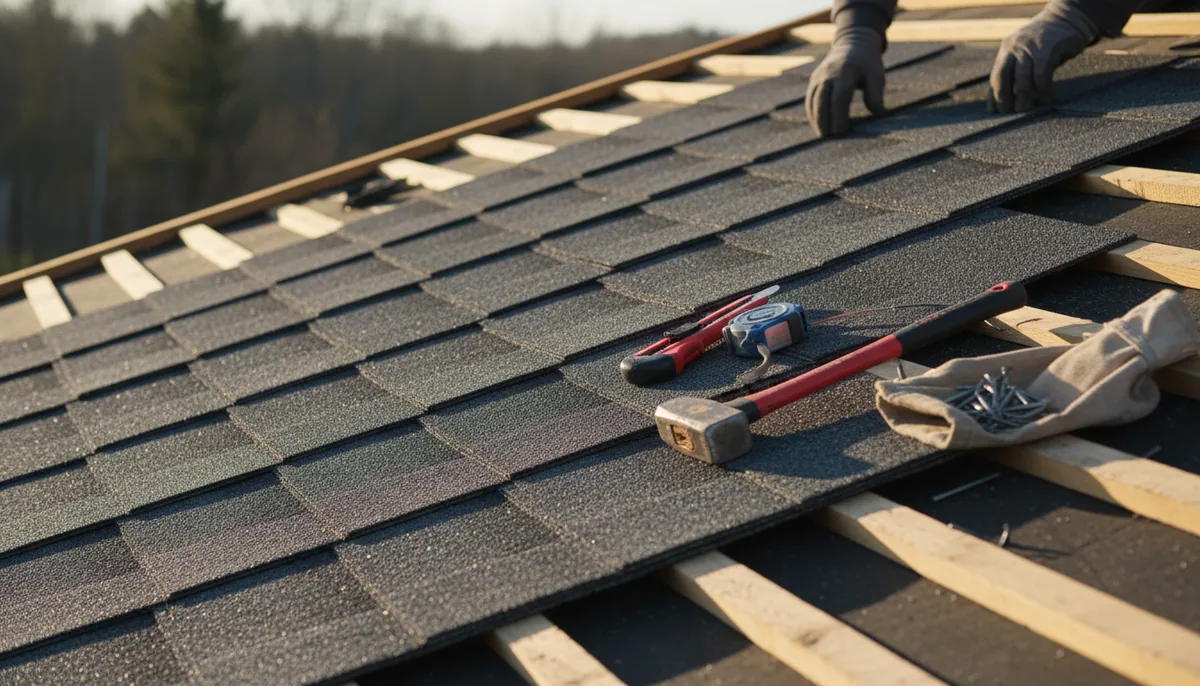
People ask me that question all the time. I usually answer with another question: what's your roof deck made of, and how much wind are you willing to accept? On a house with a steep pitch and a plywood deck, architectural shingles can be fine, but they'll bake out faster under that Florida sun. Tile is heavy and can require structural reinforcement. Metal is light and sheds wind-driven rain well. For a flat commercial roof, TPO is my default. It's priced per square — a 10-foot by 10-foot area — and the seams are the weak point. Installation quality matters more than the brand name.
Nothing wins every category. I've seen twenty-year-old metal roofs look better than five-year-old shingles that were nailed wrong. I've also seen TPO lift in a storm it should of handled. Depends what is under there, and who put it on. That's why I tell homeowners the best roofing material for Florida is the one you can verify was installed to the manufacturer's specs.
For Florida homes specifically, the best roof for Florida homes starts with proper fastening. The wind mitigation inspection will tell you more about that than any product brochure. Which brings me to my favorite trick.
Wind mitigation: the discount hiding in your attic
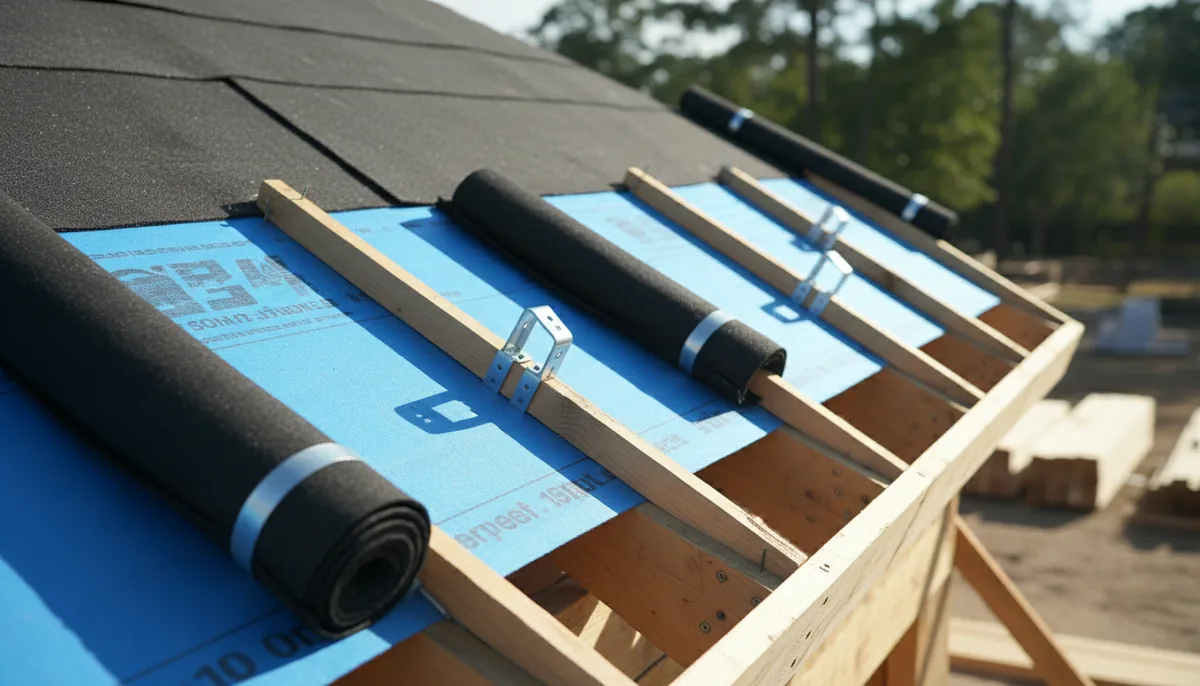
A wind mitigation inspection documents roof covering, roof deck attachment, roof-to-wall connection, roof geometry, secondary water resistance, and opening protection. Florida insurers must offer premium discounts for qualifying features. The whole thing gets recorded on form OIR-B1-1802. Programs like My Safe Florida Home can help with some costs too, though you'd need to check it's current availability yourself.
I tell people to pay for the inspection before the roof replacement, not after. It typically costs far less than the annual discount it can open up. But I'm not your adjuster, and coverage depends on your specific policy. Read your declarations page and ask your agent which discount table they use. Don't assume a grandfather clause gets you anything.
What I would actually do: Pay for a wind mitigation inspection before you pick the new roof, then hand the form to both your roofer and your insurance company. That way the fastening schedule matches what the insurer actually rewards.
The permit business and the 25% rule nobody explains
A roof replacement in Florida requires a permit from the local building department, plus an inspection. If a contractor offers to skip the permit, walk away. An unpermitted roof can complicate an insurance claim and a future sale. I've personaly seen a home sale fall apart over an illegal roof patch.
Now, the so-called 25% rule. It used to be that if you repaired or replaced more than 25% of a roof in any 12-month period, you had to bring the whole roof up to current code. Then the law changed with SB 4-D (2022). If your roof was built, repaired, or replaced to the 2007 Florida Building Code or any later edition, only the portion you're working on must meet current code. The 2007 edition took effect on 1 March 2009, so roofs finished before that generally don't qualify. That's a huge difference for someone with a fifteen-year-old roof and a small leak.
Don't ask me to argue with your adjuster. I'm not a lawyer and I'm not a licensed adjuster. I can tell you how the code plays out in the field, but what your insurer pays is between you and your policy.
What I would actually do: Before agreeing to any repair, ask the contractor which building code edition your existing roof falls under. That one answer decides wether you're fixing a section or replacing everything.
Checking who's actually licensed
I'll keep this short because it should be obvious. Remember the DBPR licence prefixes CCC and RC. A certified roofing contractor starts with CCC and can work anywhere in the state. A registered contractor starts with RC and can only work in the local jurisdiction that licensed them. Always verify the number is active against the DBPR roll before hiring. I've seen expired licences, borrowed licences, and one guy who proudly showed me a paper that was five years dead.
And a pet peeve while I'm at it: a customer once asked me to pull a permit "under the table" because his HOA wouldn't approve the work. No. That's not how gravity works, and it's not how liability works either.
Questions I get asked
Should I replace my roof before a hurricane, or wait for a claim?
No one can predict a hurricane. What I can say is that a roof that passes a wind mitigation inspection is more likely to survive — and more likely to lower your premium. If your roof is near end-of-life, replace it now. You don't want to be making decisions in November under a blue tarp.
Is TPO good for a flat residential roof?
Yes, if it's installed by someone who knows how to weld seams. My Cape Coral failure proved what can happen when a crew rushes that step. On a flat residential roof, TPO usually beats modified bitumen because it reflects heat and the seams are easier to inspect. Get the thickness and warranty in writing.
Do I need a wind mitigation inspection before or after the new roof?
Before. Then give the form to the contractor so they can match the fastening schedule to what your insurer wants. The inspection itself is typically cheap compared to the annual premium discount it can open up. Just don't assume your policy rewards every feature.
What does a roof replacement cost in Florida?
I can't quote a flat number because it depends on pitch, access, deck condition, and square footage. Commercial roofs are priced per square. Steep residential roofs cost more than walkable ones. Get three itemized bids and compare the fastening details, not just the bottom line.
Can a roofing contractor give me legal advice about my insurance claim?
No. Only a licensed adjuster or attorney can give you that. A roofer can document damage, explain code, and help you understand what a wind mitigation form says. But they can't promise your insurer pays for anything. That's what your declarations page is for.
What's the difference between certified and registered contractors in Florida?
Certified starts with CCC and works statewide. Registered starts with RC and works only where it was licensed. Both are licensed by the DBPR, but only the certified contractor can follow you across county lines. Check the roll. It takes two minutes and saves you a world of trouble.