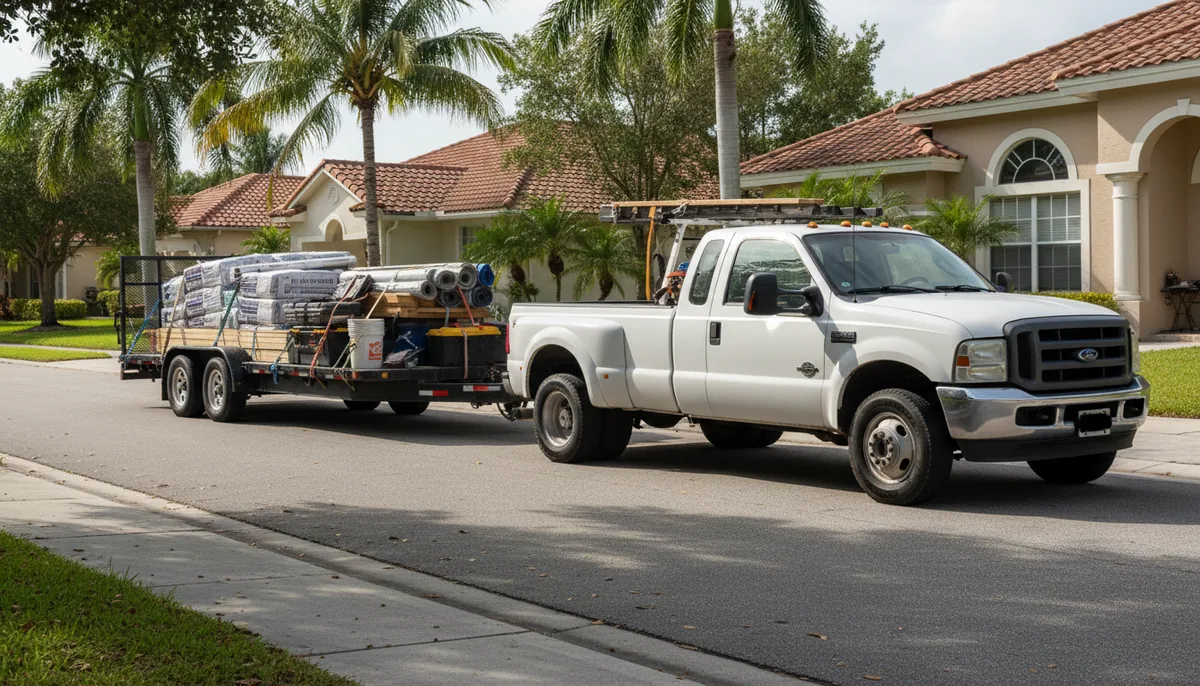
Florida roofing license exam: A Working Contractor's Take
By Tobias Reyn, Roofing business owner. Reviewed by Hal Winstead, Editor, licensed roofing contractor. I was thirty feet up on a steep hip roof in Lakeland, sweating through my shirt by nine in the morning, when the homeowner came out and yelled that his insurance adjuster had already been there and "flunked" the roof. The adjuster hadn't climbed a ladder. He'd circled the house, taken pictures from the street, and written up a report that cited a Florida Building Code section that didn't apply to a repair. That afternoon, I learned a hard lesson: the code is a living thing, and if you don't know it's history, you'll get buried by a guy in khakis with a clipboard. That's why I'm writing this for the contractors coming up behind me. Before you pull your first permit or sit for any roofing companies in Florida list, you need to know what the license actually asks of you.
The florida roofing exam isn't a formality. It's a filter. It will ask you about the building code, about business law, about contracts, and about the specific rules that govern who can pull a permit and when. And here's the thing nobody tells you: the exam is the easy part. The hard part is staying current once you're licensed, because the rules changed under our feet in 2022, and I've met master roofers who still quote the old percentage rule like it's scripture.
You don't need to know everything about roofing to pass. You need to know everything about how roofing is regulated in Florida. That's a different beast.
What the florida roofing exam actually tests
The florida roofing exam is heavy on the administrative side of the trade. They want to know if you can run a business without getting sued, not just wether you can lay shingles straight. You'll see questions about workers' comp, about lien law, about the difference between a contract and a change order. And yes, you'll see code questions. But the code sections they test are usually the ones that trip up contractors in the field—like the 25% rule that used to trigger a full re-roof.
I took the exam twice. First time, I failed by three points. I was a better roofer than half the guys who passed, but I didn't study the business side. Second time, I treated it like a job. I studied for six weeks, two hours a night. Passed comfortably. The guys who fail are the ones who think their experiance in the sun is enough. It isn't.
The exam is a gatekeeper. It's designed to keep out the guys who will pull a permit, do half the work, and disappear. If you're reading this and you're thinking about taking the exam, my advice is to respect it. It's a closed book, but the answer key is the Florida Building Code and the DBPR rules. If you've read both, you'll pass.
The CCC and RC prefixes are your first job
Here's where I see contractors screw up their own marketing. The DBPR licence prefixes CCC and RC tell you everything about the scope of a license. CCC is certified—that's the one that lets you work anywhere in the state. RC is registered—that's the one that only lets you work in the local jurisdiction that issued it. If an RC guy crosses county lines, he's working illegally. I've seen it happen. It always ends badly.
And for the love of your liability insurance, never call an RF number a roofing license. RF is not a roofing prefix. It denotes a registered plumbing contractor. I saw a directory once that listed a plumbing contractor as a roofer because someone googled "RF roofing license florida" and made an assumption. That's how lawsuits happen. Always verify the number is active before you hire, and always check the prefix.
I have been wrong about this before. Early in my career, I hired a guy who had an RC license and promised me he could work anywhere in the state. He was a good roofer. He was also unlicensed for half the jobs he took that year, and when a homeowner complained, the DBPR came down on him like a brick. Don't be that guy.
How the 25% rule shifted on me mid-career
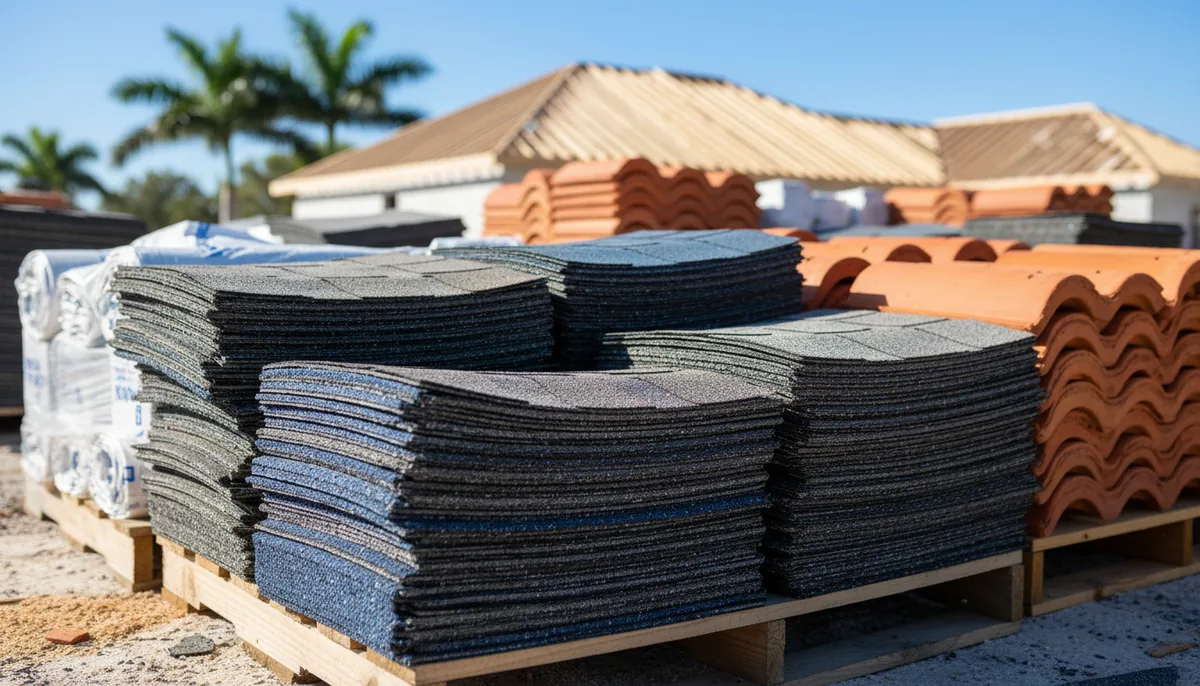
I want to tell you about a specific roof in Naples that nearly cost me my shirt. It was an older home, built in the nineties, with a tile roof that had a leak in one quadrant. The homeowner wanted a repair. The local building department told him he had to re-roof the whole thing because we were replacing more than 25% of the surface. That was the old rule, straight out of the Florida Building Code. No more than 25% of a roof could be repaired or replaced in any 12-month period without bringing the whole roof up to current code. It was a blunt instrument, and it forced alot of homeowners into full replacements they didn't need.
Then SB 4-D (2022) changed the game. It went into effect on 26 May 2022. Under the new law, if the roof was built, repaired, or replaced under the 2007 Florida Building Code or any later edition, then only the portion being worked on needs to meet current code. The 2007 edition took effect on 1 March 2009. So roofs completed before that date generally don't qualify for the partial repair exemption. Got it? Pre-2009 roof? You're likely dealing with the old 25% trigger. Post-2009? You can repair a section without dragging the whole roof into a full replacement.
That Naples job? We got lucky. The roof was from 2011, so the SB 4-D exemption applied. We repaired the one leaky quadrant, passed inspection, and the homeowner didn't have to mortgage his house for a new roof. If that same call had come in 2018, he would have been on the hook for a full re-roof. That's the difference a law change makes. And it's why you need to know what code edition applies before you quote a repair.
The 25% rule, explained like I'd explain it on a roof
Let me break this down for the guys who haven't touched a code book since they passed the roofing license exam florida requires. The old 25% rule was a hammer. It said that if your repair touched more than a quarter of the roof's area, you had to bring the entire roof envelope up to the current code. That meant new decking if the old decking didn't meet current standards, new underlayment, new flashings—the whole nine yards. For a homeowner with a small leak, that was a nightmare.
SB 4-D (2022) took the hammer away for newer roofs. Now, if a roof was built to the 2007 code or later, you can repair a section and only that section has to meet current code. But there's a catch. The rest of the roof still has to be "sound" and meet the old code standards. If the surrounding roof is rotting or failing, the inspector can still flag it. And if the roof was built before 2009, under the older code, you're back to the 25% rule. There's no statewide database that tells you which code edition a roof was built to. You have to check the original permit records at the local building department.
This is where a working contractor earns his keep. I've walked into jobs where the homeowner had a quote from a big-box company that said the entire roof needed replacing. I checked the permit history, found the roof was from 2014, and gave them a repair quote for a third of the price. They thought I was a magician. I was just reading the code.
Permits are not optional, no matter what your buddy says
Every roof replacement in Florida requires a permit pulled from the local building department and an inspection. Every one. There is no "skip the permit" loophole that ends well. I know a guy in Fort Myers who did a full tear-off on a Saturday, no permit, cash deal. The homeowner's neighbor ratted him out. The building department made him tear off the new roof and redo it with inspections. He ate 40 grand in materials and labor. I heard he quit roofing after that.
An unpermitted roof can complicate both an insurance claim and a future sale. If the roof goes on your policy and you file a wind claim, the adjuster can ask for the permit records. No permit? The claim can be denied. And a home inspector will flag an unpermitted roof during a sale, which kills the deal or knocks tens of thousands off the price. Nobody wants to buy a roof that wasn't inspected.
What I would actually do: If a homeowner asks me to skip the permit, I tell them no. I explain the consequences once. If they push back, I walk. I've walked away from a few jobs. I've never regretted it.
How to verify a license without getting scammed
The DBPR has an online license lookup. It's free. Use it. You can check the license number, the prefix, the status, and whether there's any disciplinary action on file. Every contractor should have their license number printed on their estimate. If they don't, that's a red flag. If they give you an RF number and call it a roofing license, walk away. RF is for plumbing contractors, and anyone who tells you otherwise is either ignorant or lying.
I've seen homeowners get burned because they trusted a guy with a magnetic sign on his truck and a handshake. The sign said "Roofing & Remodeling." The license said RC, which meant he was only allowed to work in one jurisdiction. He was roofing in three counties. When the homeowner tried to make an insurance claim after a storm, the insurance company found the license didn't cover the work area, and the claim was denied. The roofer had vanished by then, of course.
What I would actually do: Before I hire any subcontractor, I look up their license on the DBPR roll while they're standing in my driveway. If they hesitate, they're gone. It takes thirty seconds. There's no excuse.
Insurance follow-form letters and the forms nobody reads
I'm not a lawyer. I'm not a licensed adjuster. But I know enough to tell you what to look for. When you file a claim for roof damage, your insurance company might send you a form called a "follow-form" letter. It's a legal document that references your policy's specific provisions. Coverage varies by policy, so I can't tell you what yours covers. You have to read your declarations page.
In Florida, there's a specific statute that governs roof replacement settlements. It's Florida Statute 627.70132. It addresses the payment of replacement cost benefits for roofs. And there's a form, form OIR-B1-1802, that insurers use to provide a disclosure about roof claims. Don't sign anything without understanding what it says. If you don't understand it, get a lawyer. I've seen homeowners sign away their rights because they thought the form was routine.
There's also the matter of who's paying for the roof. Citizens Property Insurance Corporation is the state-backed insurer of last resort. If you have a policy with them, their rules are different from a private carrier. And My Safe Florida Home program provides grants for hurricane mitigation, which can include roof replacements. I've driven past dozens of houses with the "My Safe Florida Home" inspection sticker on the window. That program is real, and it can help homeowners afford a stronger roof. But it's not a substitute for reading your own policy.
Questions I get asked
How long do I have to wait before I can take the exam again if I fail?
You can retake the florida roofing exam as soon as the DBPR allows, usually after a waiting period that depends on the type of license you're applying for. In my experience, the waiting period is a few months. Don't rush it. Spend that time studying the Florida Building Code chapters on roofing and the business law sections. I failed once, waited, studied harder, and passed. The second attempt was a completely different experience.
Do I need a roofing license to repair my own roof in Florida?
If you own the home and you're the one doing the work, you can usually repair your own roof. But the work still has to get a permit and pass inspection in most jurisdictions. And if you're hiring someone else to do it, they have to be licensed. There's no "handyman" exemption for roof work that I've ever seen.
What's the difference between a certified and a registered roofing contractor?
A certified roofing contractor holds a license begining with CCC and may work anywhere in the state. A registered roofing contractor holds a license beginning with RC and may only work in the local jurisdiction that licensed them. If you see an RC license, ask to see their county or city registration. If they don't have one for your area, don't hire them.
Can I hire a roofing contractor who doesn't have a license if they're just doing a small repair?
No. Roofing work in Florida requires a license, period. Even a small repair can turn into a big liability if it's done wrong. And if the contractor doesn't have a license, they probably don't have insurance either. That's a recipe for getting sued if they fall off your roof and blame you.
How do I find out if my roof qualifies for the partial repair rule?
You need to know the age of your roof and whether it was built to the 2007 Florida Building Code or later. Check the original permit records at your local building department. If the roof was completed before March 2009, it likely doesn't qualify, and the old 25% rule may apply. If it's newer, you can probably repair just the damaged section.
What should I do if an insurance adjuster tells me I need a full replacement when I only have a leak?
Get a second opinion from a licensed roofing contractor who knows the current rules. The adjuster isn't always right. I've seen adjusters quote the old 25% rule years after it was changed. If your roof is newer than 2009, you may have rights you don't know about. Call a roofer who's actually been on a roof recently, not just one who looks at satellite images.
More from the site
- Florida roofing license books: A Working Contractor's Take
- How to obtain a roofing license in florida: A Working Contractor's Take
- How to get florida roofing license: A Working Contractor's Take
- Sell a roofing business in florida: A Working Contractor's Take
- Florida roofing license search: A Working Contractor's Take