Florida room roof repair: The Florida Guide
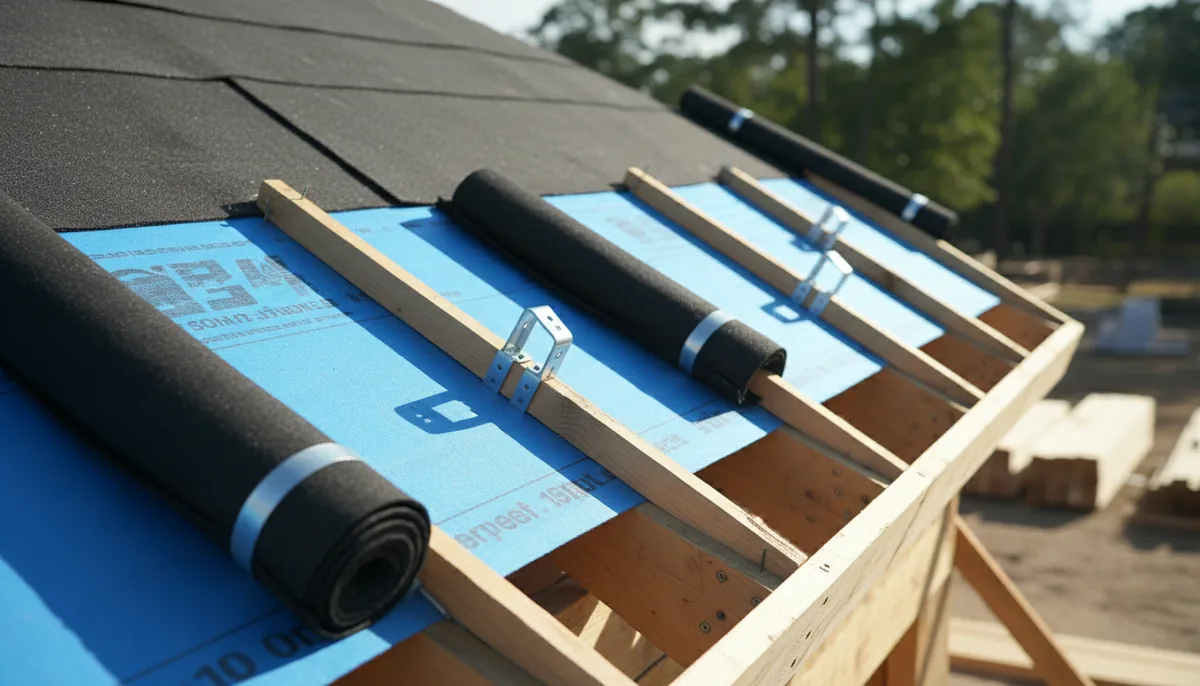
By Dale Prescott, Roofing contractor, Central Florida. Reviewed by Hal Winstead, Editor, licensed roofing contractor. That afternoon in Merritt Island, the sky went the color of a bad bruise and the wind came in sideways off the river. We’d stripped half the tile off a lanai roof that morning, and the owner—a sweet retired fellow from Ohio—kept asking if we could “just patch it up good.” He watched the radar on his phone while we worked. Then the rain hit and we watched the whole uncovered section pour into his Florida room like a waterfall. Not his fault. Mine for starting a tear-off with wheather that close.
When you call about roof repair companies in Florida, you are going to get a dozen different answers about what your roof needs, what the county will allow, and what your insurance will actualy pay for. I of been on both sides of that conversation for twenty-two years now, running tile and shingle crews between Orlando and the coast, and I have torn off more storm-damaged roofs than I care to count. So let’s talk about the Florida room roof repair the way I would explain it to a neighbor over a fence.
The first thing to understand is that your Florida room roof is not a different animal. It is a roof. It has decking, underlayment, flashing, and a covering. It just happens to be attached to a room you actually live in, which means a leak there ruins your TV and your tile floor instead of just your attic insulation. Same rules apply. Same inspections. Same everything.
The license check is not optional
Florida roofing contractors are licensed by the Department of Business and Professional Regulation, the DBPR. A certified contractor’s license starts with CCC and they can work anywhere in the state. A registered contractor’s license starts with RC and they are only supposed to work in the local jurisdiction that issued it. I have seen registered guys hop counties and it never ends well.
Pull up the DBPR roll before you let anyone on a ladder. It takes two minutes. If the number does not come back active, do not hire that person. I do not care how good their Facebook page looks or what their cousin told you. A guy working without a license is not a bargain—he is a liability you are carrying for him.
The permit talk is where you learn everything
A roof replacement in Florida requires a permit from the local building department, and it requires an inspection. Full stop. If a contractor tells you they can skip the permit to save you money, what they are really telling you is that they know they will not pass inspection. Walk away from that one.
Here is what the permit buys you: a second set of eyes from the county and a paper trail. An unpermitted roof can complicate an insurance claim later, and it can absolutely kill a home sale when the buyer’s attorney starts pulling permit history. I have had to tell more than one homeowner, years after the fact, that the nice roof they paid for has no record of ever being approved. That is a hard conversation.
The roofing contractor pulls the permit in their name. You should of ask to see it before work starts. If they hesitate, you have your answer.
The 25% rule changed and you need to know it
For years, the old rule was that if you repaired more than a quarter of your roof in any twelve-month period, you had to bring the entire roof up to current code. People called it the 25% rule. It made jobs bigger and more expensive than folks expected. I applied it more times than I can count.
SB 4-D, which took effect in May of 2022, changed the math. Here is the plain-language version: if your roof was built, repaired, or replaced under the 2007 Florida Building Code or any later edition, then only the portion you are actually working on has to meet current code. A full replacement is no longer automatically triggered by patching a bigger section.
The catch is the date. The 2007 code took effect on March 1, 2009. If your roof predates that, the old rule generally still applies to you. So the age of your roof matters more than the size of your repair. I have been wrong about this before when I guessed a roof’s age on sight, so check your paperwork before you plan a budget.
What I would actually do
What I would actually do: Look up the permit history on your property first. Find out exactly when that roof was built and what code cycle it falls under. Then you and your contractor are arguing from facts instead of guesses.
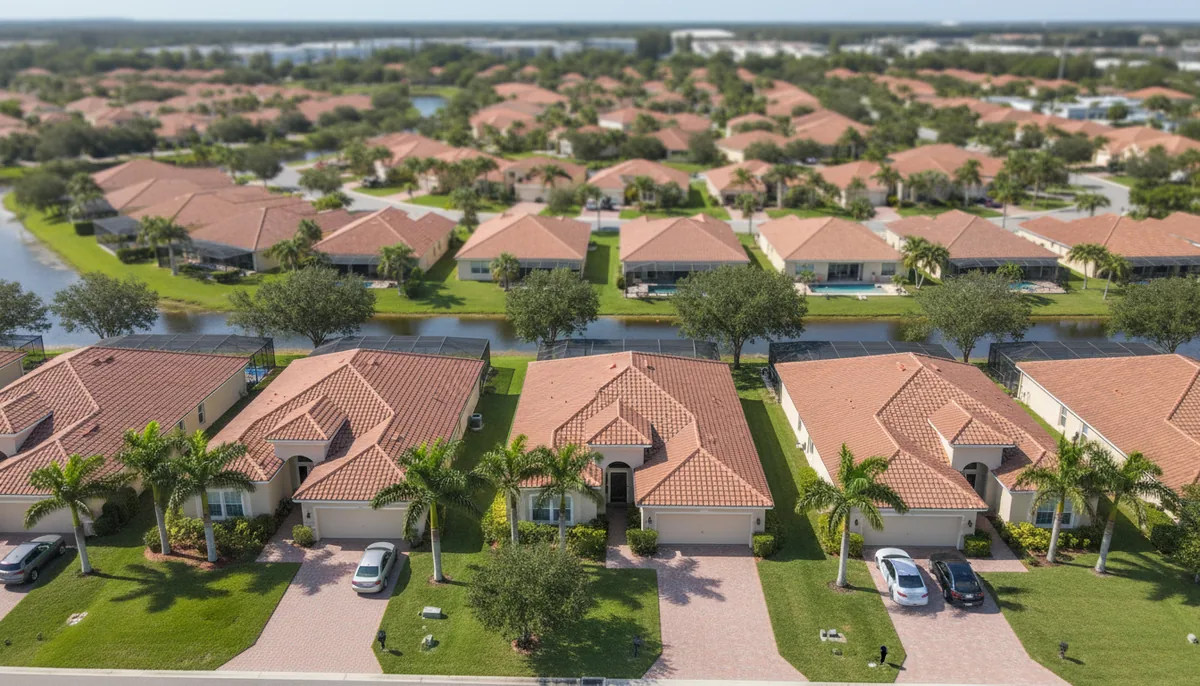
Wind mitigation is a discount you are probably leaving on the table
Florida insurers are required to offer premium discounts for certain features that make a roof stand up better to storms. A wind mitigation inspection documents six things: the roof covering, the roof deck attachment, the roof-to-wall connection, the roof geometry, secondary water resistance, and opening protection. The standard form is OIR-B1-1802.
The inspection costs far less than the annual discount it can open up, in most cases. But the discount only happens if you request it and submit the form to your insurer. Insurance companies are not going to hand you money you never asked for. That is not how the business works.
What qualifies varies from house to house. A hip roof performs better than a gable. Ring-shank nails beat smooth nails. If there is a secondary water barrier under the shingles, that counts. The inspector documents what is there, not what you wish was there.
What I would actually do: Before you file a claim for a leak, pay for a wind mitigation inspection. It usually pays for itself in one renewal cycle. And regardless of the roof's condition, make sure your claim is based on actual storm damage, not age-related wear. Read your policy’s declarations page to see what your deductible and limits actually are. Coverage varies by policy, and nobody here can tell you what yours says.
The Citizens question and the age issue
If you are with Citizens Property Insurance Corporation, you have probably heard that they are pushing policyholders toward private carriers. That is real. But there is another layer here that catches people off guard. If your roof is older, some policies pay you based on depreciated value, not replacement cost. Read your declarations page. It will tell you what kind of coverage you bought.
I get asked constantly wether an insurance claim will cover a repair. My answer is always: maybe. I am not a licensed adjuster and I do not play one on the internet. What I can tell you is that storm damage documented properly is a different thing from wear and tear. Florida Statute 627.70132 is the piece of law that governs roofing assignments and claim solicitation—you should know that number exists because it affects how roofers can even talk to you about claims. The statute restricts what we can offer and how we can solicit. That is a good thing. It cuts down on the storm chasers.
My Safe Florida Home
If you want to harden your home and you live in an eligible area, the My Safe Florida Home program is worth your time. It provides a free home inspection and, in some cases, grants to match your spending on improvements like roof upgrades. The demand is high and the funding comes and goes, so apply and wait. It beats paying full freight for a new deck if you can get help.
Questions I get asked
Do I really need a permit for a small repair?
Yes. If you are replacing less than a square or two of shingles, the rule still applies, and the county still wants the inspection. I know it feels like government overreach for a small patch. I also know that a permit inspection caught a fastener pattern issue on a small job that would have failed in a storm six months later.
How do I know if my roof is too old to repair?
Find your permit history and your insurance policy date. If the roof was installed before 2009, the old 25% rule likely applies to you and a larger repair may trigger a full replacement. If it is newer than that, SB 4-D generally limits the code requirement to the area you are working on.
Can my roofer talk to me about filing an insurance claim?
There are legal restrictions on how we can discuss assignments and claims. A legitimate contractor will tell you to call your agent and report the damage. A roofer who shows up at your door promising to handle everything with your insurance and starts talking about waiving your deductible is a red flag big enough to signal a ship.
What is the difference between certified and registered?
Certified means a CCC license and the ability to work anywhere in Florida. Registered means an RC license limited to the local jurisdiction that issued it. Check the DBPR roll to confirm which one you are dealing with and whether it is active.
Will a wind mitigation inspection really save me money?
It depends on what your house has. If you have a hip roof with proper deck attachment and secondary water resistance, the discount can be significant, and it renews every year. The inspection costs a fraction of the potential savings. If your roof has nothing qualifying, you are out the inspection fee. But you will not know until you look.
How long does a tear-off actually take?
A small Florida room roof can be stripped, inspected, and recovered in a couple of days if the weather cooperates and the decking underneath is solid. If the plywood is rotten, it depends on what is under there. I have opened up roofs that looked fine from the street and found sheathing that crumbled like a cracker. That is when the estimate changes and the phone call to the homeowner gets awkward.