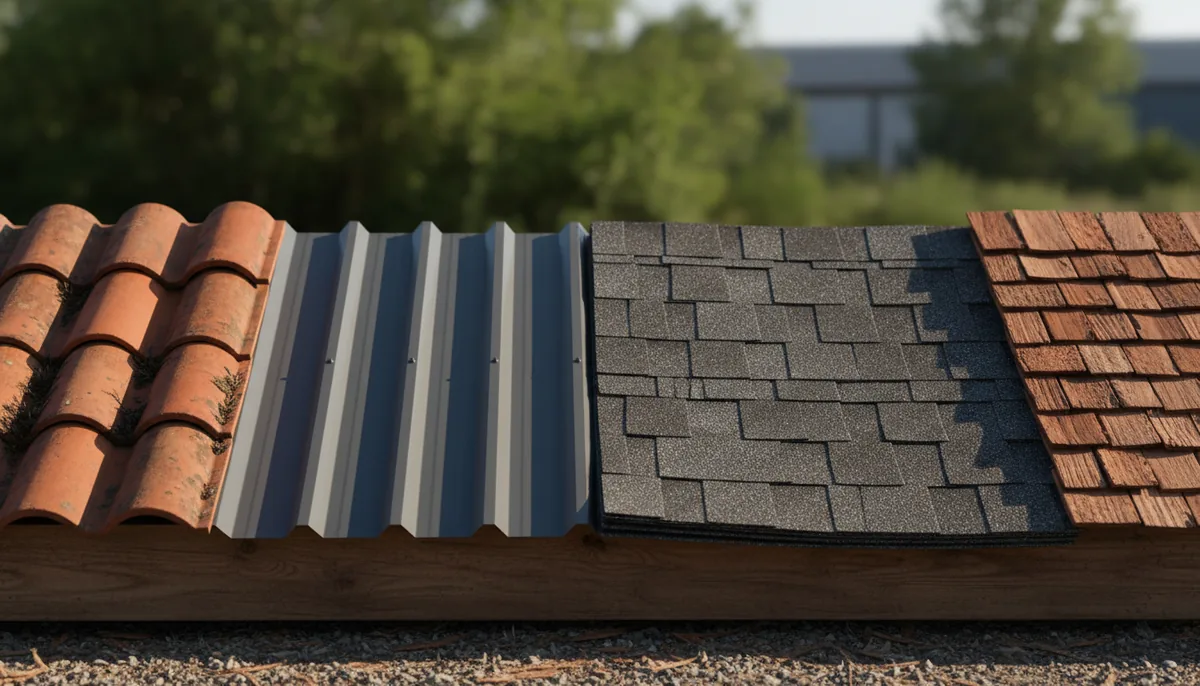
How long is a roof good for in Florida
By Bud Kettering, Roof consultant and inspector. Reviewed by Hal Winstead, Editor, licensed roofing contractor. I was up in a truss space in Madeira Beach last July, sweating through my third attic of the day, when I found the real problem wasn't the leak the homeowner had called about. It was the roof that had been installed over the old one—two layers of shingles trapping moisture like a sponge. The wood deck underneath had turned to mulch. The homeowner told me the roof was "only eleven years old." She wasn't lying. She just didn't know the second layer didn't count.
That's the thing about Florida roofs. Age is a starting point, not an answer. The real question isn't how old the shingles are. It's what's under them, what's on top of them, and what your insurance company is going to say when the next hurricane rolls through. If you're asking how long is a roof good for in Florida, you need to talk to somebody who has crawled through enough of them to know the difference between a roof that's aging and a roof that's already done. When you need that person, the roofing companies in Florida directory is where I'd point you first—they verify licences against the DBPR roll so you don't get stuck with a guy who can't legally finish the job.
I've been doing this since before the 2004 hurricane season beat the tar out of half the state. I've inspected roofs after every major storm since. I'll tell you straight: a roof's lifespan in Florida is not a fixed number. It's a negotiation between the sun, the wind, the water, and whoever installed the damn thing in the first place.
The short answer nobody wants to hear
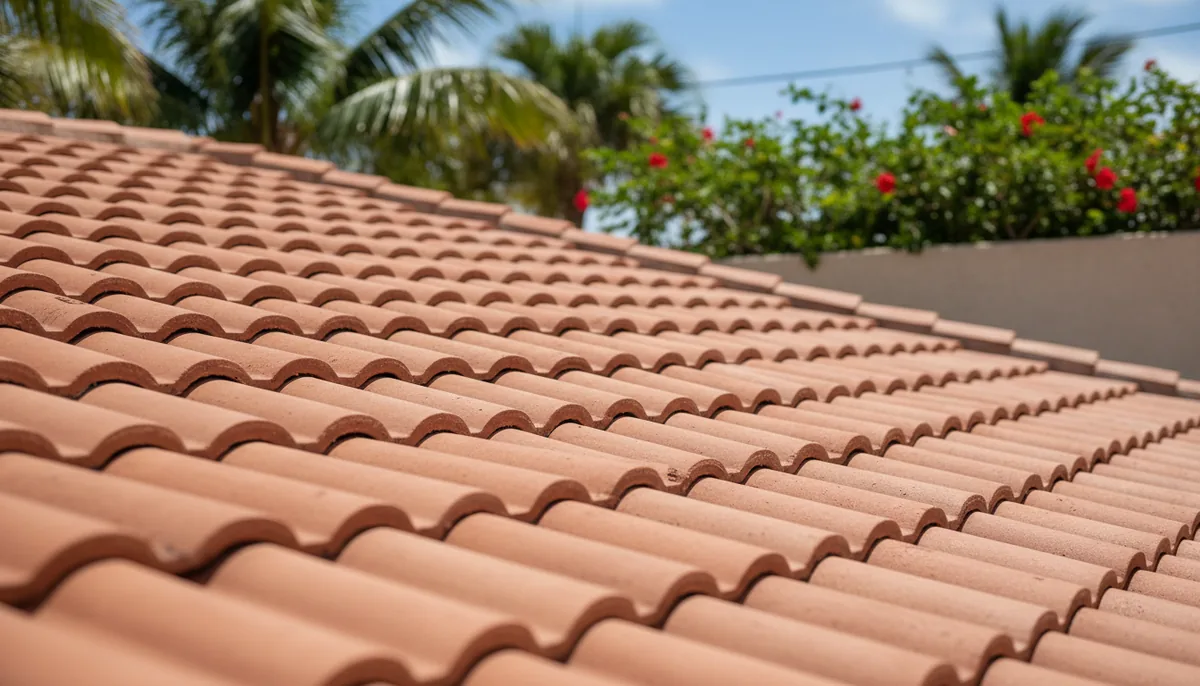
Call it fifteen to twenty years for asphalt shingles if you're lucky and the install was clean. In practice, I see shingle roofs failing at twelve. I've seen tile roofs that look fine at thirty years—and I've seen tile roofs hiding rotted decking underneath because the underlayment gave out a decade earlier. Metal can go longer, but it depends what's under there and how the flashings were done.
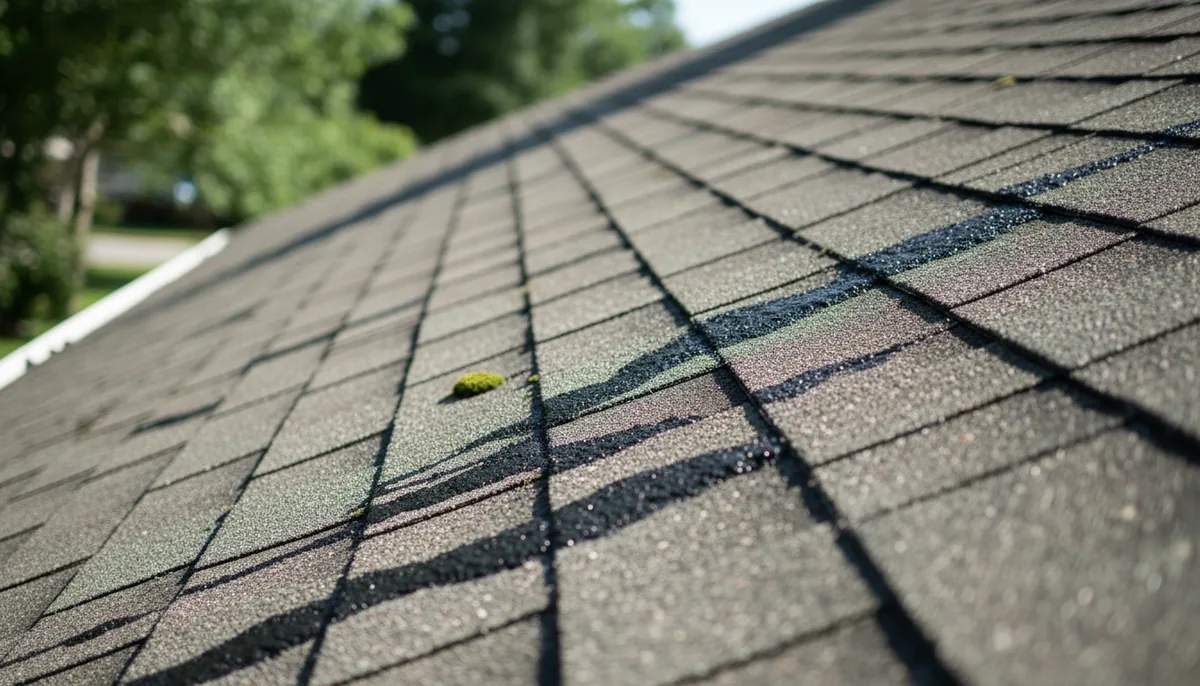
The sun is the real killer down here. The UV eats the granules off shingles, then the fiberglass mat starts baking, then the whole thing loses it's flexibility. A stiff shingle doesn't shed water—it cracks. And once water gets under a shingle, it's not coming back out. That's why so many old roofs in Florida fail not during the storm, but weeks after, when the sun comes back out and the trapped moisture starts cooking.
But I have been wrong about this before. I've called a roof "fine for another five years" and watched it lose half its shingles in a tropical storm. I've also called a roof "done" and had the homeowner show me paperwork proving it was replaced three years ago by a contractor who used the wrong materials. You can't know without looking.
Florida roofing insurance is rewriting the rules
Here's where the age question gets complicated. Your insurance company doesn't care about the same things you do. You care about leaks. They care about the cost of replacing the whole roof after a storm—and they've decided that old roofs cost them too much money.
The state got hit with a bunch of insurance company failures and rate hikes, and the legislature responded with SB 4-D (2022) and other changes. Florida Statute 627.70132 gave insurers the right to demand that you replace an old roof before they'll even write a policy. That's why you'll see a carrier balk at a fifteen-year-old shingle roof even if it looks fine from the street. They're not in the business of betting on aging asphalt in a hurricane zone.
I can't tell you what your specific policy covers. Coverage varies by policy, so you need to read your declarations page and see what it says about age and condition. But I can tell you what I see on the ground every week: roofs that would have been insurable five years ago are getting non-renewed now. The carriers want to see a newer roof, period, or they want you to pay alot more.
How often to replace roof in Florida—the practical version
If you own a home here, budget for a roof replacement somewhere between years fifteen and twenty, and feel blessed if it makes it past that. If you've got a policy that demands replacement at fifteen, then you're on a fifteen-year clock wether you like it or not. That's not me being dramatic—that's the reality of the insurance market.
One digression, because I can't help myself. I had a customer in Tampa argue with me for twenty minutes that his twenty-two-year-old roof was "still good" because his gutters were full of shingle granules and he thought that meant the shingles were shedding weight so they'd last longer. No. That's the roof dying from the top down. I don't know who started that myth, but I'd like to have a word with them.
Here's what actually matters for lifespan in Florida: roof pitch. A steep roof sheds water and takes less of a beating from the sun's angle over time. A low-slope roof, anything under 3/12, is a different animal entirely—they hold water, they grow algae faster, and they fail sooner. If you've got a flat or low-slope roof on a Florida home, shingles were probably the wrong call from day one. I see a lot of modified bitumen and single-ply membranes on those, and they have their own lifespan, usually shorter than you'd hope.
What I would actually do: When I inspect a roof for a buyer, I'm not just looking at the surface. I'm checking the decking from underneath with a moisture meter. If the wood is dry and solid, age matters less. If it's wet or punky, the roof is done, no matter how new the shingles look. That's the first thing I'd tell you to do before you buy a house with a newer roof.
The permit and licence thing will bite you later
A roof replacement in Florida requires a permit from your local building department, and it requires an inspection. A contractor who offers to skip the permit is a contractor to walk away from. I've seen it happen too many times: homeowner wants to save a few bucks, contractor says "we'll pull it after," nobody pulls it, and then the insurance adjuster shows up after a storm and asks to see the permit records. Or the buyer's inspector finds out the roof was never permitted and the sale falls apart.
Florida roofing contractors are licensed by the Department of Business and Professional Regulation. A certified contractor has a licence begining with CCC and can work anywhere in the state. A registered contractor has a licence beginning with RC and is limited to the local jurisdiction that licensed them. I always tell people to verify the number is active on the DBPR roll before hiring anybody. It takes two minutes and it's a free background check on their right to work at all.
The worst part is the guy who "doesn't do permits" usually isn't cheaper in the long run. He's just shifting the risk to you. When the roof leaks and you call him back, he's gone. When you try to sell the house five years later, the buyer's attorney finds the unpermitted work and you're paying to rip off a perfectly new roof to redo it with a permit. I've seen that happen more than once.
Wind mitigation inspections are worth your money
Here's one thing that's actually good news for Florida homeowners. A wind mitigation inspection documents your roof covering, deck attachment, roof-to-wall connection, roof geometry, secondary water resistance, and opening protection. Done right, it uses form OIR-B1-1802. Florida insurers are required to offer premium discounts for qualifying features, and that inspection typically costs far less than the annual discount it can open up.
If you've got a roof with the right clips and straps, a hip geometry instead of a gable-end, and proper secondary water resistance, that discount adds up. I've seen homeowners literally save the cost of the inspection in the first year of the discount. And if you're near the coast, wind mitigation can be the difference between an insurance policy you can afford and one that empties your bank account.
What I would actually do: Before you file a claim on a damaged roof, get a wind mitigation inspection done if you don't already have one on file. It gives the adjuster and the carrier a clear picture of what was actually there. And if you're looking at replacement, ask the contractor how the deck attachment will be documented for wind mitigation. A better attachment can mean a better discount.
The My Safe Florida Home program has helped homeowners with wind mitigation improvements and inspections, though funding comes and goes depending on the legislature. If you can get a grant for hardening, take it. Anything that ties your roof down better to the walls matters in this state.
Don't trust the age sticker on the shingle bundle
You'd be surprised how many times I've walked a roof where the homeowner said "it's only eight years old" and I found the shingles were actually fifteen—because a flipper painted the roof or coated it with something that hides the wear. Other times the roof tape that records the installation date has worn off or was never put there. The shingle itself has a tab that tells you the manufacturer and the plant, but not the install date. You need paperwork.
If you've got a newer roof and you don't know how old it actually is, check your closing documents. If you don't have those, your insurance policy might have the age recorded. If you still can't find it, call the local building department and ask for the permit records. If there's no permit record, well, now you know something importent.
Questions I get asked
How long is a roof good for in Florida anyway?
For asphalt shingles, plan on fifteen to twenty years if it was installed right and you're not on the coast. In practice, a lot of roofs won't make it past year fifteen just because of sun and storm exposure. Tile and metal can last longer, but the underlayment underneath them is still a twenty-year item—so the roof structure might be fine while the water barrier is not.
Will my insurance company force me to replace my roof?
They might. Florida Statute 627.70132 and other rules allow insurers to factor in roof age and condition when deciding whether to write a policy. Some carriers are requiring replacement for roofs over a certain age. Check your policy and any notices from your insurer. If they non-renew you, you might have to find coverage through Citizens Property Insurance Corporation or another carrier, and the roof age is usually a big part of that conversation.
How do I know if my roof is really failing?
Look for shingle granules in the gutters, curling or cracked shingles, and any daylight showing through the roof deck in the attic. If you see dark stains on the plywood decking from below, water has been getting in. A moisture meter in the hands of someone who knows what they're doing will tell you more than a visual inspection from the ground ever will.
What is a wind mitigation inspection worth?
It's an inspection that documents how your roof is attached to your house and how well it resists wind. It typically uses form OIR-B1-1802, and Florida insurers must offer discounts for qualifying features. The inspection itself usually costs less than the annual premium discount it can open up. It pays for itself pretty quickly if your roof qualifies.
Should I buy a house with a seventeen-year-old roof?
That depends on the price and the insurance. You might get a policy on it, or you might not. Before you sign anything, get a licensed roofing contractor to inspect it, not just a home inspector doing a visual from the ground. If the decking is dry and solid and the shingles aren't too worn, you might have a few years left and a negotiation point on price. If it's marginal, factor a replacement into your offer.
Is a metal roof worth the extra money in Florida?
A lot of times, yes. Metal roofs can outlast shingle roofs by a wide margin if they're installed with the right materials and details. But a cheap metal roof installed poorly will fail just as fast as a cheap shingle roof. The metal doesn't make up for bad flashing work or missed fasteners. The roof-to-wall connection still matters more than the surface.
Look, I get why everybody wants a straight number. Nobody wants to spend twenty grand on a roof a year after buying a house. But the honest answer is that a roof in Florida is good until it isn't, and the insurance companies have started deciding that point for you. Get an inspection, check your policy, and don't let anybody talk you into a "cheap fix" that involves adding a layer instead of tearing off the old one. Your roof is the only thing between your living room and a Florida summer thunderstorm. Treat it like it matters.