
How much is a new roof in Florida: The Florida Guide
By Marcy Doleman, Commercial roofing estimator. Reviewed by Hal Winstead, Editor, licensed roofing contractor. The afternoon sun was doing that thing it does in August, cooking the low-slope TPO on a school in Kissimmee until the air shimmered. I was up there with a rep from the manufacturer, doing a walk-over to document hail claims for the district. We found the hail damage quick; that was easy. The scary part was when I put my boot down near a supply-air unit and felt the deck give like a trampoline. The roof looked okay from the parking lot. It wasn't okay.
That is the whole game in Florida. You can't price what you can't see, and what you can't see is usually where the money goes. If you are asking how much is a new roof in Florida, you are asking the right question, but you need to know why the answer is never a flat number. The best I can do is walk you through the variables that actualy move the price, the rules you will trip over, and the shortcuts that will cost you later. And if you'd rather sort through contractors yourself, this list of roof replacement companies in Florida is a fine place to start.
I estimate flat and low-slope commercial work for a living — warehouses, retail plazas, schools. I don't do steep-slope shingles on houses, but the laws and the headaches are the same. Give or take, the questions are universal. Let's dig in.
What actually moves the price on a Florida roof
People want a number, and I get it. But if I tell you "roofs cost X," you'll hold me to it, and then you'll hate me when your actual bid comes in higher. The price per square — that's a 10-foot by 10-foot area, or 100 square feet — depends on a few big things.
First is the roof's pitch and access. A single-story warehouse with a flat deck and a parking lot to stage materials is the cheapest roof you will ever buy. A school with a multi-story gym, a complicated parapet, and a courtyard where you have to crane everything over the gym is a different animal. Access costs money. I of priced the exact same membrane on two buildings side by side, and one came in thirty percent higher purely because of logistics.
Second is what is under there. We can lay new TPO over an existing membrane if the substrate is dry and sound. We can't lay it over wet insulation. The moment we find wet board or rusted deck, we are tearing off and starting over. That is the variable that blows budgets. Call it a fifty-fifty guess on any roof older than fifteen years.
Third is the membrane itself. TPO is the workhorse on flat commercial roofs down here because it handles the sun. Modified bitumen is still common on smaller buildings. Coatings can extend a roof's life but they aren't a new roof; they are a bandage, a good one, but a bandage.
The 25% rule and the change that saved us all
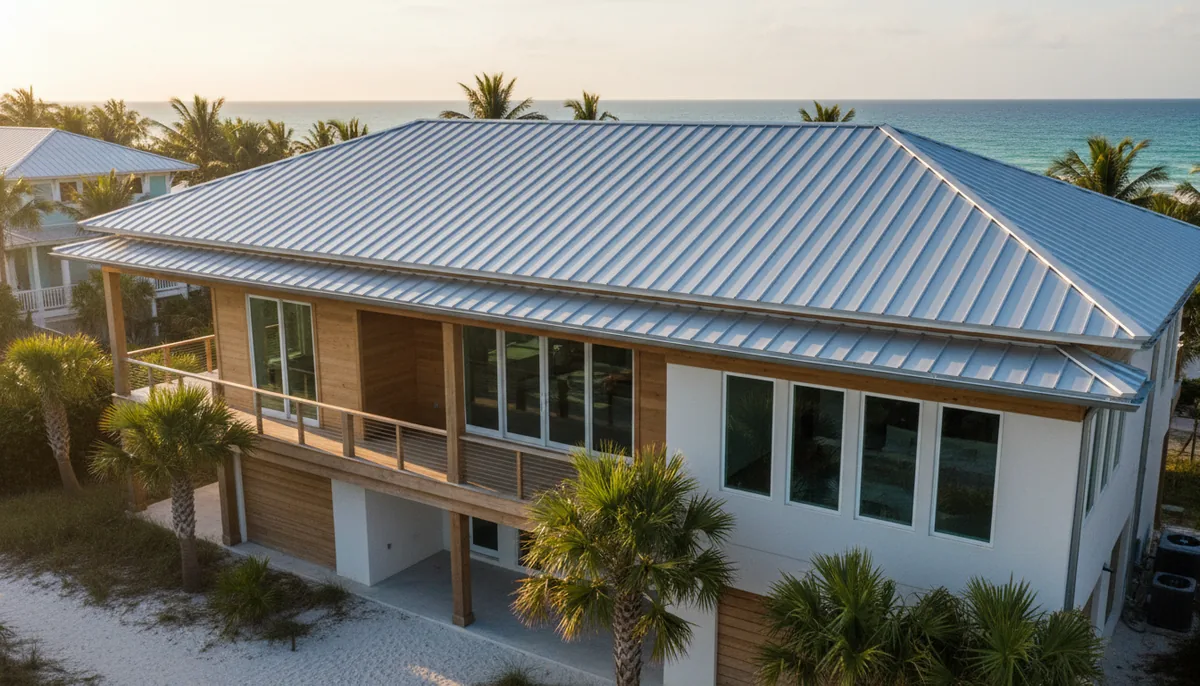
There used to be a nightmare called the "25% rule." The Florida Building Code said if you repaired or replaced more than a quarter of a roof in a 12-month period, you had to bring the whole roof up to current code. That meant a small leak could trigger a full replacement, it was a mess.
SB 4-D (2022) fixed that for most people. If your roof was built, repaired, or replaced under the 2007 Florida Building Code or a later edition, then only the portion you are working on needs to meet current code. A full replacement is no longer automatically triggered by a modest repair.
But there is a catch. The 2007 code took effect on 1 March 2009. If your roof predates that, the old logic can still bite you. I have been wrong about this before, and I have seen contractors be wrong about it too. If you have an older building, assume the code official is going to want the whole roof brought up to current standards before they sign off. Budget for it.
Who is actually allowed to touch your roof
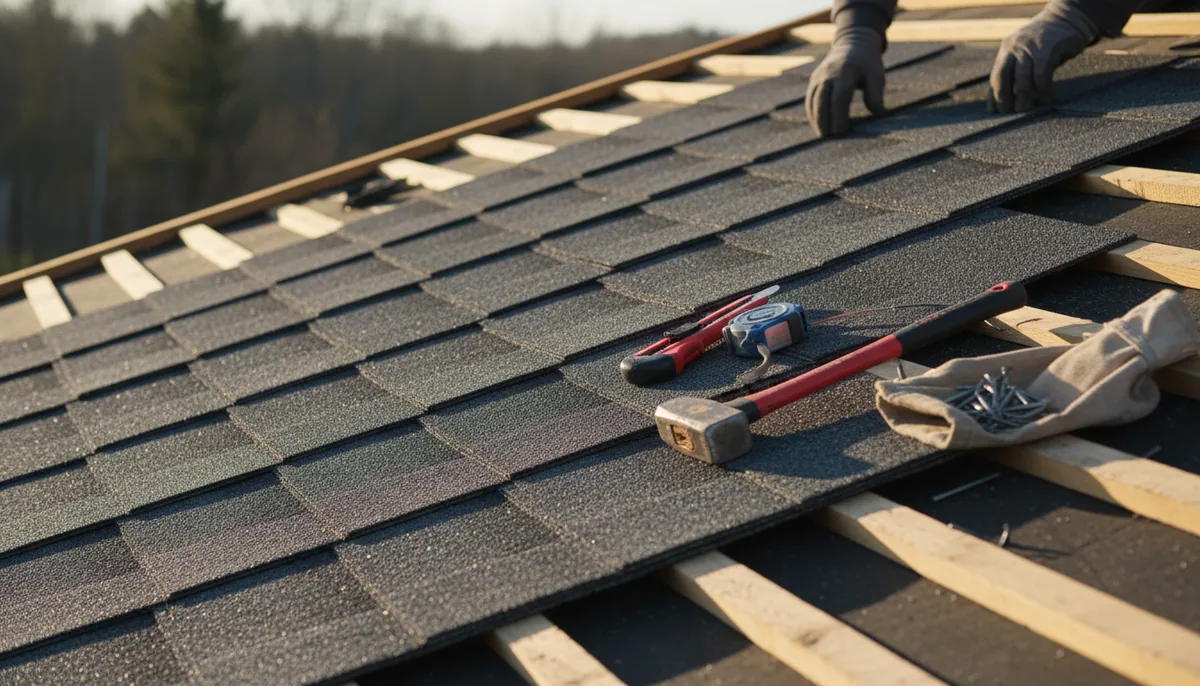
Florida contractors are licensed by the Department of Business and Professional Regulation, and the licence prefix tells you exactly how far they can go. A certified contractor has a licence begining with CCC and can work anywhere in the state. A registered contractor has a licence beginning with RC and can only work in the local jurisdiction that issued it.
The distinction matters. If you hire an RC contractor who promised you a great price but then pulls a crew from two counties over, that's a red flag. I always tell people to verify the number is active on the DBPR roll before the first ladder goes up. It takes two minutes and it saves you from a world of pain.
The same goes for the permit. A roof replacement in Florida requires a permit from your local building department, and it requires an inspection when the work is done. A contractor who offers to skip the permit is a contractor to walk away from. An unpermitted roof can complicate an insurance claim and it will absolutely complicate a future sale. Buyers and their inspectors check. I have seen deals die over an unpermitted roof that was only five years old.
What I would actually do: Pull the DBPR roll, type in their licence number, and screenshot it. Ask for their state certificate of competency. If they hesitate, you have your answer.

The insurance game and wind mitigation
Here is the part where the roof pays for itself, sort of. Florida insurers are required to offer premium discounts for properties with qualifying wind mitigation features. A wind mitigation inspection documents the roof covering, the roof deck attachment, the roof-to-wall connection, the roof geometry, secondary water resistance, and opening protection. The standard form is OIR-B1-1802.
The inspection costs a couple hundred bucks. The annual discount it unlocks is usually more than the inspection cost. I have seen warehouses in the Panhandle save hundreds a year just by having the right roof-to-wall connection documented. You can't get the discount without the form, and you can't get the form without the inspection.
Now the disclaimer. I am not a licensed adjuster and I don't write policies. Coverage varies by policy, so read your declarations page. The wind mitigation discount is set by statute, but the actual premium is your insurer's math. And if you are shopping for a new policy in this state right now, you already know the market is weird. Don't let anyone tell you a roof will automatically slash your premium; it might, but it depends on the insurer and the policy.
What I would actually do: Before I signed a contract to replace a roof, I'd call my insurance agent and ask what wind mitigation features they want to see documented. If they need a specific roof-to-wall connection, the time to plan for it is during the tear-off, not after the deck is closed up.
When your roof leaks and the insurance claim goes sideways
Somebody always asks about insurance coverage for a leak. The answer is almost always "it depends." A sudden storm blow-off is different from a slow leak that has been staining the ceiling for six months. Insurance is for sudden and accidental damage, not maintainance. I have stood in the rain with building owners who were furious that their policy didn't cover a fifteen-year-old roof that finally gave out. That isn't an insurance claim; that is a capital expense.
Do not rely on Citizens Property Insurance Corporation or any other insurer to tell you the roof is fine. They aren't in the business of maintaining your building. And do not rely on your contractor to tell you what your policy covers. Read your own declarations page. If it says "actual cash value" on the roof, then a ten-year-old roof is worth a fraction of what you paid. If it says "replacement cost," you're in better shape. This one document will determine how much you actually get after a hurricane.
How to actually get an honest estimate
Find a contractor who will walk the roof with you. Not one who sends a salesman with an iPad and an OEM price sheet. You want the estimator who climbs the ladder, pokes the soft spots, and asks what is in the deck. That is the person who will find the wet insulation before the job starts, not after the tear-off is done and the price has already tripled.
The proposal should list the membrane, the insulation thickness, the fastening pattern, the flashing details, and the warranty terms. If it doesn't, ask why. And get three of them. The lowest bid is not always the cheapest, and the highest bid is not always the best. The one that explains what they found on the roof is the one you want.
Questions I get asked
Is a roof replacement a permitted job in Florida?
Yes, and don't hire anyone who tells you differently. The local building department pulls the permit and schedules the inspection. If a contractor offers to save you the hassle by skipping it, they are also offering to cost you a future insurance claim or sale. Walk away.
Does the 25% rule still apply to my roof?
If your roof was built, repaired, or replaced under the 2007 Florida Building Code or any later edition, you are covered by SB 4-D (2022), and only the portion being worked on must meet current code. If your roof predates 1 March 2009, the old rule can force a full replacement. Check your records.
What is the difference between a certified and registered roofing contractor?
A certified contractor holds a licence beginning with CCC and may work anywhere in Florida. A registered contractor holds a licence beginning with RC and may only work in the local jurisdiction that licensed them. Always verify the number is active on the DBPR roll before you hire.
How much do wind mitigation inspections cost?
Less than the annual premium discount, usually. The inspection documents six features and produces the standard OIR-B1-1802 form. Your insurer must offer discounts for qualifying features. The roof deck attachment and the roof-to-wall connection are where the big savings are.
Can I just coat my old roof instead of replacing it?
Coatings are a legitimate option, but they aren't a new roof. A coating can extend the life of a sound membrane and keep a claim off your insurance record for a few more years. It won't fix wet insulation, a rotted deck, or terminal adhesion failure. I have seen coatings fail in a single Florida summer because somebody put it over a roof that was already dead.
How do I know if a contractor is legitimate?
Verify their licence on the DBPR roll, ask for their certificate of competency, and check that the number matches the name on the contract. Then ask for their worker's comp certificate and general liability certificate. If they can't produce those, they are not a company. They are a guy with a truck.