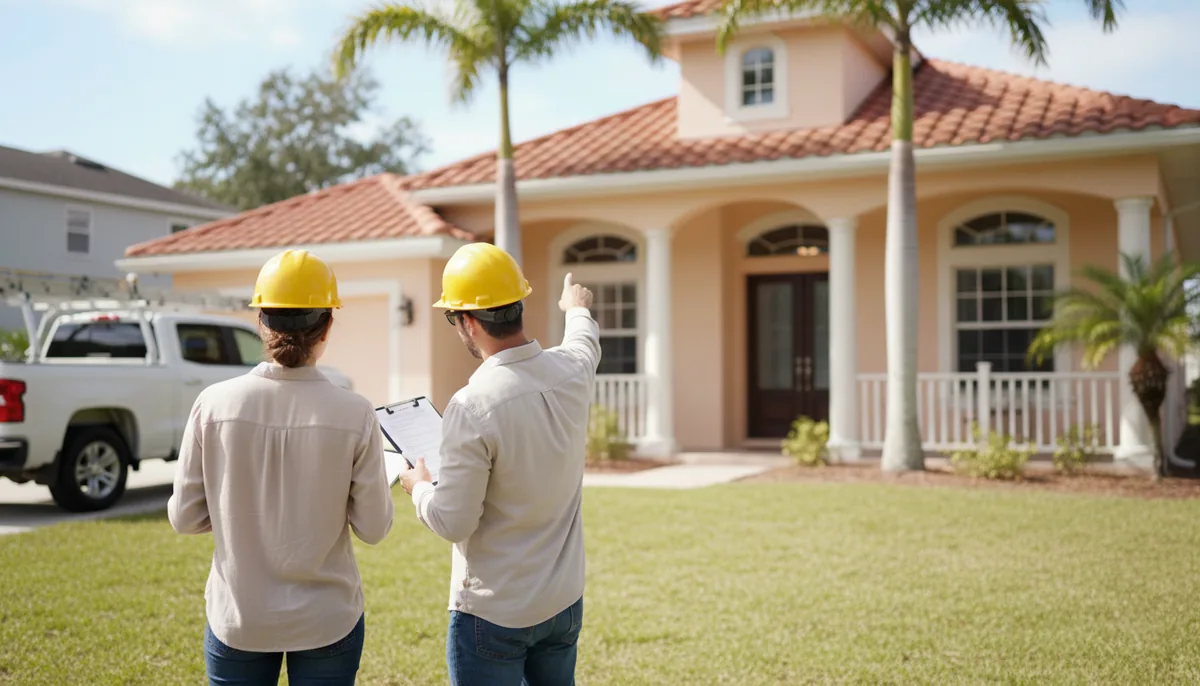
How old can a roof be for insurance in Florida: What Florida Homeowners Should Know
By Renata Alvarez, Former property claims adjuster. Reviewed by Hal Winstead, Editor, licensed roofing contractor. The afternoon I remember most was in Cape Coral, a July sky the color of a bad bruise. The homeowner, a retired mechanic named Mr. Anders, had a tile roof that was fifteen years old and leaking like a sieve after a squall that barely made the news. He was furious because I had to deny his claim. Not because the damage wasn't real—it was. But because the leak had started eleven months earlier, and he'd only just filed the paperwork. He kept saying, "But I just found it." He wasn't wrong about that. He was just wrong about the rules.
That conversation plays out every single day in Florida, and it's why I started writing this stuff down. When you're trying to figure out how old can a roof be for insurance in florida, you're asking the wrong question first. Age matters, sure. But the clock that usually kills a claim isn't the age of the roof—it's the age of the damage. And under Florida law, that clock is brutal. Before you even worry about shingles, you need to know that you've got one year from the date of loss to file an initial claim, not from when you noticed the problem. The whole system is stacked against waiting, which is why it pays to use a local pro who knows the drill. You can find a list of residential roofing companies in Florida that actually know how to document a loss properly, and trust me, that documentation is half the battle.
So let's talk about the age question, because it's not simple. Insurance companies don't have one magic number where they all say "no." But they all run the same math in their heads. A roof's useful life in Florida is generally pegged at 15 to 20 years for asphalt shingle, maybe longer for tile or metal. When you hit that 15-year mark, carriers start getting twitchy. They might still write the policy, but they'll often push you toward actual cash value coverage instead of replacement cost, or they'll require a wind mitigation inspection to prove your roof can handle the next hurricane. And if your roof is over 20 years old, you're in the danger zone where some carriers won't touch you at all. That's not a law, it's just underwriting. It depends on the company, their appetite for risk, and how badly they got burned last hurricane season.
The date of loss is everything, and nobody tracks it
I have denied claims that were perfectly legitimate because the homeowner waited too long to report the damage. It kills me every time. Under Florida Statute 627.70132, you've got one year from the date of loss to file an initial claim. For supplemental claims—say, your roofer finds more damage once they start tearing off the old shingles—you've got 18 months. This used to be three years, and the Legislature shortened it in 2022. A lot of folks still don't know that. They think they've got time. They don't.
The clock runs from the date the damage happened, not the date you discovered it. That's the kicker. A storm rolls through in June, you don't notice the leak until October because it only drips when the wind blows from a certain direction. You call your roofer in November. By the time you file the claim in January, you might already be too late. I've seen it happen to a teacher in Port St. Lucie whose ceiling collapsed because she waited eighteen months to file after a slow leak. She had a valid policy. She had real damage. She had zero coverage because she missed the window.
What I would actually do: Treat every storm like it damaged your roof until proven otherwise. After any significant wind event, get up there or hire someone to look within a week. If you find anything, file the claim immediatly. You can always amend it later. You cannot un-miss a deadline.
My roof is 15 years old. Am I about to get dropped?
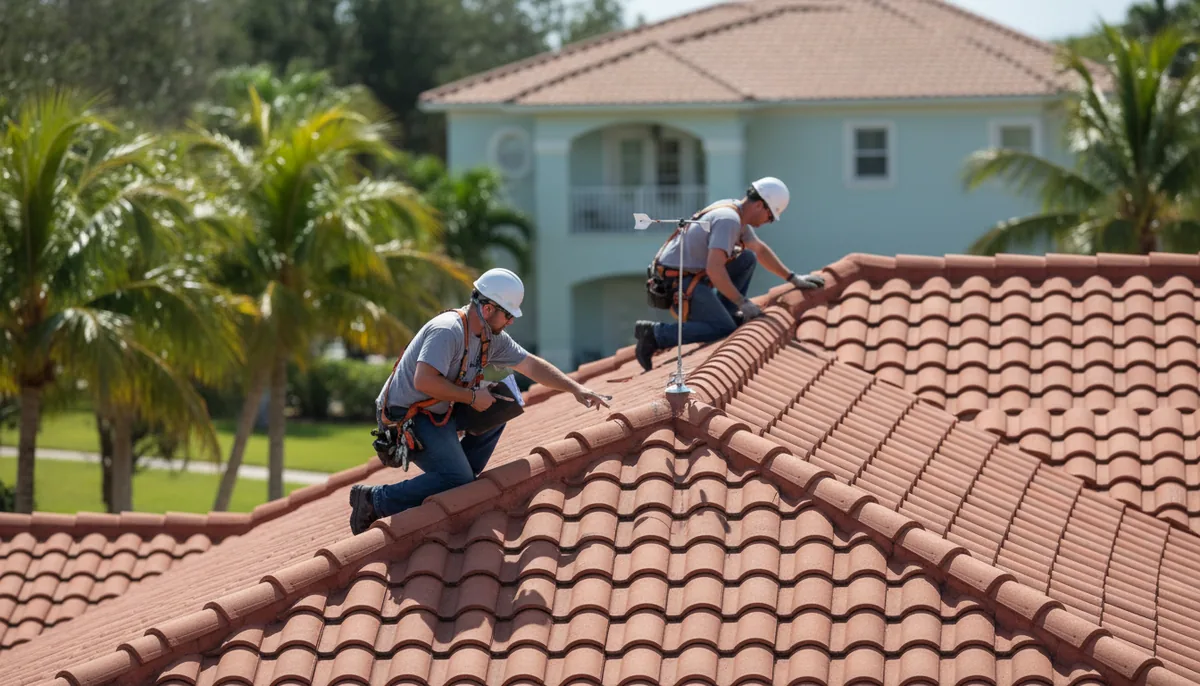
Not necessarily, but this is where "how old can a roof be for insurance in florida" gets complicated. Age alone doesn't get you non-renewed, but age plus condition does. Carriers are using aerial imagery now to look at your roof from space. They can see missing shingles, moss, obvious wear patterns. If their software flags your roof as nearing the end of it's life, they might send you a letter saying you've got 90 days to get it replaced or they won't renew your policy.
I've seen renewal inspections catch roofs with hail damage the homeowner didn't even know about. I've also seen them flag roofs that were fine, just old. The fix is the same either way: get a licensed roofer to inspect it before the carrier does. If it needs work, fix it. If it's fine, get a report and send it to your carrier. That report can save your policy. And if your roof is genuinely shot, the worst thing you can do is file a claim hoping for a full replacement when you know it's just wear and tear. Insurance covers sudden, accidental damage, not old age. A claim for a worn-out roof gets denied, and now you've got a denied claim on your record.
The SB 4-D roof rule that changed everything in 2022
You've probably heard about the "25% rule" and how it used to force homeowners into full roof replacements. That was real, back in the day. The Florida Building Code said if you repaired more than 25% of your roof in a rolling 12-month period, you had to bring the whole roof up to current code. That effectively meant a full replacement. It was expensive, and it led to alot of litigation between homeowners and insurers.
Then SB 4-D (2022) changed the game. Now, if your roof was built, repaired, or replaced under the 2007 Florida Building Code or anything newer, you only have to bring the portion being worked on up to code. A full replacement isn't automatically triggered anymore. That's huge. It means if you've got a 15-year-old roof with a damaged section, you might be able to repair just that section instead of tearing off the whole thing. But here's the catch: the 2007 code took effect on March 1, 2009. If your roof predates that, the old rule still applies, and you might be looking at a full replacement wether you like it or not.
What I would actually do: Before you authorize any repair work, ask the roofer whether the "partial repair" rule applies to your specific roof. The date of your original roof permit matters. If you don't have it, check with your county's building department. Do not let a contractor talk you into a full replacement if a repair will legally satisfy the code. And do not let an insurer force you into a repair if the code actually requires a full roof. Getting this backwards costs thousands.
A wind mitigation inspection is the cheapest money you'll spend
Here's a secret that too few homeowners know: Florida insurers are required to offer premium discounts for certain roof features. But they won't just give them to you. You have to prove your roof qualifies, and that means getting a wind mitigation inspection done by someone certified to fill out form OIR-B1-1802. This inspection looks at your roof covering, how your roof deck is attached, how the roof connects to the walls, your roof geometry, whether you have secondary water resistance, and your opening protection.
The inspector crawls through your attic, checks your soffits, looks at your gable ends. They're checking whether your roof can actually handle hurricane-force winds. If it can, you get a discount on your windstorm premium. I've seen these inspections pay for themselves in a single year. The inspection costs a couple hundred bucks, give or take, but the annual discount can be substantially more than that over the life of your policy.
The catch is that older roofs often don't qualify for the best discounts. If your roof deck isn't nailed down properly, or your roof-to-wall connection is weak, the inspector will note it, and your discount will be smaller. But even a marginal pass is better than no inspection at all. If your roof is over 15 years old, an inspection can also give you use when your carrier tries to non-renew you. You've got a document that says your roof is in good shape. That's worth something.
What if nobody will insure you because your roof is too old?
This is the point where people start to panic. They've called three carriers, and everyone has said no because their roof is 18 years old and has three layers of shingles. Take a breath. You've got options, and the order you try them in matters.
First, try an independent agent who writes with multiple carriers. They might know which companies are more lenient. If that fails, you're looking at Citizens Property Insurance Corporation, which is the state-backed insurer of last resort. They exist for exactly this situation. Their rates aren't always the cheapest, but they provide coverage when the private market won't. The hard truth is that Citizens might require you to replace the roof as a condition of coverage, or they might write you a policy with actual cash value instead of replacement cost. It depends on their current underwriting rules.
Second, look into the My Safe Florida Home program. It's a state initiative that offers free wind mitigation inspections and matching grants for hurricane-hardening improvements to qualifying homeowners. You need to check whether the program is currently open, because they fund it in cycles and the money runs out fast. A grant could help you pay for roof tiedowns or a new roof deck that makes your home insurable again. But don't count on it. The program's funding fluctuates with the legislative session, and it's not always accepting applications.
Questions I get asked
Does Florida have a law about maximum roof age for insurance?
Florida does not have a single statute that says an insurer must drop you at a specific roof age. Insurance companies make those rules themselves based on their own risk models. The laws that exist set claim deadlines and require insurers to offer wind mitigation discounts, but the age cutoff is an underwriting decision, not a legal one.
Will a 20-year-old roof be covered by homeowners insurance?
You can have a 20-year-old roof that's fully covered, and you can have a 5-year-old roof that's not covered for a specific loss. Coverage depends on your policy language, the cause of the damage, and whether you filed on time. Older roofs are more likely to get actual cash value settlements rather than full replacement cost, so read your declarations page carefully.
How do I know if my roof damage is from a storm or just old age?
Storm damage has a pattern. Hail leaves distinct dents. Wind lifts shingles and creases them. Old age generally shows as brittle shingles, granule loss, curling edges, or missing tabs that just rot out over time. A good roofer can usually tell the difference, but an insurance adjuster will scrutinize the distinction. If the damage looks like wear and tear, the claim will be denied.
Can I file a claim for a roof leak that has been happening for months?
You can file, but if the damage started more than a year before you file, the insurer can deny it based on Florida Statute 627.70132, even if the damage is covered. The carrier will ask when the leak started. Whatever date you give, they will investigate. If you noticed it six months ago and just didn't call, you might be okay. If it started two years ago, you're out of luck.
Who inspects my roof for insurance purposes?
Any licensed roofing contractor can perform an inspection, and a certified wind mitigation inspector can fill out form OIR-B1-1802. Your insurance company will also send out their own adjuster if you file a claim. Just because a roofer says you have damage doesn't mean the carrier will agree. The roofer works for you. The adjuster works for the insurer. Their jobs are different.
What should I do if my insurance company non-renews me because of my roof?
Don't just accept it. Get a second opinion from a licensed roofing contractor under a DBPR license. If they say your roof has life left in it, ask them for a written report with photos and send it to your carrier. You can also appeal the non-renewal or ask your agent to shop the policy with other companies. A certified roof can save a policy. A roof that's genuinely at the end of its life means you need a replacement, and that's not an insurance problem—that's a home maintainance problem.
More from the site
- Roof requirements for homeowners insurance in florida: What Florida Homeowners Should Know
- Roof insurance florida: What Florida Homeowners Should Know
- Florida roofing insurance: What Florida Homeowners Should Know
- Does a metal roof lower your insurance in florida: What Florida Homeowners Should Know
- Florida building code roof sheathing nailing pattern: What Florida Homeowners Should Know