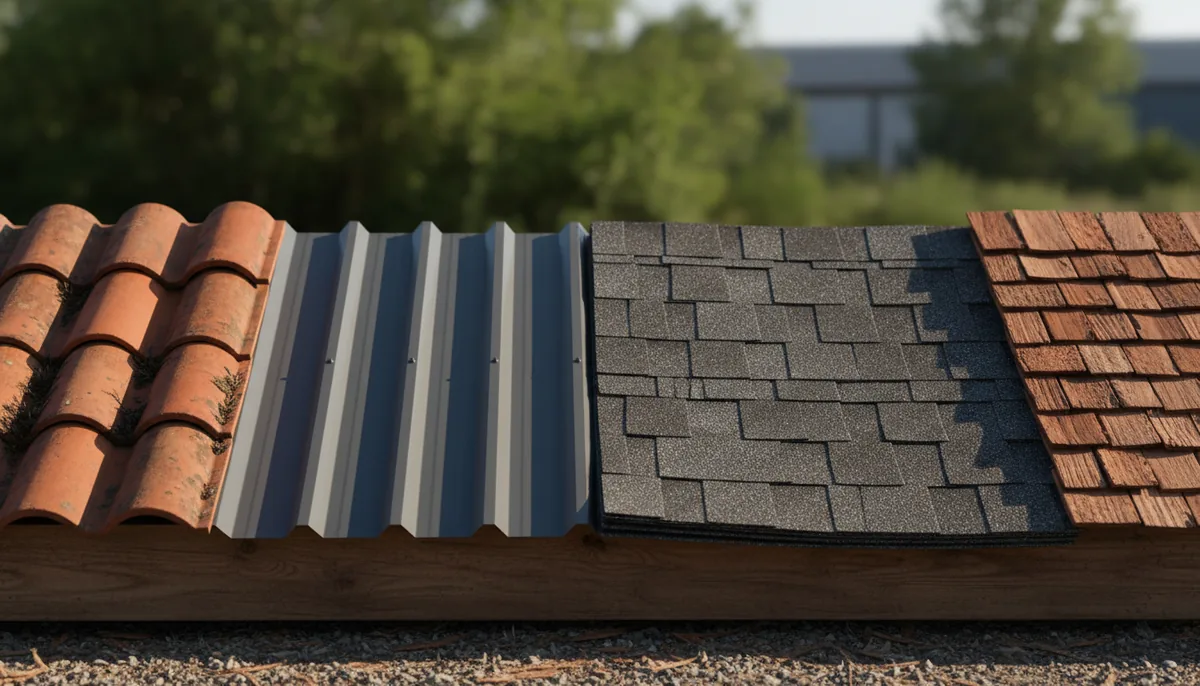
Metal vs tile roof in Florida
By Bud Kettering, Roof consultant and inspector. Reviewed by Hal Winstead, Editor, licensed roofing contractor. That afternoon in Cape Coral, I was in the attic under a six-month-old tile roof, and I could hear water moving that shouldn't have been moving. It hadn't rained in two days. My moisture meter went straight to red on a rafter tail, and down in the driveway the seller, the agent, and the buyers were all staring at their phones like one of them held the answer. The whole time, I kept thinking about the question nobody said out loud but everybody meant: metal vs tile roof in Florida, and which one would have stopped this. If you are at that same fork right now, and metal is the direction you're leaning, the metal roofing companies in Florida directory is where I'd point you. But hold that thought until I tell you what I found under that tile.
What I found was a roof covering that was almost perfect and a roof that was failing anyway. The tile itself was gorgeous. The install was crooked in a way you can't see from the ground — the underlayment stopped short at the valley, and the water took the path of least resistance, ran under the clay, and found the decking seam. For two months it had been soaking the sheathing a little more every time it rained. The buyer was about to close on a house with brand-new barrel tile and zero idea the deck was already turning soft.
I spend my life in Florida attics with a torch and a moisture meter, so let me tell you the version of this comparison you don't get from a brochure. I'm not selling you a roof. I'm the guy who shows up after somebody else sold you one.
The metal vs tile roof in Florida question is really three questions
When someone asks me "metal or tile," what they usually mean is "which one will make the insurance company happy and the neighbors jealous." Those aren't the same question. I've had to break it down for buyers more times than I can count, and it goes like this: You're asking about wind, water, and cost, and each one has a different winner depending on the house, the pitch, and what's under the covering already.
Tile is heavy. Metal is light. That one fact decides more than people think, because a heavy roof needs a frame that can take it, and alot of Florida roofs were built with the cheapest engineered trusses the builder could get away with. I of stood in attics under tile roofs and watched the trusses talk to me — creak, settle, complain — and I've stood under metal roofs where the whole thing felt like a kite waiting for a gust. You can't pick a covering and ignore what it sits on.
Call it this: metal is a wrapping. Tile is a structure with a hat on it.
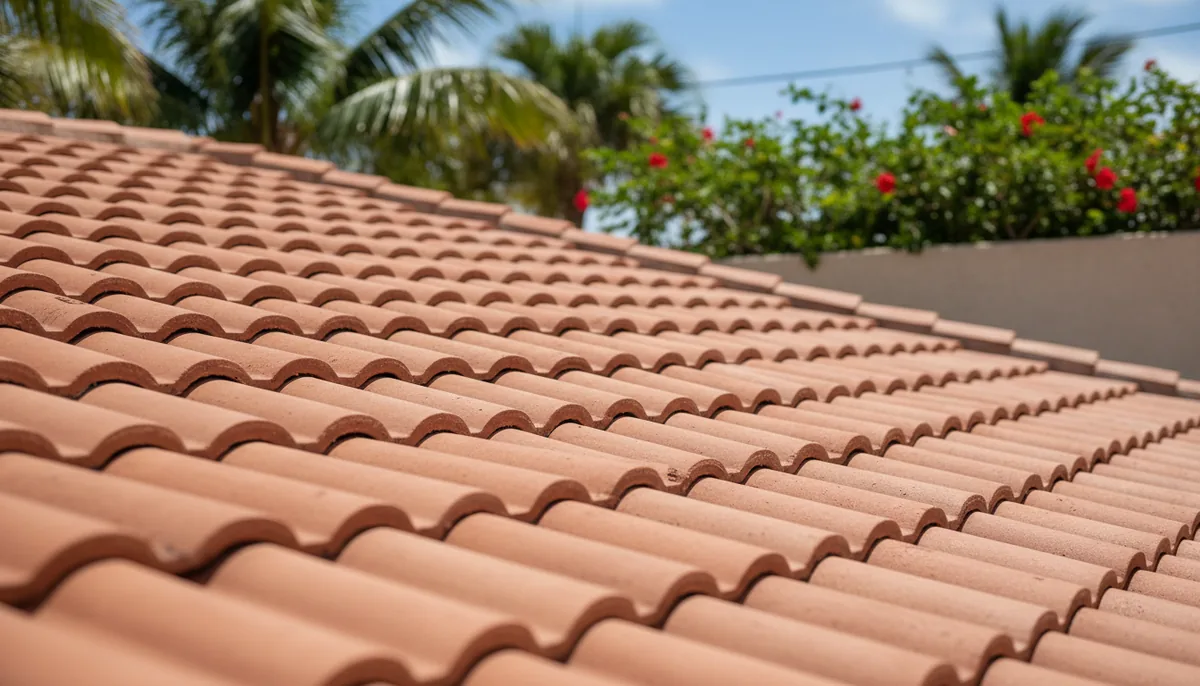
Tile: heavy, handsome, and full of surprises
Concrete and clay tile is a good Florida roof when it's done right. It shrugs off sun, it looks expensive because it is, and it handles the sideways rain better than any asphalt shingle ever made. But it has moods. I've been wrong about this before, so hear me out.
Tile fails in three ways, and only one of them shows from the street. First, it hides water. Water gets under the tile and runs along the underside of the pan, sometimes for twenty feet, before it drips onto the underlayment — and if the underlayment is felt that's been baking in an attic since 2007, the water just keeps going. Second, it cracks. You can't walk on tile without breaking some of it, and roofers absolutely do, because they're human and the attic access is where it is. Cracked tile looks fine from the ground. It leaks in a storm. Third, the tile itself is not your water barrier. Ever. The underlayment is. That barrel tile I mentioned in Cape Coral wasn't leaking through the clay — it was leaking because the layer underneath was botched.
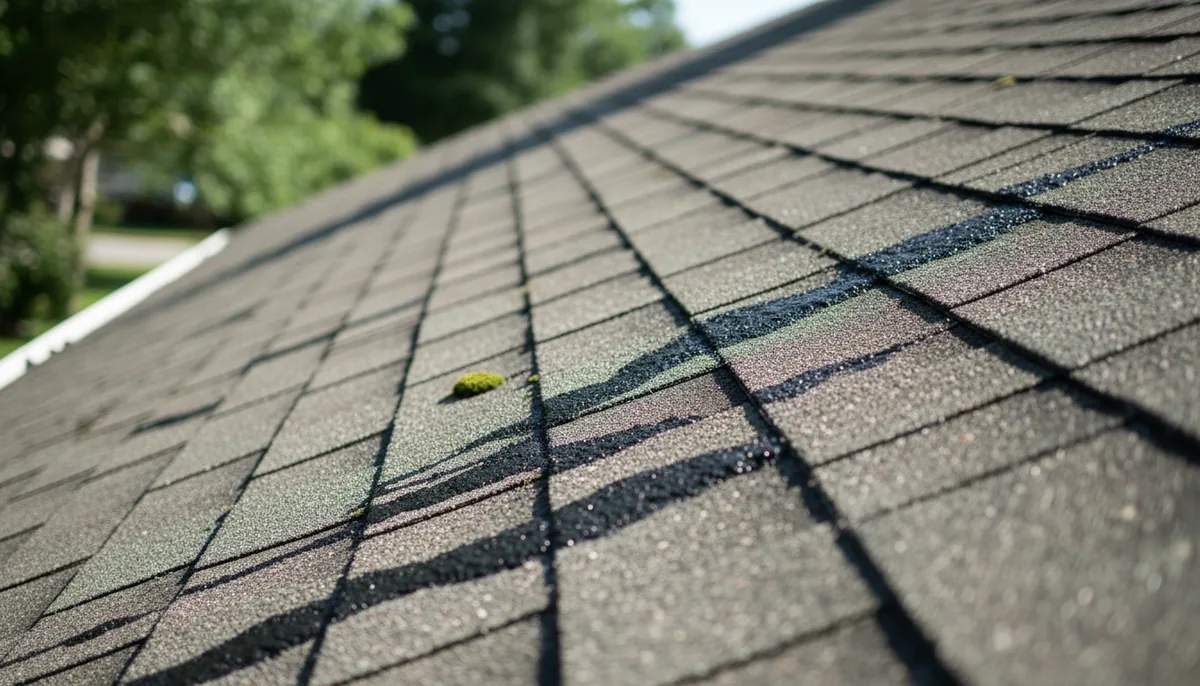
One more thing, and this is the gripe of the week. Florida tile gets algae and lichen on it, and I have seen more than one homeowner hire a pressure washer to "clean" a concrete tile roof that then leaked in every room. Low pressure, gentle soap, or leave the moss alone. A power washer on old clay tile will blast the surface off and turn your roof into a sponge. I don't knock on those doors anymore. The water damage does it for me.
Standing seam metal: pricey, loud-ish, and great when it's done straight
Metal gets my attention for one reason above all: it can be a single water-shedding surface with concealed clips and a real secondary barrier under it. When a standing seam roof is installed with a solid deck, a good underlayment, and clips that let the panels expand, that roof will outlive the mortgage. It doesn't deteriorate in the Florida sun the way composition does. It won't hold algae. And in a hurricane, it doesn't peel off in sheets like asphalt — it's mechanically fastened into the structure.
But metal has quirks you should meet before you marry it. Screw-down metal is the cheaper cousin, and the screws have little rubber washers that age, shrink, and eventually leak. I've inspected screw-down roofs where the only thing holding water out was hope. Standing seam is better, but it costs more, and it has to expand and contract with the heat. If the installer doesn't leave room for that movement, the panels will buckle and pop.
It's also louder in the rain than people expect, and hail will dent it. The dents aren't leaks, but they're permanent. And here's the part people don't think about: metal is slippery when it's wet, and it's blinding to walk on at 2 p.m. In July. I've had roofers refuse to walk certain painted metal roofs because they might as well be on ice. That matters if you're the one who has to maintain it.
Underneath all of that metal, I still go straight to the same place I go with tile. I'm checking what's below the covering, because that's where the money is.
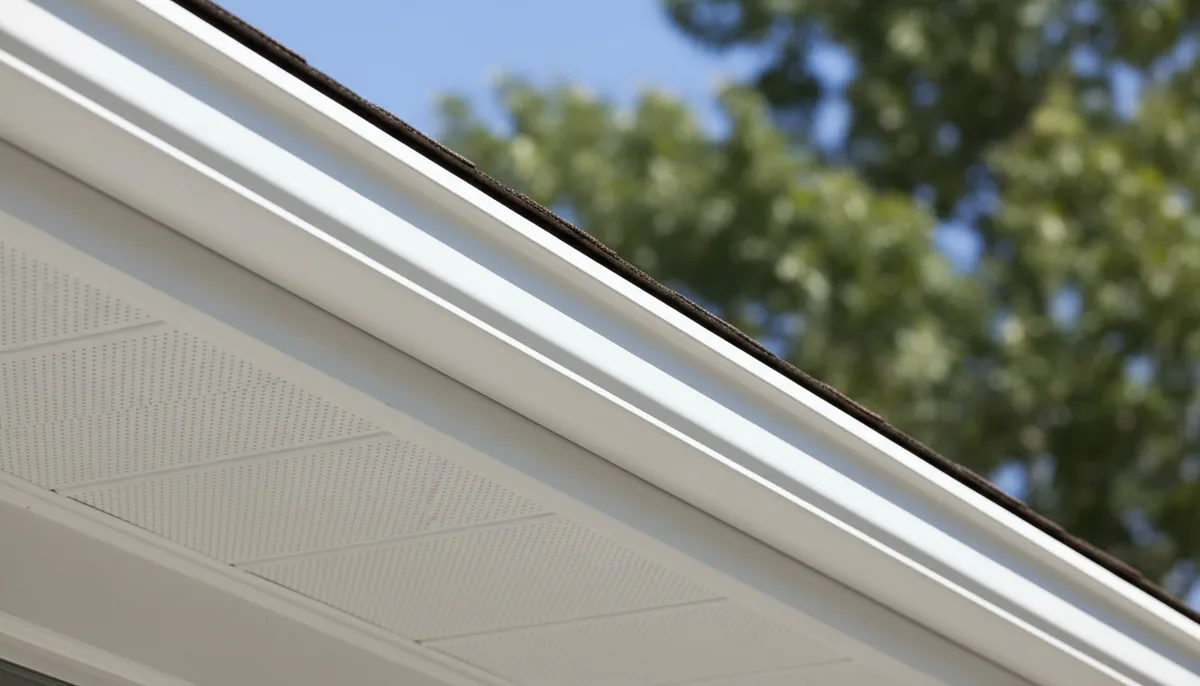
The underlayment is the roof, and the deck is the roof, and sorry, the covering is the hat
Here's what I tell every buyer who asks me wether to go metal or tile: pick whichever you like, but the roof you actually own is the deck, the underlayment, and the flashing. The covering is just the part that faces the sun and the neighbors. A cheap tile roof over a great underlayment will outlast an expensive tile roof over felt that was left out in the wheather for three weeks before installation. I've seen it go both ways.
You want a code-compliant, weatherproof underlayment installed tight, then a second layer at the eaves if you're worried about ice and wind-driven rain — though in Florida we don't do ice, we do sideways water. The flashing at valleys, chimneys, and walls is where most real leaks start, not in the field of the roof. I can show you a beautifull metal roof with a leaking chimney flashing. I can show you a tile roof that leaks at a vent pipe boot that should have been replaced a decade ago.
So when you compare metal vs tile roof in Florida, you're comparing hats. Look at the hat, sure. But ask the roofer what happens underneath the hat when it rains for nine days straight. That's the question that pays.
What wind mitigation does to your math
Florida law says insurers have to offer discounts for qualifying wind features, and the form any inspector uses is form OIR-B1-1802. It documents the roof covering, the roof deck attachment, the roof-to-wall connection, the roof geometry, secondary water resistance, and how your openings are protected. That last one is your shutters and impact glass, by the way, not your roof.
Here's where metal surprises people. A metal roof with a high wind rating and a proper deck attachment can score you real credit on the wind mitigation form. Tile can, too, if it's rated and installed right. But the discount depends on the whole assembly, not the pretty top layer. A roof covering that's rated for 150 mph is worth exactly nothing if the nails holding the deck down pull through at 100. An inspector like me checks both, because your insurer cares about both.
I can't tell you what your specific policy will give you, because it varies, and policies change. Read your declarations page. But I can tell you the inspection itself costs a fraction of what the discount saves you in most cases, year after year. If you're already paying for a roof, pay for the inspection afterward.
Do not skip the permit, and know who you're hiring
In Florida, roofing contractors are licensed by the DBPR, and there's a difference that matters. A certified contractor holds a license starting with CCC and can work anywhere in the state. A registered contractor holds a license starting with RC and can only work in the jurisdiction that licensed them. Look at the license number before you sign. Verify it's active on the DBPR roll. If somebody hands you a business card with no license number and a story about why they don't need one, you're done there.
A roof replacement requires a permit from your local building department, and it requires an inspection. End of story. I know permits cost money and take time. I know some roofers swear they've done hundreds without one. And I know the house I inspected in Naples where the previous owner saved $1,400 on permit fees and the insurance company later used the unpermitted roof as a reason to slow walk a claim. Don't be that house. An unpermitted roof can complicate an insurance claim and can absolutely complicate a sale. The buyers found out. They always find out.
What I would actually do: Ask the roofer for their licence number, check it against the DBPR roll, and confirm the permit number with the local building department before any work starts. If the words "no permit needed" come out of their mouth, walk.
What this actually costs you
I'm not going to give you a price per square here, because it depends on pitch, access, the deck condition, how many layers you're tearing off, and which part of Florida you call home. That's the honest answer. I will tell you that tile is usually heavier, pricier, and slower to install, and metal has a huge range from basic screw-down to architectural standing seam that could buy a small car. Asphalt is the cheap date. You already knew that.
What I will tell you is that the cheapest bid is rarely the best roof, and the most expensive is rarely worth what they charge for the name. Get three quotes. Ask each roofer what underlayment they use, what flashing details they use at the valleys, how they fasten the deck, and whether they pull a permit every single time. The roofer who answers those questions without getting annoyed is worth more than the one who brings you a cooler and a color chart.
What I would actually do: Budget for the wind mitigation inspection before the roof gets installed if you can, so the deck attachments can be verified while the roof is open. It's a lot cheaper to fix a diaphragm or add clips when the deck is bare than it is after the tile or metal goes on.
Questions I get asked
How long does a metal roof last in Florida?
A standing seam metal roof can last forty years or more if the finish is good and the installation gives it room to move. Screw-down metal typically does not last as long because the fastener washers age and fail. The real variable is always what's underneath it.
Does a tile roof make the house cooler?
Tile has mass, so it slows the heat from getting in, but it also stores that heat and releases it overnight. Metal reflects more sun and cools off faster at night, but the attic heat depends more on ventilation and insulation than on the covering. Either way, the attic is the problem, not just the hat.
Does a metal roof leak more than tile in a hurricane?
Both roofs leak if the underlayment and flashing fail, and both can survive a storm if the deck attachments and roof-to-wall connections are right. Tile is heavier and can become projectiles if the pieces aren't properly fastened. Metal is lighter and sheds wind better, but it can tear if the fasteners pull. I check the connections before I worry about the covering.
Do I need a wind mitigation inspection before replacing my roof?
It helps, because the inspector can verify the roof deck attachment and other details while they're still visible. If you wait until after, you can still get the form OIR-B1-1802 filled out, but some features are harder to prove with the covering already down. The inspection usually costs less than the annual discount it can open up.
Can a registered roofing contractor work anywhere in Florida?
No. An RC license only allows that contractor to work in the local jurisdiction where they're registered. A CCC license is certified statewide. Always verify the license is active with the DBPR roll, and ask for the permit number from your local building department. Don't take anybody's word for it.
What's the deal with insurance companies and older roofs?
Coverage varies by policy, and it changes, so read your declarations page and ask your agent to explain what your roof is worth in a claim. The industry has tightened up a lot in recent years, and roofs over a certain age get treated differently than they used to. A newer roof is an easier conversation with an insurer — that part hasn't changed.