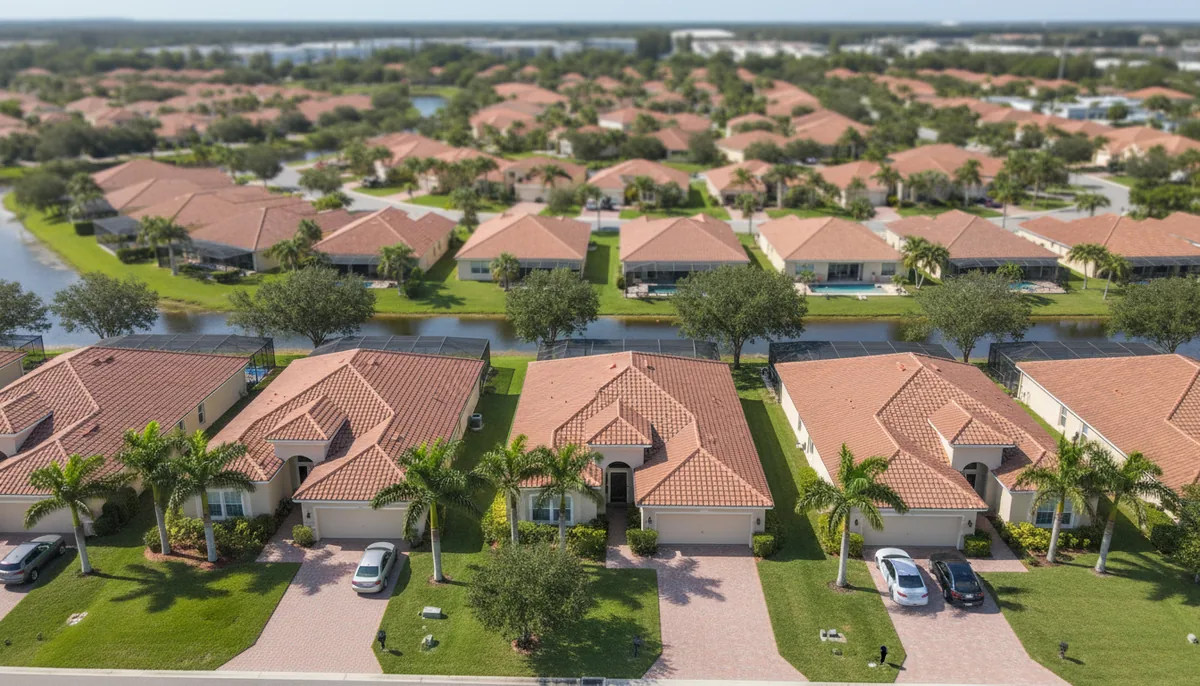
Roof financing Florida: The Florida Guide
By Dale Prescott, Roofing contractor, Central Florida. Reviewed by Hal Winstead, Editor, licensed roofing contractor. I was up on a barrel tile roof in Winter Park back in 2018, pulling off the last of a failed repair section, when the homeowner came up the ladder. Nice lady, had the paperwork in her hand. She'd already signed a contract for a full replacement with some outfit from out of town, and her only question was which day we could start. The roof under her feet was held together with hope and tar. The problem wasn't the shoddy work. The problem was she had no earthly idea how she was going to pay for it. She hadn't even looked at financing yet. She figured the insurance company would just hand her a check for the whole thing. I had to be the one to tell her that her policy had a 2% windstorm deductible, which on her house was a number far larger than she had in savings. For the shortlist itself, roofing companies in Florida is where I send people.
Financing a roof in Florida is it's own beast. It isn't like financing a car, and it isn't like getting a credit card. It's tied to your property, your insurance claim, and a stack of state-specific rules that change depending on the year your roof was built. The first thing I tell anyone asking about roof financing florida is to make sure you're dealing with a licensed contractor before you sign anything. We've got a directory of licensed, vetted contractors you can start with if you're not sure who's legitimate, but the bottom line is you need to verify their license number yourself against the state DBPR roll. A CCC prefix means they're certified to work anywhere in Florida. An RC prefix means they're registered to work only in the county or jurisdiction that licensed them. If the number doesn't come back active, run. That's not a finance problem, that's a don't-get-sued problem.
Nobody calls me because they have a brand new roof. They call me because it's leaking, or because their insurance company sent them a letter saying their roof is too old to cover. And the first question out of their mouth is always about money. That's where the financing conversation starts.
Let's get one thing straight about what insurance pays
Your insurance policy is a contract, and I don't know what yours says. Nobody can know that but you. I've been on jobs where the adjuster approved a full replacement and the check came in thirty days. I've been on jobs where the same storm, same street, got denied. Coverage varies policy to policy, so stop asking your roofer what your insurance covers and go read your declarations page. What I can tell you is that if you have an older roof, particularly one built before 2009, you might be looking at a full replacement rather than a partial repair. That changes the price tag from a few thousand to fifteen or twenty thousand dollars, and that's when people start sweating.
The Pace program florida roof question, explained without the sales pitch
PACE stands for Property Assessed Clean Energy. That's the program you keep hearing radio ads for. It lets you finance a new roof through a special assessment on your property taxes. You pay it back over years, sometimes twenty years, and the payment is collected with your tax bill. It sounds great because there's no upfront cost. Here's what the sales guy on the radio won't tell you: PACE financing is tied to the property, not to you. If you sell the house, the remaining assessment usually stays with the property. That makes some buyers nervous, and you'll have to disclose it. And because it's a tax assessment, the PACE lien can take priority over your mortgage in some circumstances, which is exactly what your mortgage lender is going to want to talk about before you sign. I of seen PACE work genuinely well for people who plan to stay in the house for a decade or more. And I've seen people get into it without reading the long-term cost. It isn't free money. It's a loan repaid through taxes, and you need to read every line of the contract before you sign.
What I would actually do: If you're over 60 and plan to stay put, PACE or a home equity loan is a reasonable tool. If you might move in five years, I'd price a traditional loan before I ever touched a PACE assessment. I have been wrong about this before, but I've seen the paperwork end of it too many times.
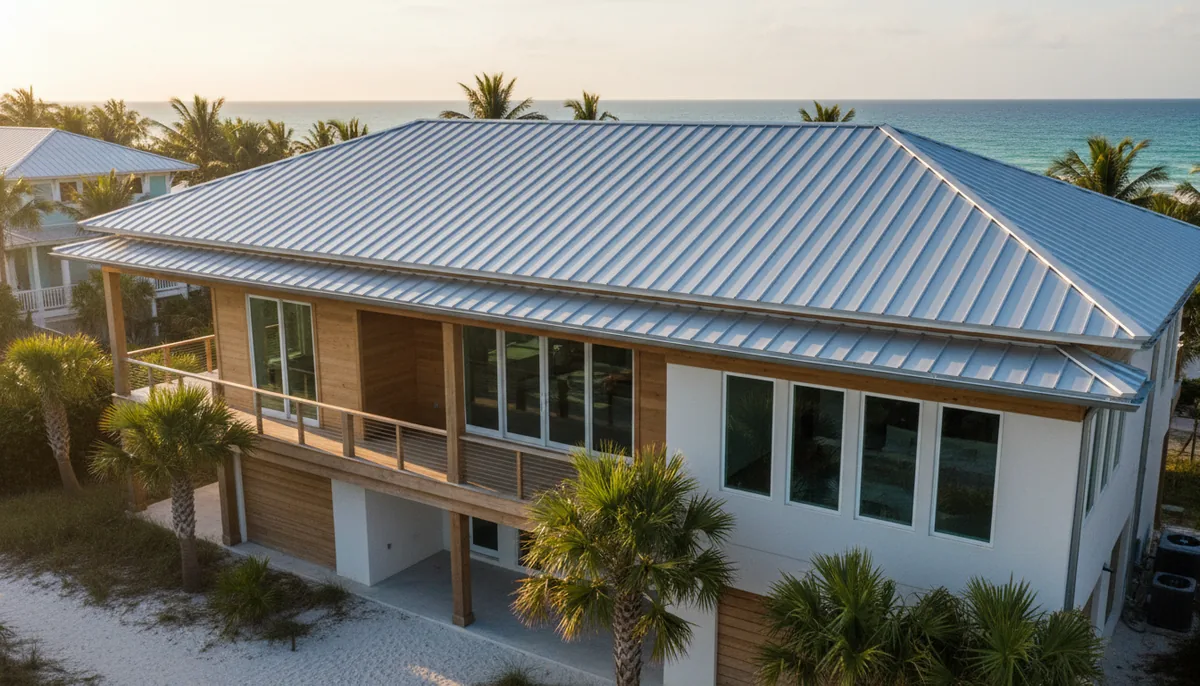
The 25% rule and the mess that is roof age in Florida
For years, the old rule of thumb was the "25% rule." If you repaired or replaced more than a quarter of your roof in a year, you had to bring the entire roof up to current code. That meant a small leak could trigger a full replacement. Then SB 4-D (2022) changed the game. If your roof was built, repaired, or replaced under the 2007 Florida Building Code or later, then only the exact portion you're working on has to meet code. A full replacement is no longer automatically forced just because you crossed the 25% mark. The 2007 code took effect in March of 2009. So roofs completed before that date generally don't qualify for the partial repair benefit and can still be forced into a full replacement if they're damaged enough. What does that mean for financing? It means if you have a post-2009 roof with a modest leak, you might be financing a $2,000 repair instead of a $15,000 replacement. If you've got an older roof, you're likely financing the whole thing. Get a contractor to look at the age and condition before you start calling lenders, because the scope drives the cost, and the cost drives the loan.
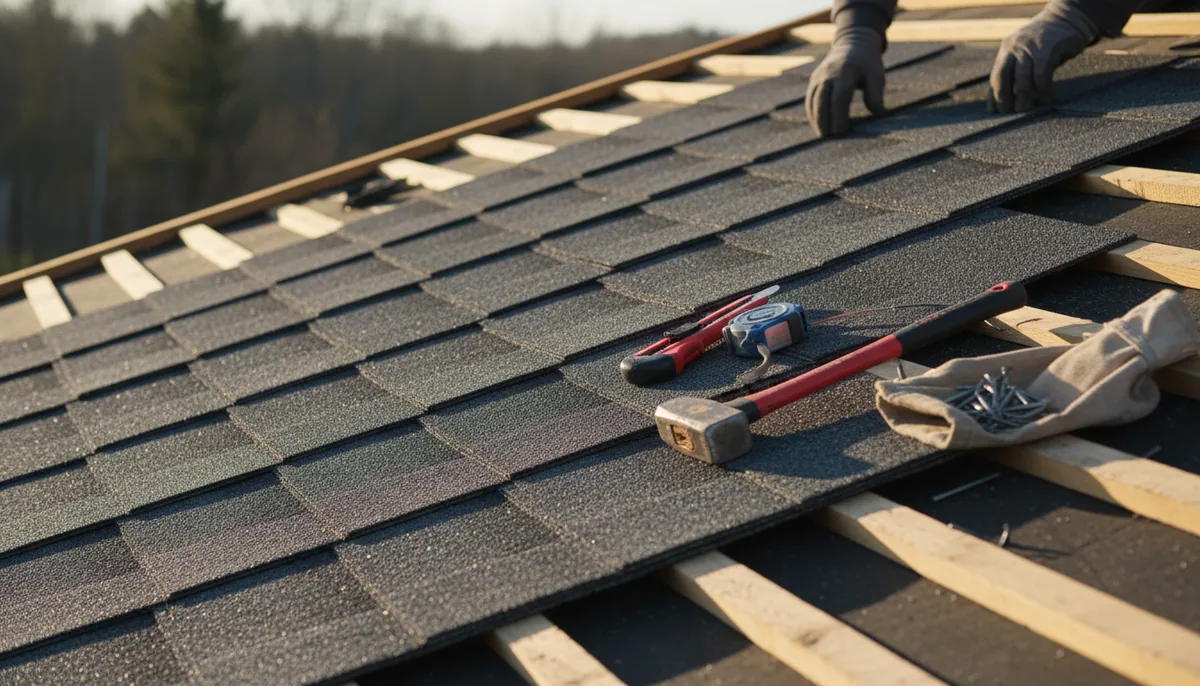
Why a wind mitigation inspection matters for your loan payment
A roof inspection and a wind mitigation inspection are two different things. A wind mitigation inspection is a specific report that documents how your roof is attached to your house. It checks the roof deck attachment, the roof-to-wall connection, the roof geometry, wether you have secondary water resistance under the shingles, and how your openings are protected. Florida insurers are required to offer premium discounts if your roof has certain features that hold up in a hurricane. The standard form is OIR-B1-1802. Here's the part that matters for financing: a qualifying wind mitigation inspection usually costs less than what the annual premium discount saves you. That lower premium doesn't just save money year over year. It makes your overall housing cost lower, which can help you qualify for a slightly bigger loan if you're doing a home equity line or a cash-out refinance to pay for the roof. If you're asking "can I afford a roof," the answer might be "yes, if you're willing to pay for the inspection that lowers your insurance bill."
What I would actually do: Before you finance a roof, spend the money on the wind mitigation inspection. Have the roofer fix anything simple that fails, like adding a few more nails to the deck or upgrading a strap. Get that form OIR-B1-1802 over to your insurer, lock in the discount, and then use that savings number when you talk to a lender. It's a few hundred bucks that can shift your whole budget. In Florida, that inspection can pay for itself in the first year.

My Safe Florida Home and the grant money you didn't know about
There is a program funded by the state called My Safe Florida Home. It provides free wind mitigation inspections and, in some cases, matching grants for hurricane mitigation improvements. That includes roof repairs or replacements if the roof is part of your home's wind mitigation system. I can't promise you'll get the grant, because it depends on funding being available when you apply. But every homeowner in Florida should check whether they're eligible before signing a financing contract. Free money beats borrowed money every single day. The application is online, and they will tell you if you're in a qualifying county and if your home meets the criteria. If you're in the path of a hurricane, this program exists to harden your home. I don't know a single roofer who would argue with a homeowner asking about that program first.
Questions I get asked
Can I get a roof financed with no money down?
Usually, yes, but you're paying for it somewhere. No-down financing means higher interest over the life of the loan or a higher principal balance. PACE is the most common no-money-down route in Florida because it's a property tax assessment. Just make sure you understand whether the payment is included in your tax bill and what happens to the assessment if you sell.
Does insurance cover roof replacement?
Coverage varies by policy, so I can't give you a blanket yes. Generally, if the roof was damaged by a covered peril like a named storm, you have a path. If it's just old and worn out, that's maintainance, and no policy covers that. Read your declarations page and check whether you have a seperate windstorm deductible, which in Florida is often 2% of your dwelling value. That means on a $300,000 house, you pay the first $6,000 before insurance kicks in.
Is the Pace program florida roof financing a good idea?
It's a good idea for some people. It's a tax assessment on your property, so it can be paid back over a long term and the payment is collected with your taxes. The downside is it attaches to the property, not the person. If you plan to stay for years and you can't qualify for a conventional loan, it's worth a look. Just read the full contract and ask what the total cost is with interest. Don't let the salesperson just tell you the monthly payment.
What if a contractor tells me I don't need a permit?
Walk away. I'm serious. A roof replacement in Florida requires a permit from your local building department and an inspection. Any contractor who offers to skip that is cutting corners, and you'll be the one holding the bag when you try to sell your house or file an insurance claim. The unpermitted roof becomes your problem, not theirs. It's not worth the risk to save a few hundred dollars.
Do I need a wind mitigation inspection before I finance a roof?
It's not required, but it's smart. The cost of the inspection is usually less than the annual premium discount you'll get from qualifying features. If the roof you're financing can be hardened to lower your insurance cost, that lower premium can offset some of your loan payment. It's a small upfront expense that gives you a better financial picture overall.