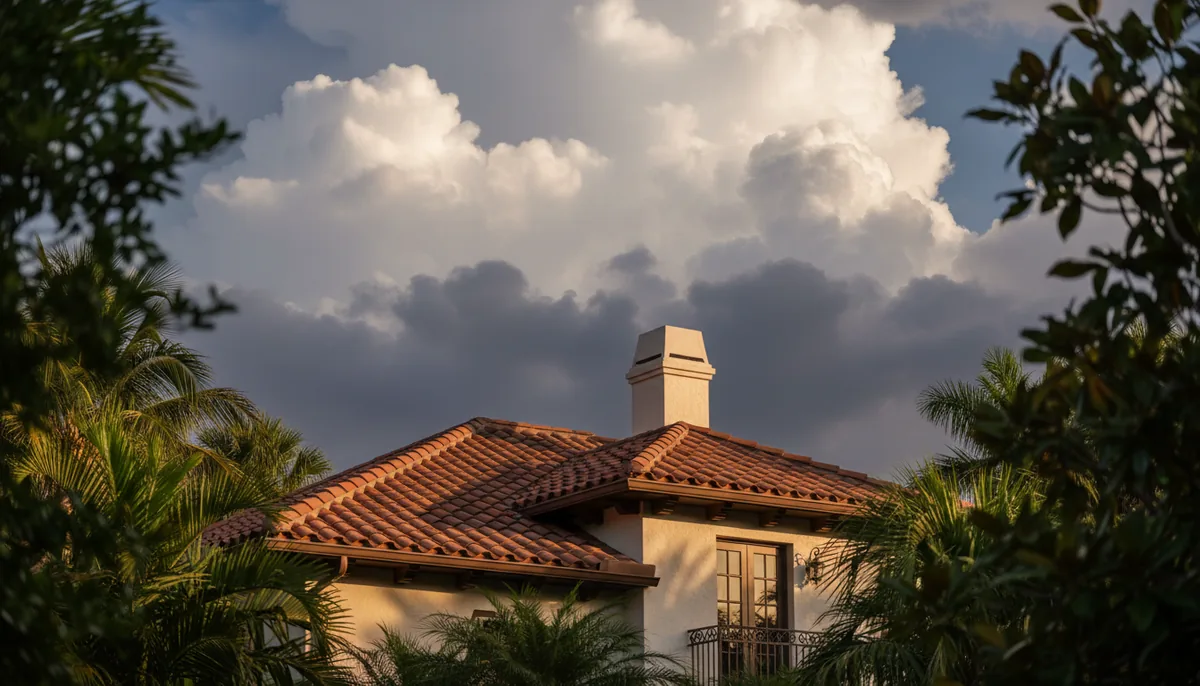
Roof smart of sw Florida: The Florida Guide
By Dale Prescott, Roofing contractor, Central Florida. Reviewed by Hal Winstead, Editor, licensed roofing contractor.
Looking for Roof Smart of SW Florida? They are listed in this directory, in Cape Coral, with their Florida DBPR licence number and whether that licence is currently active. See the Roof Smart of SW Florida listing.
I was up on a townhouse in Winter Park, checking the tile after a hailstorm that rolled through in March. The homeowner was standing in the driveway, shouting up at me that the insurance adjuster had already said the whole roof was fine. I knelt down, pulled a piece of foam from my pouch, and dropped it into a gap where the hip tile met the ridge. It fell straight through into the attic. That little gap let the hail damage to the underlayment go unnoticed until the next big rain, and that next rain found a bedroom ceiling. I have been wrong about this before, but I know what I saw that afternoon.
Most folks in Florida do not need a roofing lecture from a guy with a hammer. You need a few facts so you do not get talked into a roof you do not need, or walked away from when you need one. If you are trying to seperate good contractors from the ones who vanish after the first hurricane, that is the real job. The most useful thing I can point you to is the same list I use when I am working outside my own turf: roofing companies in Florida. It gives you the names, but the license check is on you.
Let me tell you what I know from twenty-two years of tearing off what the last storm did and replacing what the last contractor botched. I have worked between Orlando and the coast long enough to see the same mistakes over and over. Here is the short version, the way I would tell it to my own cousin.
Check the licence before you let anyone on your roof
You would be stunned how many people skip the easiest step. Florida roofing contractors are licensed by the Department of Business and Professional Regulation, the DBPR. A certified contractor has a licence that begins with CCC and can work anywhere in the state. A registered contractor has a licence that starts with RC and can only work in the county or jurisdiction that issued it. That is not a small difference. A guy from Dade County who is only registered down there has no business on your roof in Polk County.
And please, actually verify the number is active. Do not just look at the laminated card he flashes at your front door. Go to the DBPR roll and type in the number. I have seen expired licences, suspended licences, and one guy who was using his brother's number. He did not look like the photo on the card, if you catch my meaning.
The permit and the inspection are not optional
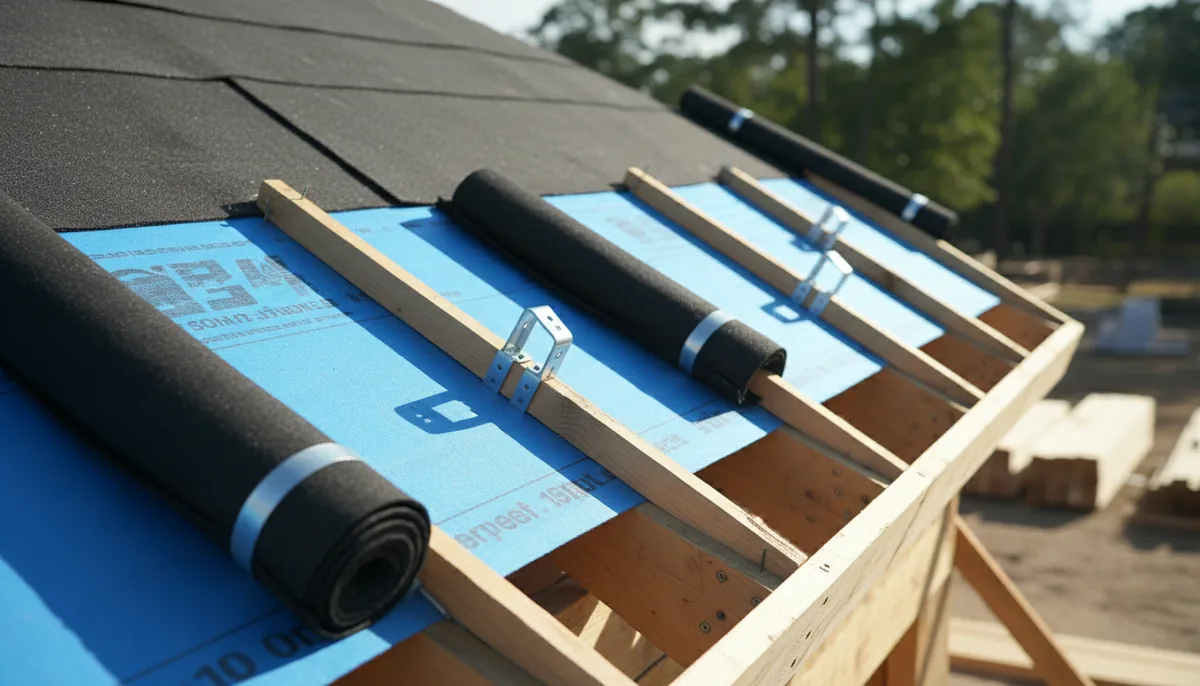
You also need to know that a roof replacement in Florida requires a permit pulled from the local building department. It also requires an inspection. That is the law, plain and simple. A contractor who offers to skip the permit to save you money is a contractor to walk away from, because an unpermitted roof can come back to haunt you on an insurance claim and it can absolutely complicate things when you try to sell the house.
I have been on jobs where the homeowner admitted they told the inspector the roof was fine just because they wanted it done. That is daft. The inspector is not your enemy. He is the guy making sure the deck is not rotten under that pretty new shingle. Let him do his job.
What I would actually do: Call the local building department myself before signing anything. Ask what the fee is and how long the wait is for an inspection. If a contractor tells you not to worry about it, that is your cue to find someone else.
Roof smart of SW Florida depends on the code year your roof was built
Now for the part that confuses everyone, including some salesmen who should know better. For years, the rule was that if you repaired or replaced more than 25% of your roof in any 12-month period, you had to bring the whole roof up to current code. That was the old "25% rule" from the Florida Building Code. It meant a small repair could turn into a full replacement you were not planning for.
Then a law called SB 4-D (2022) changed that. If your roof was built, repaired, or replaced under the 2007 Florida Building Code or a later edition, then only the section you are working on has to meet current code. That full-roof trigger is gone. That 2007 edition took effect on 1 March 2009. So if your roof was finished before that date, you generally do not get the benefit of the new rule.
I lose customers on this one all the time. They hear "SB 4-D" on the news and think every roof repair is grandfathered. It is not. We do not have the budget for a code year confusion. Just bring me the permit history or the closing documents from when you bought the place, and we can figure it out together.
The wind mitigation inspection is free money for most people
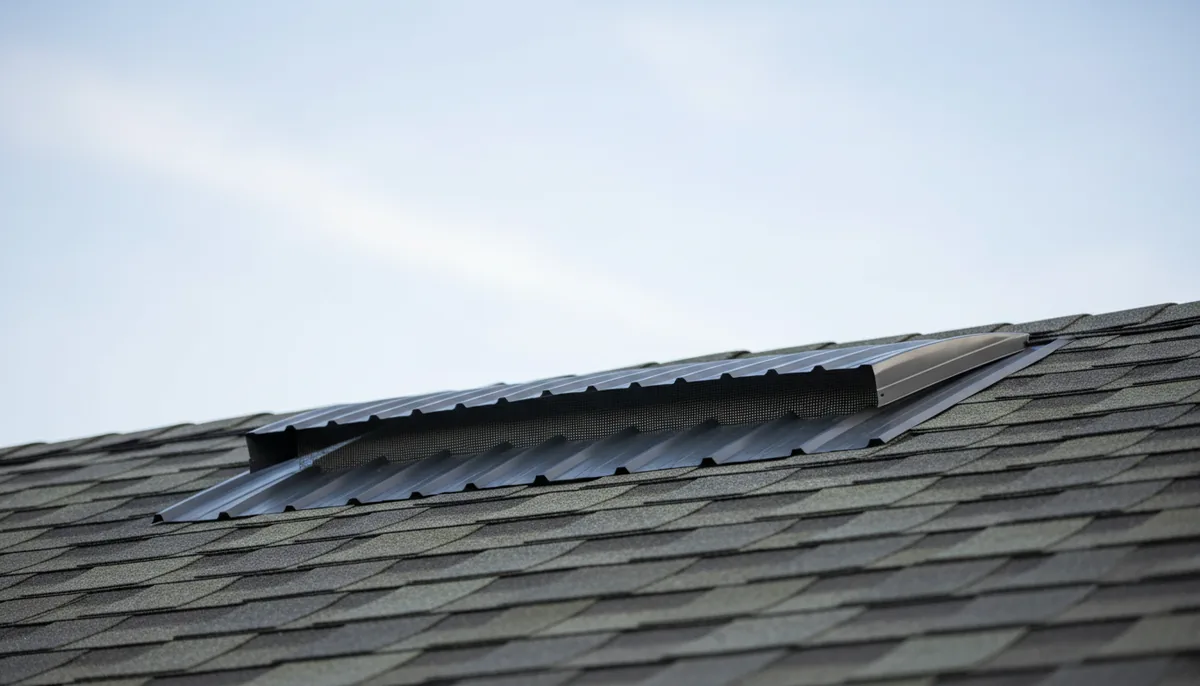
There is one thing I wish every Florida homeowner would do before hurricane season, and it is not a repair. It is a wind mitigation inspection. That inspection documents the roof covering, the roof deck attachment, the roof-to-wall connection, the roof geometry, the secondary water resistance, and your opening protection. The standard form is OIR-B1-1802.
Here is the magic part. Florida insurers are required to offer premium discounts for qualifying features. I cannot promise your specific policy will drop because coverage varies from company to company, so read your declarations page to know what you have. But that inspection usually costs a few hundred bucks, and the annual discount it can open up is often larger than what you paid for the inspection. It pays for itself in the first year or two, and you get it back every year after.
Some of these inspections need a contractor or an inspector to get in the attic. That is not a big deal. It is alot less painful than paying full freight on windstorm coverage for ten years because you never asked.
What I would actually do: Get the wind mitigation inspection done before I renewed my policy. Then I would hand that OIR-B1-1802 form straight to my insurance agent and ask, in writing, which discounts apply to my specific policy. If the agent can not tell me, I would get a second opinion.
What the "roof smart of SW Florida" part actually means
The phrase floating around is "roof smart of SW Florida." People use it like it is a magic phrase. It is not magic. It is just a pile of practical habits that keep you from getting stuck with a bad roof or a bad contract. The smart part is knowing what your old roof was built under, knowing what the current code expects, and knowing wether the guy standing on your driveway is actually licensed to be there.
It also means knowing what your insurance actually requires. There is a Florida Statute 627.70132 that applies to roof claims, and people quote it at me all the time like I am the claims department. I am not. I tear off roofs. I am not a lawyer or a licensed adjuster, and I am sure not going to give you legal advice. I will tell you to read your policy and talk to your agent before the storm, not after.
The other side of "roof smart" is knowing that your house is not the same as your neighbor's house. Roof geometry matters. The pitch matters. The kind of decking under the shingles matters. The access around the house matters, especially on those zero-lot-line homes where the only way to reach the roof is through a ladder on the side of the house with three feet of clearance.
When you absolutely need a full replacement
Here is the part nobody wants to hear. Sometimes a repair is a lie you tell yourself to save money. I have patched roofs that had three layers of shingles, and I have told homeowners that the fourth layer is not a roof, it is a sponge. The building code has it's limits, and so does the structure underneath. If the deck is delaminating, or the rafters are waterlogged, or the tile is granulating like sand falling out of your hand, a patch is just delaying the inevitable.
You can call it a repair if you want. I call it a waste of money if the underlying structure is gone. And if the insurance company is refusing to pay for a replacement, do not just take the first denial. Ask for the specific reason in writing. Get a second opinion from a contractor who has no financial interest in the outcome. I have been wrong about this before, but I have also seen adjusters miss obvious hail damage because they measured from the ground with binoculars.
Questions I get asked
How can I tell if I actually need a new roof or just a repair?
A repair only makes sense if the problems are localised and the underlying structure is sound. If you have rot in the deck, or the shingles are falling apart like old crackers, or the tile has lost its bite, you are past a repair. I always tell people to get up in the attic and push on the decking from underneath. If it gives like a damp sponge, it is gone.
What counts as storm damage for an insurance claim?
That depends on the policy and the specific storm. Generally, if the wind lifted shingles or the hail cracked the tile, that is the kind of thing you get checked out. But coverage varies from policy to policy, so read your declarations page. I am not an adjuster. I can tell you what I see on the roof, but you need a licensed adjuster to tell you what the policy actually covers.
Is it better to replace my roof now or wait until after the storm?
If the roof is under 15 years old and healthy, waiting is reasonable. If you know you have issues, do it now. The problem with waiting is that after a big storm, every contractor within 500 miles shows up and the good ones are booked for months. The price does not go down after a hurricane, that is for sure. It only goes up.
Can I just put a second layer of shingles over the old ones?
Yes, in some cases, but I do not recomend it. It hides problems in the deck and it shortens the life of the top layer because it heats up faster. Most of the time, when we finally tear it all off, we find the rot that was hiding under those old shingles. The money you saved on the tear-off gets spent on new decking anyway.
What should I look for in the contract before I sign?
It should have the owners' full legal names, the licence number, the exact scope of work, the color and manufacturer of the roofing material, the start and completion dates, and the payment schedule. If they want a big chunk of money upfront, walk away. The Florida law on payments is there for a reason. You pay for completed work, not for promises on a truck.