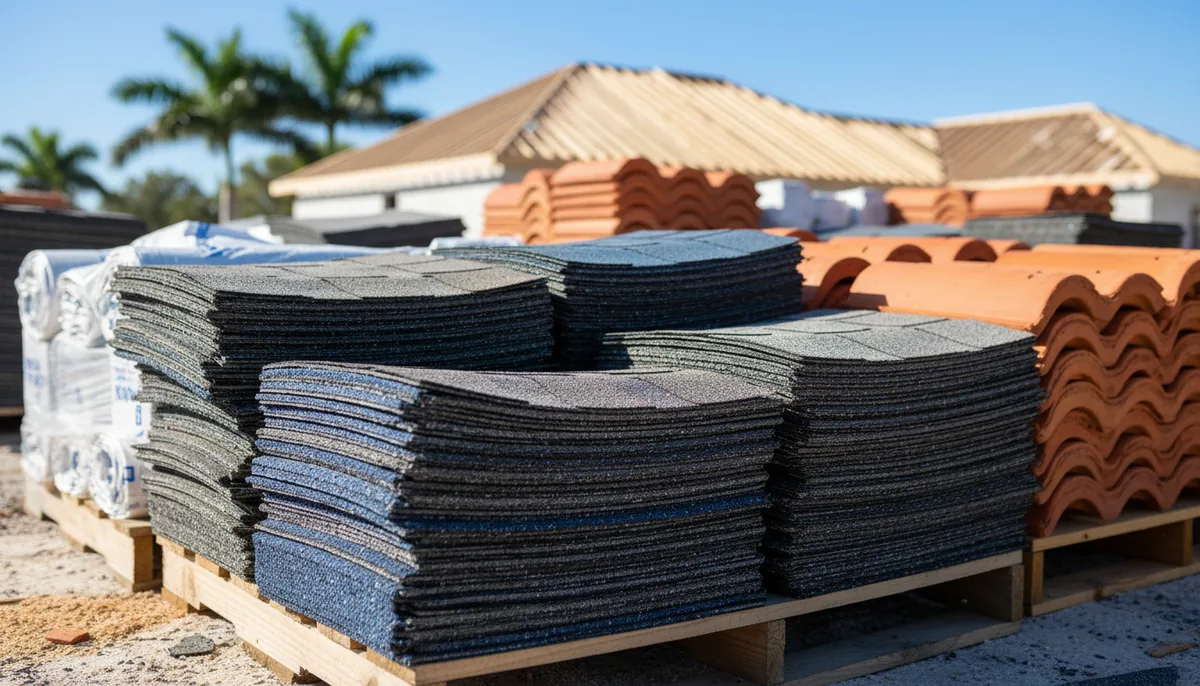
Roofing license Florida requirements: A Working Contractor's Take
By Marcy Doleman, Commercial roofing estimator. Reviewed by Hal Winstead, Editor, licensed roofing contractor. That afternoon in Tallahassee, I was standing on a low-slope TPO roof that had been patched so many times it looked like a quilt. The school board's facilities director pointed at a seam that was lifting and asked if we could just repair that one section. I told him it depended on what was under there. He had a stack of permits two inches thick and didn't want another one.
I get it. Nobody calls an estimator because they're having a good day. But that conversation is why I'm writing this — because alot of building owners, and even some contractors, don't actually know what the roofing license Florida requirements are, or how the rules changed recently. If you're searching for roofing companies in Florida, you need to know who you're hiring and what they're allowed to do. Let me walk you through it the way I'd explain it to a customer standing on a gravel ballast roof at 3 p.m. In July.
The first thing I tell anyone is that the state doesn't mess around with roofing licenses. Florida roofing contractors answer to the Department of Business and Professional Regulation, the DBPR. But there's a catch that trips up a lot of people. A CERTIFIED contractor has a license number that starts with CCC, and that means they can work anywhere in the state. A REGISTERED contractor's number starts with RC, and they're only allowed in the local jurisdiction that actually licensed them. I of seen this cause a whole mess of trouble when a registered guy from one county crosses into another. The permit won't pull. The inspector knows. It goes sideways fast.
And here is something that drives me absolutely nuts. I have heard people call an RF number a roofing license. It's not. Never was. RF is the prefix for a registered plumbing contractor. If someone hands you a card with an RF number and says they do roofs, walk away. Verify the number directly on the DBPR roll before you let anyone on a ladder.
Certified or registered — which one do you actually need?
A certified license is the one that opens doors. When you pass the state exam and meet the experiance requirements, you get a CCC license. That means you can bid work in Key West, Pensacola, and anywhere in between. You don't need a local license in every little town because the DBPR certified license preempts the local ones.
A registered license, the RC prefix, is different. It's issued through a local building department, usually a county or a city. You pass their exam and pay their fees, and you're set to work only in that area. If you're content doing roofs in one county for your whole career, that can work fine. But the moment you cross the line, you're technically unlicensed in that new jurisdiction. That's a serious problem, because it can affect the permit and the inspection.
When I'm estimating work, I always check the license first. I've been wrong about this before, so trust me — look it up on the DBPR roll every single time. People get scammed by fake contractors more than you'd think.
What the roofing contractor exam actually covers
I had a guy in Pensacola ask me if the exam was just a formality. It is not. The roofing contractor exam Florida administers is a real test. They want to know if you understand the Florida Building Code, not just which end of a nail gun goes up.
The exam covers roofing practices, code requirements, safety, and business law. You need to know about underlayment, flashing, ventilation, and attachment methods. And you need to know the business side too — contracts, liens, workers' comp. The test is tough enough that people pay for prep courses. Some guys take it two or three times before they pass.
For experience, Florida wants to see you've been in the trade. You generally need a combination of work history and proof that you were actually in charge of roofing projects. It's not something you can fake with a buddy's signature. The DBPR checks.
There's also the financial responsibility part. Contractors have to show they're solvent. It's not just about knowing how to torch a modified bitumen membrane — it's being accountable for payroll, insurance, and the warranty work you promised.
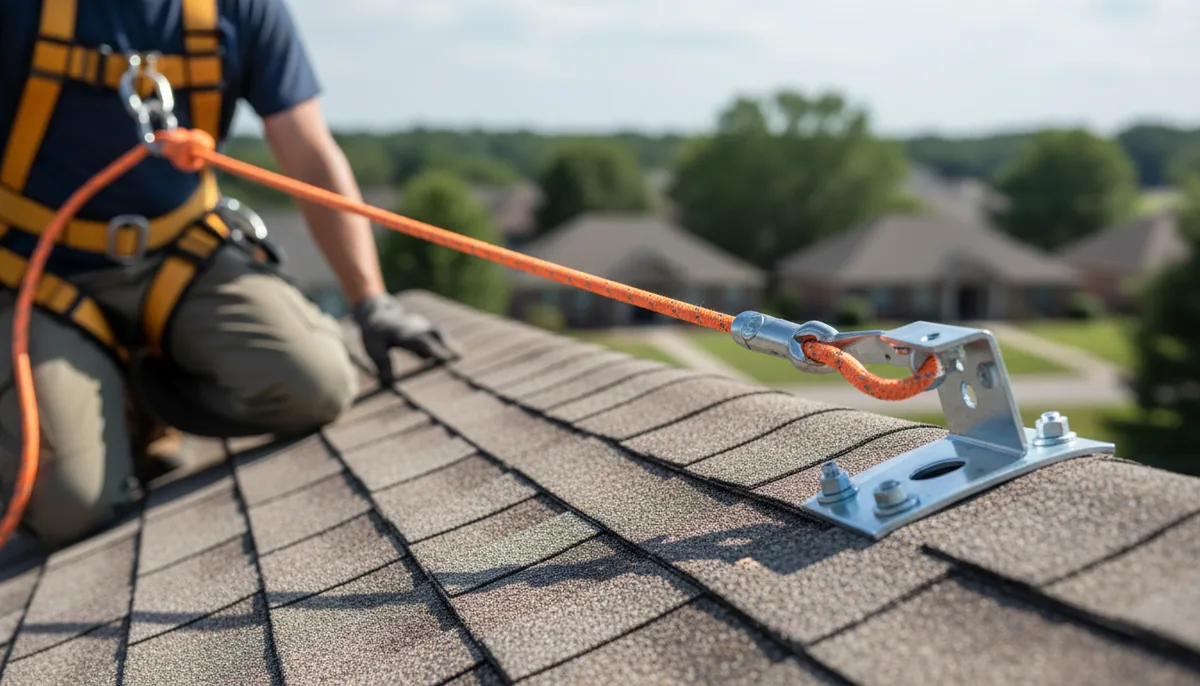
Cómo sacar la licencia de roofing en Florida — what changes
I have a lot of guys on my crews who spoke Spanish before they spoke English, and they always ask me this. So let me answer it plainly. Cómo sacar la licencia de roofing en Florida depends on wether you want the certified or registered path.
The registered path, the RC route, starts at the local building department. You pay your money, show some experience, and pass their local exam. That gets you working quick. The certified path is state-level. You apply through the DBPR, prove your experience, and sit for the state exam.
One thing I always tell the guys is that the exam is offered in English, and while you can request accommodations, being fluent in trade English matters. You need to read the code. Get the study materials in both languages if you can. Some of the prep courses are available in Spanish.
Don't fall for the online "instant license" scams. There is no shortcut. The DBPR checks your work history, so if you're an experienced roofer who is undocumented, that's a different conversation entirely — I'm not a lawyer, so you need to talk to one about that. But if you're a legal resident with experience, the path is there. The state wants qualified roofers. We are short on good ones.
What counts toward the roofing license requirements in Florida
Here's where people get into trouble. The roofing license requirements in Florida aren't just about passing an exam. The state looks at your track record. They ask about bankruptcies, judgments, and prior license discipline. If you have a history of walking off jobs or leaving liens unpaid, that can weigh against you.
Beyond the paperwork, you need to carry the right insurance and workers' comp coverage. If you have employees, the state wants you to have workers' comp. If you're a sole proprietor, you can apply for an exemption. But you better be sure what your exemptions actually cover, because one injured guy on a roof changes everything.
I also want to be honest about the scope of the license. A roofing license does not let you do the electrical work or the HVAC work on a project. You need the trade licenses for those. And a roofing contractor can't just decide to frame a whole building. You stay in your lane.
What I would actually do: Before I even bid a job, I verify the license on the DBPR roll and I ask for a certificate of insurance directly from the carrier. Not a copy of the policy — a certificate sent from the insurance company.
After SB 4-D: what the 25% rule means now
You have probably heard of the "25% rule" in Florida roofing. For decades, the code said you could repair up to 25% of a roof in a 12-month period without triggering a full replacement. Cross that line and you had to bring the whole roof up to current code. That has changed.
SB 4-D (2022) changed this effective May 26, 2022. Here's the key part. If your roof was built, repaired, or replaced under the 2007 Florida Building Code, or any later edition, then only the portion you're working on has to meet current code. The old rule that forced a total re-roof when you exceeded that 25% threshold doesn't apply the way it used to.
The catch is the date. The 2007 code edition took effect on March 1, 2009. If your roof was completed before that date, the old rule generally still applies. That's a huge deal for anyone with a 15-year-old roof who just wants to fix a leak.
I remember when this law passed, every insurance adjuster in the state had to recalibrate. It shut down the whole "my roofer says I need a full replacement because of the 25% rule" conversation for a lot of newer roofs. But it also means we have to do actual engineering and code analysis instead of just assuming.
Permits, inspections, and why you never skip them
Let me be blunt. A roof replacement in Florida requires a permit. The local building department has to inspect it. End of story.
I have had customers try to get me to pull the roof off without a permit to "save time." I won't do it. An unpermitted roof can blow up an insurance claim when you have a storm loss. It can complicate a home sale for years. And the inspector might make you tear off work to check what's underneath, which costs ten times what the permit fee did.
The permit fee is peanuts compared to your exposure. Pay it. Get the inspection. When the inspector shows up, be nice and hand them the project info. They're doing their job.
What I would actually do: I'd call the local building department myself before signing a contract and confirm the permit proccess for a commercial re-roof. Different jurisdictions have different attitudes about roof inspections, and I want to know where the inspector parks before the crew arrives.
Insurance rules that shape the job
Florida passed a law — Florida Statute 627.70132 — that governs how insurance policies handle roof deductibles. I'm not a lawyer or an adjuster, so I won't tell you what your policy covers. That depends entirely on your policy, so read your declarations page.
What I can tell you is that contractors have to be careful about offering to waive deductibles or pay them on a customer's behalf. That can run afoul of state rules. Some contractors get paid by insurers directly, and that requires the homeowner to sign a form — form OIR-B1-1802 is the one you hear about. If an insurance claim is going to pay for a roof, the contractor and homeowner need to understand how the assignment of benefits works.
There is also the Citizens Property Insurance Corporation factor. Citizens is the state-backed insurer of last resort. Their requirements for roofing and when a roof can be repaired versus replaced are specific to them. If you have a Citizens policy, you need to check with them before you sign a roofing contract, because their rules may be stricter than what the state code requires.
The My Safe Florida Home program is another door. That one gives matching grants for hurricane hardening work, which can include roof replacement if you meet certain criteria. It's a state program, so the money flows through state rules. If you're a homeowner in the program, your contractor has to follow their guidelines to the letter.
Questions I get asked
How do I check if a roofer is actually licensed?
Use the DBPR website. Search the license roll for the contractor's name or license number. Make sure the status is active and the number starts with CCC or RC. If it starts with RF, that's a plumber, and you need to keep looking.
Can a registered contractor with an RC license work on my house?
Only if your house is in the jurisdiction that issued their license. The RC license is local. If they're from out of the area, but still in Florida, they should hold a CCC license to work in your town. Ask to see the license and verify it.
Does SB 4-D mean I never have to fully replace my roof?
No. It means if your roof was built after the 2007 code edition, you don't automatically trigger a full replacement just by exceeding the old 25% repair threshold. But if the roof is structurally bad or has significant damage, you still need to replace it. The law addresses the code trigger, not the physical condition of the roof.
I just want to fix a small leak. Do I need a licensed contractor?
Florida law generally requires a licensed contractor for roof repairs that exceed a certain cost threshold, and most local jurisdictions require a permit for any repair that involves changing the roof system. Patching a tiny hole is technically maintenance. Replacing shingles or membrane is a repair. If it pays a contractor, it probably needs a license.
What is the difference between a roofing contractor and a general contractor?
A roofing contractor is licensed specifically to install and repair roof systems. A general contractor is licensed to build or remodel large parts of a building, but they often subcontract the roofing to a licensed roofer. If a general contractor is going to do your roof themselves without a roofing license, that's a red flag.
Can I get my roofing license if I have a criminal record?
The DBPR reviews each application individually. Some offenses can disqualify you, especially ones involving fraud or property crimes. It depends on how long ago it was and what the offense was. You can contact the DBPR for a pre-application review before you pay the exam fee and take the test.
More from the site
- Florida roofing license application: A Working Contractor's Take
- Florida roofing license exam: A Working Contractor's Take
- Florida roofing license books: A Working Contractor's Take
- How to obtain a roofing license in florida: A Working Contractor's Take
- How to get florida roofing license: A Working Contractor's Take