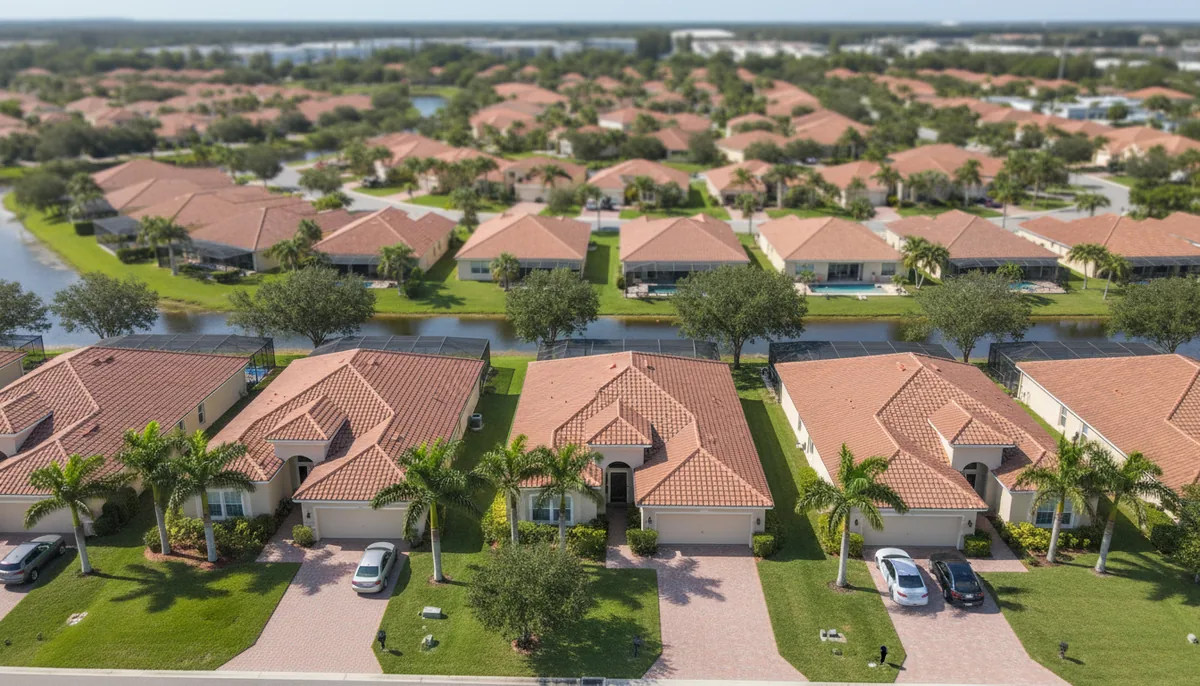
Rv roof repair Florida: The Florida Guide
By Marcy Doleman, Commercial roofing estimator. Reviewed by Hal Winstead, Editor, licensed roofing contractor. I was standing on a flat TPO roof over a school gymnasium in Ocala last July, and the Florida heat had softened the seam tape so much that my boot left a print in it. The maintenance director kept asking me if I could "just patch it up" because the school board was pinching pennies. I pulled out my phone and showed him the DBPR license roll, because the guy he'd been about to hire for the patch was a registered roofing contractor from the wrong county. That is a problem that turns a small leak into a very long afternoon.
If you came here searching for "rv roof repair florida," I get it. Maybe your travel trailer is leaking. Maybe the rubber roof on your motorhome has a bubble. But I want to be straight with you — I estimate commercial roofs, not RVs. What I can tell you is how to read a Florida contractor, what the law actually does, and where the money goes. That's the same logic I use on a warehouse or a plaza. Find the right roof repair companies in Florida and the proccess gets alot less painful.
Here’s the thing about this state. The sun cooks everything. The rain finds everything. And the rules change depending on what kind of roof you have and when it was put down.
Let’s talk about that license on the wall
Florida roofing contractors are licensed by the Department of Business and Professional Regulation, which is DBPR. You’ll see two prefixes on the license numbers: CCC for certified and RC for registered. A certified contractor can work anywhere in the state. A registered one can only work in the local jurisdiction that licensed them. Sounds simple, but I of walked onto jobs where the contractor had a valid license — for the wrong city.
Always verify the number is active before you hire. The DBPR roll is public. You can look it up in two minutes. I have been wrong about this before, back when I was newer, and it cost a client time. Now I check first.
A roof replacement needs a permit pulled from the local building department, and it needs an inspection. A contractor who offers to skip the permit? Walk away. An unpermitted roof can complicate an insurance claim and a future sale. I can’t tell you how many times I have seen a homeowner panic over that one.
The 25% rule folks keep asking about
Here’s the thing people get tangled up in. Florida used to have something called the 25% rule in the Florida Building Code. If you repaired or replaced more than 25% of a roof in any 12-month period, you had to bring the whole roof up to current code. That meant a bigger job than you planned.
Then SB 4-D (2022) changed it. If the roof was built, repaired or replaced to the 2007 Florida Building Code or a later edition, then only the portion being worked on must meet current code. A full replacement is no longer automatically triggered.
But here’s the catch. The 2007 code took effect on 1 March 2009. Roofs completed before that date generally don’t qualify. So if your roof is old, the old rule may still apply to you. The dates are everything. I tell clients to find the permit date or the paperwork from the original install. That changes what you are allowed to do.
What I would actually do: get the original permit date before you let anyone quote a repair. If the roof was done after March 1, 2009, you have more options. If it’s older, expect the conversation about a full replacement to come up faster than you want.
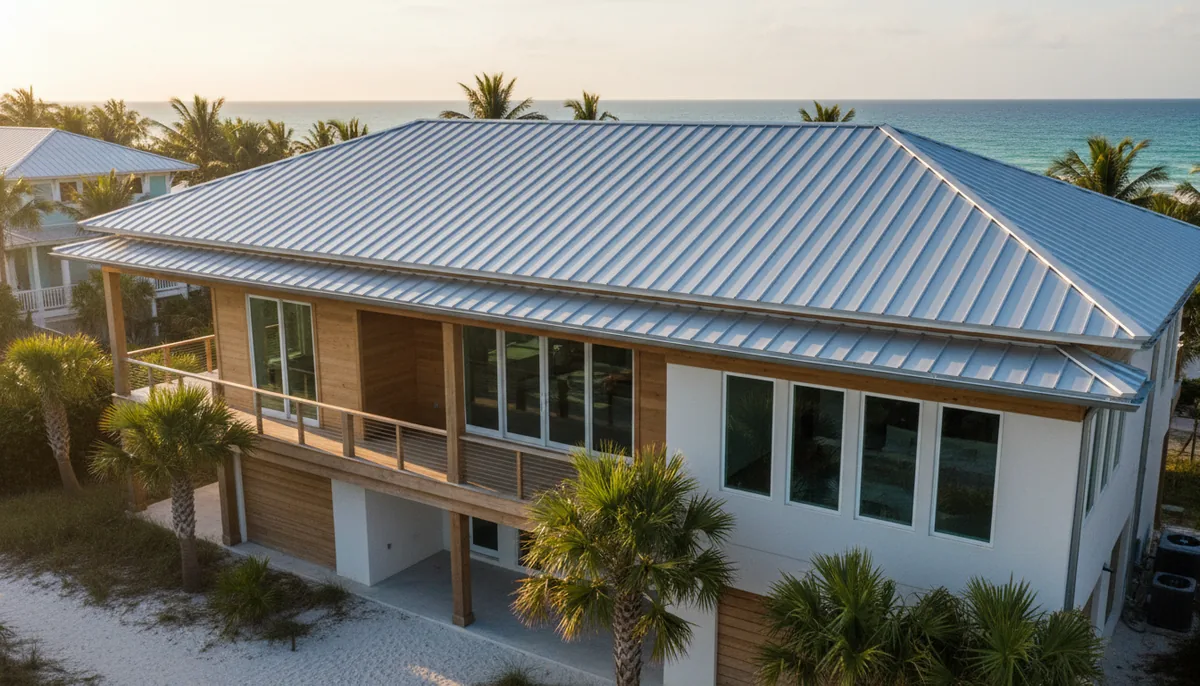
Wind mitigation inspections are the good kind of inspection
If you own property in Florida, you have heard about wind mitigation inspections. They document how the roof is attached, the roof deck attachment, the roof-to-wall connection, the roof geometry, the secondary water resistance, and the opening protection. The standard form is OIR-B1-1802.
Florida insurers must offer premium discounts for qualifying features. A wind mitigation inspection typically costs far less than the annual discount it can open up. This is one of those rare moments where spending a little money saves you money every year.
Now, I can’t tell you what your specific policy covers. Coverage varies by policy. Read your declarations page and see what credits are available. But if you’re getting a roof replacement anyway, ask your contractor about making the features that qualify for the discount part of the install. That’s just prudent.
What I would actually do: pay the couple hundred bucks for the wind mitigation inspection before you file a claim or renew. The form is standardized. You can hand it to any insurer. It’s one of the few things in roofing that’s straightforward.
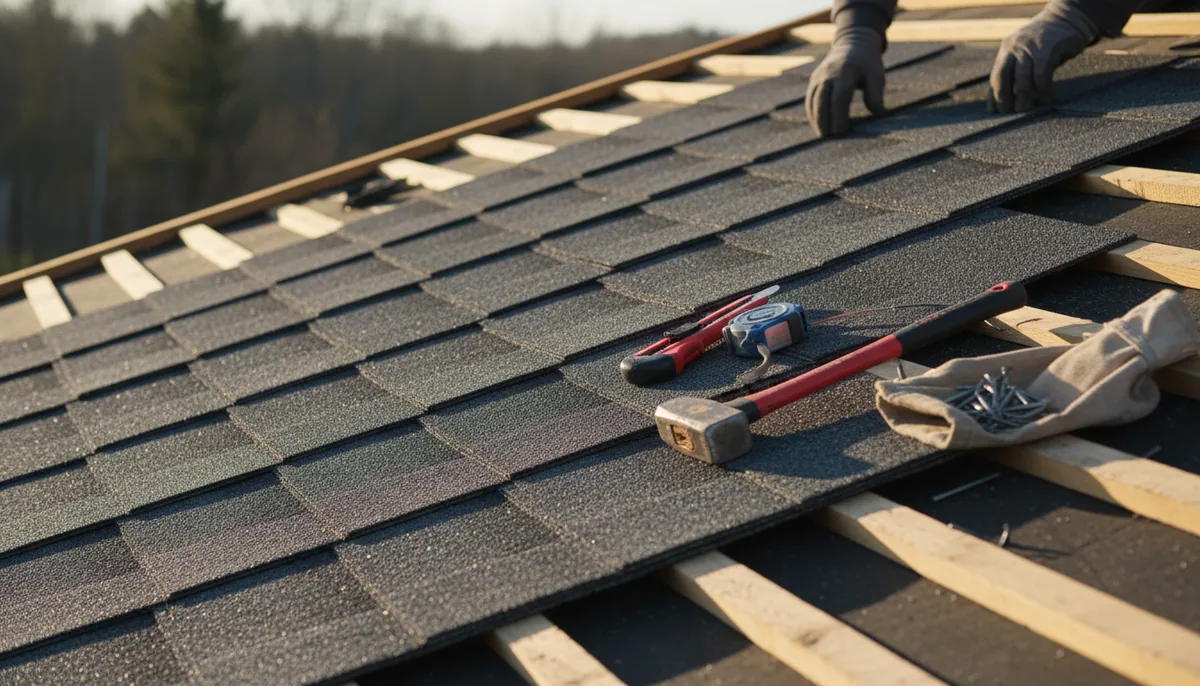
The commercial side and why it matters here
You didn’t come for a lecture on commercial work, but hear me out. Commercial roofs — warehouses, retail plazas, schools — are the same physics, just bigger and flatter. TPO gets installed. Modified bitumen gets torched down. Coatings get rolled on. And the leaks happen at the same places: seams, penetrations, flashings.
I mention this because the guy who is great at residential shingles can be a disaster on a flat commercial roof. And someone who does RV roofs might know a lot about rubber membrane, but they might not know a thing about Florida permit law. Don’t let a contractor learn on your roof.
That’s not me being a snob. That’s me being someone who has torn off work that looked fine from the ground but was wrong underneath.
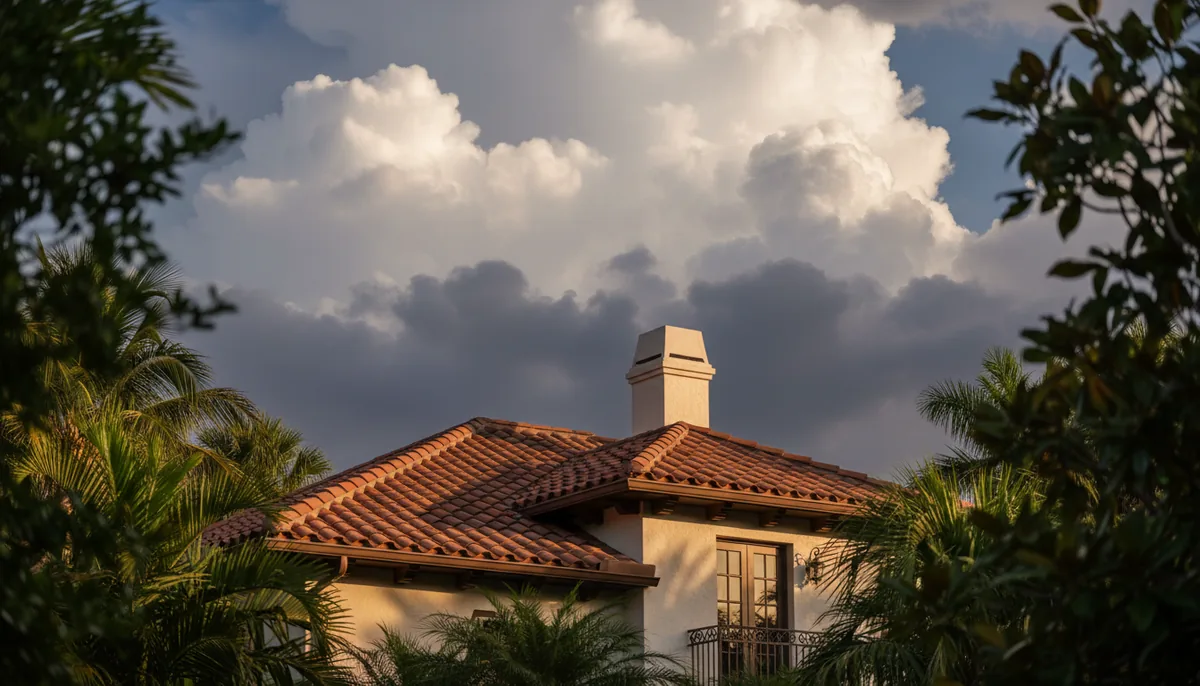
The Florida weather is the boss
The sun is brutal. The UV degradation on membranes happens faster here than most places. And the afternoon thunderstorms in the summer roll in like clockwork around four o’clock. I have been on roofs where I watched the clouds build and knew I had maybe twenty minutes to get down.
That means repairs get rushed. And rushed repairs fail. I have seen patch jobs fail because the crew forgot to clean the surface properly, or they applied the patch when there was moisture in the air. It’s not magic. It’s just you can’t fight the wheather when the weather is always trying to fight you.
Call it a high-tolerance roof climate. Give or take a few hundred thunderstorms a year.
If you are serious, here is how to start
Do your homework. Find a licensed contractor. Verify the license is active and the number starts with CCC if you want them to work anywhere in the state. Ask about permits. Ask about the 25% rule and wether your roof was built under the 2007 code or later.
If the roof qualifies, a partial repair is more realistic than it used to be. If it doesn't, be ready for the full replacement conversation.
There is also the My Safe Florida Home program, which some people find helpful for certain improvements, though the details change. And Citizens Property Insurance Corporation is the one a lot of Floridians know too well. The rules for them shift around too.
Look, roofs are a pain. I stand on them all day. The sun is hot. The gravel is sharp. But the work is honest, and the rules are the rules.
Questions I get asked
How do I search for "rv roof repair florida" and get somebody legit?
Searching is fine, but don't stop at the first result. Cross-reference the contractor's license number on the DBPR roll. The directory at floridaroofingdirectory.com is a good start because they verify licenses, but you should still check the number yourself. If the number is registered (RC) and you're not in their jurisdiction, move on.
My roof leaks and my insurance won't call me back. What now?
Read your policy's declarations page first. Coverage varies. Don't assume because your neighbor's claim was covered, yours will be. Then get a licensed contractor to look and document the damage. You need a paper trail. If you can't get a hold of your adjuster, keep calling, but don't wait forever to start the repair, because the leak gets worse.
Is there a government program to help pay for a roof?
There's My Safe Florida Home, and you're also going to hear about Citizens Property Insurance Corporation, but the details change and they have criteria. I’m not the authority on their current application process. Go to the official site and read it yourself.
What is the difference between a certified and a registered contractor?
Certified roofers have a CCC prefix and can work anywhere in Florida. Registered roofers have an RC prefix and can only work where they were licensed. I've pointed this out to plenty of homeowners who had a contractor from two counties over, and they had no idea. The license number tells the whole story.
Do I really need a permit for a simple repair?
Yes, if it’s a replacement or a significant repair. The local building department will tell you what triggers it. And the inspection afterwards is for your protection. Skip the permit and you could have trouble later with insurance or a home sale. I always tell customers to pull the permit. Don't give the insurance company a reason to deny you.
Why are all the flat roofs made of TPO now?
TPO is a single-ply membrane that reflects heat well and it's cheaper to install than some other options. It’s what you see on a lot of commercial buildings these days. For an RV roof, different materials apply. But the principle is the same: keep the water out and the seams tight. You get a good installer and the material lasts.