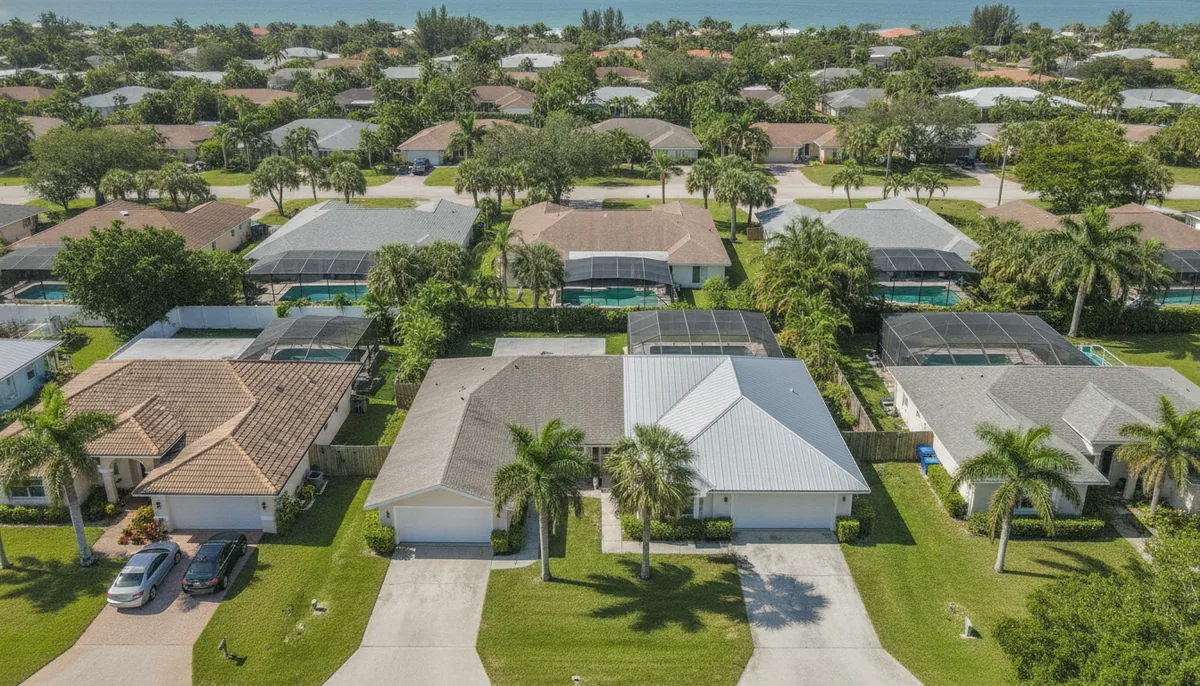
Central Florida insurance roof restoration: What Florida Homeowners Should Know
By Shelly Marchetti, Florida homeowner advocate. Reviewed by Hal Winstead, Editor, licensed roofing contractor. Let me tell you about a Tuesday afternoon in Winter Park I still think about. A homeowner named Carol had a tile roof that had leaked for three years, and she had a stack of adjuster reports that all said the same thing: "wear and tear, not covered." Her insurer had just denied her claim for the third time. I asked to see her original policy and the date she'd first reported the damage. She looked at me funny. "Why would that matter?" she said. Because, Carol, the law changed, and nobody told you. She was three months past the one-year deadline to notify her insurer, and under Florida Statute 627.70132, that was that. Her covered loss was gone. Not because the policy didn't cover it, but because the clock ran out.
I'm Shelly Marchetti. For years I've helped Florida homeowners read the fine print on their insurance quotes, their contracts, and especially their denial letters. I'm not a lawyer and not a licensed adjuster, so I'll always point you to your own policy and the DBPR roll, but I know how to read the documents that stand between you and a new roof. And beleive me, the paperwork is where most Central Florida claims go to die. If you are starting from scratch and you do not even know who to call, the trick is to find a contractor who actually knows how to file a supplemental claim. You can look through a directory like residential roofing companies in Florida to see who is active in your county, but remember the directory verifies licenses against the DBPR roll; that is your starting point, not the finish line.
The problem is that most homeowners I meet think the fight is about the condition of their roof. It is not. It is about dates, forms, and code editions. And in Central Florida, where a hailstorm in one neighborhood can wreak havoc while the next street over stays bone dry, the difference between a paid claim and a denied one often comes down to wether you knew what to do in the first thirty days after the storm.
The one-year notice trap that eats good claims
Here is the rule that changes everything. Under Florida Statute 627.70132, as amended in 2022, you have to give your insurer notice of an initial or reopened property insurance claim within ONE YEAR of the date of loss. For a supplemental claim, you have eighteen months from the date of loss. Before the 2022 amendment, you had three years. Now you do not. And the clock starts running from the date the damage happened, not from the date you discovered it, not from the date the roofer told you it was bad, not from the date you finally got around to calling.
What does that mean practically? It means if a storm hits your roof on July 1, 2023, and you do not file a claim until August 1, 2024, your insurer can deny it completely, even if your roof is destroyed and your policy clearly covers it. The deadline gives them a complete legal defence. I of seen this exact scenario happen to a widow in Lakeland whose tree went through her roof. She waited to file because she was scared her premiums would go up. By the time she called me, she had no claim left to file. The law is unforgiving, and it does not care why you waited.
What I would actually do: Treat the storm date as your due date. Call your insurer the day after the storm, even if you are not sure there is damage. A claim you open and later decide not to pursue is alot less painful than a claim you never file because you waited too long.

Why I want you to read your policy declarations page before you call a roofer
Here's the thing nobody tells you. Your roofer does not know what your policy covers. I do not know what your policy covers. You do not even know what your policy covers until you sit down and read the declarations page, and then read the policy forms it references. Coverage varies wildly by policy. Some policies have actual cash value for roofs over a certain age. Some replace on a "law and ordinance" basis. Some exclude wind damage entirely unless you bought a seperate wind endorsement.
When I meet with homeowners in Orlando, I ask them three questions before I ever look at their roof. When did the damage happen? When did you report it? And what does your declarations page say your roof coverage is? If they cannot answer that last question, I send them back to their paperwork. Because if you are about to sign a contract with a roofing company based on a guess about your coverage, you are building your whole restoration on sand. Read the page. Look for the section that says "Coverage A – Dwelling" and the limits and deductibles. If it makes no sense to you, call your agent and ask them to explain your roof coverage specifically.

The wind mitigation inspection is a discount, not a hassle
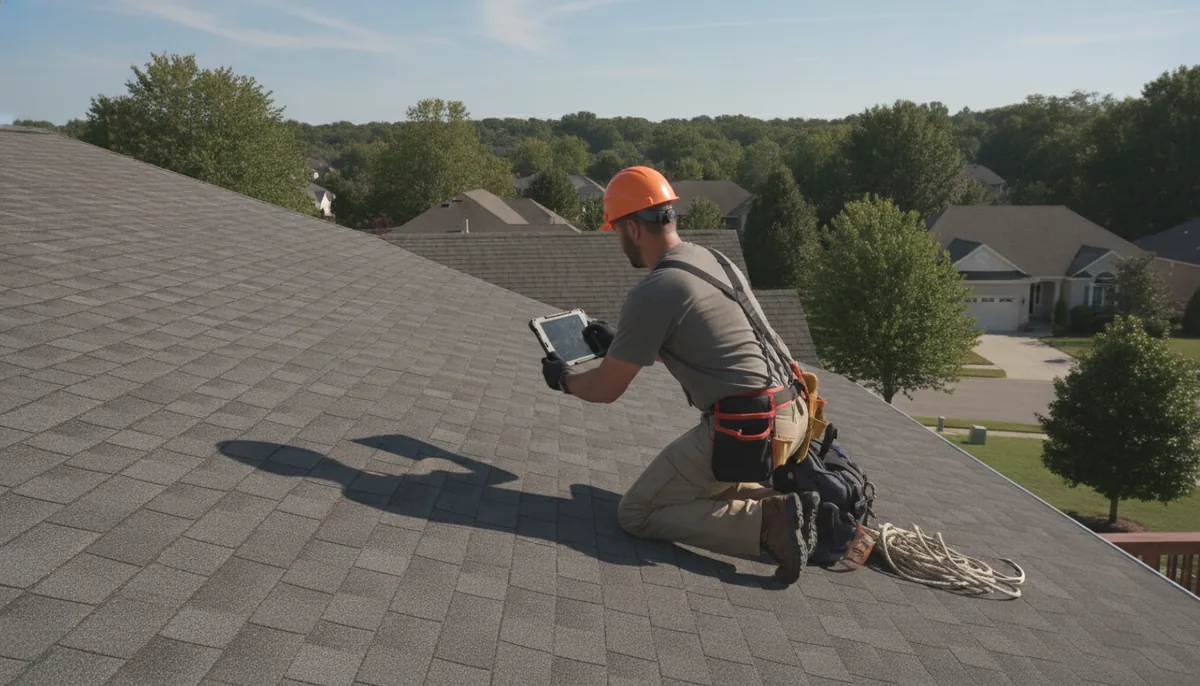
Florida insurers are required to offer premium discounts for certain hurricane-hardening features on your roof. The standard form for documenting those features is the OIR-B1-1802, which is what a certified wind mitigation inspector uses to check six things: roof covering, roof deck attachment, roof-to-wall connection, roof geometry, secondary water resistance, and opening protection. I know that sounds like a lot of jargon. Call it a physical for your roof's ability to stay on your house in a storm.
A good wind mitigation inspection will tell you exactly what features you have, and the discount you open up can easily cost less than the inspection itself. The inspection fee is usually modest, and the annual premium reduction can be substantial, depending on what the inspector finds. In Central Florida, the geometry of your roof matters a lot. A hip roof with a 5-on-12 pitch and proper deck attachments will score better than a gable-end roof with older nails. You cannot change your roof geometry without a huge project, but you can know what you have, and you can make sure you are getting the credit you already paid for when your roof was built.
What I would actually do: Before I hired anyone, I would book a certified wind mitigation inspector to do the OIR-B1-1802 form and I would send a copy to my insurer. It costs a little money and it usually pays for itself in one year of premium savings. And if you are getting quotes for a new roof, ask the roofer if their contract includes an upgraded secondary water barrier, because on the OIR-B1-1802 form, that feature alone can trigger a meaningful discount.
Citizens and My Safe Florida Home are not the same thing
If you have been turned down by private insurers, you might end up with Citizens Property Insurance Corporation, which is Florida's state-backed insurer of last resort. That is a big deal because Citizens can be picky about the condition of your roof when you apply, and they have been nudging policyholders toward private carriers for years. If you are with Citizens, you still have to follow the same claims deadline rules, the same notice rules, and the same policy reading. There is no magic easier path because the insurer is state-affiliated.
Separately, there is the My Safe Florida Home programme, which is a state programme that offers free wind mitigation inspections and matching grants for qualifying hurricane-hardening improvements to homeowners who meet their criteria. I know the funding is appropriated per cycle and it can run out, so I never tell anyone a grant is currently available. What I say is this: check whether the programme is open. And if it is, get your application in early. It is not a roof replacement grant, usually, but it can help with things like opening protection or reinforcing your roof-to-wall connections, which can lower your premium and make your home more resilient.
What the 25% rule means now, and how the code changed it
Every Florida roofer used to talk about the "25% rule." If more than a quarter of your roof was damaged, the whole thing had to be brought up to current code, which meant a full replacement. A lot of homeowners in Central Florida got their roofs paid for back then because storm damage pushed past that 25% threshold. Then in 2022, the rules changed with SB 4-D. Under the new law, if your roof was built, repaired, or replaced to the 2007 Florida Building Code or any later edition, then only the portion being worked on has to meet current code. A full replacement is no longer automatically triggered.
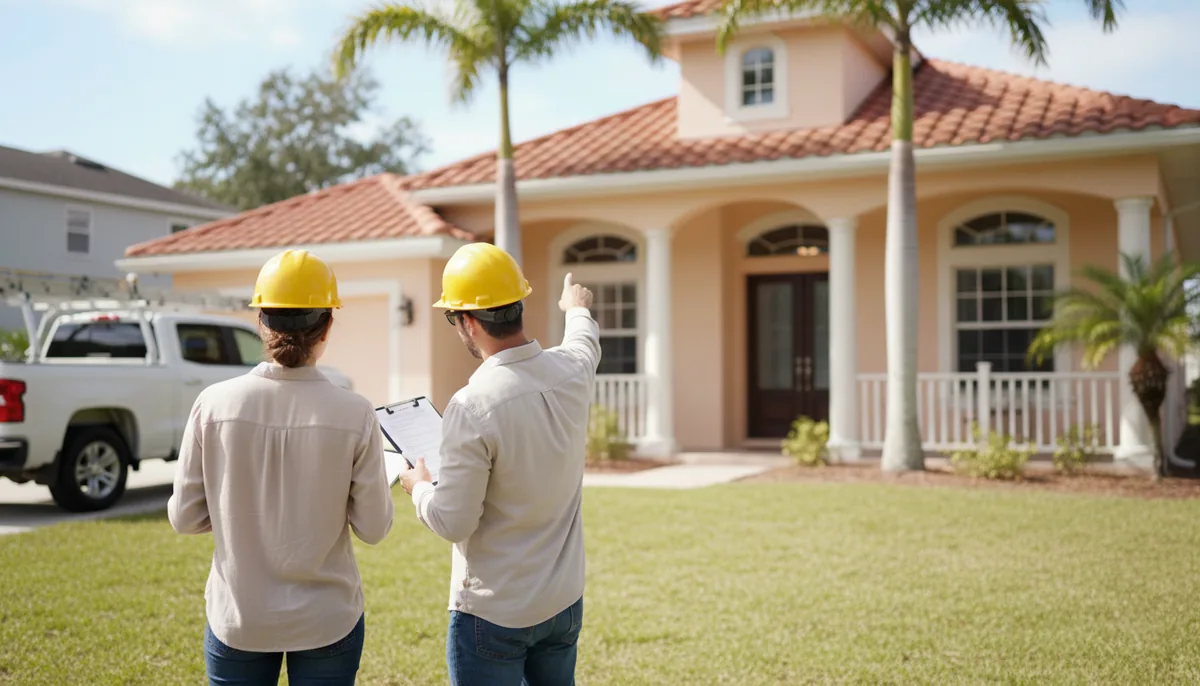
Here is the catch. The 2007 Florida Building Code took effect on March 1, 2009. So if your roof was completed before that date, it does not generally qualify for the partial-repair treatment. That means an older roof with localized damage might only get the damaged section repaired, not a whole new roof. I have been wrong about this before, so always ask your roofer to write out exactly which code edition your existing roof was built to, and do not let anyone hand-wave it. The difference between a $3,000 repair and a $15,000 replacement is often a single date on an old building permit.
I have a friend in Mount Dora who spent two weeks arguing with an adjuster over a denied claim, only to realize the denial letter was not about the roof at all. It was about the age of the roof, which the adjuster said was "worn" because it was fifteen years old. The policy did not exclude wear and tear, but the adjuster wrote a paragraph that made it sound like a blanket exclusion. That is the kind of thing you cannot fight by screaming. You fight it by reading the letter line by line and checking it against your policy's actual language.
Questions I get asked
What if I missed the one-year deadline already?
If the date of loss was more than one year ago, your claim is probably dead, unless you are filing a supplemental claim within eighteen months of the date of loss. You can still file, but the insurer now has a complete defence. Talk to a lawyer who handles first-party property claims, not a roofer, and do not throw more money at the roof until you know whether you have a legal path forward.
How do I prove when the damage happened?
This is the crux of it. I tell people to look at your calendar, your texts, your neighbors, and your security camera footage for the date of a specific storm event. If you have a contractor's estimate dated after the storm, that helps. If your damage was caused by a slow leak that built up over time, the date of loss is less clear, and that is exactly the kind of case you want a lawyer to look at, because the insurer will argue the damage happened slowly and over years.
Does a denial letter always mean I lose?
No. A denial letter is often a form letter with boilerplate language. Sometimes it cites an exclusion your policy does not actually contain. Read the letter and find the specific policy provision it is referencing. Then go read that provision in your policy. If they do not match, you have a basis to push back. And if the letter mentions the one-year notice deadline, that is a very specific legal clock, not a suggestion.
How do I find a roofer who will not take my money and disappear?
You need to verify the license number is active on the DBPR roll before you sign anything. Florida roofing contractors are licensed by the Department of Business and Professional Regulation. A certified roofing contractor has a license starting with the prefix CCC and may work anywhere in the state. A registered contractor has a license starting with the prefix RC and may only work in the local jurisdiction that licensed them. That distinction is huge. Never hire an RC contractor to work outside their jurisdiction, and always check the number yourself.
Should I get three quotes before I file a claim?
Getting three quotes is a good habit, but not for the reason you might think. You do not need three quotes to file a claim. You need one contractor who understands the insurance process and one roofer who will do the work if you get paid. The third quote is useful for use, because the insurance company's adjuster will give you their own estimate, and if your contractor's estimate is higher, you need a reason for the difference.
More from the site
- Insurance roof replacement florida: What Florida Homeowners Should Know
- Roofing insurance florida news: What Florida Homeowners Should Know
- Florida roofing code news: What Florida Homeowners Should Know
- Florida roofing code changes 2015: What Florida Homeowners Should Know
- Florida building code roofing news: What Florida Homeowners Should Know