Insurance roof replacement Florida: What Florida Homeowners Should Know
By Shelly Marchetti, Florida homeowner advocate. Reviewed by Hal Winstead, Editor, licensed roofing contractor.
A sticky afternoon last March in Fort Myers, I stood on a gravel driveway while a roofer peeled back a corner of the underlayment and gave me a look that said it all. The homeowner had found a leak in December, called a public adjuster in January, and waited. The storm that did the damage had hit the previous March. Thirteen months and eleven days later, his insurance company said no thanks – the deadline in Florida Statute 627.70132 had passed. That was it. If you are shopping for roof replacement companies in Florida, do not make that same mistake. Know your date of loss before you know your deductible.
Most people think the clock starts when the damage shows up. It doesn't. The law changed in 2022 and it's harsher now. I'll be honest: I of been wrong about this before. I told a retired couple in Naples they had time to gather bids after a contractor found hidden rot on the back slope. The rot came from a hurricane two years prior. That was a supplemental claim, and the eighteen-month clock had already run out. The insurer returned their claim free and clear, still covered underneath, but no check.
So here is the plain-language version of what I teach homeowners about insurance roof replacement Florida. It isn't legal advice. I'm not a lawyer or a licensed adjuster. I am the person who makes you read your declarations page out loud at the kitchen table. The first thing I'll make you do is find the date that roof got hit.
The deadline that has already started ticking
Florida Statute 627.70132, as amended in 2022, says you must give your insurer notice of an initial or reopened claim within one year of the date of loss. For a supplemental claim – that's when you find additional damage from the same event later – you get eighteen months. It used to be three years. Not anymore. The clock runs from when the damage happened, not when you discovered it. Missing it gives the insurance company a complete defense even on a loss that would otherwise be covered. Ask any roofer in this state how many jobs they lost because a homeowner sat on a claim too long. The contractor calls me and says "she had water in the kitchen for a week" and my first question is always: when was the storm? You cannot stall your way into a new roof.
What I would actually do: Open the claim the same week you notice any damage, even if you think it's under your deductible. A late claim is a dead claim. An early claim can be closed later if the repair is cheap.

The 25% rule is not the monster it used to be
I keep a running list of roofing myths, and this one is at the top. For years Florida's building code said if you repaired or replaced more than a quarter of your roof in any 12-month period, you had to bring the whole roof up to current code. That sent alot of roofs into full replacement status. SB 4-D (2022) changed that. If your roof was built, repaired, or replaced under the 2007 Florida Building Code or any later edition, then only the portion being worked on needs to meet current code. A full replacement is no longer automatically triggered. The catch: the 2007 code took effect on 1 March 2009. So a roof completed before that date generally doesn't qualify for the friendlier rule. Depends what is under there, honestley. You might still trigger a full replacement if the decking is shot or if the existing roof has too many layers. But don't let a salesperson tell you the law forces a whole new roof when it actually allows a repair.
On a side note, this rule only matters for code compliance, not for insurance coverage. Your policy might cover one thing while the code requires another. Read your policy language, and never let a roofer tell you what your policy covers. They haven't read it. I guarantee it.

A wind mitigation inspection is the cheapest roof tool you will ever buy
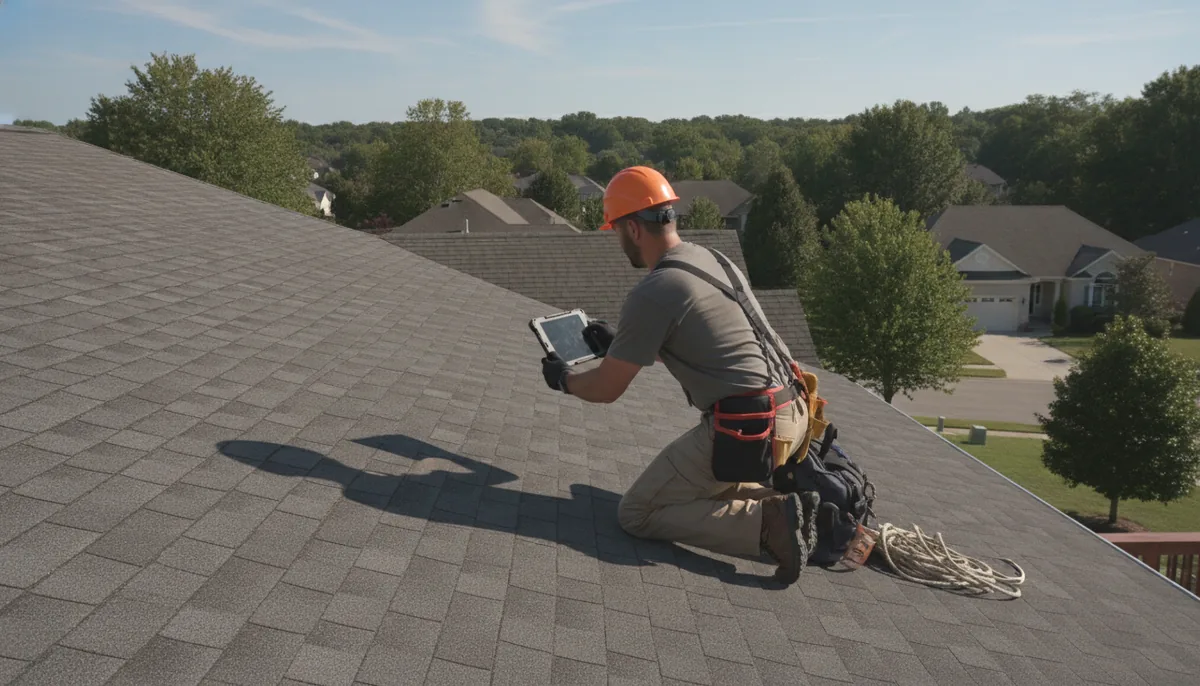
If you don't already have a wind mitigation report, get one before your next renewal. The inspection documents your roof covering, roof deck attachment, roof-to-wall connection, roof geometry, secondary water resistance, and opening protection. Insurers in Florida have to offer premium discounts for qualifying features. The standard form is OIR-B1-1802. The inspection costs far less than the annual discount it can open up, and that discount comes back every year. I've seen a homeowner in Venice literally laugh at his renewal notice because the number dropped by more than he expected after the report was filed. Even if your roof is old, you may have features that keep your premium lower while you save up for the replacement. Call your insurer first and ask how they want the inspection handled. Some want a specific inspector from their list.
Citizens and My Safe Florida Home: the safety nets with strings
Citizens Property Insurance Corporation is Florida's state-backed insurer of last resort. You usually end up there after a private company non-renews you, or when nobody else will quote you a price that doesn't require a second mortgage. Citizens isn't the worst thing in the world, but those policies have their own quirks, and the premium can climb. That's why My Safe Florida Home exists. It's a state programme that offers free wind mitigation inspections and, when it's open, matching grants for hurricane-hardening improvements to qualifying homeowners. The funding is appropriated per cycle and can run out, so I'm not going to tell you a grant is available today. I'll tell you to check wether the programme is open. If it is, a free inspection alone is worth an afternoon. The grant money can help with roof deck reinforcement or shutters or secondary water barriers, which also makes you look better to private insurers.
Unrelated gripe: whoever scheduled Florida's roofing season to overlap with mosquito season should be forced to stand on a ladder in a swamp. If you are getting estimates in June, bring a head net. And some beer for the crew. Not that you asked.
Certified or registered: the letters on a roofer's license matter
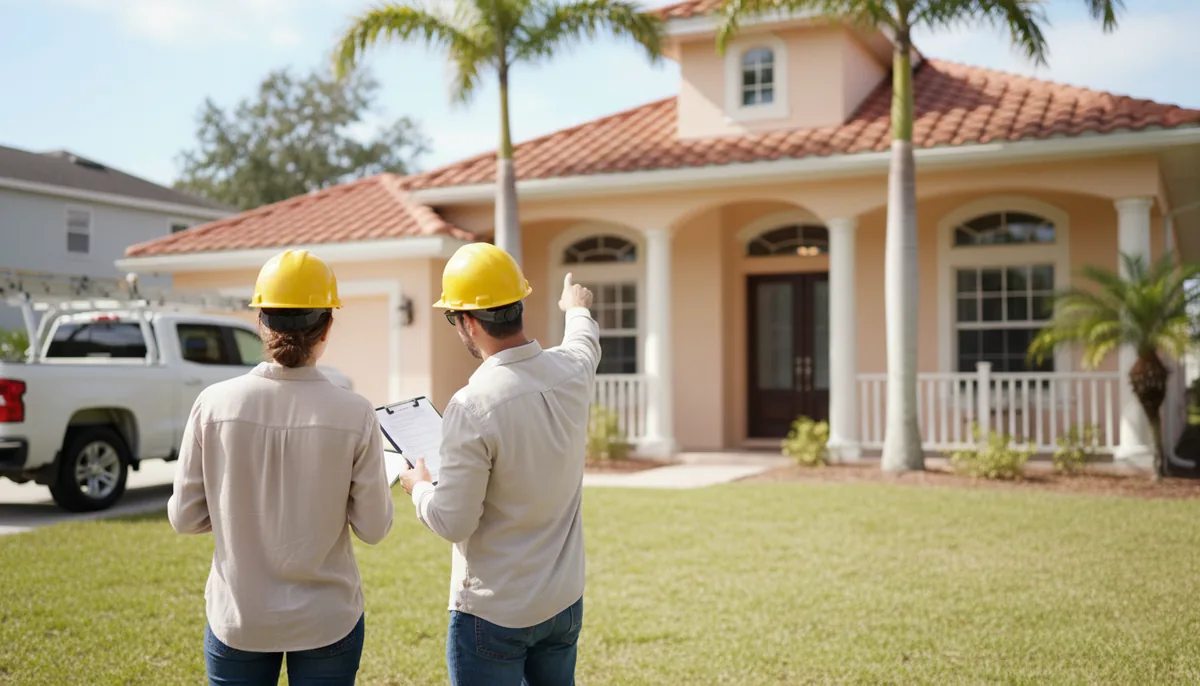
Florida roofing contractors are licensed by the Department of Business and Professional Regulation, the DBPR. A certified roofing contractor has a license that starts with CCC and can work anywhere in the state. A registered roofing contractor has a license that starts with RC and can only work in the local jurisdiction that issued it. Always verify the number is active. I say "always" because I have seen a laminated card with a CCC number that belonged to someone else entirely. The DBPR roll is public. You can check it from your phone while the contractor is standing on your driveway. If a guy says "I'm registered" and your county isn't the one on his license, that's a hard pass. If he can't produce a license number at all, thank him and close the door. The directory I linked up top verifies licenses against the DBPR roll, but you still should look at the fine print on your own contract.
What I would actually do: Before you let anyone on the roof, get their full license number and search the DBPR roll. Then ask for their certificate of insurance and call the agency on it. A roofer who won't give you that is a roofer you should not have.
When insurance roof replacement Florida gets denied, read this first
Here's the thing about denial letters. They're written by lawyers who assume you won't read past the first page. I make homeowners read the whole thing, especially the section that says "reason for denial." In Florida, after 2022, the most common reason I see is the one-year claim deadline. The second most common is a dispute over whether the damage came from a covered peril or from plain wear and tear. Policies differ. I cannot tell you what your policy covers without reading it, and neither can your roofer or your friendly neighbor. Ask the claims adjuster to point to the policy language that excludes you. If they can't, send a written challenge with photos, a roofer's estimate, and any wind mitigation report you have. The appeal is not the time to be shy. It's also not the time to invent a storm date that doesn't match the actual records. Insurers check wheather databases.
Questions I get asked
How long do I have to file an insurance roof replacement claim in Florida?
You have one year from the date of loss for the initial claim, and eighteen months from the date of loss for a supplemental claim under Florida Statute 627.70132. That is a hard deadline. Missing it gives the insurer a complete defense, even on a loss that would otherwise be covered. The date of loss is when the hurricane or storm hit, not when you first noticed the stain on your ceiling.
Can I get a new roof if my policy says roof damage is excluded?
Coverage varies, so the only honest answer is to read your declarations page and the coverage form. If your policy excludes wind or excludes roofs over a certain age, no argument from a roofer will change that. But if you have evidence of a covered event, file the claim and let the insurer put the exclusion in writing. Sometimes they'll back off.
What is the difference between a CCC and an RC license?
A certified roofer's license starts with CCC and allows work anywhere in Florida. A registered roofer's license starts with RC and limits work to the local jurisdiction that issued it. You can confirm either one on the DBPR roll. An active RC license from Dade County won't help you in Broward.
Should I get a wind mitigation inspection before the roof replacement or after?
Before, if you can. The inspection gives you a discount on your current policy while you wait, and it documents the existing roof so you can compare bids fairly. The standard form is OIR-B1-1802. After the replacement, get another one so you get credit for the new roof features.
Does My Safe Florida Home give grants for whole roof replacements?
No. It offers free wind mitigation inspections and, when funding permits, matching grants for hurricane-hardening improvements. That includes things like reinforcing the roof deck or upgrading the secondary water barrier. It is not a roof replacement assistance program. And the funding runs out per cycle, so always check if it's open before you get excited.
More from the site
- Roofing insurance florida news: What Florida Homeowners Should Know
- Florida roofing code news: What Florida Homeowners Should Know
- Florida roofing code changes 2015: What Florida Homeowners Should Know
- Florida building code roofing news: What Florida Homeowners Should Know
- Roofing insurance central florida: What Florida Homeowners Should Know