Energy saving roofing systems Florida: The Florida Guide
By Dale Prescott, Roofing contractor, Central Florida. Reviewed by Hal Winstead, Editor, licensed roofing contractor. I remember an afternoon in Winter Park, tearing off three layers of worn out barrel tile from a 1950s ranch while the August sun cooked us from above and the homeowner stood in the yard asking why his AC never shut off. We found the real problem once the deck was bare: no radiant barrier, no intake ventilation worth a damn, and six inches of pink fiberglass that had settled flat as a pancake. The roof was the least efficient part of that house, and I told him so. That conversation has played out in some form nearly every week for the last twenty-two years.
Folks here in Central Florida ask me about saving money on their electric bill, and they usually start with the AC unit. Sometimes that is the answer. But the roof is what takes the beating from that Florida sun all day long, and if you are thinking about a replacement, it pays to think about what is going on your house as something other than just shingles. It is an energy system. If you want to find a reputable contractor who can talk through these options, check out this list of energy efficient roofing companies in Florida from the directory — that is a good place to start your homework before you ever pick up the phone.
Now, let me be clear about one thing. I run tile and shingle crews. I am not a scientist or an engineer, and I of been wrong about this before. But I have seen what works on a thousand roofs between Orlando and the coast, and I know the building code and the insurance game well enough to keep you from getting burned.
The first thing I tell homeowners: the color is not the whole story
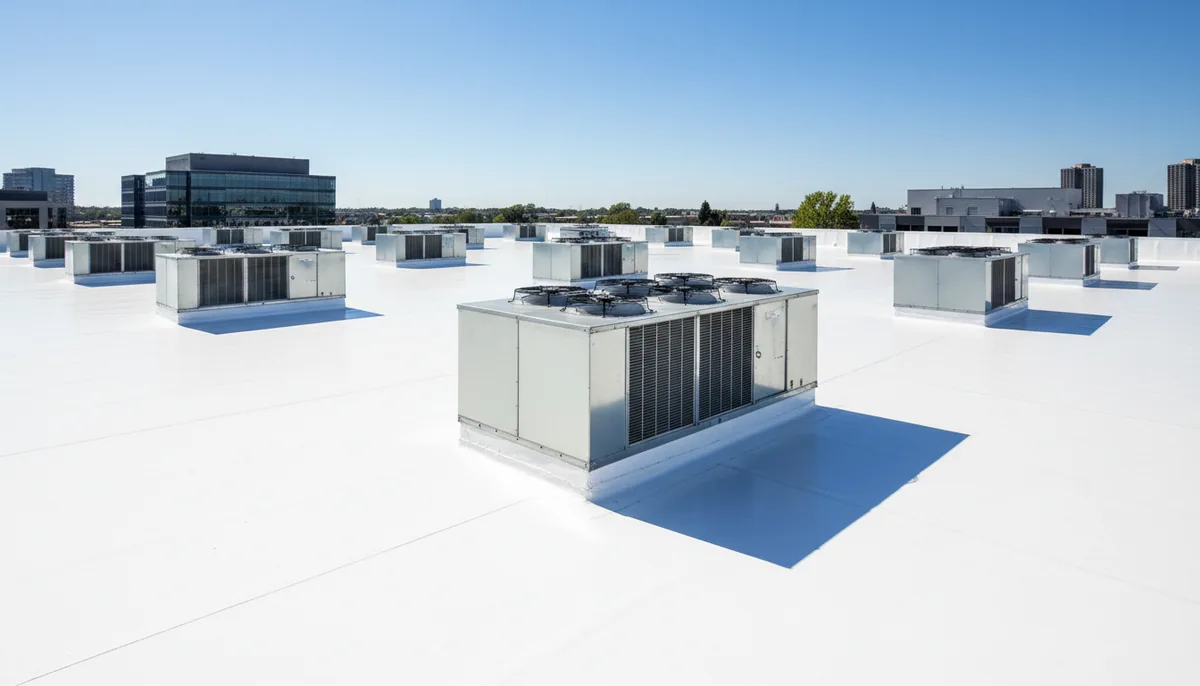
A white or light-colored roof will reflect more sunlight than a black one. That is not a mystery. But in Florida, you are fighting two seperate enemies: the radiant heat from the sun and the hot air that builds up in your attic. A cool roof coating can help with the first one, but if your attic is a blast furnace, the heat still radiates down into your living space.
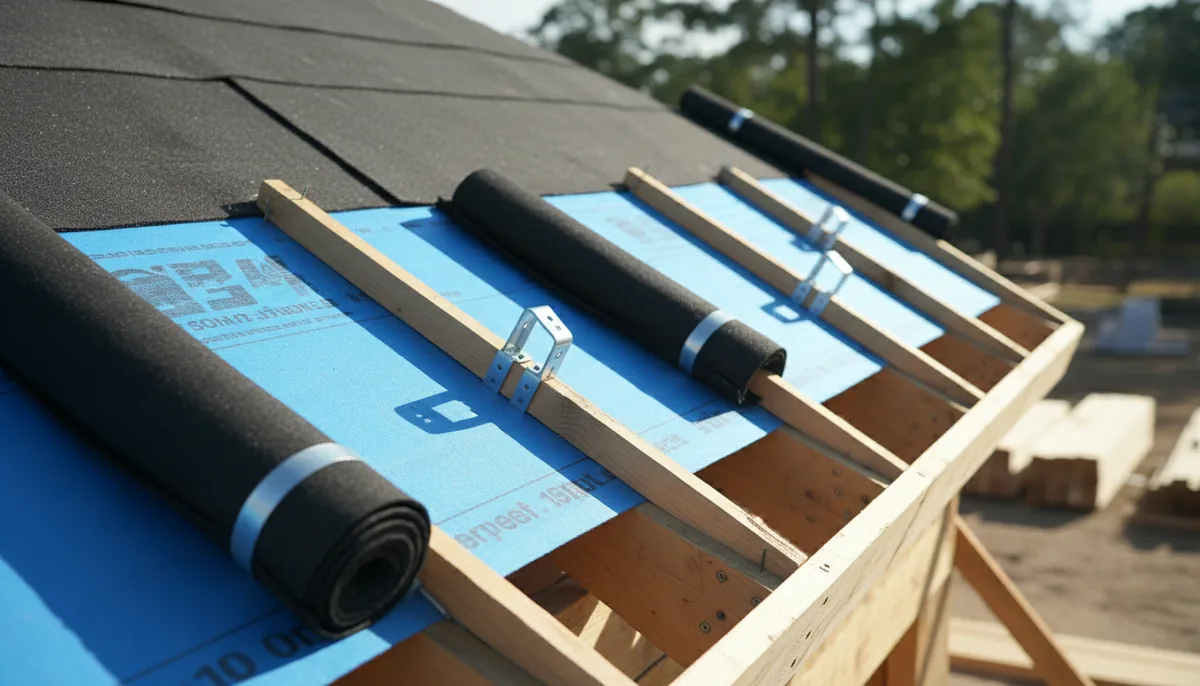
We install alot of radiant barriers on the underside of the roof deck when we do a tear-off. It is basically a reflective foil that blocks the radiant heat transfer. It is not that expensive when you are already taking the roof off, and it can make a real difference in the temperature of that attic space. I have been back to houses a year later where the homeowner tells me the upstairs bedrooms are finally livable in July. That is not me bragging. That is just physics.
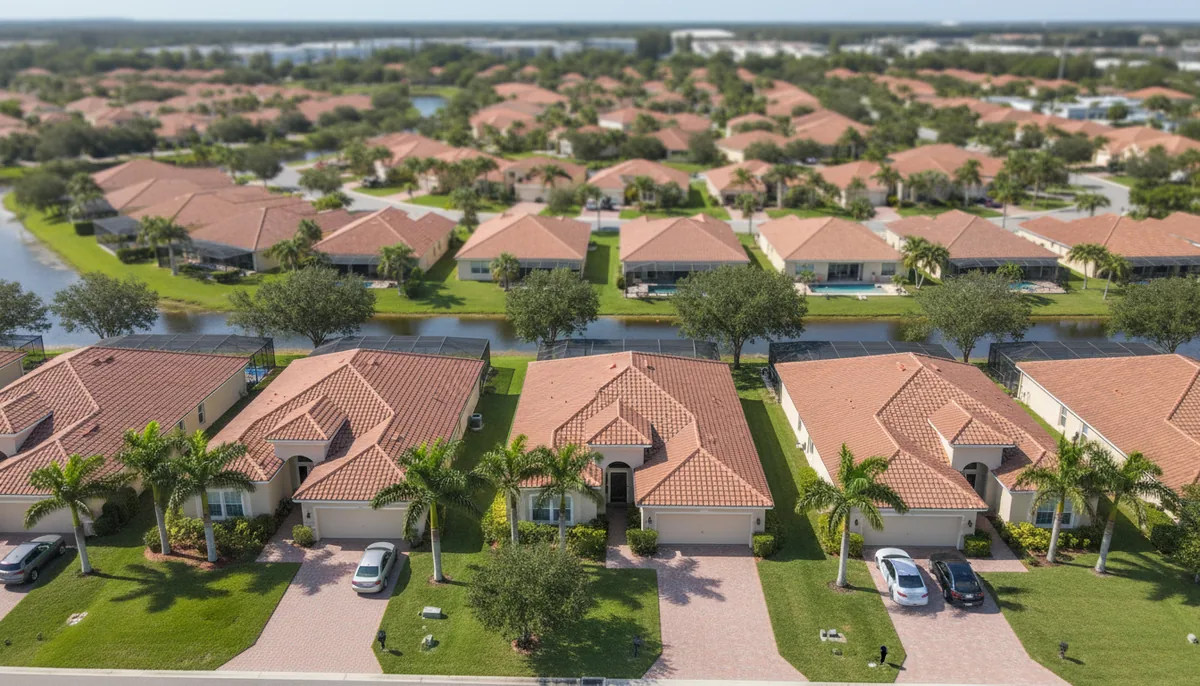
For shingle roofs, you can get "cool" shingles that are rated for solar reflectance, but the color palette is limited. With tile, you have more options, but the tile's mass holds heat, too. What works best depends on your house, your roof pitch, and what is under there. That is why there is no single "best" product — and why you should be suspicious of anyone who tells you otherwise without looking at your attic first.
That energy saving roofing systems Florida thing you search for
Searching for "energy saving roofing systems florida" gets you a lot of websites. Some are great. Some are thin on details. Let me save you some time. An energy efficient roof in this state is about three things. First, it reflects some of that solar radiation. Second, it keeps heat from soaking into your deck and your attic. Third, it works with your ventilation system to push hot air out. If a contractor only talks about the color and the brand name, they are missing half the job.
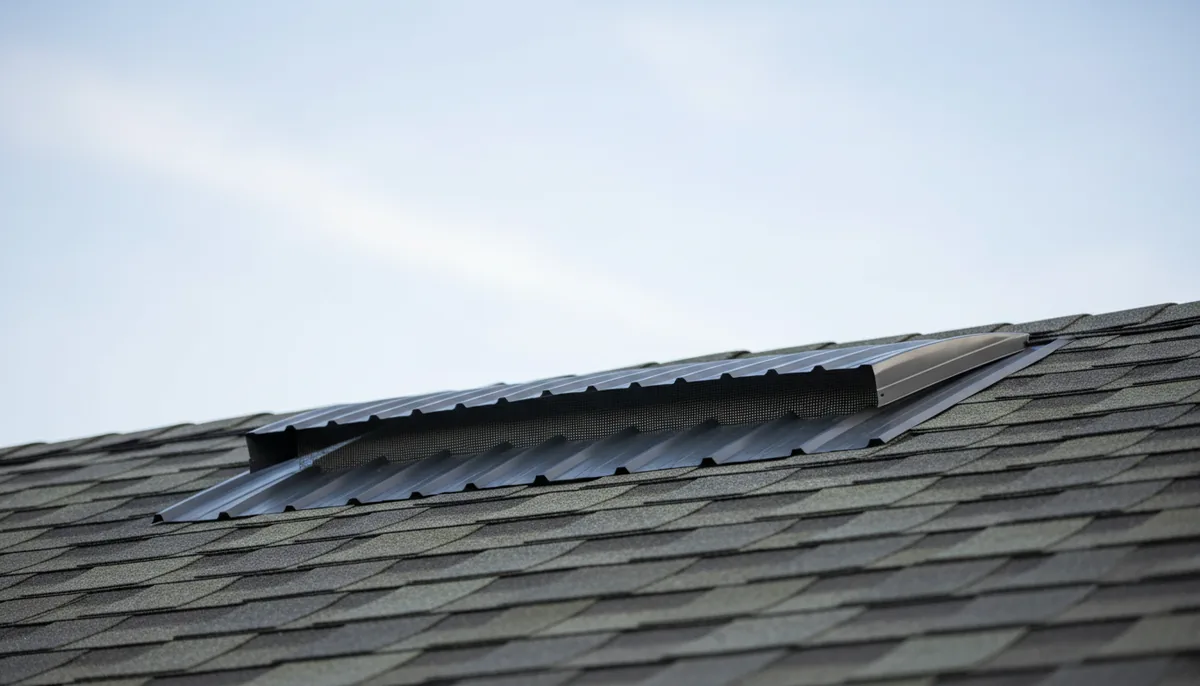
We see a lot of ridge vents and static vents around here. You need a balance between intake at the soffit and exhaust at the ridge. If you don't have soffit vents, you can't get good airflow. I have gone into attics that were 140 degrees in October because someone just slapped on a ridge vent and called it done. The mechanics matter more than the fancy name on the box.
And a word on the green stuff. There is a certain kind of homeowner who asks about "solar" shingles or PV panels on every estimate. That is fine — you do you — but it is a different animal entirely. I am a roofer, not an electrician, and I always tell them to talk to a licensed solar contractor. My job is to make the waterproof envelope right. Their job is to generate the power. Don't let anyone blur those lines.
What changed with the 25% rule, and why you need a permit
Anyone whose roof got damaged in a storm around here has heard the rule of thumb: if more than 25 percent of the roof is damaged, you have to replace the whole thing. That was the old code. It was a pain in the neck, but it was the law. Then the legislature passed SB 4-D back in 2022, and it changed how that rule applies.
The short version is this. If your roof was built, repaired, or replaced under the 2007 Florida Building Code or a later edition, you no longer have to bring the whole roof up to current code when you repair or replace part of it. Only the portion you are working on has to meet the current code. Now, here is the catch. The 2007 code did not take effect until March 1st, 2009. So if your roof is older than that, it probably does not qualify. I use "probably" because a lot depends on when it was actually permitted, and I am not a lawyer. The point is you can't rely on an old rule of thumb anymore.
You still need a permit. That has not changed one bit. A roof replacement in Florida requires a permit from the local building department and an inspection. I have had homeowners ask me to skip it to speed things up and save a few bucks. I turn them down. An unpermitted roof can be a nightmare when you file an insurance claim or try to sell the house, and it is not a risk I will take on my license. The inspection protects you. It protects me. Do not walk away from a contractor who offers to skip the permit. Run.
Wind mitigation is the closest thing to free money you will find
Here is something that surprises a lot of people. The single best "energy saving" improvement you can make might not be about your electric bill at all. It is about your insurance premium. Florida law requires insurers to offer discounts for homes with features that make them more resistant to wind damage. That is in Florida Statute 627.70132, and it has been a big help for my customers.
How you get that discount is through a wind mitigation inspection. The inspector documents your roof covering, the roof deck attachment, how the roof connects to the walls, the roof geometry, wether you have secondary water resistance, and the opening protection on your windows and doors. They fill out a standard form, which is form OIR-B1-1802. I always tell folks to make sure they get a copy of that form after the inspection. You are going to need it to send to your insurance company.
The inspection costs nowhere near what the annual discount can save you. I have seen people save hundreds of dollars a year. And listen, I am not a licensed adjuster and I do not know what your specific policy covers. Policies vary. You have to read your declarations page and check with your own agent. But if you are getting a new roof anyway, in Florida, the deck attachment and the secondary water barrier are things we can control. Installing them properly might qualify you for a discount that helps pay for the upgrade over time.
What I would actually do: If I were getting a roof in Central Florida, I would ask my roofer for a nail pattern that meets the wind mitigation requirements and make sure they install a self-adhered membrane or equivalent secondary water barrier. Then I would pay for a wind mitigation inspection after the work is done. It costs a couple hundred bucks, and you will likely get the form and the savings that go with it.
Vinyl windows and impact glass have nothing to do with your roof
Okay, that is my gripe for the day. The insurance companies want to know about all of it, but a roof contractor gets asked about impact windows all the time. No, I do not install windows. Call a window guy. But yes, your opening protection affects your wind mitigation rating, which can affect your premium. That is a conversation for you and your insurance agent, not for me.
The one thing I will say about wind mitigation and roofing is this: if you have a steep, complicated roof with lots of hips and valleys, the geometry works against you for the discount. That is just the way the scoring works. A simple gable end roof will often score better. You cannot change the shape of the house, and I would not recommend a full roof replacement just to chase a hip-and-valley discount that may or may not materialize. It depends on the insurer.
The worst thing is a homeowner who spends years paying for a policy and never checks the discount they are entitled to. The state requires them to offer it. You just have to give them the documentation. And if your current company is not giving you a straight answer, you can always take the form OIR-B1-1802 and shop around. Competition works both ways.
Hiring the right crew gets you further than the product spec sheet
Check the license. The state's Department of Business and Professional Regulation handles roofing contractor licenses down here. A certified contractor's license starts with the prefix CCC, and that means they are licensed to work anywhere in the state. A registered contractor starts with RC, and they are restricted to the local jurisdiction that licensed them. I have seen homeowners hire the wrong one and end up in a mess. Always verify the license number on the DBPR roll is active. The roofing directory I mentioned earlier does this verification for the companies it lists, but you should still check it yourself when you interview anyone.
What I would actually do: Go to the DBPR website before you sign anything. Look up the license number. If the name on the license does not match the name on the contract, do not hire them. That sounds obvious, but you would be shocked how many times the guy shaking your hand is not the guy on the paperwork.
Questions I get asked
How much does an energy efficient roof cost?
The cost is priced per square — that is a 10 foot by 10 foot section of roof — and it depends heavily on the pitch, the access, what is under there, and whether you are doing a full tear-off. Adding a radiant barrier or upgrading the underlayment adds to the material cost. No honest contractor can give you a price over the phone without knowing the roof geometry. There are too many variables, and I have seen estimates vary by thousands of dollars for the same house.
Will a new roof actually lower my electric bill?
It can help, especially if your old roof was dark colored, poorly ventilated, and letting heat pour into the attic. A reflective roof and a radiant barrier will reduce the heat transfer. But I have to be straight with you. If you have single pane windows and no insulation in the walls, the roof is only part of the problem. Do not expect a miracle on a 1950s house without addressing the rest of the envelope.
What does the secondary water barrier do?
It is a self-adhered membrane that goes on top of the roof deck but under the shingles or tile. If wind drives rain under your shingles, or a tile breaks, the membrane keeps the water from soaking into the wood deck. It is mandatory in some parts of the state and a high-value upgrade everywhere else. It also boosts your wind mitigation score, which circles back to that insurance discount.
Do I need to replace my whole roof because of the 25% rule?
Not necessarily. The rules changed with SB 4-D in 2022. If your roof was built under the 2007 Florida Building Code or later, you only need to bring the part you are repairing up to current code. But that does not mean you should ignore a damaged roof. Insurance claims are complicated, and if you have storm damage, the adjuster will make that call. I am not an adjuster, so my advice is to get an inspection first and then ask questions.
Can I file an insurance claim for a roof that is just old?
No. Wear and tear is not a covered loss on a standard homeowners policy. Every policy is different, and you need to read yours, but generally a roof that is failing because it is old is a maintainance issue, not a claim. If you have storm damage, that is a different story. If you are not sure what caused the damage, get a roofer and an adjuster to look at it before you file anything.
How long does a tile roof last versus a shingle roof?
Tile can last fifty years or more if the underlayment beneath it is replaced periodically. A lot of folks around here think the tile is the roof, but the tile is mostly a protective skin. The underlayment is what truly keeps the water out. A good architectural shingle in Florida will typically last until the winds take it, maybe twenty-five or thirty years with proper ventilation. But Florida heat is brutal on shingles. It ages them faster than the manufacturer's warranty might suggest.