
Florida roof replacement: The Florida Guide
By Marcy Doleman, Commercial roofing estimator. Reviewed by Hal Winstead, Editor, licensed roofing contractor.
One sticky afternoon in Fort Pierce, I was on a warehouse roof where the modified bitumen had split at every low spot and water was running sideways through the insulation before it ever dripped inside. The facility manager wanted a patch; I could feel the saturated board give under my boots. That’s the moment a small leak turns into a Florida roof replacement, and it’s why you should start with a list of roof replacement companies in Florida before a single ladder touches the wall.
I’m Marcy Doleman, a commercial roofing estimator. I do flat and low-slope work—TPO, modified bitumen, coatings—for warehouses, retail plazas, and schools all over Florida. This guide isn’t from a manufacturer or an insurance company. It’s what I wish owners knew before the bids started: how the old roof rules work, how the wind mitigation form works, and why the cheapest number is usually the most expensive one.
Roofing contractors in Florida are licensed by DBPR, and the DBPR licence prefixes CCC and RC tell you alot right off the bat. CCC means certified, able to work anywhere in the state. RC means registered, limited to the local jurisdiction that issued it. Check that the number is active before you talk membrane. Then talk permit, because every Florida roof replacement requires a permit from the local building department and an inspection. A contractor who offers to skip the permit is a contractor to walk away from. An unpermitted roof can complicate an insurance claim and a future sale, and neither one is worth saving a few dollars on the invoice.
A Florida roof replacement starts with records, not membranes
When I get called about a warehouse or a school, I don’t ask what color they want. I ask when the roof was built and which building code was in force. That date influences more than the membrane choice. If water has gotten into the insulation, that material doesn’t dry out. It stays wet, it gets heavy, and a patch over it just moves the leak to the next seam.
But replacement isn’t the automatic answer. I’ll cut a core or two, probe the deck, and see what is really underneath. Sometimes the problem is one field seam and a terrible scupper detail. Sometimes the deck is rusted through and the whole assembly needs to come off. You can’t know that from the parking lot, no matter how good the drone photos are. Anyone who gives you a hard number from a picture is guessing with a calculator. Call it that.
What I would actually do: Get the permit history and the age of the roof before you request bids. If you already have bids and the roof is older than the current code trigger, ask each roofer to point to the exact section that forces a full tear-off.
What SB 4-D actually changed about the old 25% rule
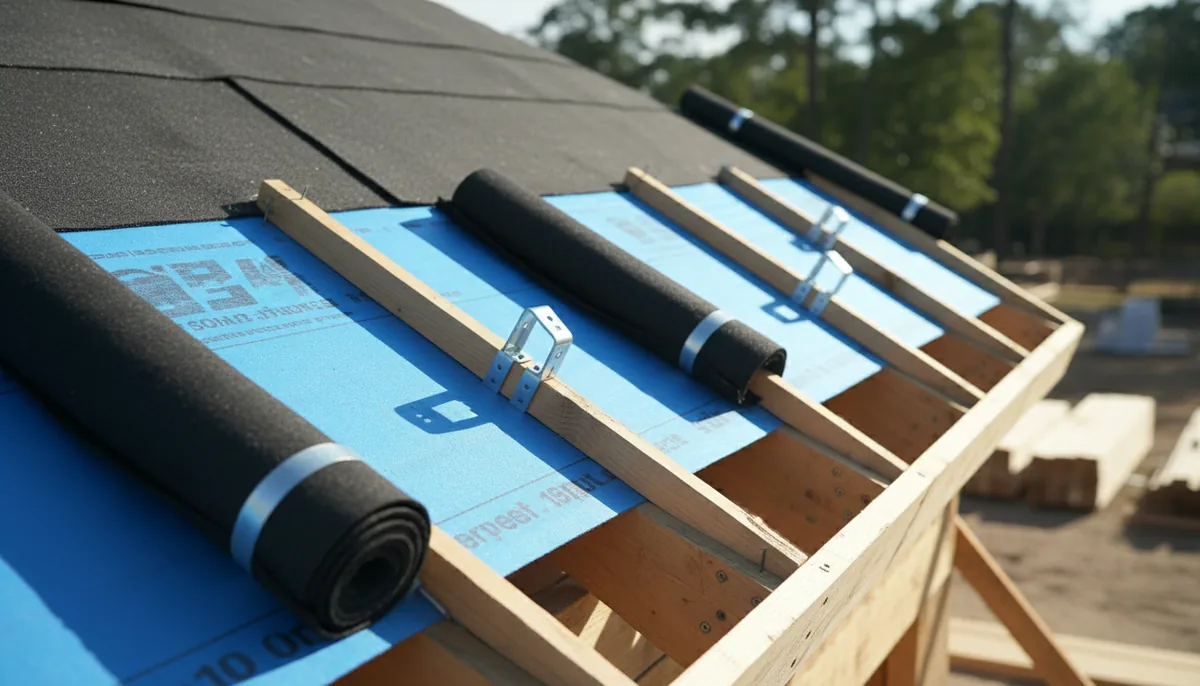
Most old-time roofers in Florida still talk about a 25% rule. Here’s where it came from: if you repaired or replaced more than a quarter of a roof in a twelve-month period, the building department could require the entire roof to come up to current code. That put owners in a bind. A 10,000-square-foot roof with 3,000 square feet of damage? That’s more than a quarter, so replacement became the only legal answer.
SB 4-D (2022) changed that. If the roof was built, repaired, or replaced under the 2007 edition or any later edition, then only the portion being worked on has to meet current code. A full replacement no longer gets triggered automatically just because you crossed some percentage. Roofs completed before the 2007 edition took effect generally don’t qualify, and an old roof may still need to come off for structural reasons. I am not a lawyer, and I don’t play one on a job site. What I do is read the dates, count the layers, and then tell you wether the rule actually applies to your building.
What I would actually do: Ask the estimator to write on the proposal which portion is being repaired, which code edition applies, and why the other portions can legally stay. If the answer sounds like “to be safe,” that’s not a rule.
The permit is the hill I will die on
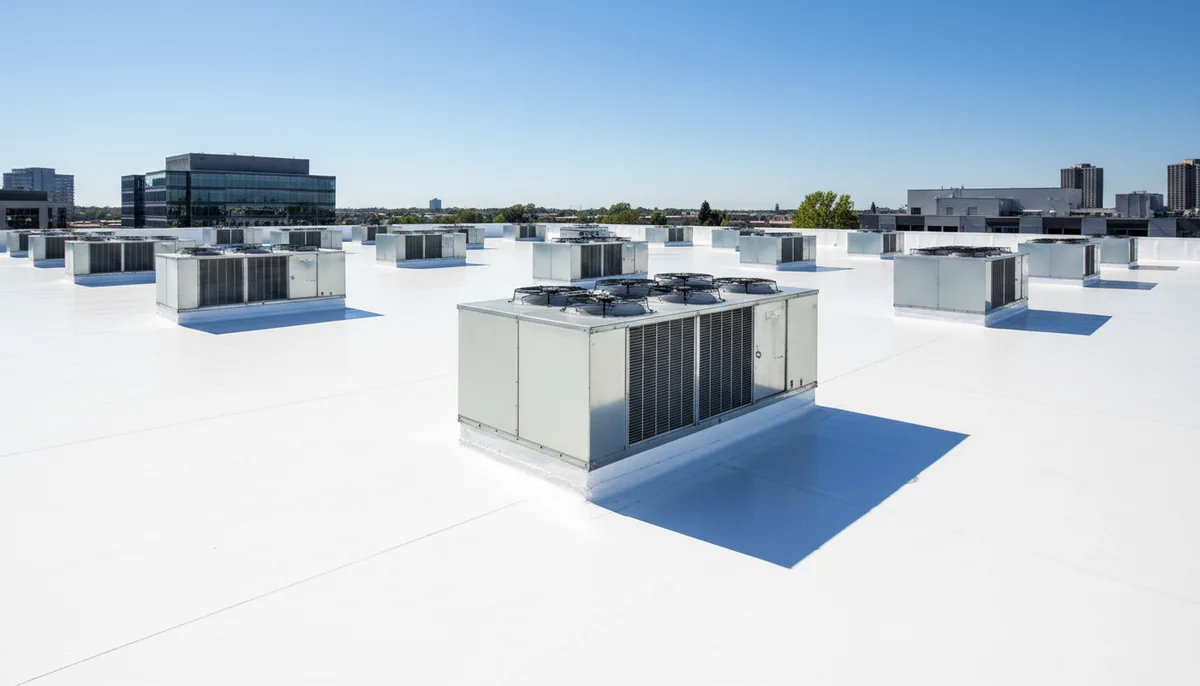
Florida roof replacement permits are local. The city or county building department pulls the permit history, sets the fee, and schedules the inspections. A certified roofer can cross county lines with a CCC number. A registered roofer can’t; they stay in the jurisdiction that licensed them. So before you hire, look at the prefix and the address on the license.
And when a roofer says you don’t need a permit because “it’s just a reroof”? That roofer is wrong. Replacement is replacement. Pull the permit. Let the inspector show up. The inspection is the part of the job that catches what the crew tried to hide under the last row of insulation.
Wind mitigation is the cheapest thing you’ll do after a new roof
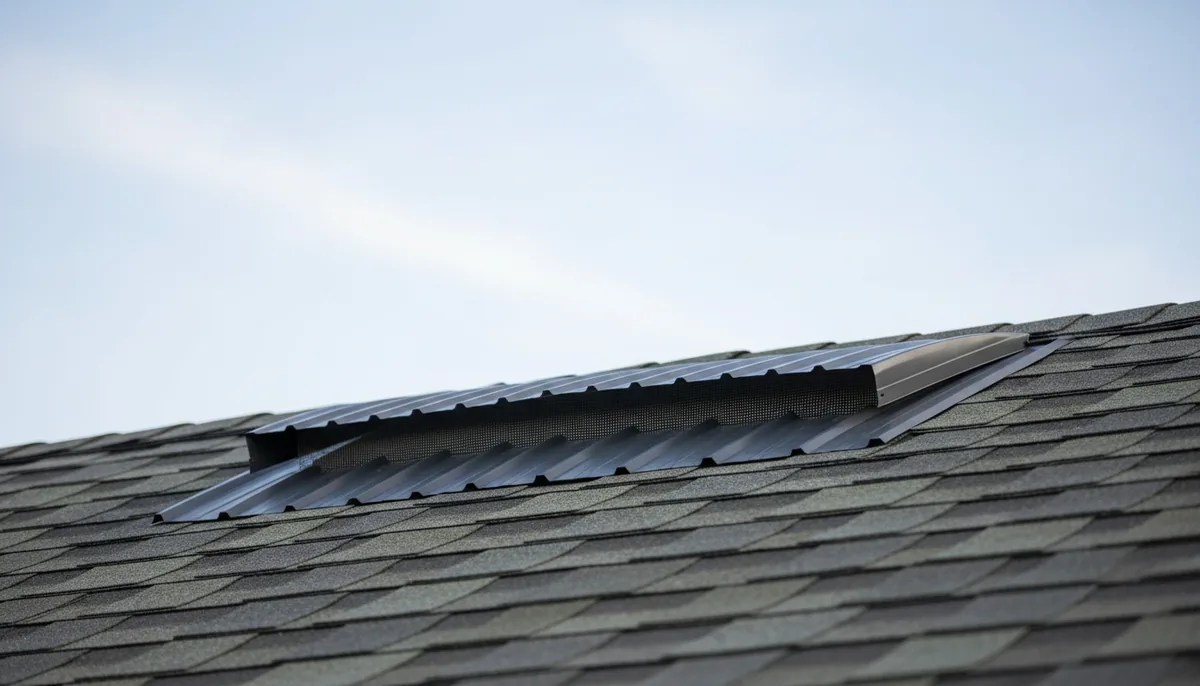
When I finish an estimate for a replacement, I ask two questions. Has the owner had a wind mitigation inspection? If not, why not? The form OIR-B1-1802 records roof covering, roof deck attachment, roof-to-wall connections, roof geometry, secondary water resistance, and opening protection. Florida Statute 627.70132 says insurers have to offer premium discounts for features that pass.
Let me be carefull: I don’t know what your specific policy covers. Coverage varies by policy. Read the declarations page and talk to your agent. But the inspection usually costs far less than the annual discount it can open up. Do it after the new roof is on, while the attachments are still fresh. Don’t let the roofer’s office file it and forget it.
What I would actually do: Schedule a wind mitigation inspection before the final invoice is paid and send the completed form to your agent yourself. Don’t trust the roof salesperson to handle it. It’s a two-minute email that can save money every year for the life of the roof.
What I price after the membrane comes off
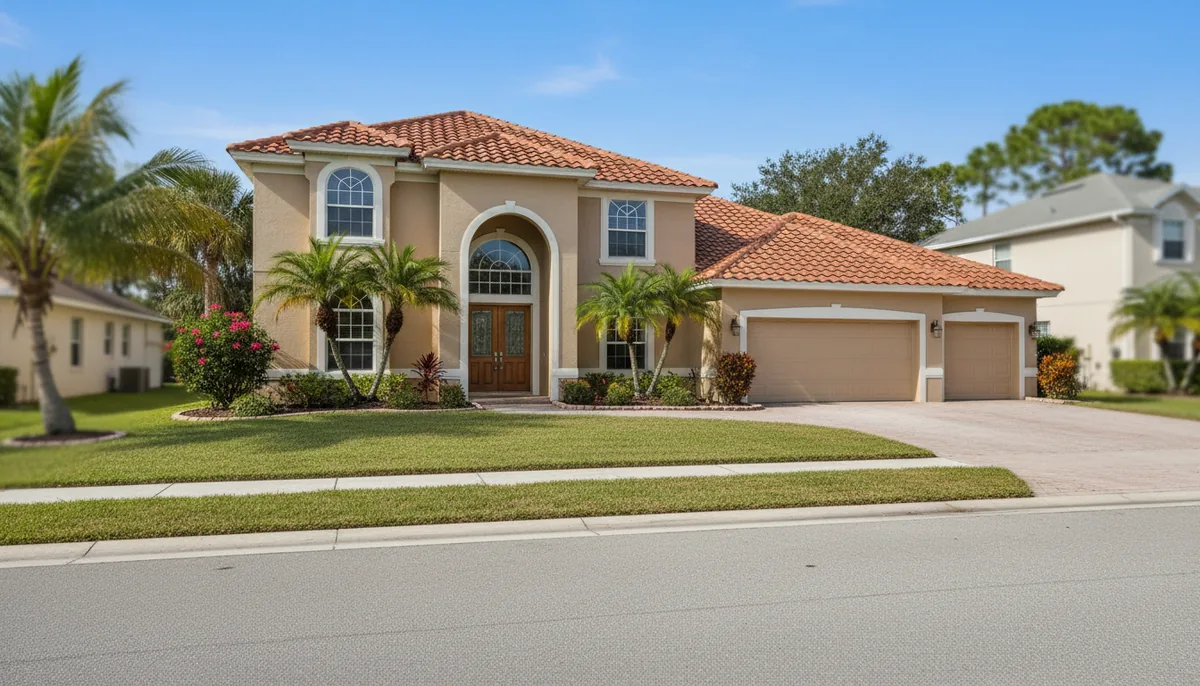
I price flat roofs by the square like every other estimator, but that’s only the begining. The real line items are the height, the access, the number of layers, and whether the deck has been soaked for years. A roof over a working school costs more than a roof over an empty warehouse because every cut and every drop of adhesive has to work around kids. That’s not padding; that’s scheduling.
Here’s a confession, or maybe a gripe: I get asked for a not-to-exceed price before I of permission to cut a core. I get it. A budget is a budget. But you can’t price what you can’t see, and a roofer who says they can is selling a number, not a roof. I have been wrong about what is underneath a clean membrane—nobody can see into a closed assembly—and that’s why I add a contingency line and call it out by name.
Replacement sometimes means a fluid-applied coating system, sometimes means a layer of cover board and new TPO, and sometimes means full deck replacement. Don’t let the word replacement scare you. Do let the conditions under the old roof scare you. That’s where the surprises live.
Questions I get asked
Is a full replacement necessary if only one spot has been leaking for years?
Not automatically, but be suspicious. Water travels along the deck and inside the insulation long before it shows up at the ceiling tile. If the leak has been going on for more than a season, the damage is probably bigger than the stain.
Should my contractor get a permit for a roof replacement?
Your contractor should pull one, and you should make sure it exists before work starts. A permit brings an inspection and a paper trail that helps with insurance and resale later. The fee is small compared with the headache of an unpermitted roof.
Will a new roof lower my insurance premium?
It can, if the wind mitigation inspection finds features that earn a discount. Insurers must offer these discounts under Florida Statute 627.70132, but whether yours applies to you depends on your policy. Send the form OIR-B1-1802 to your agent and ask in writing.
What is the difference between repaired and replaced?
A repair fixes a damaged portion; a replacement removes the old roof cover, or the entire roof system, and installs something new. From an insurance standpoint, the difference depends on your policy language, and I’m not the one to read that for you.
How long should I keep my roof records?
As long as you own the building, plus a few years after. Keep the permit, inspection reports, wind mitigation form OIR-B1-1802, and the contractor’s closeout paperwork in the same file as the deed. You don’t want to be hunting for them after a hurricane.