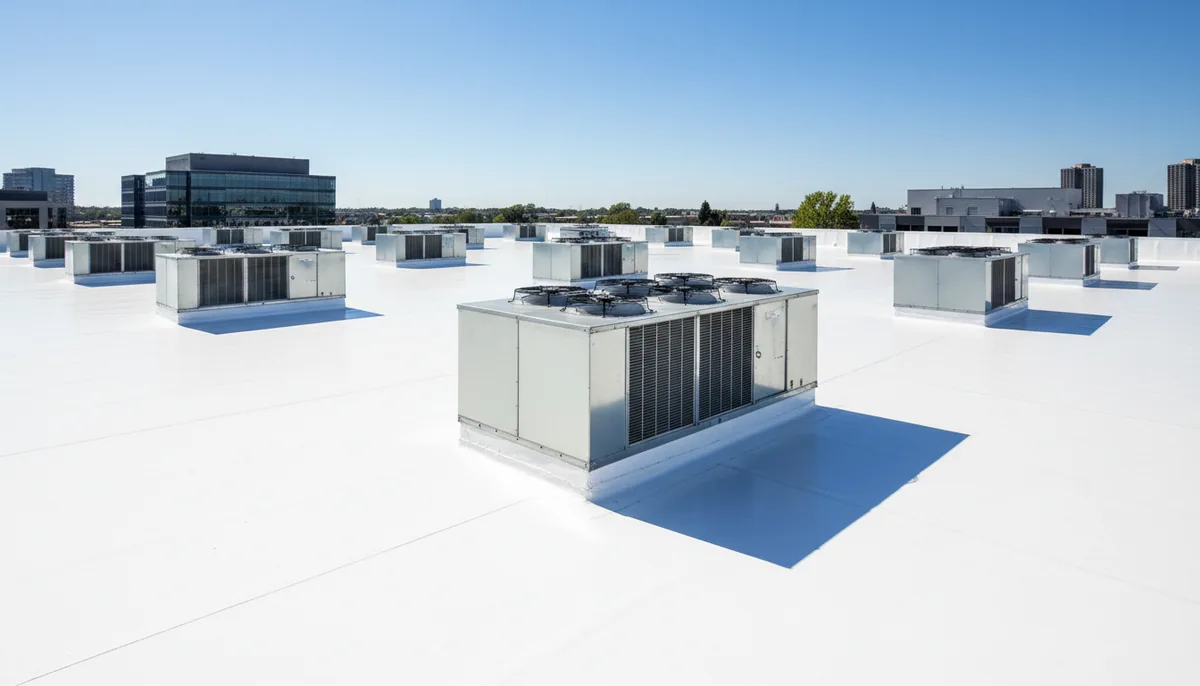
Flat roof in Florida: The Florida Guide
By Dale Prescott, Roofing contractor, Central Florida. Reviewed by Hal Winstead, Editor, licensed roofing contractor. We were stripping a flat roof off a little shopping strip in DeLand back in 2016. It was July, so naturally it was raining sideways by ten in the morning. The owner had called it a "leak around the AC unit." We found the whole deck soft as a sponge under the old torch-down because the scuppers had been painted over for years, and the water had just been sitting there. That roof wasn't leaking around the AC unit. It was done. I stood there in the rain with water running down my neck, looking at a deck that should have been replaced three owners ago, and I thought—people do not understand this flat roof thing. Not even close.
Most folks hear "flat roof" and picture a perfect, level surface. There is no such thing. A flat roof in Florida is dead level if the contractor was lazy, or it has a slight pitch if they knew what they were doing. But the real problem is water. Water doesn't care about your warranty. Water tests the building envelope constantly, and in Central Florida it does that with afternoon thunderstorms that dump four inches in an hour. If you own a flat roof, or you're thinking about buying one, you need to know what you're dealing with. And if you need a crew, flat roofing companies in Florida is a decent place to start your search. Just check the licence number against the state roll before you let anyone up a ladder.
Here's the thing I tell every customer who calls about a flat roof. It's not a roof. It's a boat hull that happens to be upside down. The material has to be waterproof, not just water-resistant, and every single seam, penetration, and flashing detail is a place where that hull can fail. Tile and shingle roofs shed water. Flat roofs have to repel it. That means the roof covering is only half the story. The substrate—the deck, the insulation, the vapor barrier—it all has to work together. Half the callbacks I've seen in twenty-two years were on roofs where somebody slapped new membrane over wet insulation. It looked great for a season. Then it bubbled, or rusted, or just delaminated. Roofs fail at the edges, and flat roofs fail at the seams. Always check the details before you blame the material.
What I actually look for when I walk a flat roof
You might think I'm up there checking the coating for cracks. I'm not. I'm looking for ponding water first. If I walk a flat roof in Florida two days after a storm and there are still low spots holding water, that's problem number one. A little water that dries out in a day isn't the end of the world. Water that stays for three days is a slow suicide pact for the membrane. Then I look at the flashings. Where the roof meets a wall, or goes up a parapet, that seam is where ninety percent of leaks start. And I look at the penetrations—pipes, drains, HVAC curbs. Each one is a hole in the hull on purpose, and somebody had to seal it. If the seals are old and cracked, I don't bother pulling the rest of the roof apart. I've told more owners than I can count that their leak wasn't the roof, it was a $200 boot around a pipe that rotted out next to the main drain line. Doesn't sound like much, but $200 of rubber and sealant beats a $15,000 reroof every single time.
The licence thing and the man with a truck
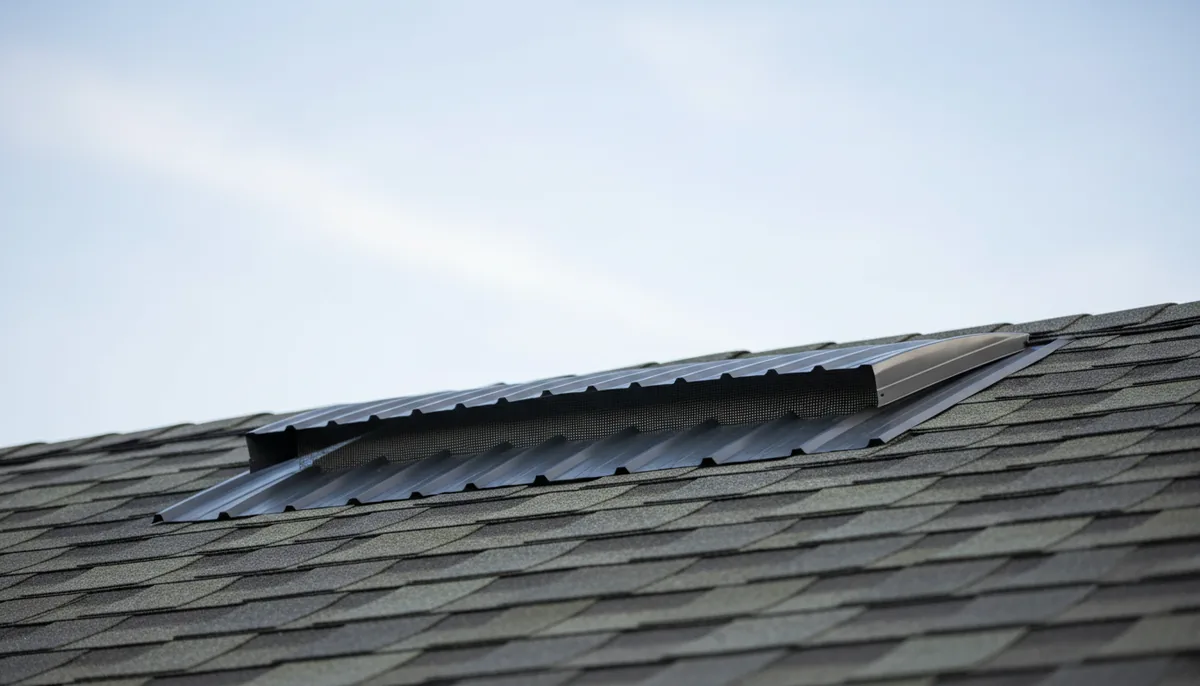
Florida roofing contractors are licensed by the Department of Business and Professional Regulation, the DBPR. You'll see two kinds of licences, and the prefix matters. A CCC prefix means a certified roofing contractor, and they can work anywhere in the state. An RC prefix means a registered roofing contractor, and they can only work in the local jurisdiction that issued the licence. I've seen sharp outfits with RC licences do great work in their home county. I've also seen guys with an RC licence three counties over that had no business being there. Every contractor carries a licence card. Ask to see it. Then go on the DBPR website and verify the number is active. If a guy tells you he's "basically a licensed contractor" and hands you a business card with a logo, walk away.
Now, here is where I sound like a nagging parent. A roof replacement in Florida requires a permit from your local building department. That means an inspection. A contractor who offers to skip the permit is a contractor to walk away from, and I don't care how good of a deal they are offering. An unpermitted roof can complicate an insurance claim, and it can absolutely kill a home sale down the road when the buyer's inspector notices there's no record of the work. I know it costs money and takes time. I know some guys think it's just paperwork. But if a roofer is willing to steal that proccess, you have to wonder what else they're willing to cut corners on. I have never met a permit inspector who made me do work that wasn't already neccessary. It's a backup, and it protects you.
One Florida rule that changed, and you should know about it
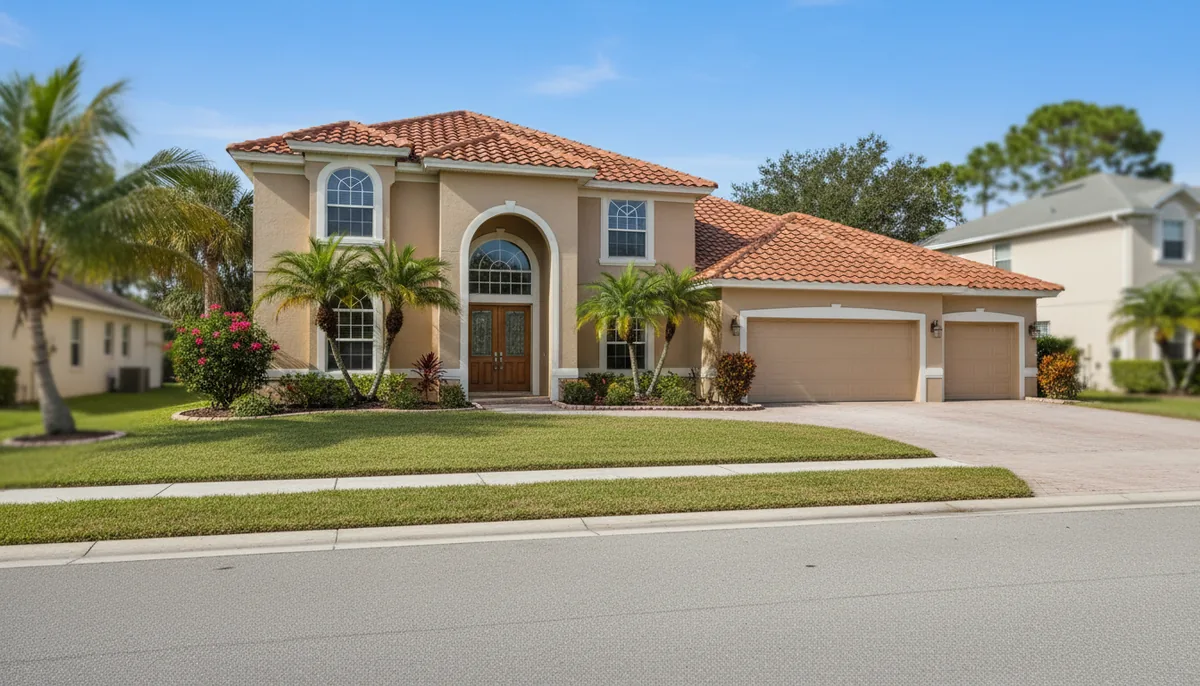
For years we had this rule that everybody called the "25% rule." The Florida Building Code said that if you repaired or replaced more than 25% of a roof in any 12-month period, you had to bring the whole roof up to current code. That rule triggered alot of full replacements, especially after a storm. But the state legislature changed it. SB 4-D, effective May 26, 2022, shifted the goalposts. If your roof was built, repaired, or replaced to the 2007 Florida Building Code or any later edition, then only the portion being worked on needs to meet current code. A full replacement is not automatically triggered by a repair to just one section anymore.
Here is the catch that people miss. The 2007 edition of the code didn't take effect until March 1, 2009. So if your roof is older than that—if it was built to a 2001 code or something earlier—the old rules might still apply to you. I've had homeowners call me, all excited that they can just patch a section of an old flat roof. Then we find out their roof predates 2009, and the whole thing has to be brought up to code anyway. It depends on what is under there, and what year it was built. I'm not a lawyer, so do not quote me as one. But I know enough to tell you to have a contractor pull the permit history before they quote you a repair.
What I would actually do: Call the local building department before you spend a dime on a repair estimate. Ask them if the roof is subject to the old 25% rule based on it's original permit date. That one phone call saves everyone a lot of heartburn.
Wind mitigation and the insurance discount you're missing
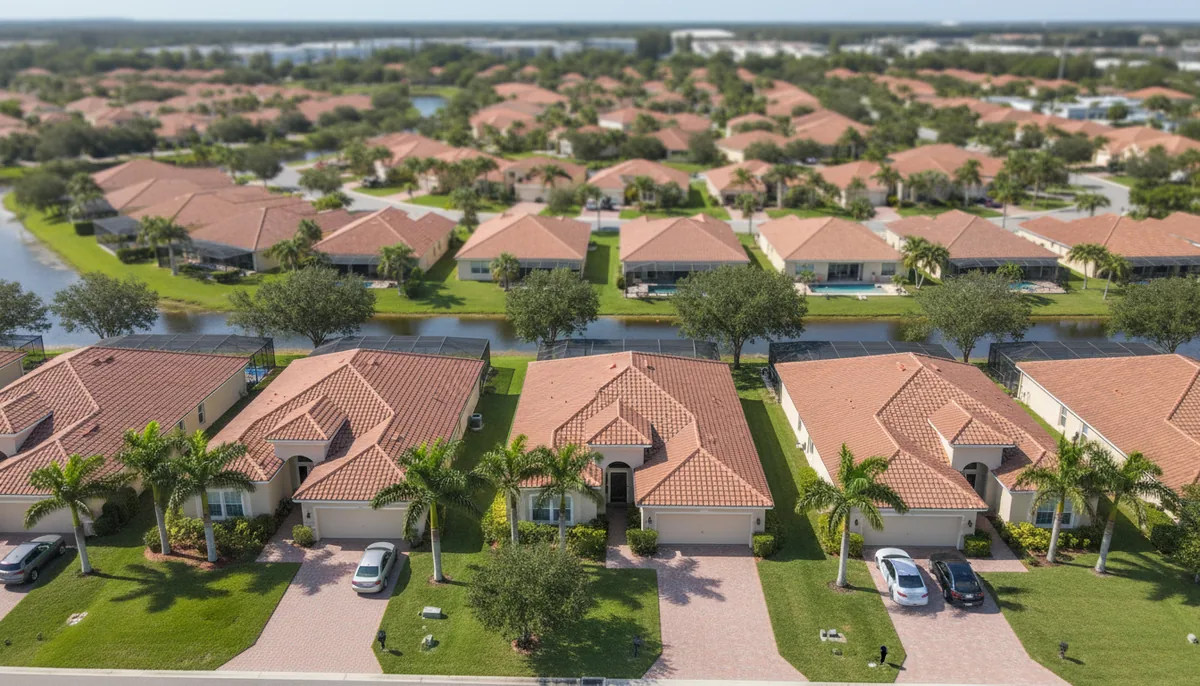
Since we're on the subject of roofs and Florida, let me bring up the insurance side. A wind mitigation inspection is a documented look at your roof's ability to stand up to hurricane-force winds. The inspector documents the roof covering, the roof deck attachment, the roof-to-wall connection, the roof geometry, wether there is secondary water resistance, and your opening protection. That's the standard Florida form OIR-B1-1802. And Florida insurers are required to offer premium discounts for qualifying features. I have seen the discount on a flat roof be surprisingly significant, depending on the material, because a properly anchored, wind-rated flat roof can be a very strong roof in a storm.
The inspection usually costs far less than the annual discount it can open up. So it pays for itself in the first year, give or take. Now, do not assume every flat roof qualifies. A lot of them don't, because of the way the deck is attached or because there's no secondary water barrier. But you don't know until you look. Your policy is your policy, and coverage varies, so read your declarations page and ask your agent. I'm not an adjuster, but I can tell you this: the inspection is cheap, and it's the only way to make the insurance company play by the rules they wrote.
What I would actually do: If you own a flat roof in Florida and haven't had a wind mitigation inspection, get one before hurricane season. Then send the report to your insurance agent. Even if it doesn't lower the bill, you'll know exactly what you're working with.
Coatings, repairs, and the fine line between smart and stupid
Flat roofs are prime candidates for reflective coatings. A white acrylic or silicone coating can cut your cooling costs, and it can add years to a membrane that is still in decent shape. But there's a catch. Coatings only work if the roof underneath is sound. You cannot coat your way out of a wet deck, a rusty metal roof, or a membrane that's already sloughing off. I've been on roofs where someone coated over a failing surface, and it looked like a peeled sunburn within a year. The coating is only as good as what's under it. And the prep work—cleaning, priming, patching all the little holes and seams—that's the expensive part of a coating job. It's tedious, and it is where a cheap coating crew cheats.
When a repair is the right move, the scope matters. A small blister or a seam that opened up can be patched properly. But if the membrane is old and brittle all over, a patch is just a stopgap. You're playing whack-a-mole with leaks. The same goes for metal roofs with flat panels. You can recoat a metal roof if the fasteners are sound and there's no widespread corrosion. But if the panels are rusting through, you're just sealing the holes so you can later discover new ones.
Questions I get asked
Should I put a flat roof or a sloped roof on my house?
If you have a flat-roofed house and the framing doesn't have enough pitch for shingles, you're probably stuck with flat. Tearing off the whole roof structure to add pitch is a huge expense. But if you're building new, go with a sloped roof for a home. A sloped roof sheds water by gravity, and that is the simplest thing to keep dry.
How long will a flat roof last in Florida?
That depends entirely on the material and how it was installed. A quality PVC or TPO roof can last twenty years or more. A cheap torch-down roof might be toast in ten. I've got customers with thirty-year-old flat roofs that are still going strong because the deck was done right and the drainage is perfect. I've also pulled off seven-year-old roofs that were installed over wet wood. It depends what is under there, and that's the truth.
Can I just fix the leak from the inside?
No. Sealing a leak from the inside just hides the water entry point. The water will find another way in, usually somewhere worse. You have to stop the water on the outside, at the surface, or you're just relocating the problem.
What is the most important thing to look for on a flat roof?
Water drainage. I've been doing this for twenty-two years, and the roof that fails is almost always the roof that sits in water. If the roof doesn't drain, hire a structural engineer to look at the slope before you spend money on new membrane. You can put the best roof in the world on a flat deck, and if water ponds there, you're going to have problems. It is the one thing I will not compromise on.
Do I really need a permit for a repair?
If it's a small patch, maybe not. But the minute you replace more than a small section—or you replace the whole roof—yes, absolutely. The permit process triggers the inspection, and the inspection protects you from the contractor who did a sloppy job. I've been doing this for over two decades, and I have never once had a customer say, "I'm so glad we skipped the inspection." Not once. The permit is your proof that the work met the Florida Building Code. That piece of paper is worth more than any handshake.