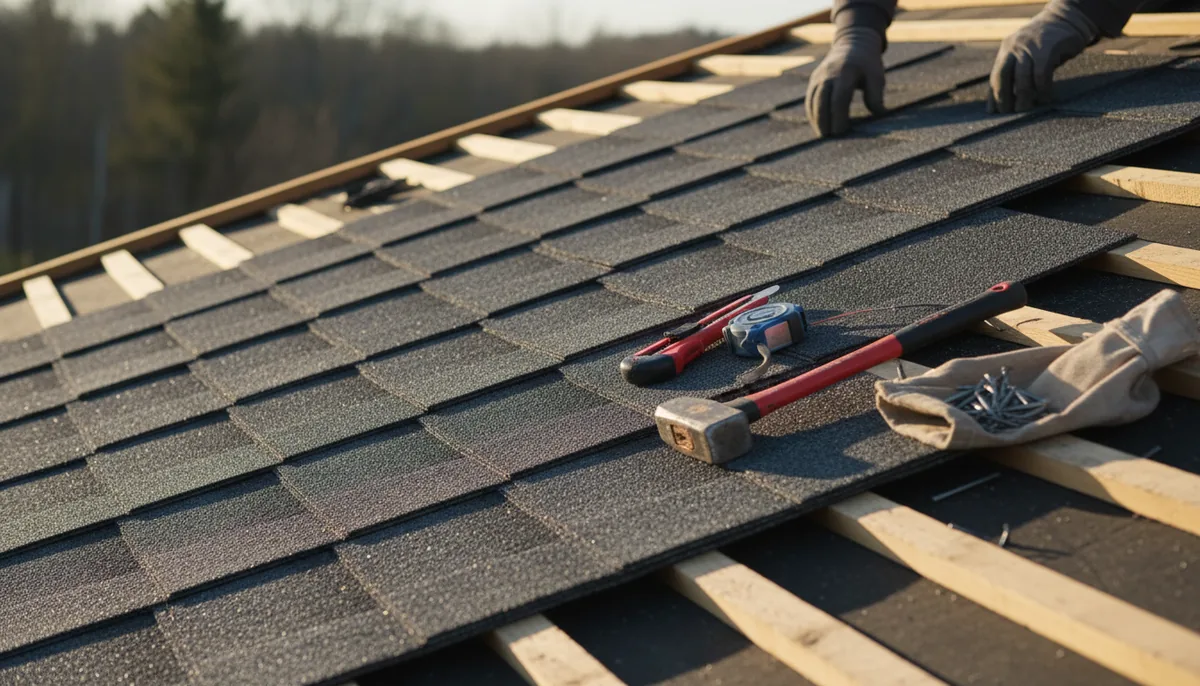
Bay Florida roofing: The Florida Guide
By Dale Prescott, Roofing contractor, Central Florida. Reviewed by Hal Winstead, Editor, licensed roofing contractor.
I was standing on a barrel-tile roof in Merritt Island one July afternoon when the homeowner told me to “just patch over the spots his adjuster missed.” I lifted one tile, and the underlayment came with it—twenty years of Florida sun had turned it to dead skin. If you're searching for roofing companies in Florida, that's the moment to avoid: the moment the patch is half-paid and the real roof is still hiding underneath.
Bay Florida roofing isn't a product. It's what people type when the sky goes green and palm fronds point sideways. I've run tile and shingle crews for twenty-two years between Orlando and the coast, and I've torn off more storm-damaged roofs than I care to count. The roofs fail in different spots: ridge, eaves, valley, the flashing where a porch meets the wall. Salt air and sun do the killing. Water just reads the report.
Three things will save you more money than any coating or gadget: a live DBPR license, a permit with an inspection card, and a wind mitigation inspection done before the storm, not after. Let's take them in the order I'd take them on my own house.
What "bay florida roofing" gets you around here
People type bay florida roofing for two reasons: a leak, or a neighbor with a brand-new roof. Same search, different jobs. Near the coast, I pay close attention to the first course of shingles at the eaves. The wind gets under there and shoves water upward. Farther inland, around the lakes, it's usually old hip shingles and no attic ventilation cooking the deck from below.
Bay Florida roofing is shorthand for the part of the state where the wheather can rewrite a quote before the truck gets there. So every quote I give says “depends on what is under there.” That phrase isn't a dodge. I stripped a roof in Rockledge where the street side looked fine; the last two feet of plywood at the overhang were spongy from moisture wicking up behind the fascia. Nobody could see it until the tile was off. A patch would of hidden it and cost the homeowner twice.
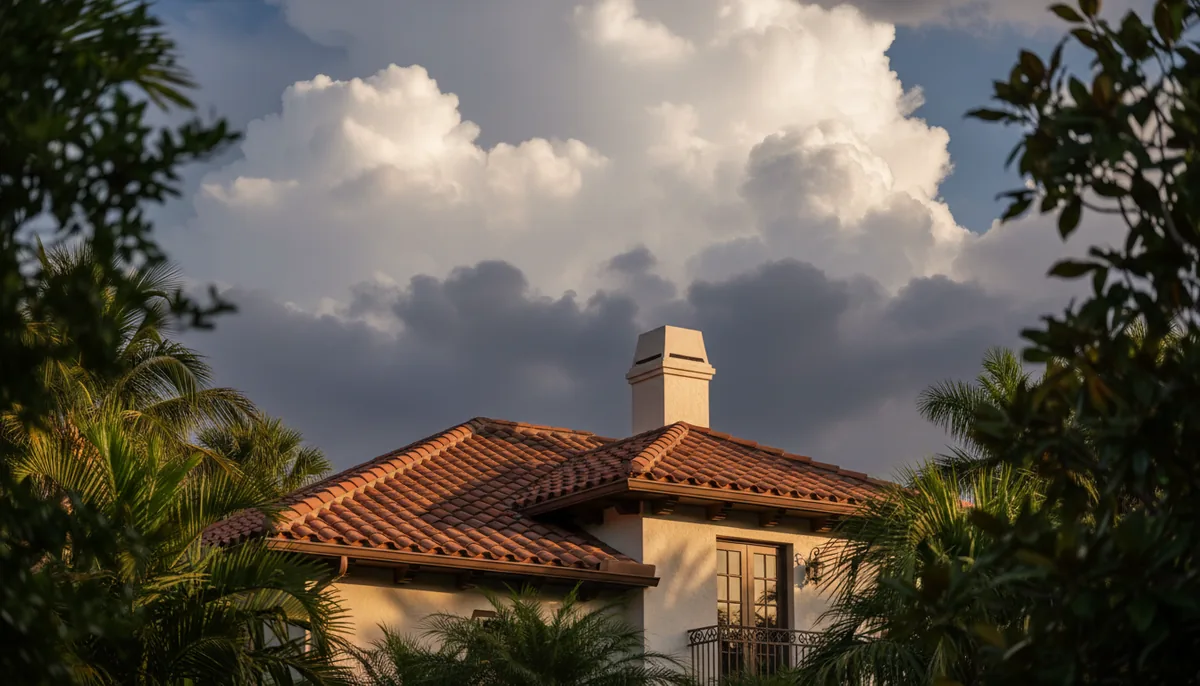
Check the DBPR licence before you let anyone on the ridge
Florida roofing contractors are licensed by the Department of Business and Professional Regulation. Two prefixes matter. A certified contractor holds a DBPR licence begining CCC and can work anywhere in the state. A registered contractor holds a DBPR licence beginning RC and can only work in the local jurisdiction that issued it. If someone from across the state is selling you on an RC number, that's not hustle. That's a mismatch.
Verify the number is active on the DBPR roll before you sign. It takes less time than making coffee. A contractor with a suspended license will say it's “in the mail” or “I work through my partner's license.” Fine. Wait until it's not.
What I would actually do: check the contractor's licence number on the DBPR roll before you return one phone call. If it is active and the name matches, then ask for a certificate of insurance before you sign. The licence is a door, not the inspection.
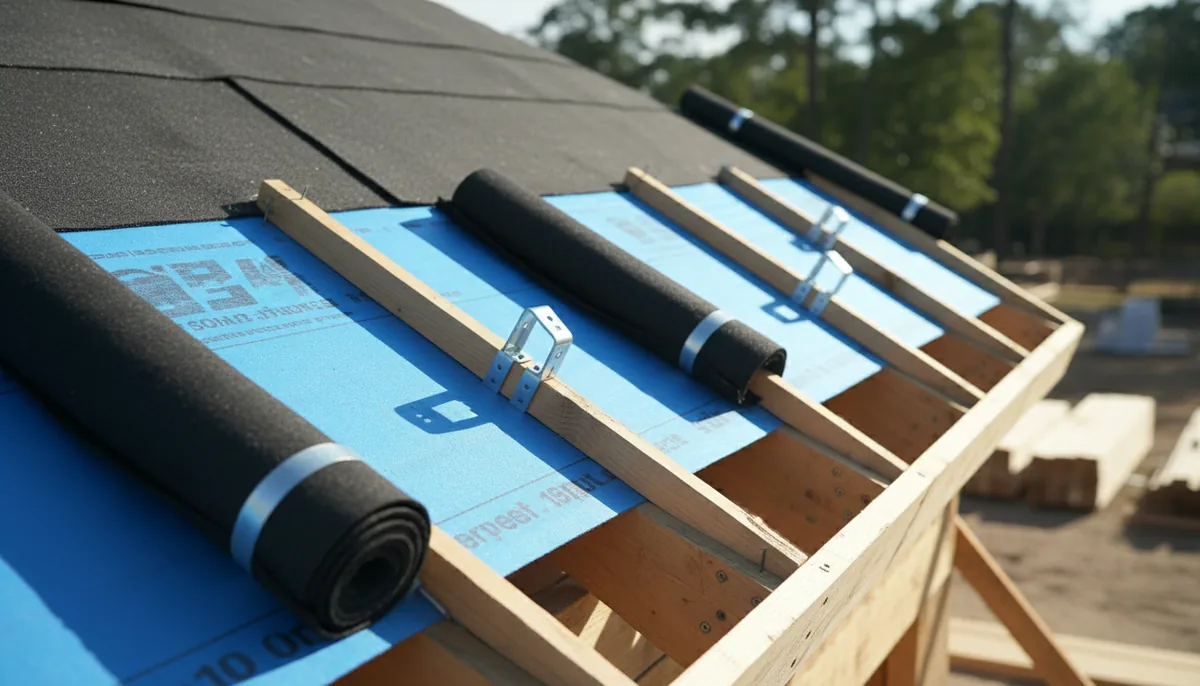
The permit and the inspection are not optional
A roof replacement in Florida requires a permit pulled from the local building department and an inspection. That's code, not paperwork for paperwork's sake. A contractor who offers to skip the permit is a contractor to walk away from. No permit means no independent check of the fasteners, no check of the deck, no check of the flashing before it gets buried. An unpermitted roof can complicate an insurance claim later. It can stop a sale cold.
The permit protects you from me as much as it protects me from you. I've had an inspector stop a job because my old step-flashing detail wasn't going to work with new siding. I didn't like it. He was right. And before someone tells me their cousin knows a faster way—sure, there is always a faster way. Usually it costs twice as much after the first hard rain.
What I would actually do: ask for the permit number before the first dumpster lands. Call the local building department and confirm it is open. If the answer is no, that is a full stop.
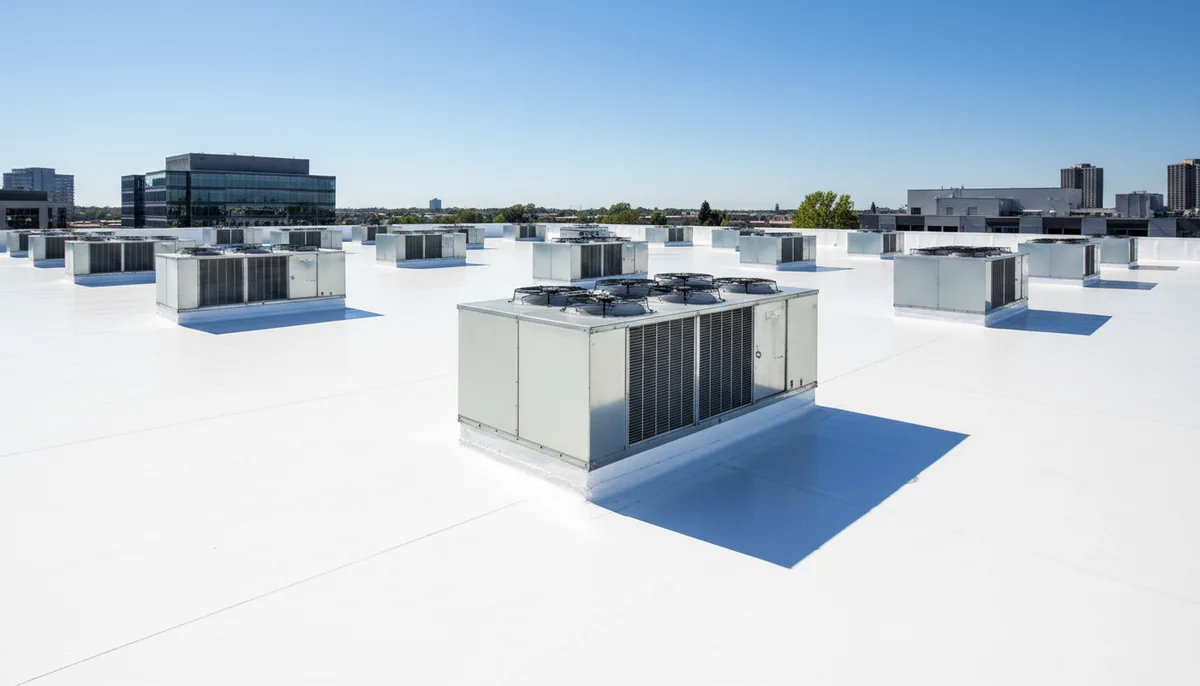
The old 25% rule changed in 2022
Every few months another post tells you the 25% rule means the whole roof must come off if more than a quarter of it is damaged. It depends. The old rule came from the Florida Building Code: no more than 25% of a roof could be repaired or replaced in any 12-month period without bringing the whole roof up to current code. Then SB 4-D (2022), which took effect 26 May 2022, changed it.
If your roof was built, repaired, or replaced under the 2007 Florida Building Code or any later edition, only the portion being worked on has to meet current code. A full replacement is no longer automatically triggered. The catch is the date. The 2007 edition took effect on 1 March 2009. Roofs completed before that generally do not qualify, so the old full-code trigger can still apply.
I of been wrong about this before, so I don't guess