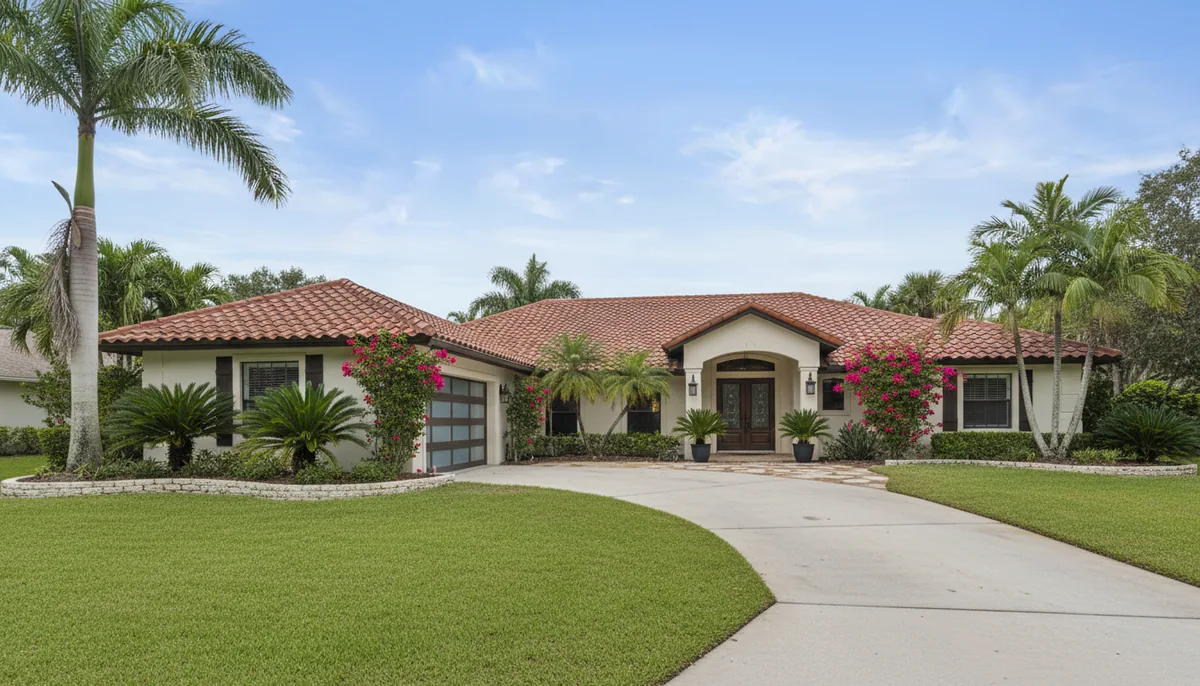
Florida building code for roof replacement pdf: What Florida Homeowners Should Know
By Shelly Marchetti, Florida homeowner advocate. Reviewed by Hal Winstead, Editor, licensed roofing contractor. I stood in a driveway in Port Charlotte last October, watching a roofer point at a patch of new shingles on a thirty-year-old roof. "See that?" he said. The homeowner had paid for a repair after a storm peeled back a corner, and the insurance adjuster had already been out. The problem was the shingles didn't match, the repair wasn't done to code, and the insurer had sent a denial letter citing an "old roof exclusion" that the homeowner didn't understand. She thought the repair would be covered. She thought the roofer was licensed. She was wrong on both counts, and the clock had already been running for eleven months.
That afternoon is why I do this. I don't sell roofs and I don't sell policies. I help homeowners read the paperwork before they sign it or give up on it. If you're searching for the florida building code for roof replacement pdf, you probably have a roof that's leaking, an adjuster who's coming, or a contractor who's handing you a contract written in dense lawyer-speak. Before you do anything else, check who you're dealing with through roof replacement companies in Florida — just to see who's active and who's not. But the code, the deadline, and the money are the parts that bite you. Let's walk through them.
You need to know one thing up front: I am not a lawyer. I am not a licensed adjuster. I read these documents for a living, so I've seen the traps, but your policy and your roof are yours alone. Read your declarations page. Check the DBPR roll. And remember that the law changed in ways that still surprise people.
Read that denial letter again with the new deadline in mind
Florida Statute 627.70132 changed in 2022, and it's been a quiet disaster for homeowners who didn't hear about it. You now have ONE year from the date of loss to notify your insurer about an initial or reopened claim. For a supplemental claim — that's when you find more damage later — you have eighteen months. The clock runs from when the damage happened, not from when you discovered it, not from when the contractor pointed it out. Miss the deadline and the insurer has a complete defense, even if the loss is genuinely covered. I of been wrong about this before, and so have adjusters I've argued with. The date of loss is the date of the storm, the date the pipe burst, the date the tree hit. Mark it on a calendar somewhere stupid-visible. That's the first thing I tell every homeowner who shows me a denial letter.
The law used to give you three years. Now it's one. You can't negotiate with that deadline. You can't ask for an extension. If your roof leaked in September and you didn't notice until December because the stain was behind a bookcase, you have until the following September to notify your insurer — not a day longer. That's harsh, and it's real.
What the wind mitigation inspection actually looks at
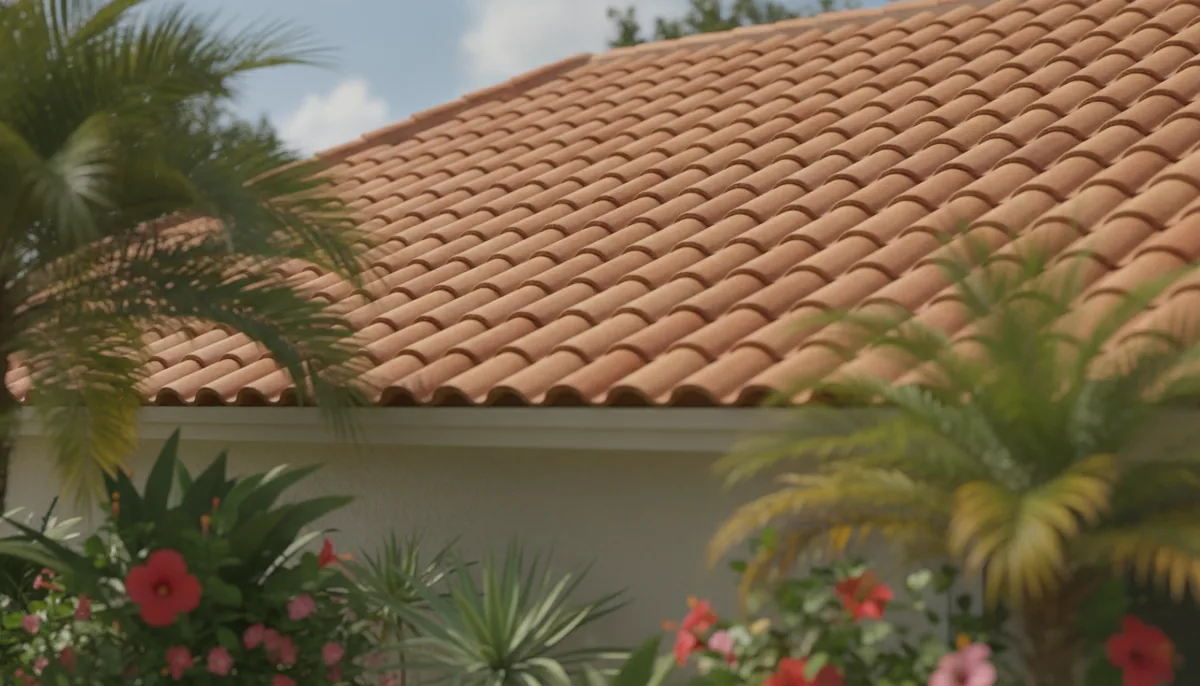
A wind mitigation inspection isn't a full roof inspection. It's a specific checklist that documents six things: the roof covering, the roof deck attachment, the roof-to-wall connection, the roof geometry, the secondary water resistance (that's the underlayment, call it the layer under the shingles), and the opening protection (windows and doors). The inspector fills out form OIR-B1-1802, and that form determines what premium discounts your insurer must offer you if the features qualify. I've seen the form, and I've seen what it does to a premium. The inspection costs a couple hundred dollars, give or take, and the annual discount usually pays for it within a year or two. If you're replacing a roof in Florida, get the wind mitigation inspection done on the new roof while the contractor is still there. It costs almost nothing extra when the old shingles are already off and the deck is exposed.
The discount depends on what's actually under the shingles. A roof with a sealed metal panel system scores differently than three-tab asphalt. A roof with clips on the deck attachment scores differently than nails. Don't assume your contractor knows what the inspector needs — ask the contractor to leave the deck visible and let the inspector walk it before the underlayment goes down. I say "give or take" on the cost because it varies by county, by inspector, and by how far they've got to drive. But the mechanism is simple: the better the features, the better the form, the bigger the discount. It's one of the few things in Florida insurance that works in your favor.
What I would actually do: Before you sign a contract, ask the roofer if they'll schedule the wind mitigation inspection for when the roof is stripped but before the new underlayment is installed. Write it into the contract. If they won't, find out why before you hand over a deposit.
The 25% rule changed — and it saves you a lot of money
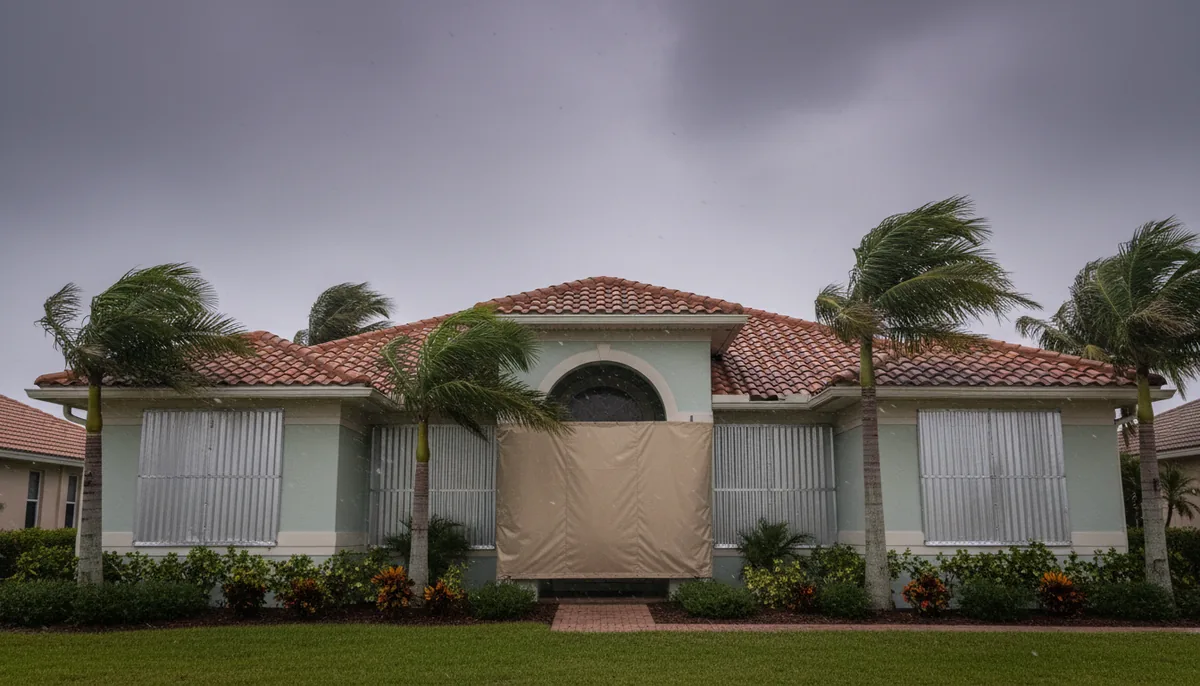
Everyone in Florida has heard of the 25% rule. If more than a quarter of your roof needed repair or replacement in a twelve-month period, the entire roof had to be brought up to current code. That was the law, and it forced alot of full replacements that people couldn't afford. SB 4-D (2022) changed it. Now, if your roof was built, repaired, or replaced under the 2007 Florida Building Code or any later edition, only the portion being worked on must meet current code. The full roof doesn't automatically get triggered just because you cross 25%.
Here's the catch — there's always a catch. The 2007 edition of the code didn't take effect until March 1, 2009. So if your roof was completed before that date, it generally doesn't qualify for the new rule. You're still under the old 25% trigger. That's a huge distinction for anyone with an older home. If your roof is from 2005 and a storm takes out 30% of it, you're likely looking at a full replacement to current code. If your roof is from 2010 and you lose a similiar percentage, only the damaged section needs to be brought up to code. I know homeowners who've postponed repairs for years, waiting for the whole roof to fail so insurance would pay. That's foolish. The law changed, and they didn't know.
What I would actually do: Get the date of your roof's installation on paper before you talk to an adjuster. Dig out the permit, or call the county. If the contractor won't put the installation date in writing, walk away. That date determines which rule applies to you.
The state-backed option when nobody wants you
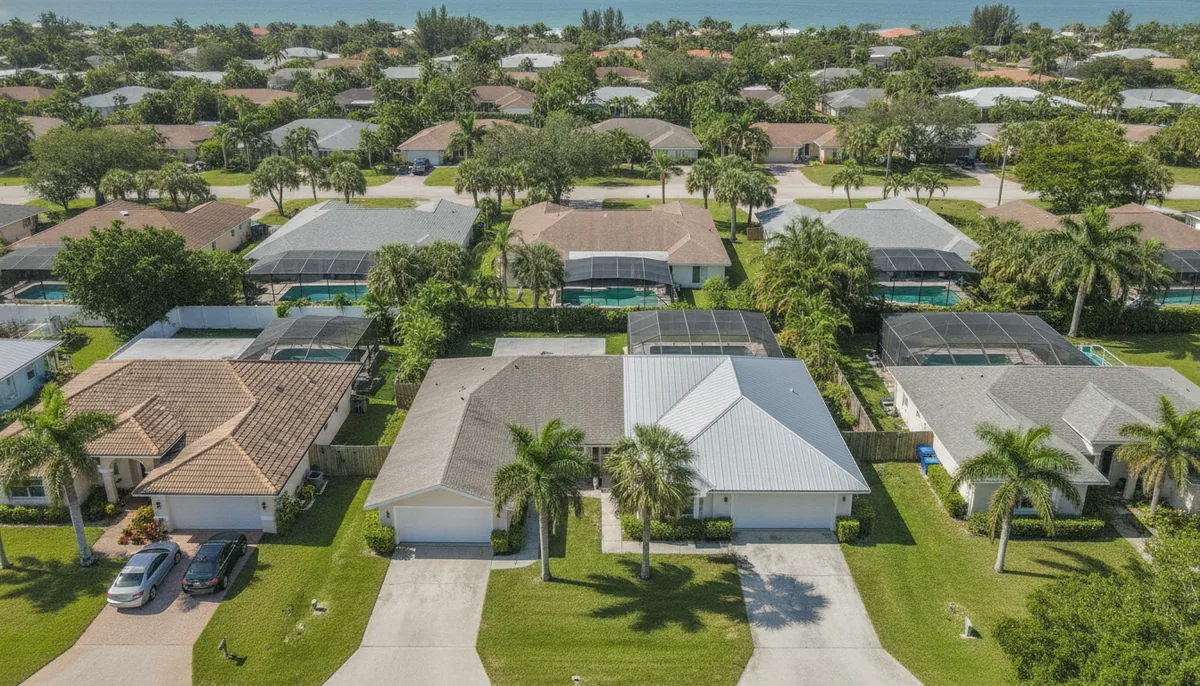
Citizens Property Insurance Corporation is the insurer of last resort. If you can't find coverage in the private market — and that happens to a lot of Florida homeowners with older roofs or claims history — Citizens is where you end up. They exist because the state needs people insured, not because they're cheap or great to deal with. But here's the thing: Citizens rates are regulated, and they're often higher than what you'd get from a private carrier if you qualify. The smarter play is to use a wind mitigation inspection to make your roof attractive to a private insurer first. Fix what you can, document what you have, and then shop the private market before you settle for Citizens. I've seen homeowners jump to Citizens without shopping, and they've paid for it for years.

Free money that runs out — check it yourself
My Safe Florida Home is a state programme that offers free wind mitigation inspections and matching grants for hurricane-hardening improvements. The qualifying criteria change, and the funding is appropriated per cycle, which means it runs out. I don't know if it's open right now as I write this. Funding comes and goes. The only way to know is to check the current cycle and see wether applications are being accepted. The programme is real, the free inspection is real, and the grants are real when the money is there. But don't call me expecting me to know today's status. Check the website yourself, apply early in the cycle, and be ready for a waiting list. The grant doesn't cover the entire roof replacement — it's for hardening improvements, like reinforcing the roof deck or upgrading the secondary water barrier. If you're eligible, the free inspection alone is worth the application.
The licence trick that catches homeowners off guard
Florida roofing contractors are licensed by the Department of Business and Professional Regulation, the DBPR. A certified roofing contractor has a licence begining with the prefix CCC and can work anywhere in the state. A registered roofing contractor has a licence beginning with RC and can only work in the local jurisdiction that licensed them. That distinction matters more than you'd think, because a registered contractor who walks a job two counties over is working illegally — and your insurance claim can get caught in the mess. Always verify the number is active, and don't just ask for the licence number. Look it up on the DBPR roll. If the name on the contract doesn't match the name on the licence, that's your red flag.
The roofer in Port Charlotte — the one with the mismatched shingles? His licence was active, but it was an RC licence, and the job was in a county where he wasn't registered. The homeowner didn't know to check. The insurer noticed, and the denial letter cited exactly that. She thought the repair would be covered. The clock had run out, the wind mitigation inspection was never done, and the whole roof is now coming off because the repair didn't pass muster. Don't be her.
Questions I get asked
Does the Florida building code require a full roof replacement after a storm?
Only if your roof was built before the 2007 Florida Building Code took effect in March 2009. For newer roofs, SB 4-D (2022) means only the damaged portion must be brought up to current code. The old 25% rule doesn't automatically apply to newer roofs anymore.
How long do I have to file a claim after a roof leak?
You have one year from the date of loss for an initial or reopened claim under Florida Statute 627.70132. Supplemental claims get eighteen months. The clock runs from when the damage happened, not when you found it.
What does a wind mitigation inspection cost?
It varies, but figure it's priced per inspection, not per square foot. It typically costs less than the annual premium discount it can open up. The form you need is OIR-B1-1802, and the inspector should walk the roof while it's stripped to see the deck attachment.
Is My Safe Florida Home still giving grants?
Funding is appropriated per cycle, and it runs out. Check the programme's current status to see if applications are open. I can't tell you today's availability from memory.
How do I know if my roofer is licensed correctly?
Check the DBPR roll. Look for the CCC prefix for statewide work or the RC prefix for local only. Verify the number is active before you sign anything.
Can I skip the wind mitigation inspection and just get a new roof?
You can, but you'll leave money on the table with your insurer every year. The inspection documents features that trigger mandatory discounts. On a new roof, the marginal cost is tiny and the annual savings are real.
More from the site
- Central florida insurance roof restoration: What Florida Homeowners Should Know
- Insurance roof replacement florida: What Florida Homeowners Should Know
- Roofing insurance florida news: What Florida Homeowners Should Know
- Florida roofing code news: What Florida Homeowners Should Know
- Florida roofing code changes 2015: What Florida Homeowners Should Know