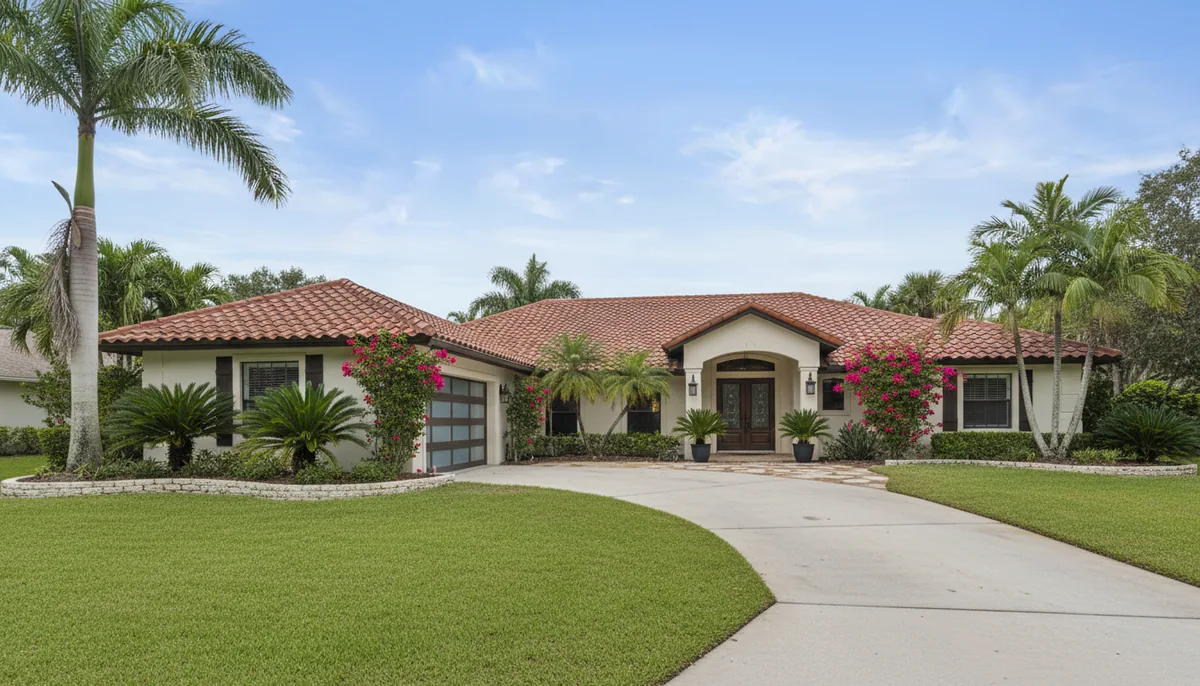
Florida building code roofing news: What Florida Homeowners Should Know
By Renata Alvarez, Former property claims adjuster. Reviewed by Hal Winstead, Editor, licensed roofing contractor.
I spent the better part of a Tuesday afternoon in Cape Coral standing on a barrel-tile roof that was only three years old. The homeowner was furious because the insurer had denied her claim, and she kept pointing at a small patch of missing shingles on the neighbor's house, not her tile. The problem wasn't the roof itself. The problem was the date on the hurricane that had damaged it, versus the date she finally called her agent. She was a year and a half late, and under the law that took effect in 2022, the clock had run out. Florida's building code roofing news keeps changing, and most of what gets denied in this state never had anything to do with shingles. It's paperwork. It's deadlines. It's knowing which rules apply to your exact roof. And if you're about to file a claim or hire someone to fix a leak, you need to know these rules cold. If you do find you need a new roof, don't just grab the first truck that knocks—residential roofing companies in Florida are listed there with license verification, which is more than you can say for the guys who leave flyers on your door after a storm.
The first thing I tell any homeowner is to understand the one-year deadline, and it's not the deadline you think. Under Florida Statute 627.70132, which got amended in 2022, you have to tell your insurer about an initial or reopened property insurance claim within one year from the date of loss. Not from when you noticed the stain on the ceiling. Not from when the roofer finally climbed up there. The date the damage happened. For a supplemental claim—say you found more damage after the first check arrived—you get eighteen months. It used to be three years for all of it. That's gone. And I of seen insurers raise that one-year deadline as a complete defence even when it was a covered loss, even when the homeowner just didn't know what day the storm hit. They don't have to pay if you miss it. That's it. The claim is dead. So the single most important thing you can do after any storm is figure out the exact date your roof took damage and then get that notice filed fast, even if you're still arguing about the scope.
What I would actually do: After any wind event where you suspect roof damage, send your insurer a written notice of loss before the anniversary of the storm, even if you have not had a roofer out yet. You can always amend details later. You cannot amend a missed deadline.
Florida building code roofing news: the 25% rule just changed, and it matters
You've heard, maybe from a contractor or a neighbor, that if you repair more than 25% of your roof, you have to replace the whole thing. That was true for a long time, back when the 2001 code was the rule of the land, and it's still true for older roofs. But it's the single biggest myth I run into now. Back in 2022, SB 4-D (2022) changed how the 25% rule works under the Florida Building Code. If your roof was built, repaired, or replaced under the 2007 Florida Building Code or any later edition, then the old rule about tearing off the whole roof doesn't apply anymore. You only need to bring the portion you're working on up to current code. A full replacement is no longer automatically triggered just because you crossed some magic percentage. The catch is the 2007 code only took effect on March 1, 2009. So if your roof went on before that date, generally speaking, the old rules still bite you. I have been wrong about this before, guessing a home's build date from the driveway, so go check your permit records before you let anyone talk you into a whole new roof you don't need.
For anyone dealing with an older roof, the math changes fast. If your house was built in 2005 and you need a repair, a contractor might tell you that repairing more than a quarter of the roof means the whole thing has to come off, because that was the law when your roof was permitted. That's still a real situation. But if your roof was replaced in 2010 or 2020, then SB 4-D gives you a break—the repair just has to meet the current code for the section being repaired, not the whole roof. This is one reason I tell people to keep every permit and every closing document that mentions roof age, because you can't argue with your insurer about which code cycle applies unless you can prove when the roof went on.
Why paying for a wind mitigation inspection is the best money you'll spend
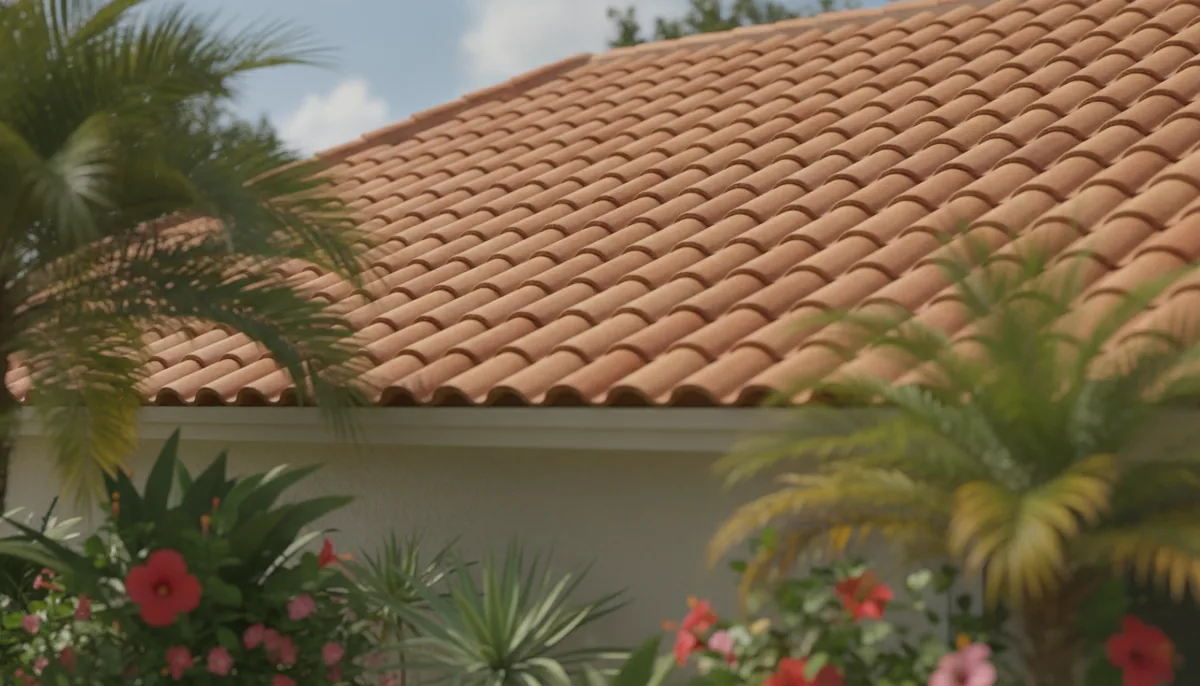
Let me talk about something that saves people money without a single claim being filed. A wind mitigation inspection is a seperate thing from a home inspection, and it documents six specific features: your roof covering, roof deck attachment, roof-to-wall connection, roof geometry, secondary water resistance, and opening protection. The official form is OIR-B1-1802, and Florida law requires insurers to offer premium discounts if your roof has qualifying features. You pay for the inspection once, and it typically costs far less than the annual discount it unlocks, so over a few years it pays for itself on the insurance premium alone. If you're going to pay for one anyway, find an inspector who actually gets on the roof. I've seen reports written from a drone and a prayer, and that gets homeowners nothing but a denied discount when the carrier sends their own guy out behind you.
The discount structure is tied to how your roof deck is attached to the trusses, what shape the roof is, and whether you have secondary water resistance—that's the tar paper or peel-and-stick underlayment that keeps water out if the shingles blow off. A hip roof with properly clipped decking and sealed roof-to-wall connections gets a better score than a gable-end roof with staples. That's just physics. The inspection form has to be filled out honestly, because if you get a discount and then have a claim, the insurer will send their own inspector out to verify the features before they pay. I have adjusted claims where the discount was on the policy but the roof didn't actually have the features, and the homeowner found out at the worst possible moment. Don't let that be you.
What I would actually do: Call your insurance agent first and ask if they use form OIR-B1-1802, then book an inspection with someone certified to fill it out. Send the completed form to your carrier and ask for the premium credit in writing before your next renewal.
Citizens and My Safe Florida Home: what they are, and what they're not
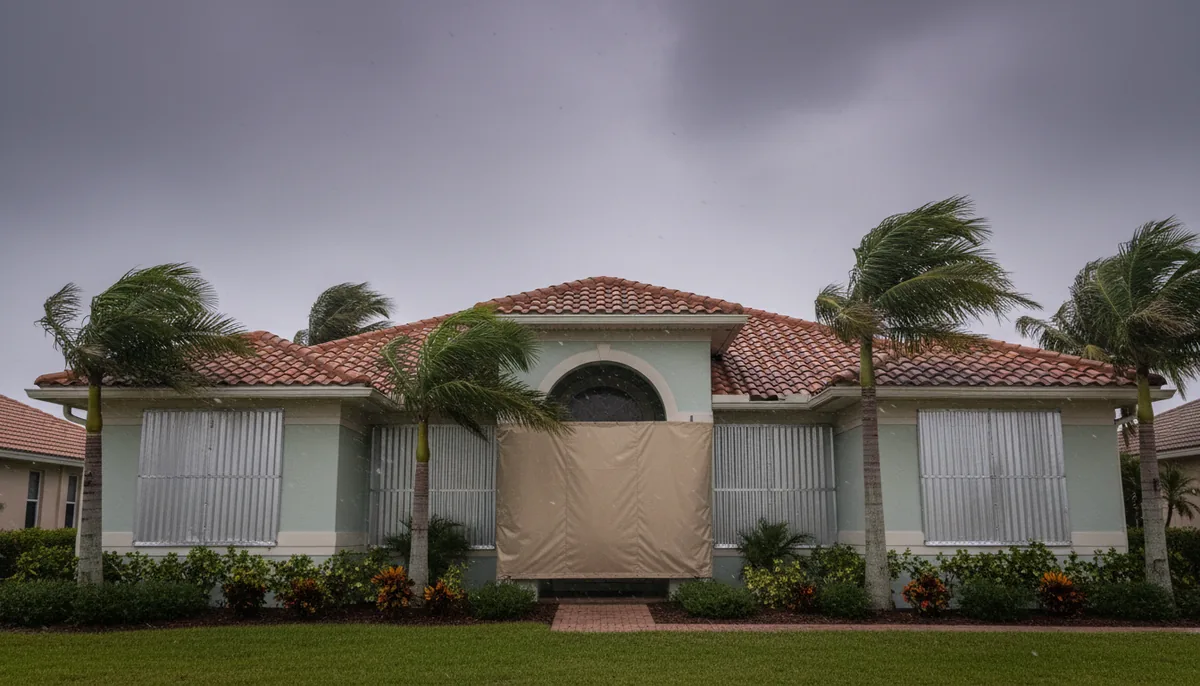
If you cannot find coverage in the private market, you end up with Citizens Property Insurance Corporation, which is Florida's state-backed insurer of last resort. They are not a regular insurance company, but they are not a handout either. They have their own underwriting rules, and they will absolutely enforce the one-year deadline from earlier in this post. One thing I have seen confuse people is that Citizens often mandates a roof inspection before they'll write a new policy, and if your roof is old or in bad shape, they can decline you or require you to replace it first. That's not a denial of a claim. That's a condition of getting coverage in the first place. Read the letter carefully if you get one, because it usually has a deadline for getting the work done.
There is also My Safe Florida Home, which is a state programme set up to help homeowners harden their houses against wind. It offers free wind mitigation inspections and matching grants for qualifying hurricane-hardening improvements, but only for homeowners who meet their criteria. And I don't just mean your roof has to qualify. They have income limits, they have property value limits, and the funding is appropriated per cycle, which means it can run out. It is not a year-round entitlement. It is worth checking whether the programme is open right now, but do not make any financial plans around a grant you haven't been approved for yet. I have seen people hold off on a neccessary roof replacement waiting for a "free roof" from the state that never materialized, and then they got hit by a storm with a roof that was barely holding on.
How to hire a roofer in Florida without getting burned
This is the part where everyone wants a recommendation, and I won't give you one, because what works in Ocala doesn't necessarily work in Miami and I can't inspect a license from here. What I can tell you is that Florida roofing contractors are licensed by the Department of Business and Professional Regulation, the DBPR, and you need to verify the number before you sign anything. A certified roofing contractor holds a license that starts with the prefix CCC, and they can work anywhere in the state. A registered roofing contractor holds a license that starts with RC, and that one is a local license—they can only work in the jurisdiction that licensed them. If someone gives you an RC number and they are roofing three counties away, that is a red flag. Always verify the number is active on the DBPR roll, because licenses lapse and people get reinstated, and "he said he was licensed" is not a defence when the work fails.
I will also say, look at the roofing company's actual business address and check if they have a physical location in your area. That sounds old-fashioned, but after a hurricane you get a wave of storm chasers who set up a temporary office in a hotel lobby and are gone by spring. A local roofer has a reputation to protect in your community. A storm chaser has a bank account. Ask for proof of workers' compensation coverage on the crew, because if a roofer falls off your house, and they were not insured, that can become a lien against your home in some situations. That is a nightmare that has nothing to do with the quality of the roof and everything to do with the legality of the hire.

Questions I get asked
If I just discovered a leak from last year's hurricane, can I still file a claim?
It depends on the exact date of loss. If the damage happened during the hurricane more than a year ago, you are almost certainly too late under Florida Statute 627.70132. If the damage happened during a recent storm, you may have time, but call your insurer now and do not wait for a roofer's opinion first. The deadline can kill a valid claim completely, and it starts from the date damage occured, not the date you found it.
Will filing a claim automatically raise my rates?
That is a real risk, and it varies by carrier and by the circumstances of the loss. I have seen premiums jump after a single paid claim, and I have also seen policies non-renewed after multiple claims. Read your policy documents and ask your agent about their specific practices. You can make your own decision once you know the trade-offs, but nobody here can promise you what your carrier will do.
Does my roof have to be replaced because it's old?
No. Age alone is not a reason for a replacement unless your insurer has inspected it and told you they will not renew without one. The Florida Building Code does not demand a new roof just because yours is fifteen years old. It demands that you maintain it and that repairs meet current code for the portion being repaired, depending on when the roof was originally built. A good roofer should give you an honest assessment of how much life is left in the covering, which depends on the material, the pitch, and how well it was installed.
What is the difference between a roof repair and a roof replacement for insurance purposes?
An insurance claim for roof damage is supposed to cover the cost to repair the damaged portion back to it's pre-loss condition, not to upgrade your whole roof unless the code requires it. That is where the conversation about the 25% rule and SB 4-D comes in. If your roof is newer and the code no longer triggers a full replacement, then you are getting a repair, and the claim will be paid for the square footage of that repair, not for a brand-new architectural shingle roof. Adjust your expectations before the adjuster gets there.
Can I do the roof work myself and get reimbursed?
You can attempt it, but do not expect your insurer or any state programme to pay you for your own labor. They pay for repairs to return the home to its pre-loss condition, and they will depreciate the materials based on the age of the roof. Also, if you are not a licensed roofer and the work is found to be deficient, you are the one on the hook for the next leak, not the insurance company. I would always hire a licensed contractor for anything beyond a minor patch, particularly if you have a claim open, because the insurer needs to see the work was done to code.
More from the site
- Roofing insurance central florida: What Florida Homeowners Should Know
- Florida wind mitigation roofing: What Florida Homeowners Should Know
- Florida building code roofing 2024: What Florida Homeowners Should Know
- Florida roofing insurance news: What Florida Homeowners Should Know
- How old can a roof be for insurance in florida: What Florida Homeowners Should Know