
Florida wind mitigation roofing: What Florida Homeowners Should Know
By Renata Alvarez, Former property claims adjuster. Reviewed by Hal Winstead, Editor, licensed roofing contractor.
I spent the afternoon of September 12, 2017, on a roof in Naples that had lost a quarter of it's shingles to Irma. The homeowner was furious because the carrier had denied his claim. He pointed at the bare decking and yelled that the damage was obvious. He was right abotu the damage. He was wrong about everything else—the policy had a named-storm deductible he could not afford, and the adjuster had noted the roof was old enough that the payout was pennies above that deductible. I had to tell a man standing in his own driveway that his covered loss was worth nothing to him.
That claim taught me more than any training file ever did. It taught me that the condition of your roof before the storm, the paperwork you have before you call, and the exact wording of your policy matter more than how big the hole is. If you are dealing with damage right now, the single smartest thing you can do is find a contractor who knows how to document a claim properly. That means checking the DBPR licence prefixes CCC and RC and asking pointed questions before you sign anything. A good starting point is residential roofing companies in Florida, where the licence verification is already done for you.
I was an adjuster for nine years. I worked two hurricane seasons on catastrophe response, and I of seen every kind of roof failure, every kind of policy language, and every kind of homeowner mistake. Let me tell you what actualy gets a claim paid in Florida, starting with the thing that changed everything in 2022.
The deadline that will eat your claim alive
Here is the one that keeps me up at night. Under Florida Statute 627.70132, as amended in 2022, you have one year from the date of loss to notify your insurer about an initial or reopened claim. A supplemental claim gets eighteen months. It used to be three years. They cut it, and nobody reads their mail.
The clock starts on the date the damage happened, not the date you noticed it. That is the part that ruins people. A slow leak from a storm in April finally shows up as a stain in December, and by then you have already missed the window. The insurer gets a complete defence, even on a loss that is clearly covered. I have seen this kill claims worth tens of thousands of dollars. The fix is simple: if you think a storm might have hurt your roof, call your insurer now. Do not wait for the ceiling to brown.
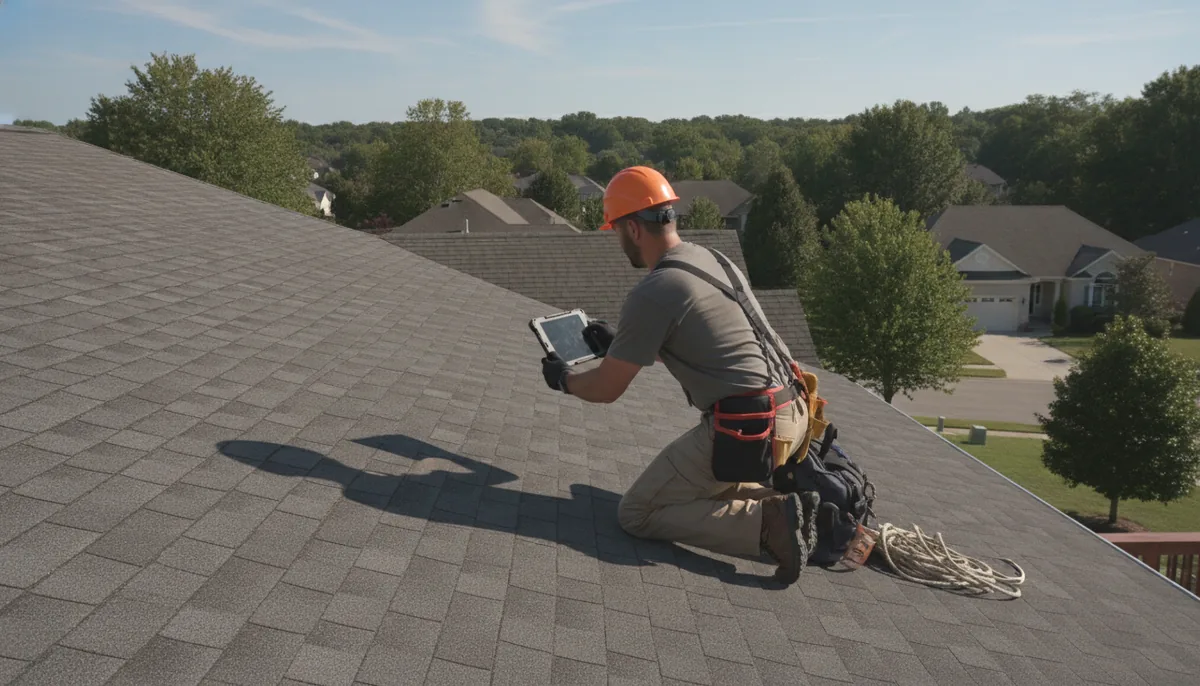
What a wind mitigation inspection actually is
A wind mitigation inspection documents six specific things on your roof: the roof covering, the roof deck attachment, the roof-to-wall connection, the roof geometry, the secondary water resistance, and the opening protection on doors and windows. The inspector fills out the standard form, form OIR-B1-1802, and gives you a copy. That form is what your insurer uses to calculate a discount on your wind premium.
The inspection typically costs far less than the annual discount it can open up. That is not a figure I can give you, because it depends on the size of your house, the pitch of your roof, and how much access the inspector has. But the mechanism is simple: Florida insurers must offer premium discounts for qualifying features, and the form is the key that opens the discount. If your roof has the right features, you are leaving money on the table every year you skip the inspection.
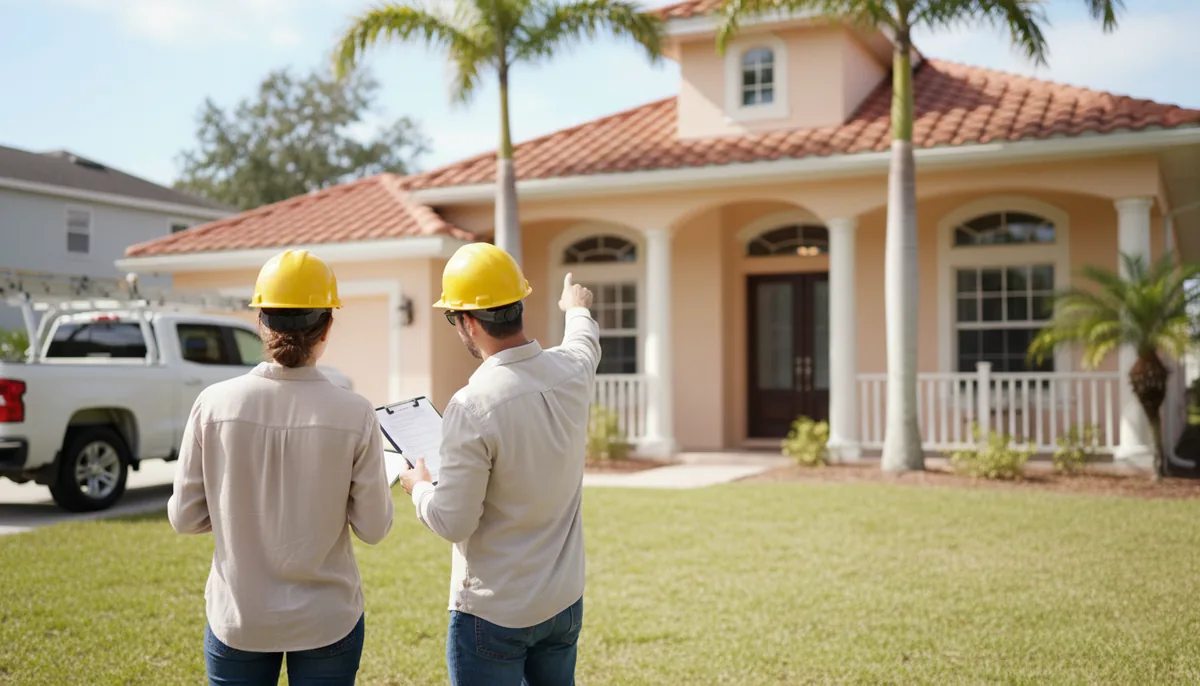
The 25% rule changed, and most contractors still have it wrong
Call it the old 25% rule. It came from the Florida Building Code: if more than a quarter of your roof was damaged, you had to bring the whole roof up to current code. Contractors used it to justify full replacements constantly. It made for some expensive arguments between homeowners and adjusters.
SB 4-D (2022) changed that. If your roof was built, repaired, or replaced to the 2007 Florida Building Code or any later edition, then only the portion being worked on must meet current code. A full replacement is no longer automatically triggered by crossing that 25% threshold. The 2007 code took effect on March 1, 2009, so roofs completed before that date generally do not qualify for the easier rule. If your roof is older than that, the old logic still applies and you could be looking at a full replacement. If it is newer, a repair might be perfectly legal.
The caveat is insurance. The building code sets the minimum. Your policy is a different animal. Coverage varies by policy, so read your declarations page and ask your agent exactly what your insurer requires before you commit to a repair or replacement.
What I would actually do: Before you sign a repair contract, ask the contractor wether the roof was built under the 2007 code or later. If they hedge, get the building department records yourself. This one detail determines whether you are paying for a repair or a whole new roof.
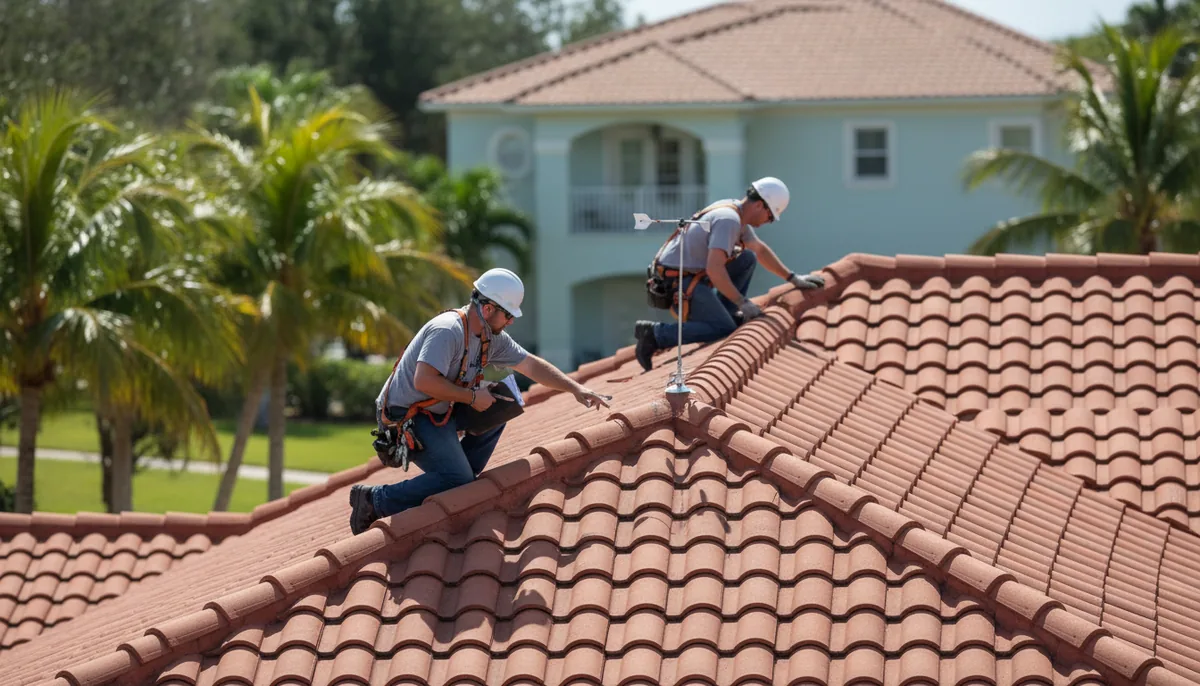
Hiring a roofer in Florida is a licence-checking exercise
Florida roofing contractors are licensed by the Department of Business and Professional Regulation. A certified contractor has a licence that starts with CCC and can work anywhere in the state. A registered contractor has a licence that starts with RC and can only work in the local jurisdiction that licensed them. That distinction matters more than you think.
I have seen registered contractors take work two counties over, and I have seen the fallout when the work was shoddy and the homeowner tried to file a complaint. The DBPR roll is public. Look up the licence number and confirm it is active before you let anyone on a ladder. If a contractor cannot produce a licence number, that is not a negotiation point. That is the end of the conversation.
What I would actually do: Ask for the licence number, look it up on the DBPR roll while they are still on the phone, and ask if they are certified or registered. If they are registered, make sure you live in the jurisdiction where they are licensed. It takes two minutes and it saves you from hiring someone who cannot legally do the work.
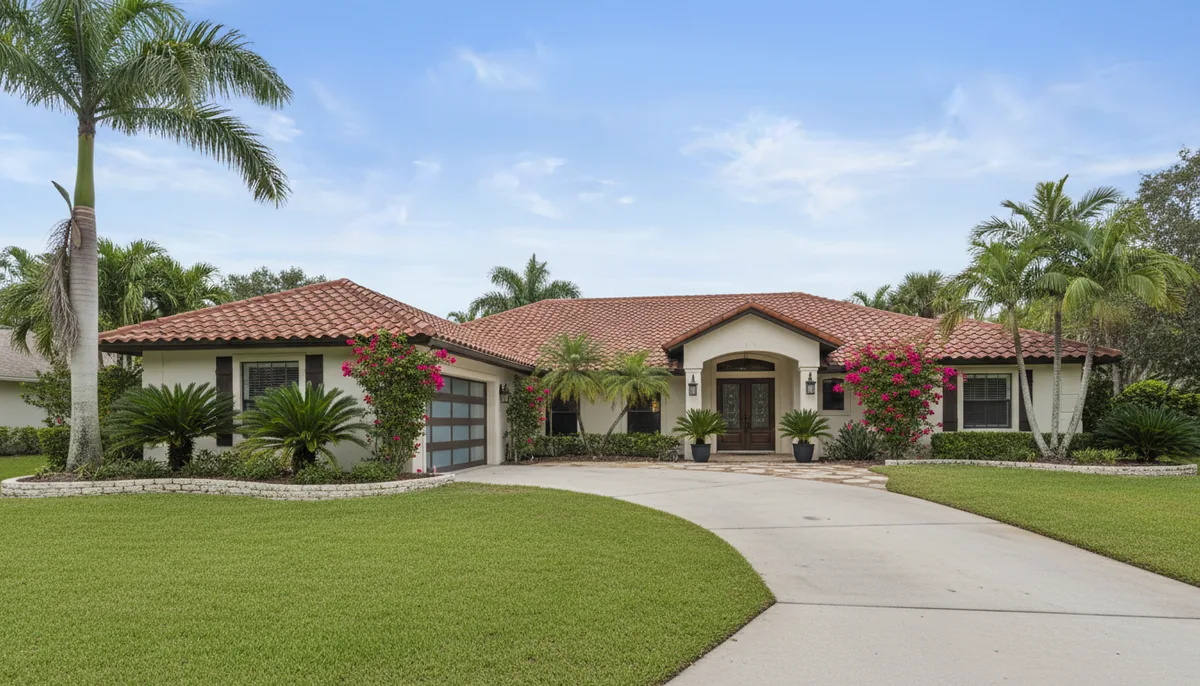
Your insurer of last resort still wants you to do the work
Citizens Property Insurance Corporation is Florida's state-backed insurer of last resort. If you cannot find coverage in the private market, you end up with Citizens. The common assumption is that Citizens is more lenient because it is the government. It is not. They pay claims according to the same policy language and the same statutes as everyone else. And because they are the insurer of last resort, they tend to be strict about roof condition at binding.
The good news is that a wind mitigation inspection can help you qualify for coverage with Citizens or a private carrier. The same form that unlocks a discount also proves to the underwriter that your roof is not a liability. If you are shopping for coverage and getting denied because of roof age, get the inspection before you give up.
My Safe Florida Home is worth checking, but it is not guaranteed
There is a state programme called My Safe Florida Home that offers free wind mitigation inspections and matching grants for qualifying hurricane-hardening improvements. It is a real programme. It is also funded in cycles, and the money can run out. I cannot tell you that grants are available right now, because that changes from month to month.
What I can tell you is that it is worth checking whether the programme is open. If it is, a free inspection is a no-brainer. If it is not, the waitlist still costs you nothing. The matching grants can cover things like roof-to-wall connections or secondary water barriers that make your roof behave better in a storm. That is not just a discount on paper. That is your house staying dry.
Questions I get asked
How long do I have to file a claim after a hurricane?
One year from the date of loss for an initial claim, eighteen months for a supplemental claim. That is under Florida Statute 627.70132, and it is shorter than most people think. The clock starts when the damage happened, not when you found it.
Will the insurance company pay for a whole new roof if I have damage?
Not automatically. It depends on your policy language, the age of your roof, and the extent of the damage. A policy that pays actual cash value will subtract depreciation, which means an old roof might get you a small check. A replacement cost policy is different. Read your declarations page to see which one you have.
What does the wind mitigation inspection cost?
It is priced per square and depends on the pitch and access of your roof. The inspection is typically far less than the annual discount it creates. The discount depends on the insurer's filed rates and your specific roof features, so I cannot give you a number.
How do I know if my contractor is actually licensed?
Look up the licence number on the DBPR roll. A certified contractor starts with CCC. A registered contractor starts with RC and can only work in the local jurisdiction that licensed them. If the number does not come back active, do not hire them.
I found damage from a storm last year. Can I still claim it?
If it is within one year of the date of loss, you might be fine. If it has been longer, you are probably out of luck. The insurer gets a complete defence if you miss the deadline, even on a covered loss. Call them today and ask.
Do I need a wind mitigation inspection before I file a claim?
No. But it helps. The inspection documents the condition of your roof before the storm, which gives the adjuster a baseline. If you already have an inspection on file, you are ahead of most people. If you do not, get one before the next storm season.
More from the site
- Florida building code roofing 2024: What Florida Homeowners Should Know
- Florida roofing insurance news: What Florida Homeowners Should Know
- How old can a roof be for insurance in florida: What Florida Homeowners Should Know
- Roof requirements for homeowners insurance in florida: What Florida Homeowners Should Know
- Roof insurance florida: What Florida Homeowners Should Know