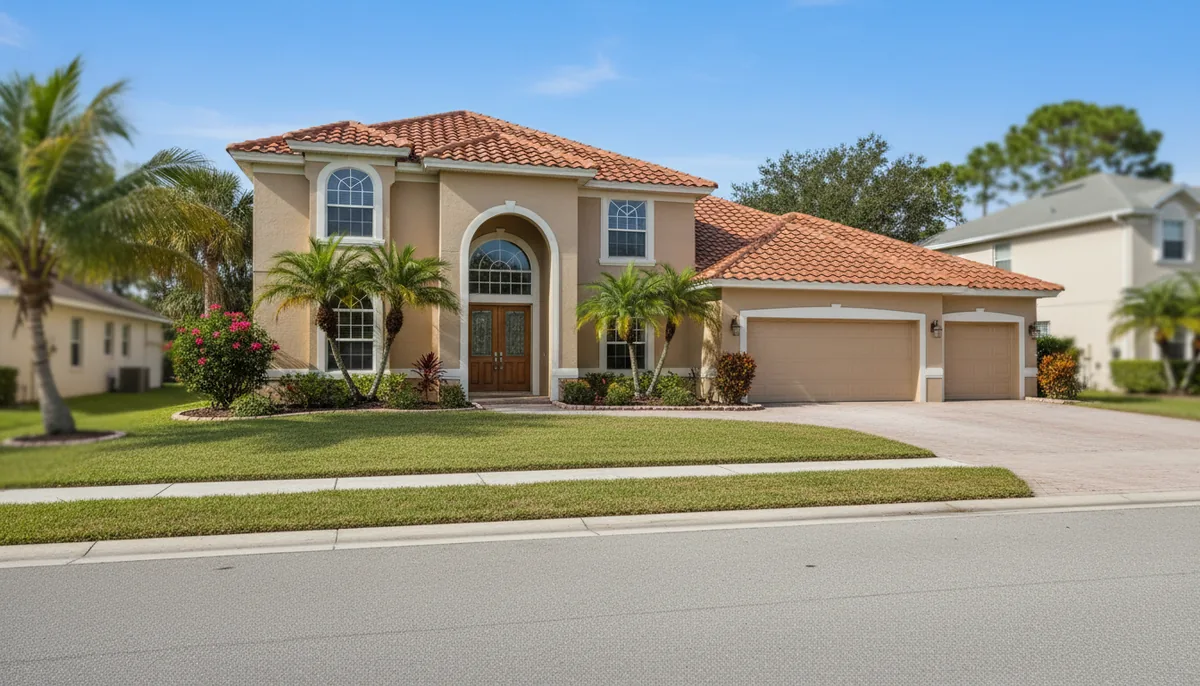
Florida flat roof: The Florida Guide
By Dale Prescott, Roofing contractor, Central Florida. Reviewed by Hal Winstead, Editor, licensed roofing contractor. That Publix in Lakeland had a flat roof that looked fine from the parking lot. Dead flat, white coating, the whole thing baking in July. I got up there with a moisture meter and my boot went through a soft spot near the scupper like it was wet cardboard. The decking underneath was mush. Two hours later the store manager came up to see what the hold-up was, and I had to explain that the roof he'd been ignoring for six years was holding water like a sponge. He looked at me like I'd personally rotted his trusses. If you want to see who actually covers this work, flat roofing companies in Florida is where I would start.
I'm Dale Prescott. I've run tile and shingle crews between Orlando and the coast for twenty-two years, but I've torn off more flat roofs than I can count. If you're searching for flat roofing companies in Florida because your flat roof is sweating, leaking, or just scaring you with those stains on the ceiling, you need the real story before you sign anything. This is that story. The good, the bad, and the part where water wins if you ignore it.
Florida flat roofs are a different animal. Your shingle roof sheds water mostly by pitch. A flat roof doesn't shed anything. It's a membrane holding back a lake every time it rains, which in this state means every afternoon from June through September. That changes what matters. The seams. The flashing. The pitch that isn't actually flat, call it a quarter inch per foot if you're lucky. The drainage. God help you if the drainage is wrong.
Wait, my roof is flat. Do I actually have a roof up there?
Yes. You have a roof. You also have a boat dock without a lake if the drainage is wrong. A true flat roof in Florida is usually a low-slope roof that looks flat from the ground—maybe a quarter inch per foot of pitch, just enough to push water toward a scupper, an interior drain, or a gutter that better be oversized. Some of these roofs are dead flat. I have seen dead flat roofs. They are a mistake unless you like ponding water and mosquitoes.
The roof itself is a system. You have a structural deck, often concrete or metal on commercial buildings, or plywood on residential additions. On top of that goes a vapor barrier sometimes, then insulation, then the membrane itself. The membrane is what you're paying for. It's either a modified bitumen roll, a single-ply membrane like TPO or PVC, or sprayed polyurethane foam over a built-up base. Each has it's fans. Each has its haters. TPO is white and reflects heat but the seams need a welder who knows what they're doing. Modified bitumen is forgiving and tough but black unless coated. Foam is great until a tree branch punches a hole in it and water gets under the whole skin. Weigh your options with someone who has actually installed all three, not just sold you on whatever their distributor had on sale.
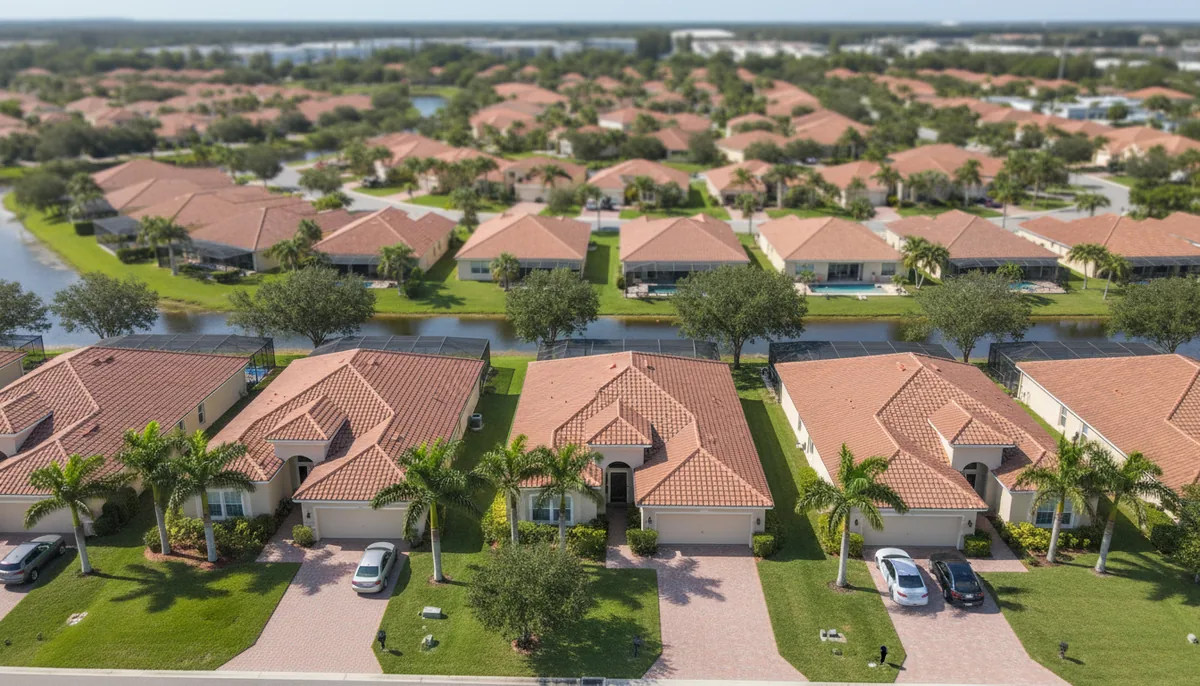
The 25 percent rule got rewritten and nobody noticed
You've heard about the Florida 25 percent rule for roof repairs. Here's the truth the way it stands now. Old rule said if you repaired or replaced more than 25 percent of your roof in a year, the whole roof had to come up to current code. That triggered a lot of full replacements and a lot of angry homeowners.
SB 4-D (2022) changed that. If your roof was built, repaired, or replaced under the 2007 Florida Building Code or anything newer—and that code took effect in March 2009—the work you're doing now only has to bring the part you're touching up to current code. It doesn't force the whole roof to be rebuilt. That's a big deal for a flat roof with a bad section. You can fix a section without the county inspector telling you to blow the whole budget.
There's a catch, of course. Roofs built before March 2009 generally don't qualify. If your flat roof predates that, the old math can still bite you. And insurance companies have their own rules. A carrier doesn't care what the building code allows if their underwriter decides the roof is too old. That's a seperate conversation from code. Don't get them tangled.
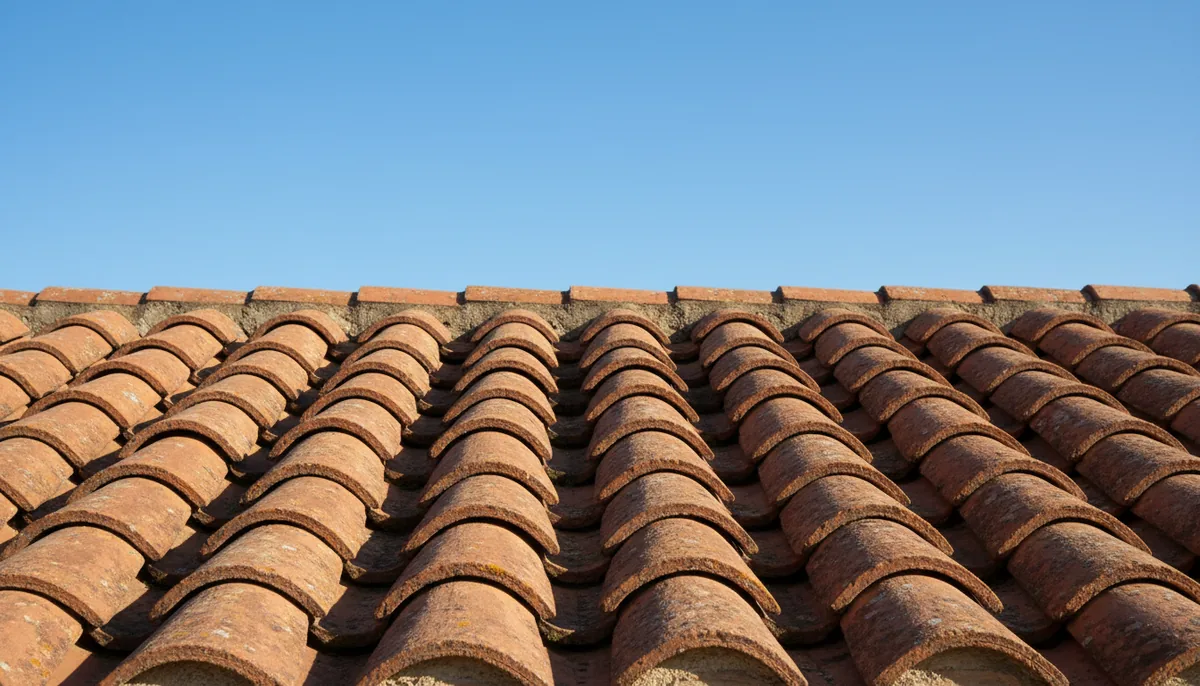
The permit is not a suggestion. Walk away from anyone who says otherwise.
A roof replacement in Florida requires a permit from your local building department. And an inspection. Both of them. If a contractor offers to skip the permit to save you time or money, show them the door. I have said this until I'm hoarse, but it's the one thing I will not negotiate.
Why does it matter? An unpermitted roof can complicate an insurance claim when a storm hits and the adjuster asks to see the permit history. It can also come up during a home sale, and the buyer's attorney will absolutely use it against you. The inspection catches things that would otherwise be hidden, like unsecured decking or flashing that stops an inch above the parapet instead of going over the top. I have been wrong about things on roofs before. That's why I like an inspector who climbs up and looks. Be suspicious of a contractor who wants to avoid that.
Before you hire anyone, understand the Florida licensing setup. Roofing contractors are licensed by the Department of Business and Professional Regulation, the DBPR. A certified contractor has a licence starting with CCC and can work anywhere in Florida. A registered contractor has a licence starting with RC and is stuck in the local jurisdiction that licensed them. Look the number up on the DBPR roll and confirm it's active. The directory I'm part of verifies those licences. But verify it yourself. It takes two minutes and it's the difference between a licensed roofer and a guy with a truck and a FB page.
What I would actually do: Check the DBPR licence roll before a contractor ever sets foot on your roof. Match the name on the business card to the name on the licence. If they won't share their licence number, you're done. No exceptions.
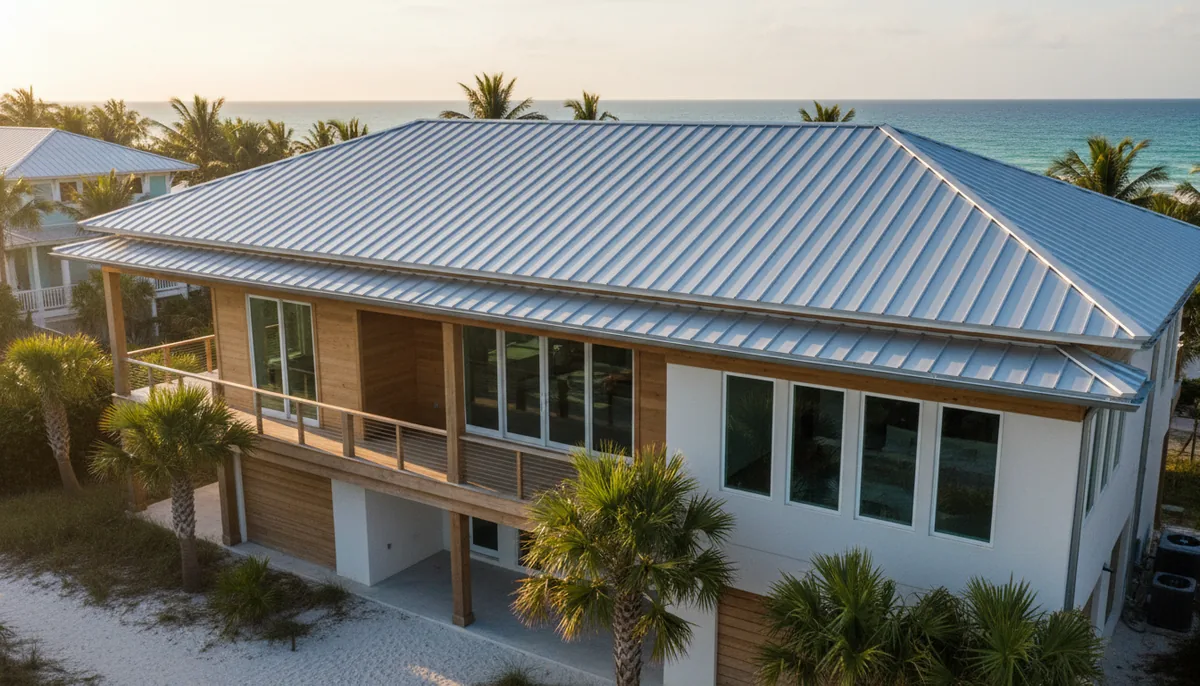
How to turn a flat roof into a discount on your insurance
Florida law requires insurers to offer premium discounts for certain wind features on your roof. The technical form is form OIR-B1-1802. It's called a wind mitigation inspection, and it documents six things: roof covering, roof deck attachment, roof-to-wall connection, roof geometry, secondary water resistance, and opening protection.
A flat roof can actually score well here. Roof geometry on a flat roof is often rated as hip or low-slope, which handles wind better than a gable. The roof deck attachment—wether your decking is nailed or screwed into the framing—gets a rating. Roof-to-wall connections matter. And that secondary water resistance barrier under your membrane, the peel-and-stick stuff that stops water if the top layer tears off? That's a discount factor.
The inspection itself costs maybe a few hundred dollars. The annual discount can exceed that, depending on what turns up and what your insurer offers. I've seen it go the other way too. An inspection can reveal that your roof doesn't qualify for much of anything, in which case you know what you're working with. Knowledge is never a bad trade. Don't confuse this with an insurance claim inspection. This is a separate thing you pay for upfront.
Also worth mentioning: Citizens Property Insurance Corporation, which is Florida's insurer of last resort, has its own requirements for roof condition and age. And the My Safe Florida Home program exists for homeowners looking to harden their homes against wind. Neither of these is something I administer. Check the programs yourself and see if you qualify. The discount mechanism for wind mitigation is real, and it's laid out in Florida Statute 627.70132, which is the part of the law that keeps insurers honest about offering those discounts. I'm not a lawyer, so read it yourself if you want the exact wording.
What I would actually do: Order a wind mitigation inspection before you file a claim. If the roof is in good shape, the report becomes a negotiating tool with your insurer. If it's not, you just saved yourself an embarrassing meeting with an adjuster.
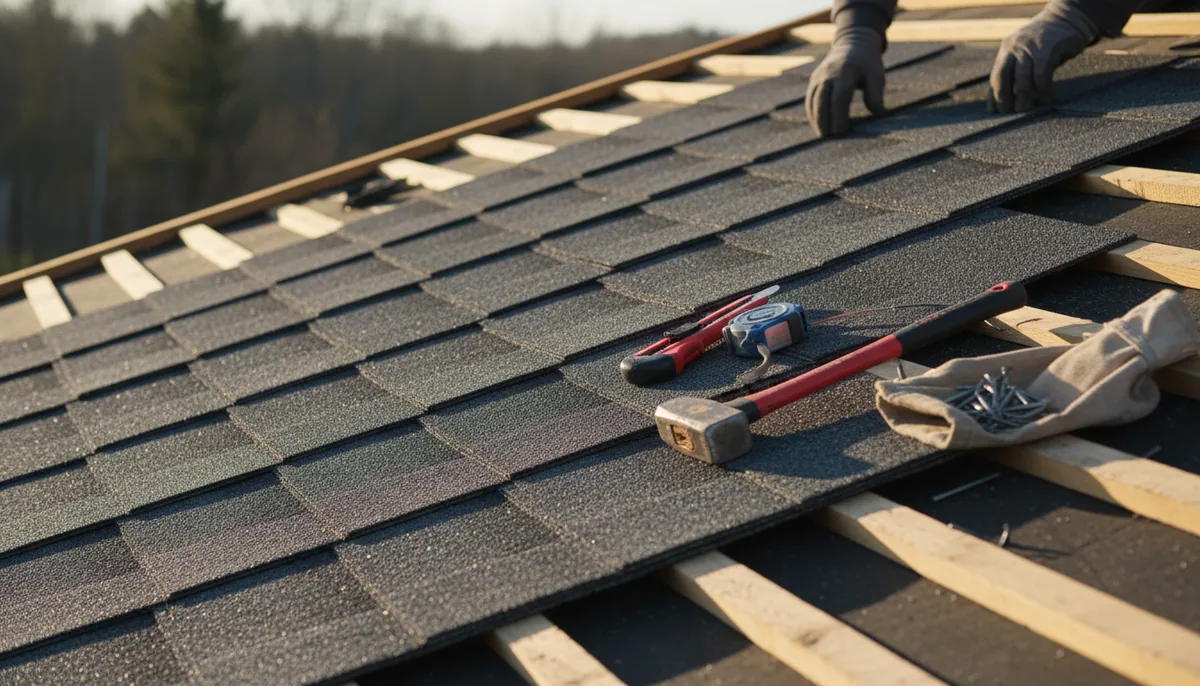
So what is this flat roof florida actually going to cost me?
I wish I could give you a number. I can't. Nobody honest can, not without seeing the roof. Flat roofs get priced per square, where one square is 100 square feet. The price depends on the type of membrane, the insulation underneath, how many layers are being ripped off, what the deck looks like, and how high the building is. Access is a big one. A second-story flat roof over a garage is a different beast than a one-story commercial building with a forklift on site.
Here's what drives cost more than materials: labor. Florida heat, call it an average of ninety degrees with ninety percent humidity, makes working on a black membrane roof a nasty job that nobody wants to do for minimum wage. Good crew members earn their pay up there. You'll pay for that. You should of. The cheapest bid on a flat roof is either a guy who doesn't know what's under the membrane or a guy who plans to leave before the warranty call.
The warranty matters. Most membranes come with a manufacturer warranty of ten to twenty years, but that warranty depends on the roof being installed by an approved contractor using approved details. If your installer disappears, the manufacturer may honor the warranty if the installation was done right and documented. Let me be honest, that's a big maybe. Pick a contractor who's been around long enough that they'll still exist when you call about a seam failure four years from now. I've been doing this for twenty-two years. I've seen the storm chasers come and go.
Questions I get asked
Is a flat roof in Florida a bad idea?
No, but it's a higher-maintainance roof than shingle. Flat roofs are standard on commercial buildings and they're making a comeback on modern homes where the look is part of the design. The problem isn't the roof type. It's homeowners who forget that a flat roof needs annual attention. You should be up there or have someone up there at least twice a year, especially before and after hurricane season. Clear the drains. Check the seams. Look at the flashing around any penetration. A flat roof that gets maintenance is a different thing entirely from one that's ignored.
Why is my flat roof leaking and my ceiling is stained brown?
Because water is finding a seam or a hole somewhere above that spot, then running along the underside of the deck until it drips where gravity takes it. The leak stain on your ceiling can be several feet from the actual breach. Water follows the path of least resistance, and it doesn't care about your ceiling paint. Flat roofs leak at transitions: where the membrane goes up a parapet wall, around a pipe boot, under old flashing, or at a torn seam. The source might be small. The repair might be simple. But don't assume the stain is directly under the problem.
Do I have to replace my whole flat roof if one area leaks?
Under the current code rules, maybe not. Remember SB 4-D (2022) changed the trigger point. If your roof was built after the 2007 code went into effect, you can repair or replace just the damaged section and only that section has to meet current code. That's a massive difference from what the old 25 percent rule required. I would still want an experienced roofer to assess why that section failed before patching it. If the membrane is old and brittle elsewhere, you're just paying to patch a dying roof one leak at a time.
What does the insurance company actually look at on a flat roof?
They look at the age and condition of the membrane, evidence of repairs, ponding water, and the overall appearance of neglect. The adjuster also looks at whether the roof has a secondary water barrier. That's part of the wind mitigation inspection you'd pay for separately. The details of what a policy covers depend entirely on your policy. Read the declarations page. Don't let me or anyone else tell you what your coverage includes. As a general rule, though, a well-maintained flat roof with proper drainage and recent repair records puts you in a much stronger position than a roof that looks like it hasn't been touched since the Clinton administration.
How long does a flat roof membrane actually last?
Give or take fifteen to twenty years for a quality TPO or modified bitumen roof, if it's installed right and maintained. Cheap roofing and shoddy installation can cut that to ten years or less. Florida sun is brutal on everything, and a flat roof takes the full force of it all day long without any pitch to shade part of the surface. Coating the roof with a reflective coating can extend the life, but it's not magic. You can't coating your way out of a roof that's already failed.
How do I check if a roofer is licensed?
Go to the DBPR website and search the license lookup tool. You want to see an active license number. The prefix C-C-C means certified and they can work anywhere in the state. The prefix R-C means registered and they can only work in the county or city that licensed them. If someone gives you a number that starts with anything else, or won't give you a number at all, find another contractor. The directory I'm associated with verifies licenses against that roll, but checking yourself takes two minutes and costs nothing.