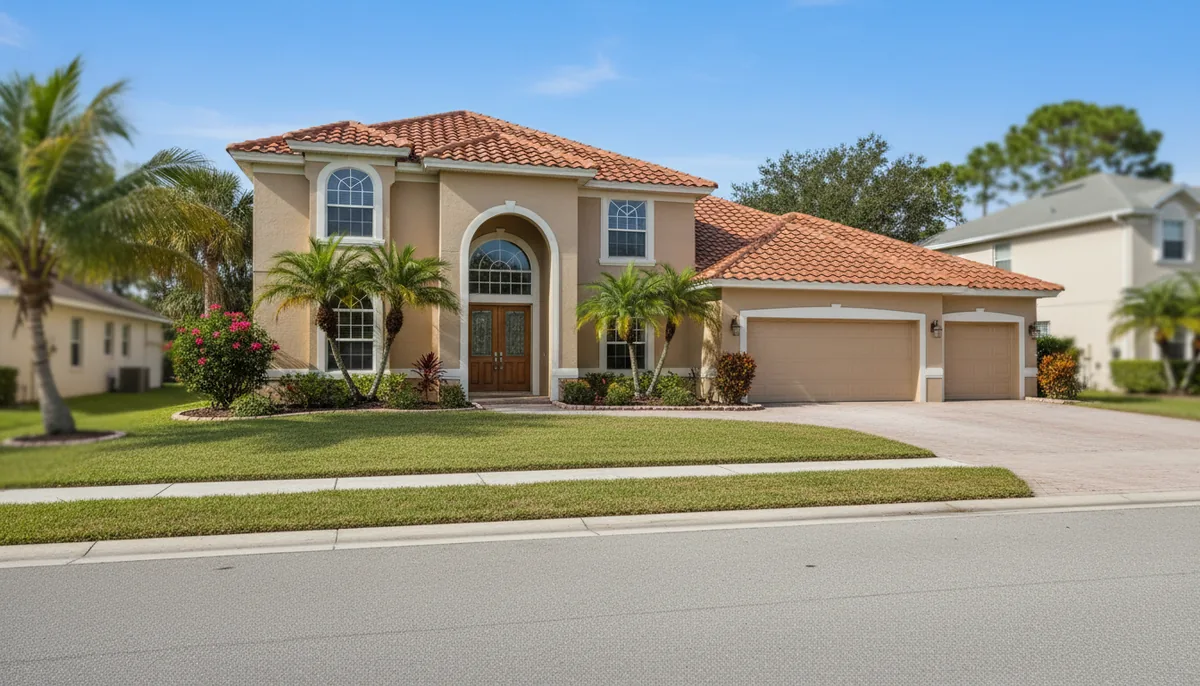
Florida law roof replacement: The Florida Guide
By Dale Prescott, Roofing contractor, Central Florida. Reviewed by Hal Winstead, Editor, licensed roofing contractor. I was standing on a two-story barrel tile in Lakeland, middle of July, sweat running down into my eyes, when the homeowner comes out and yells up that he doesn't need a permit because his neighbor said something about a new Florida law. That was 2023, right after the chatter got loud. He was talking about changes to the 25% rule, and he had it backwards. We stopped work, I got down, and we spent forty minutes on the lawn going through what the law actually says versus what the neighborhood Facebook group swore was true. He signed the permit paperwork the next day. That roof was a mess, but it was nothing compared to the misinformation floating around about what Florida requires when you replace a roof.
If you are looking for someone to do the work, roof replacement companies in Florida are listed in the directory, and it verifies licences against the DBPR roll. That matters more than a pretty website. But before you hire anybody, you need to understand what the state actually requires. I of been tearing off storm-damaged roofs between Orlando and the coast for twenty-two years. I have been wrong about this before, and the law changed on me twice in the last few years. Let me walk you through what I know is true as of now.
There is no single "Florida roof law" that covers everything. There is a bundle of stuff: the building code, the insurance statute, the licensing rules under the Department of Business and Professional Regulation. The licensing part is straightforward. A certified contractor holds a DBPR licence prefix CCC and can work anywhere in the state. A registered contractor holds a licence prefix RC and can only work in the local jurisdiction that licensed them. Always verify the number is active. The directory does it, and you should too.
Florida roofing law changes 2023: what actually changed for homeowners
The big thing people ask me about is the 25% rule. They heard something changed in 2022 and then again in 2023, and they want to know if they can patch a section without replacing the whole roof. So here is how I explain it, in plain words.
Before 2022, the code said no more than 25% of a roof could be repaired or replaced in a twelve-month period without bringing the whole roof up to current code. That was a nasty shock for alot of people with older roofs who had one bad section. They went to fix a leak, and suddenly they were being told the entire roof had to go. SB 4-D changed that in May 2022.
Under the new rule, if your roof was built, repaired, or replaced under the 2007 Florida Building Code or any later edition, then only the portion being worked on has to meet current code. A full replacement is no longer automatically triggered. You have to know when that 2007 code took effect. It was 1 March 2009. So a roof completed after that date generally qualifies. A roof built before that date? That is where I hedge, because it depends on what is under there and what your local building official says. Call it a gray area, and the local inspector has the final call.
I had a customer in Winter Haven whose roof was from 2008, just missed the cutoff, and he had one bad valley. Under the old rule, he was looking at a full tear-off. Under the current rule, because of the 2007 code tie, he still was not off the hook, because his roof predated the effective date. He had to replace the whole thing. That is the part people do not want to hear.
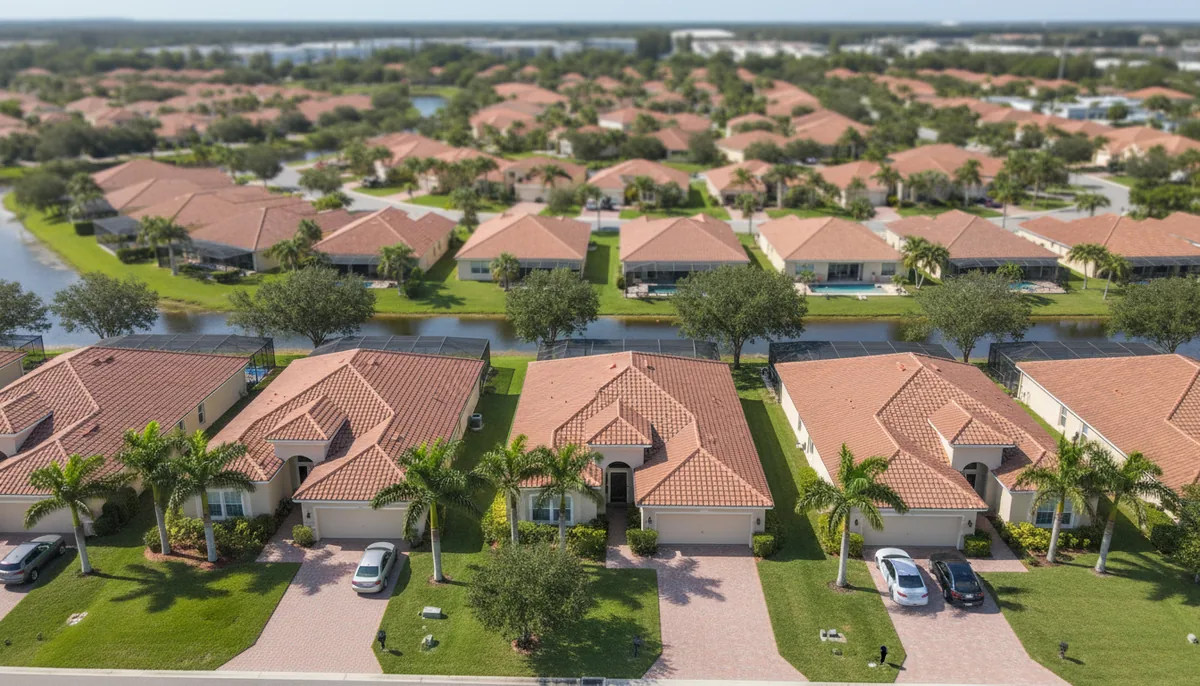
What is the Florida new roof law about insurance?
The insurance angle is where things get less straightforward. Florida Statute 627.70132 is the one that controls what insurers can require roof claims. I am not a lawyer, so I am not going to pretend to interpret every line of it. What I can tell you from the field is that it has made insurers more likely to push for a full replacement when a roof is damaged, but it also gave homeowners more room to negotiate if the damage is contained.
What I would actually do: Pull your policy and read the declarations page before you call anyone. Do not call your insurance company first and do not call a contractor first. Call your agent and ask, in plain words, what your roof coverage actually entails under the current policy. I have seen too many people assume hail damage is covered, only to find out their policy excludes it or has a seperate roof deductible.
The law does not tell any specific insurance company what to cover. Coverage varies by policy, and that is the truth. Some policies have a roof surface deductible now. Some have a replacement cost rider that requires specific materials. You have to read yours. Do not ask me what your policy covers, because I cannot know, and anyone who tells you they can is guessing.
I tell every customer the same thing: the insurance money is a separate conversation from the roofing work. We do not start work based on what an adjuster said on the phone. We start work based on a signed contract and a permit. That protects everybody.

Florida roofing law changes 2022: the SB 4-D hangover
We are still feeling the ripple effects of SB 4-D. That was the emergency measure passed in May 2022, and it did a few things beyond the 25% rule. It also changed the way roofing contractors can solicit business. The days of a guy knocking on your door after a storm and offering to handle everything with your insurance are largely gone, at least for the legitimate outfits.
The licensing board got stricter about what contractors can say about insurance claims. If a contractor shows up and promises to get you a new roof with no out-of-pocket cost, without even looking at your policy, walk away. I mean it. That is not how it works. The good operators will tell you what the roof needs and let you sort out the insurance side with your adjuster.
I have a digression here, and I am going to allow it. The number of homeowners who have asked me to "make it look like hail damage" so insurance will pay for a roof that is just old... It is disgusting. I have walked off more jobs than I can count over that request. Do not ask your contractor to commit fraud. It is not clever. It is a felony, and it drives up everybody's premiums.
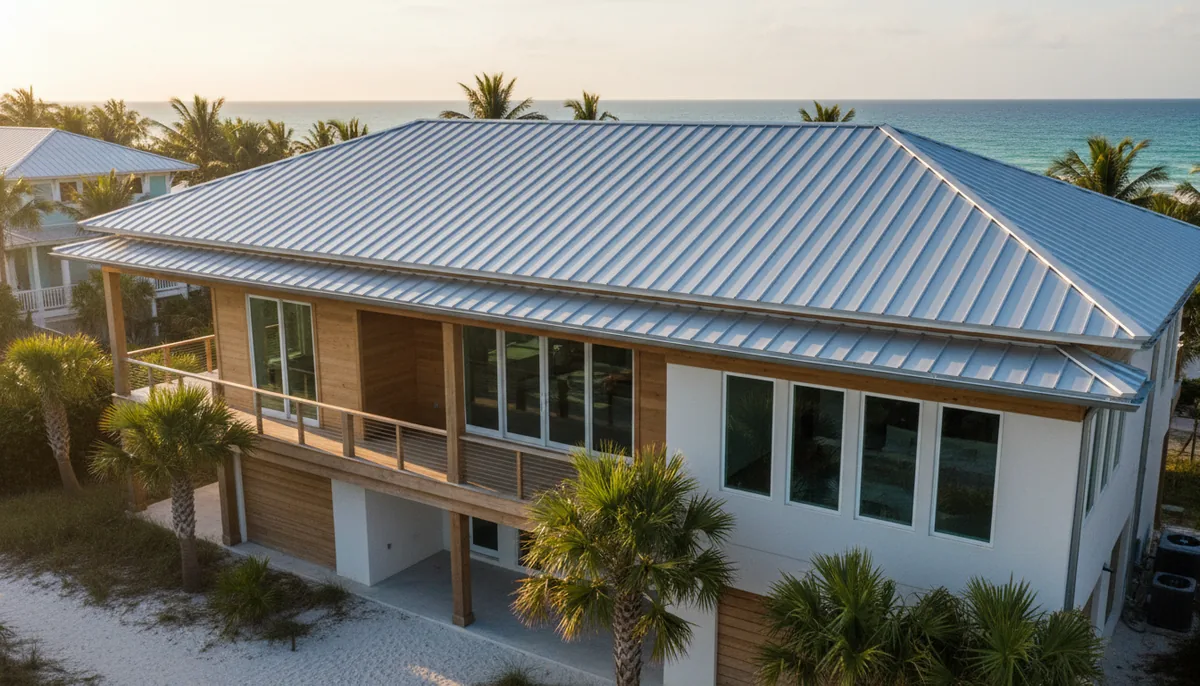
Florida roofing laws: the permit and inspection requirement
No matter what the law says about the 25% rule or insurance statutes, one thing has never changed: a roof replacement requires a permit from your local building department, and it requires an inspection. I do not care if it is a tiny shed or a mansion. You pull the permit, you schedule the inspection, and you pass it.
There is no version of this that is legal without a permit. If a contractor offers to skip the permit to save you money or time, that is your cue to fire them. An unpermitted roof can complicate an insurance claim, and it will absolutely come up when you try to sell the house. The buyer's inspector will flag it, the title company will ask about it, and you will be stuck paying to fix it or losing the sale.
The permit proccess also protects you. The inspector is supposed to catch things I might miss or try to hide. I have had inspectors flag decking that I thought was fine. I grumbled about it, but they were right. That is the system working. You want that paper trail when you sell.
What I would actually do: Ask to see the permit before any work starts. Not after. Before. A legitimate contractor will pull it and give you the number. If they hesitate, if they tell you the homeowner can pull it or that it is included in the price and you will get it later, that is a red flag.
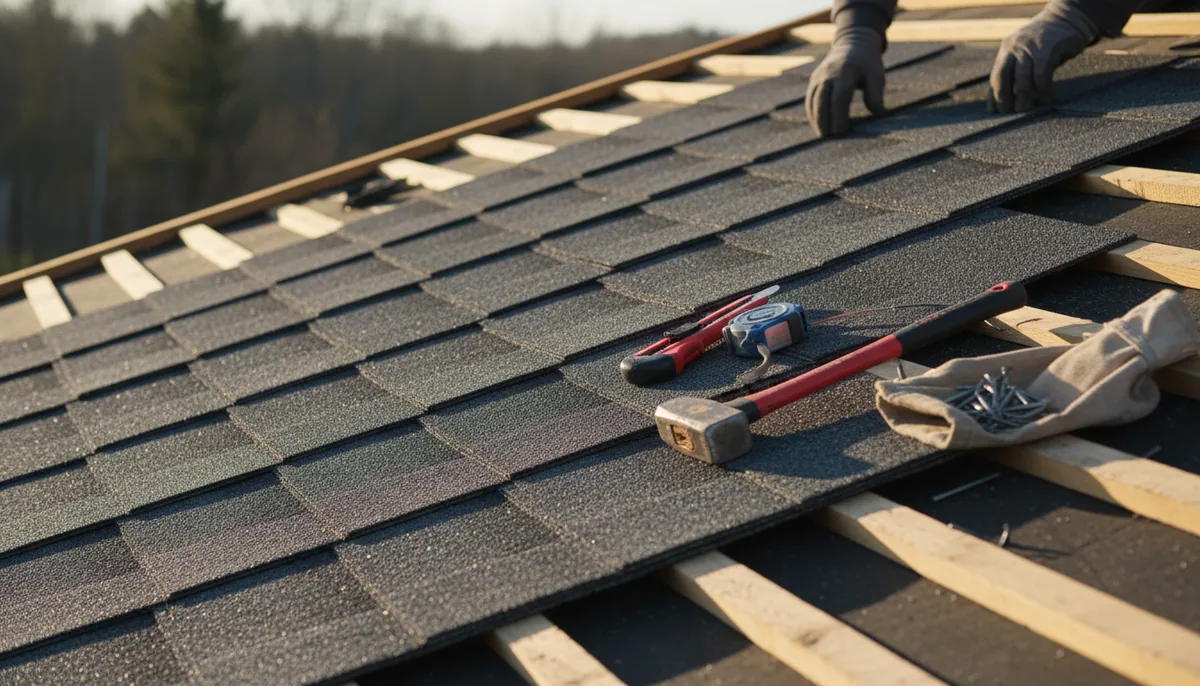
A wind mitigation inspection is the closest thing to free money
Here is the part where a homeowner can actually save money without a new roof. If you have a roof in good shape, you can get a wind mitigation inspection. It documents the roof covering, the roof deck attachment, the roof-to-wall connection, the roof geometry, the secondary water resistance, and the opening protection. That is the whole list, and the standard form is OIR-B1-1802.
Florida law requires insurers to offer premium discounts for qualifying features. That does not mean every insurance company applies the same discount, but they have to offer something. I have seen the inspection cost maybe a hundred and fifty bucks, and it saved the homeowner more than that in the first year alone. I do not have exact averages, do not quote me on a specific dollar amount, because it depends on the insurer and the home. But the mechanism is real. You pay for the inspection, you submit the form, and your premium should drop.
The My Safe Florida Home program is another route, though it goes through the state and the funding comes and goes. It is a grant program, not a loan, and it focuses on hardening your home against storms. That can include roof upgrades. I tell people to check if it is open before you shell out for a big renovation. It is not a giveaway, it has income limits and application windows, but it is worth a look.
Questions I get asked
How do I know if my roof actually needs a full replacement under Florida law?
You do not know until a licensed contractor and your local building official look at it. The old 25% rule automatic trigger is gone for newer roofs. If your roof is from 2009 or later, a repair may be all you need. If it is older, the full code may kick in. A contractor who gives you an answer over the phone without seeing the roof is guessing.
Can I just repair the damaged section and avoid the permit?
No. A repair that involves structural work, decking, or a significant amount of shingle replacement still needs a permit in most jurisdictions. You cannot skip the permit just because you are calling it a repair. The inspector will tell you the difference, and so will a buyer's agent later.
Will my insurance company force me to replace my roof after a claim?
It depends entirely on your policy. I cannot say what yours covers. Some policies have provisions that limit the payout on older roofs. Read your declarations page and talk to your agent before you file a claim. I have seen people file a claim, get denied, and then get dropped. Know what you have before you ask for it.
Is a wind mitigation inspection worth it if I am not replacing anything?
Yes, and this is one of the few yes-or-no answers I can give you. The inspection costs less than the annual discount it can open up in most cases. If your roof already has the right attachments, you are leaving money on the table every year you skip it. Get it done once and keep a copy for your records.
What is the difference between a CCC and an RC licence?
It is job one. A certified roofing contractor holds a licence prefix CCC and can work anywhere in the state. A registered roofing contractor holds a licence prefix RC and is limited to the local jurisdiction that licensed them. If an RC contractor offers to work outside their area, that is a violation. Check the active status on the DBPR roll before you sign anything.
That is a lot of rules. Does any of this actually apply to a simple shingle roof?
Every bit of it. The permit, the inspection, the insurance question, the wind mitigation form. It all applies wether you are putting on architectural shingles or a standing seam metal roof. The materials change, the laws do not. And if a contractor tells you different, get a second opinion and check their licence status before you let them on your roof.