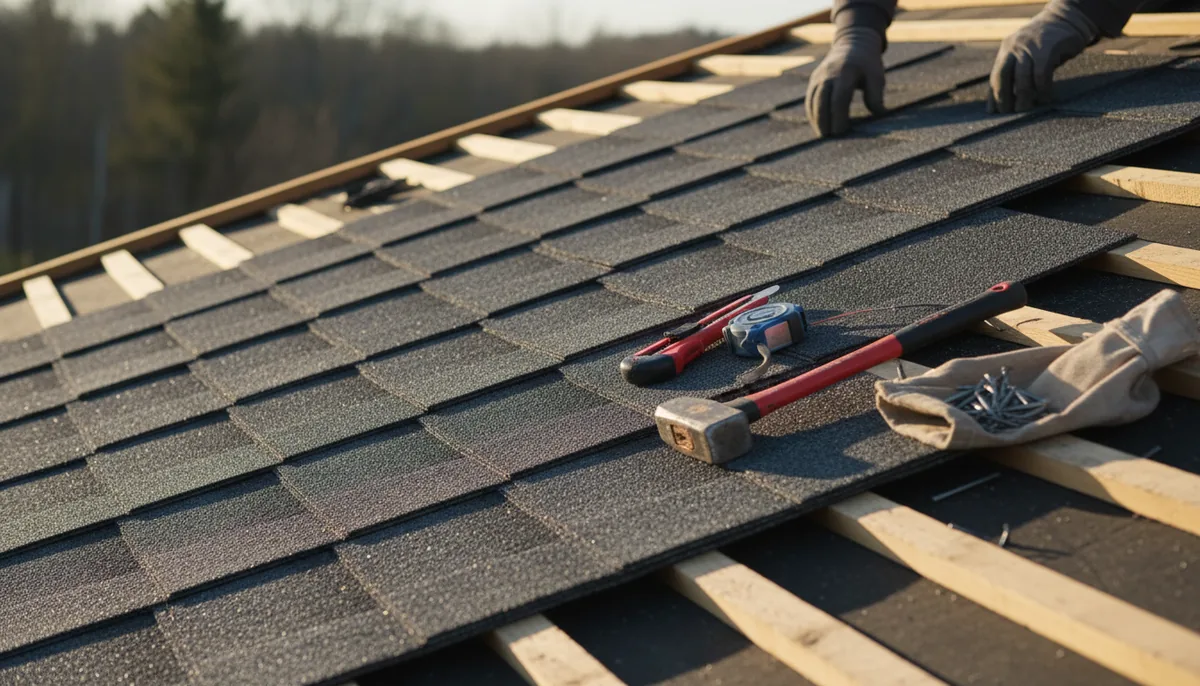
All Florida roofing: The Florida Guide
By Dale Prescott, Roofing contractor, Central Florida. Reviewed by Hal Winstead, Editor, licensed roofing contractor.
Looking for All Florida Roofing? They are listed in this directory, in Ocala, with their Florida DBPR licence number and whether that licence is currently active. See the All Florida Roofing listing.
One July afternoon in DeLand, the sky turned the color of a week-old bruise while I was up on a barrel tile roof with three guys stripping layers that had been sitting there since the ’80s. The homeowner came out and asked if we could knock off early so he could make a lunch reservation. I told him no. Ten minutes later, hail took out both truck windows and the windshield, and he stood in the wet grass scrolling a list of roofing companies in Florida while my crew chased blown felt across the yard. That roof ended up needing more work than the hail did, but that’s a story for another day.
I’ve been running tile and shingle crews between Orlando and the coast for twenty-two years. I’ve torn off more storm-damaged roofs than I care to count. If you’re reading this at the kitchen table with a bucket under a leak, or just trying to figure out wether you need a new roof at all, you don’t need a sales pitch. You need the stuff that doesn’t show up in the glossy ad.
Whether you typed “all florida roofing” or “roofer near me,” the ground rules are the same under every roof in this state. Let’s go through the ones I actualy see people get burned by.
All Florida roofing starts with a license check
Here’s where I’ve seen otherwise smart people get into trouble: they hire the guy with the friendliest sales pitch, not the guy who can legally be on their roof. Florida roofing contractors are regulated by the Department of Business and Professional Regulation, which is a mouthful, so we just say DBPR. What matters is the DBPR licence prefixes CCC and RC. A contractor with a CCC prefix holds a certified roofing contractor’s license, and that’s good anywhere in the state. A contractor with an RC prefix holds a registered roofing contractor’s license, and that’s only valid in the local jurisdiction that issued it.
The license number is public. Five minutes on the DBPR roll beats a year of regret. If someone hands you a business card with no number, that’s not a roofer, that’s a salesman.
What I would actually do: Look up the license on the DBPR roll before I return a phone call. If the number isn’t active, the conversation ends there.
The 25% rule changed, but it didn’t disappear
Roofers love to quote the old 25% rule. It was real, but it’s been modified. The old rule said you couldn’t repair or replace more than a quarter of a roof in a year without bringing the whole thing up to current code. That’s how a homeowner called for a small repair and ended up with a quote for an entire new roof.
Then SB 4-D (2022) changed the math. If the roof was built, repaired, or replaced under the 2007 Florida Building Code or anything later, only the section getting worked on has to meet current code. A repair no longer automatically forces a full replacement. But if the roof goes back before the 2007 code, which took effect in March 2009, that old threshold can still bite. I’ve been wrong about this before, and it can change from one street to the next depending on permit history. The only honest answer is to ask the building department.
What I would actually do: Ask the local building department which code cycle the roof falls under before I quoted a repair versus a full replacement. Then I’d put the answer in writing.
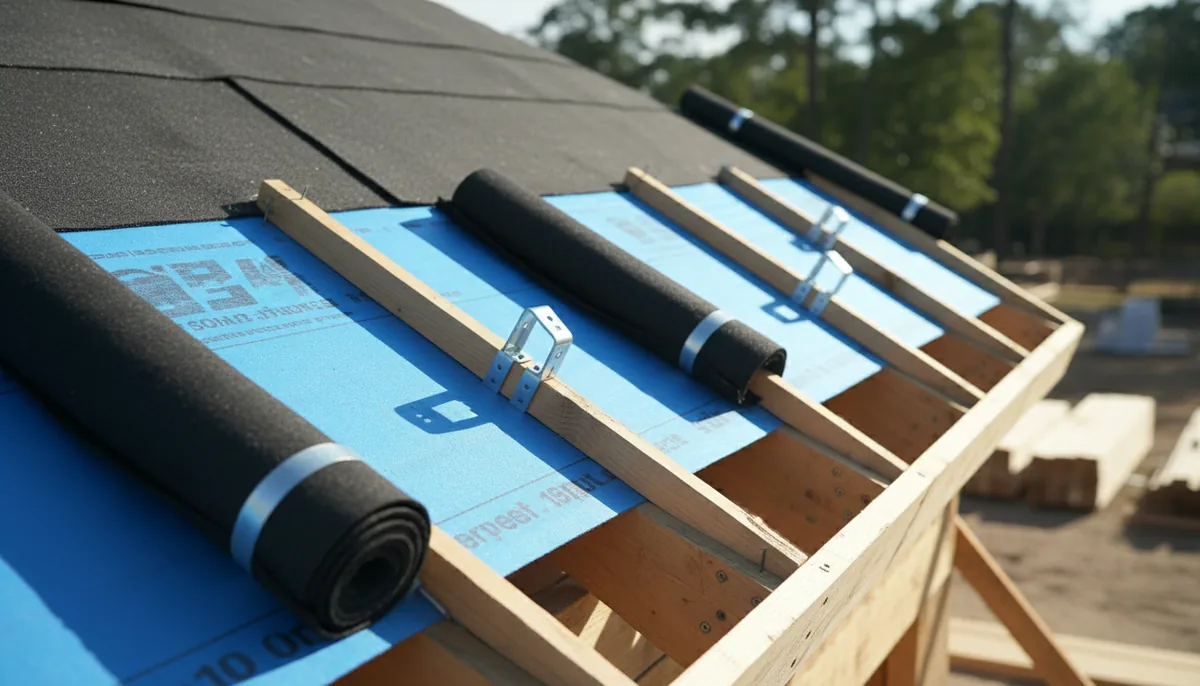
Permits are not a suggestion
Here’s one I can’t sugarcoat. A roof replacement in Florida requires a permit from the local building department, and it requires an inspection. It doesn’t matter if the roofer is your brother-in-law or if the job is small. The permit history is part of the house’s paperwork.
If somebody offers to “save you the hassle” by skipping the permit, walk away. I’ve seen unpermitted roofs turn a straightforward insurance claim into a mess. I’ve also seen them become a problem at closing, when the buyer’s attorney asks about permits and the seller suddenly can’t find a roofer who will cover for them. Don’t be that seller.
Side gripe: I once had a customer in Winter Park ask me to make her roof look like the ocean from the satellite view. I don’t know what that means, and I don’t think she did either. It took us an hour to get back to shingle colors.
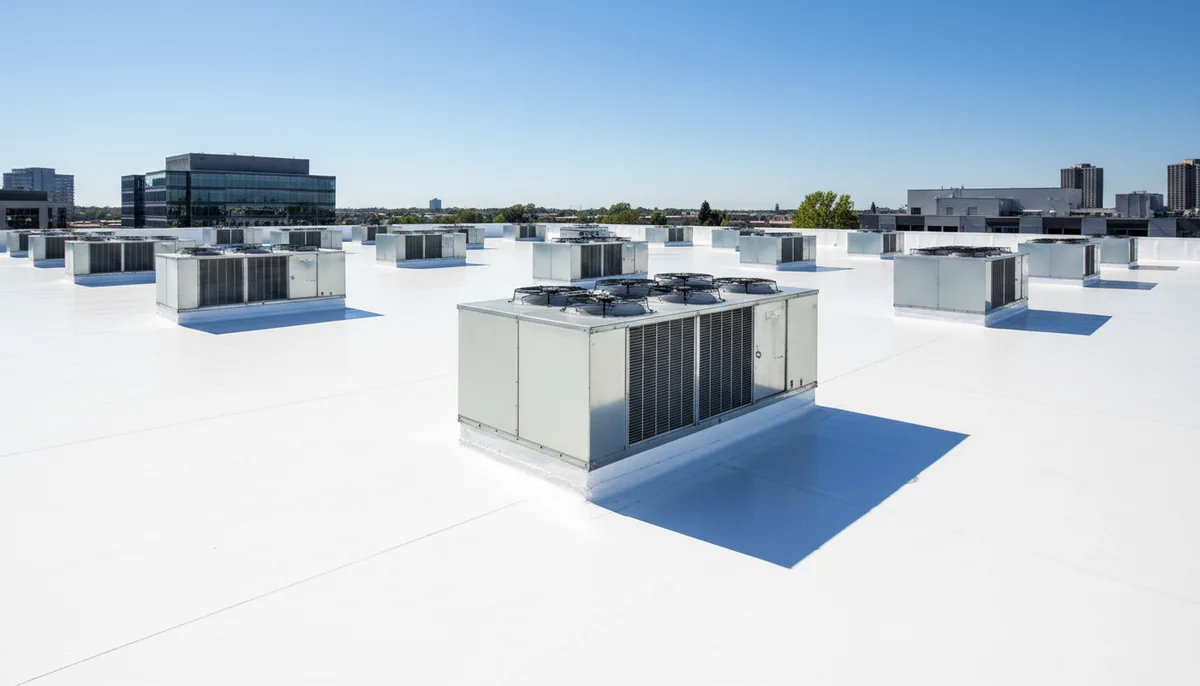
Wind mitigation inspections are the discount hiding in your attic
A lot of homeowners never hear about wind mitigation inspections until after they’ve reroofed. That’s backwards. A wind mitigation inspection looks at six things: roof covering, roof deck attachment, roof-to-wall connection, roof geometry, secondary water resistance, and opening protection. The inspector fills out the standard form OIR-B1-1802, and your insurance company uses it to decide whether you qualify for discounts. Florida insurers have to offer premium discounts for qualifying features. That’s not a maybe.
The cost of the inspection depends on the size, pitch, and access, so I won’t invent a number. What I’ll tell you is that the premium discount can come back year after year. If you’re getting a new roof, ask for the wind mitigation form to be filled out while the framing is still exposed. That’s the cheapest time to do it.
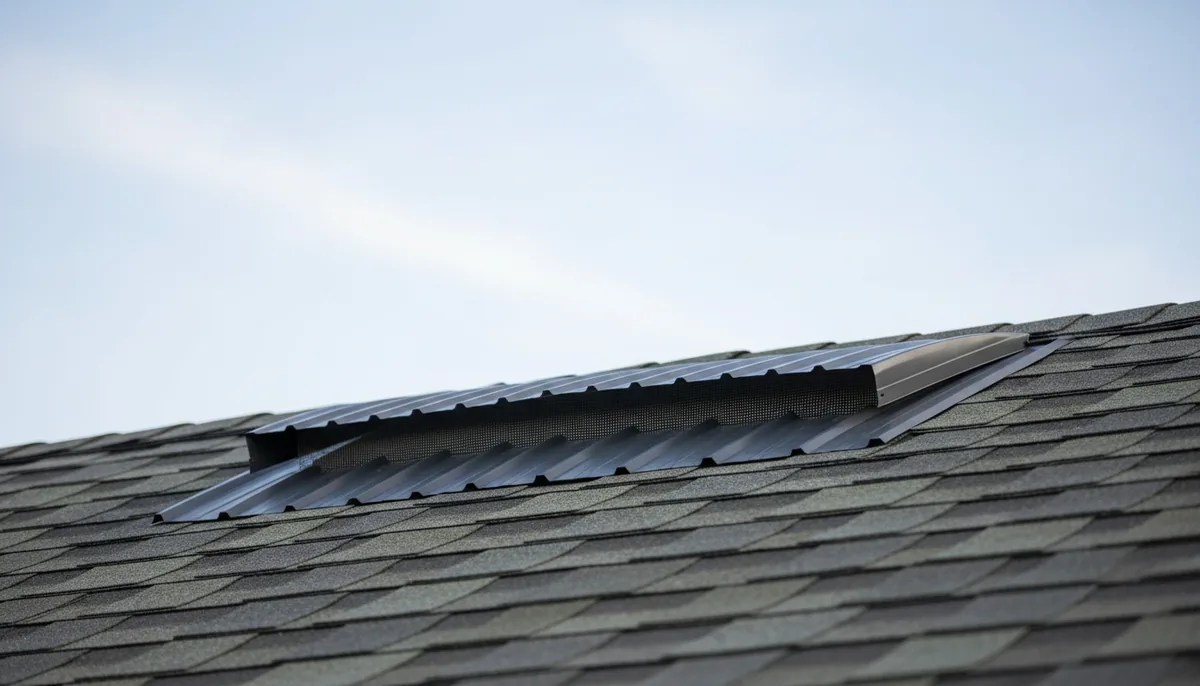
What to do after a storm hits your roof
Storm season brings out the door-knockers, and a roof that looks bad from the driveway can make people panic. My advice is simple. Make a temporary repair if you can do it safely. Take pictures. Call your insurance company before you sign anything. Your policy is the only thing that tells you what’s covered, and coverage varies by policy. If somebody says they know exactly what your policy covers without ever reading it, you should of doubts.
If your insurer is Citizens Property Insurance Corporation, or any other company, ask for their requirements in writing. And if you’re looking at mitigation grants, My Safe Florida Home is the state program people mention, but it has it's own rules, so contact them directly. I’m a roofer, not a lawyer or an adjuster. What I know is how to take a roof apart and put it back together so it stays.
Questions I get asked
Does my roof really need a full replacement if less than 25% is damaged?
Not automatically, and that’s the whole point of the SB 4-D (2022) change. If your roof was built, repaired, or replaced under the 2007 building code or later, only the area being worked on has to meet current code. If the roof is older and doesn’t qualify, the old 25% threshold can still force a replacement.
What should I do if a roofer tells me I don’t need a permit?
Thank him and close the door. A roof replacement in Florida requires a permit and an inspection, so a roofer who says otherwise is either lazy or trying to hide something. The permit proccess protects you as much as the building.
How much does a wind mitigation inspection cost?
It depends on the size, pitch, and access, so I won’t quote a universal price. What I’ll say is that the premium discount can be worth more than the inspection in one renewal cycle. Ask your insurance agent whether the OIR-B1-1802 form will be accepted before you pay for it.
Is a certified roofer always better than a registered roofer?
Not always, but the difference matters. A certified roofer with a CCC prefix can work anywhere in Florida, while a registered roofer with an RC prefix is limited to the jurisdiction that licensed them. I’d take a licensed registered roofer with a local office and a track record over a certified stranger with no history every time.
Should I hire a public adjuster to handle my roof claim?
If you mean me, I’m not licensed, so no. If you mean a licensed public adjuster, that’s a business decision you make after reading your own policy. Ask for a copy of their license and their fee agreement before you let them file anything.
What’s the difference between a roof repair and a roof replacement?
A repair fixes the damaged spots; a replacement tears off all or most of the roof and starts over. The way the rule works after SB 4-D (2022), some repairs won’t trigger a full replacement if the roof is newer. But if I get under the deck and find rot, “repair” can become “replacement” fast.