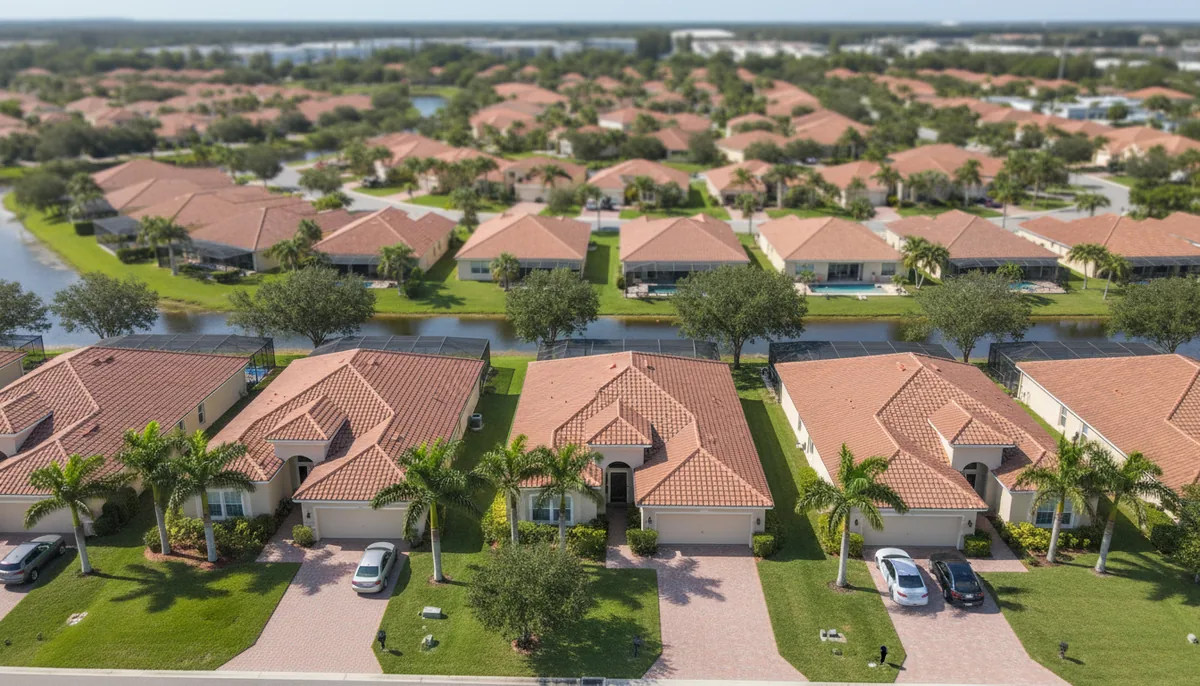
Florida roof bros: The Florida Guide
By Dale Prescott, Roofing contractor, Central Florida. Reviewed by Hal Winstead, Editor, licensed roofing contractor. I was standing on a two-story tile roof in Winter Park back in 2018 when a chunk of clay tile I'd tossed into the dumpster ricocheted off the edge and went through the lanai screen below. The homeowner was real nice about it, but I remember thinking: this is the job. Twenty-two years of this, and I still watch where every scrap falls. That house had three layers of old shingle under the tile, which meant the whole deck was a surprise party waiting to happen. We tore it all off and started clean.
I'm Dale Prescott. I've run tile and shingle crews between Orlando and the coast longer than some of my guys have been alive. This post is the stuff I tell people at the supply house or over a phone call after they find my name through the directory. If you're searching for roofing companies in Florida, you're doing it right—checking the list. Now here's the rest of what you need to know before you let somebody up on your roof.
The first thing I do when I meet a homeowner is watch what they do when I walk the roof. Most people stay on the ground. Smart. But I've had a few follow me up the ladder, and one fella brought his cat. The cat was a better climber than he was. That's the digression. Let's get back to business.
What we mean by Florida roof bros
The directory you found us through—that's the Florida Roofing Directory. It's where alot of folks land when they search for "florida roof bros reviews" or just want a list of who's who. And look, the phrase "roof bros" gets a chuckle from me, because half the guys I know in this trade are someone's brother, cousin, or brother-in-law. I've got my brother-in-law on my crew right now.
But here's the thing about the "bros" part that actually matters: roofing in Florida is a licensed trade. It's not a side hustle you pick up on weekends. When people ask me for reviews, I tell them the same thing every time—read the reviews, sure, but then go verify the licence. The directory itself checks contractors against the state roll. That's not me being a company shill. That's me telling you to do what I'd do if I was hiring someone to work on my own mother's house.
A review tells you if a guy showed up on time and cleaned up the magnet mess. The licence tells you if he's even allowed to be doing the work.
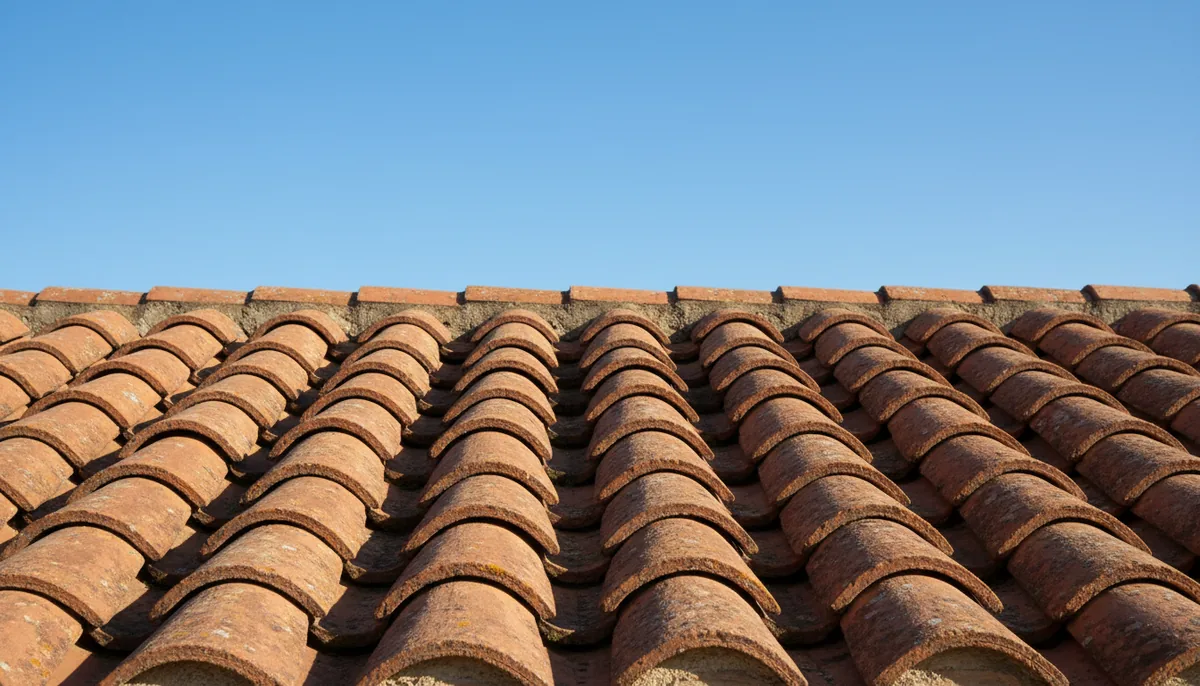
Real reviews from real roofs
Here's what you won't find in most online reviews: the actual conditions of the roof when we got there. You'll see "great work" and "highly recomend" and maybe a complaint about a dumpster scratch on the driveway. That's fair, that can happen. But you won't see that we showed up to a house where the previous contractor had nailed architectural shingles over a leaky valley that had been rotting the deck for three years.
When I search "florida roof bros reviews," I'm looking for patterns. Did the contractor answer the phone after the job? Did they come back for the minor stuff that always comes up, like a nail pop or a piece of flashing that worked loose in a storm? That's the real test. A roofer who disappears after the final payment isn't a bro. He's just a guy with a truck.
I of been wrong about this before—I thought a crew was solid for a commercial job on Edgewater Drive, and they left a mess of unused nails on the ground that ended up in the customer's lawnmower. You learn from that. You do better.
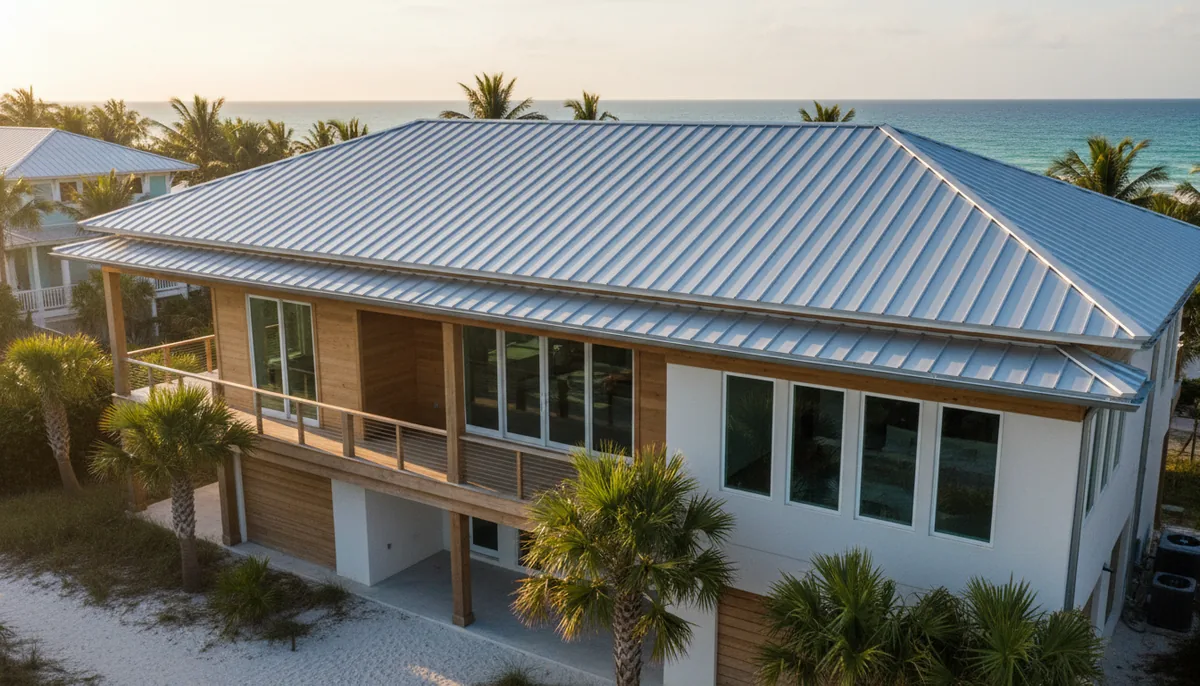
The licence thing, and why I won't shut up about it
Florida roofing contractors are licensed by the Department of Business and Professional Regulation. The DBPR roll is public. Anybody can look it up.
Here's the shorthand you need to know. A certified contractor's licence starts with the prefix CCC. That means he can work anywhere in the state. A registered contractor's licence starts with RC, and that guy can only work in the local jurisdiction that licensed him. It's not a mark of shame, it's a matter of geography. But you should know which one you're talking to.
Always verify the number is active. Not just "it exists." Active. I had a homeowner once tell me she checked a licence and it looked fine. Turned out it had been suspended for two years. The guy was still handing out business cards. People ask me why I make such a fuss about this. Because if a roofer won't do the bare minimum of keeping his own paperwork legal, how carefully do you think he followed the nailing pattern on your roof deck?
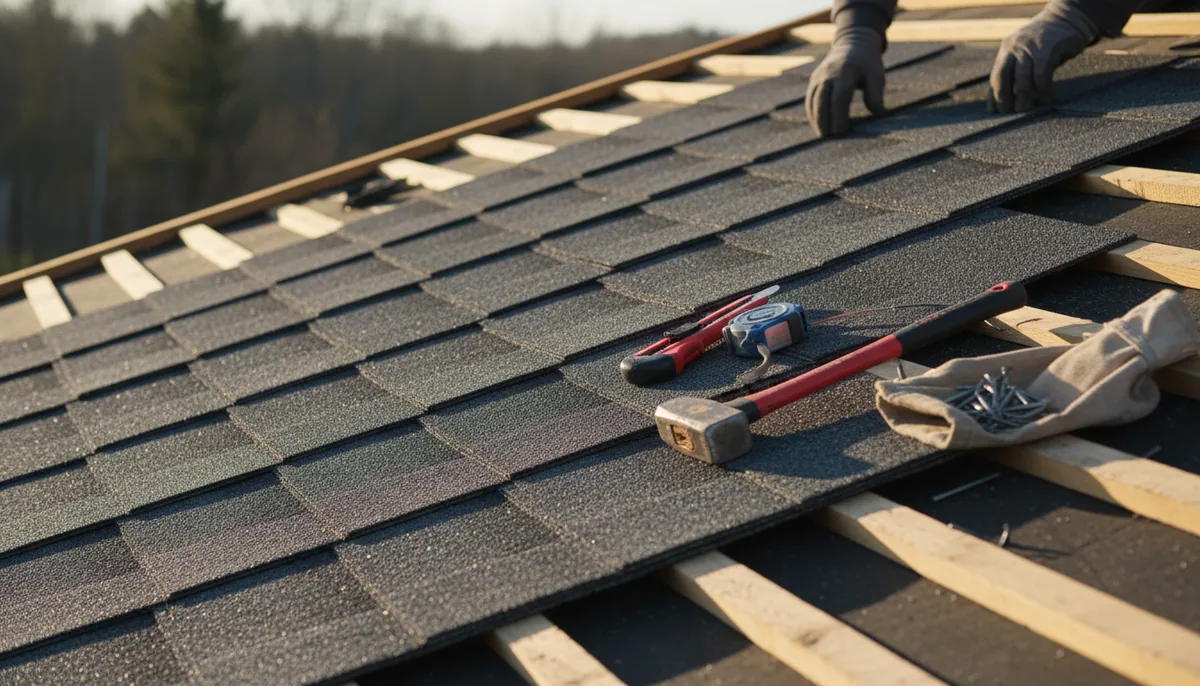
The 25% rule, and what changed in 2022
If you've owned a Florida home for a while, you've heard about something called the 25% rule. For years, the code said if you repaired or replaced more than a quarter of your roof in any 12-month period, you had to bring the whole roof up to current code. That scared a lot of people away from patching, because they didn't want to trigger a full replacement.
Here's the update. SB 4-D (2022) changed the game. Effective May 26, 2022, if your roof was built, repaired, or replaced under the 2007 Florida Building Code or anything newer, you only need to make the portion you're working on meet current code. The 2007 edition took effect back on March 1, 2009. So if your roof is older than that, the old trigger-happy rule may still apply to you. If it's newer, you're in the new lane.
I'm not a lawyer and I don't play one on the job site. But I've seen this play out. A guy wants to patch a small section after a storm. Under the new rule, he might be fine. Under the old rule, he was looking at a whole new roof. The insurance adjuster and the local building official are the ones who call it. My job is to tell you the rule exists and you need to ask about it.
Permits: the part nobody wants to hear
A roof replacement in Florida requires a permit. You pull it from the local building department. Then you get an inspection. This is not optional, and if a contractor offers to skip the permit to save you a few bucks, you need to show him the road.
I cannot tell you how many times I've torn off a roof that was "permitted" under a previous owner and found nothing but a sticker on the water heater from a different job. An unpermitted roof can complicate an insurance claim and it can absolutely complicate a future sale. The buyer's inspector will find it. The title company will find it. It becomes your problem, not the contractor who skipped out.
What I would actually do: Call the local building department before you sign anything. Ask them what the permit proccess looks like for a roof replacement. It takes ten minutes. If the contractor balks when you bring it up, you've learned everything you need to know.
What is a wind mitigation inspection, really
This is the section where I offer to save you money. A wind mitigation inspection isn't about finding leaks. It's about documenting what's already there how your roof stands up to wind. The inspector looks at the roof covering, the roof deck attachment, the roof-to-wall connection, the roof geometry, secondary water resistance, and opening protection.
Here's the part that gets people excited. Florida insurers are required to offer premium discounts for qualifying features. The standard form is OIR-B1-1802. If your roof has the right stuff, the inspection can pay for itself in the first year of discounts. The inspection costs less than the annual savings. I've seen it happen again and again.
Now, before you ask—I'm not a licensed adjuster, and I don't know what your specific policy covers. Coverage varies by policy, so you need to read your declarations page and ask your agent. But the inspection itself is a tool. Use it. I had a homeowner in DeLand who got a wind mitigation inspection done and found out his roof-to-wall connections were better than he thought. His premium dropped by a couple hundred dollars a year. That's real money.
What I would actually do: Before you pay for a full roof replacement out of pocket, get a wind mitigation inspection. If you've got the features, the discount helps. If you don't have the features, the inspection tells you what you might want to add next time you re-roof.
Questions I get asked
How do I know if a contractor is telling the truth about my roof?
Ask to see the licence, then go verify it on the DBPR roll. Look at the prefix—CCC means certified and state-wide, RC means registered and local. Then ask for references from jobs in your area. A real contractor has no problem giving you names. If he hems and haws, that's your answer.
Do I really need a permit for a small repair?
If it's a repair that involves structural work or more than just a few shingles, probably yes. A full replacement definately. The local building department can tell you in five minutes. A contractor who wants to skip the permit is saving himself a headache and giving it to you instead.
What's the deal with Citizens and roof claims?
Citizens Property Insurance Corporation is the state-backed insurer of last resort, but I can't tell you what their current policy language says. That changes. What I can tell you is that insurers in Florida are required to offer wind mitigation discounts, and you should ask for yours.
How much does a roof cost?
Depends. Roofing is priced per square—that's a 10-foot by 10-foot area, give or take. The total depends on the pitch of your roof, how easy it is to access, how many layers we're tearing off, and what's under there. Anybody who gives you a number without seeing the roof is guessing. Or lying.
Should I file an insurance claim or just pay for it myself?
That's a conversation with your agent, not me. I'm not a licensed adjuster. I can tell you what I see when I'm on the roof, but I cannot tell you what your policy covers. Read your declarations page. That's the document that actually answers your questions.
What about My Safe Florida Home?
My Safe Florida Home is a state program that has offered free wind mitigation inspections and matching grants for hardening retrofits. It's worth checking the current status of the program, because funding comes and goes. If you qualify, it can help offset the cost of improvements that make your roof and home more storm-resistant.
The last thing I'll tell you is this: I've been doing this for twenty-two years, and the best customers I have are the ones who ask questions. They check the licence. They ask about the permit. They pull out the declarations page. They make me prove what I'm saying. That's not annoying. That's how this is supposed to work.
I've had a few people ask me to sign off on work that wasn't done yet, or write a letter saying something was storm damage when it was just old age. I've turned down that work, and I've never regretted it. There's enough legitimate roofing work in Central Florida that you don't have to play games. The bros who do it right—they're the ones still around after the next storm rolls through.