Florida roof building code: What Florida Homeowners Should Know
By Shelly Marchetti, Florida homeowner advocate. Reviewed by Hal Winstead, Editor, licensed roofing contractor. META: Learn the Florida roof building code that actually affects claims, repair triggers, and insurance discounts—written for homeowners by a homeowner advocate.
I was standing on a driveway in Port Charlotte back in 2022, staring up at a roof that had taken a beating from Hurricane Ian. The homeowner, a retired nurse named Carol, was holding a denial letter from her insurer. The letter said her roof was "old" and "not up to current code." But here's the thing—the adjuster had never even climbed a ladder. He'd used satellite imagery. Carol's roof was built in 2016, well after the 2007 code. That letter was pure nonsense, and she almost believed it. That afternoon is why I started helping homeowners read this stuff before they sign anything or give up entirely. If you're dealing with roof damage, don't fight your insurance company alone—talk to a few residential roofing companies in Florida first, because a good contractor will tell you what's actually going on up there.
You hear "Florida roof building code" thrown around like it's one simple set of rules. It isn't. It's a patchwork of state statutes, local amendments, and insurance requirements that shift every time a hurricane smacks us. But you don't need to become a code inspector to protect yourself. You need to know a few key things that will save you thousands. Call it the homeowner's version of the code. And I've been wrong about this before, so let me be clear: what follows is practical knowledge from years of reading contracts and denial letters, not legal advice.
Let's start with the big one, the rule that caused more confusion than just about anything else in my line of work: the "25% rule." For years, Florida's building code said that if you repaired or replaced more than 25% of your roof in any rolling 12-month period, you had to bring the entire roof up to current code. That meant a small leak could trigger a full replacement if the repair pushed you over the line. Homeowners would get quoted for a $2,000 repair, and suddenly their insurer was demanding a $15,000 new roof just because of the percentage. Insurers loved it. They used it to force full replacements on older roofs, which drove up their premiums and made everyone miserable.
Then everything changed with SB 4-D (2022), effective May 26 of that year. That bill rewrote how the 25% rule applies. If your roof was built, repaired, or replaced under the 2007 Florida Building Code or any later edition, then only the portion being worked on needs to meet current code. They completely shut off the automatic full-replacement trigger. But there's a catch, and it's a big one. The 2007 code took effect on March 1, 2009. So if your roof was completed before that date, it generally does not qualify for this protection. That's why you need to find out exactly when your roof was permitted and completed, not when you bought the house. I've seen homeowners with pre-2009 roofs get blindsided by an insurer demanding a full tear-off over a relatively small repair. It's legal, but it still stings.
So what's the practical takeaway? If your roof is newer than March 2009, get that repair done and don't let anyone scare you into a full replacement you don't need. If your roof is older, you're in a different boat. You might genuinely need a full replacement, not because the code requires it on a repair, but because the roof is just old. That's a seperate conversation.
But the code isn't just about repair triggers. It's also about how your roof is built in the first place, and that's where your insurance premium comes into play. Every Florida homeowner should get a wind mitigation inspection. It's not a code inspection, exactly, but it's tied to roofing standards. The inspector documents six things: roof covering, roof deck attachment, roof-to-wall connection, roof geometry, secondary water resistance, and opening protection. That's it. Those six categories determine how well your roof can handle hurricane-force winds. The standard form they use is form OIR-B1-1802. Florida law requires insurers to offer premium discounts for qualifying features found in that inspection. Most homeowners I talk to have never had one done.
Here's the kicker: that inspection costs maybe a hundred to two hundred bucks, depending on your roof's pitch and access. The annual discount it unlocks can cover that cost in the first year. I had a homeowner in Tampa who saved $400 a year on her premium because her roof had a secondary water barrier that she didn't even know was there. Four hundred dollars a year, every year, because she spent an afternoon letting a guy walk around her attic. That's the best return on investment in Florida homeownership, give or take. And if you're with Citizens Property Insurance Corporation, the state-backed insurer of last resort, those discounts still apply. Don't let anyone tell you otherwise.
Now, I get alot of questions about what to do after a storm. Everyone wants to know: how long do I have to file a claim? And the answer got much stricter recently. Under Florida Statute 627.70132, as amended in 2022, you have one year from the date of loss to file an initial or reopened claim. Not from when you discovered the damage. From when it happened. And supplemental claims—those are the ones where you find more damage after the initial claim—have an 18-month deadline from the date of loss. This used to be three years. The legislature cut it way down. Missing that deadline gives your insurer a complete defense, even if the loss is totally covered. I've seen folks lose legitimate claims because they waited too long, thinking they had time to get multiple estimates. You don't. That clock is merciless.
As for those old roofs, insurers can be brutal. They'll deny a claim saying the roof was "deteriorated prior to the date of loss." That's a common denial. Sometimes it's true. Older roofs with missing tabs, cracked shingles, or rusted flashing were already failing before the storm. But sometimes they're just looking at a satellite photo and guessing. If you get that denial, sure, you can fight it, but you need proof of your roof's condition before the storm. Do you have photos from when you bought the house? Maintenance records? Inspection reports? That's what wins appeals.
Speaking of state help, there's a program called My Safe Florida Home. It offers free wind mitigation inspections and matching grants for qualifying hurricane-hardening improvements. The problem is funding gets appropriated per cycle and can run out. So don't ask me if the program is currently open—I'd be guessing. Check wether it's active before you count on it. When it's open, it's genuinely worth applying. But I have seen people get burned by assuming the grant money would still be there months after they applied. These things have a shelf life.
What I would actually do: Before you call anyone, pull your last insurance policy declarations page and find out what your deductibles are. You cannot make a smart decision about filing a claim if you don't know how much you're responsible for. Also, grab a 20-foot ladder and look at your own roof. Photos from the ground tell you nothing. If you can't get on a ladder safely, pay a contractor a service fee to inspect it. That's the best $75 you'll ever spend.
Now let's talk about the folks doing the work. Florida roofing contractors are licensed by the Department of Business and Professional Regulation, the DBPR. Every legitimate roofer in the state should have a license number that starts with either CCC or RC. That's the way you tell them apart, and it matters more than you'd think.
A certified roofer with a CCC license can work anywhere in Florida. A registered roofer with an RC license can only work in the local jurisdiction that issued their license. So if you live in Lee County and your roofer has an RC license from Broward, something's wrong. They might be doing work outside their legal territory. And before you hire anyone, verify the license is active. You don't want to find out halfway through a reroof that your contractor's license was suspended for disciplinary reasons. The DBPR has a website, and it takes two minutes to check. Two minutes to avoid a legal headache that lasts years.
Don't just take their word for it either. Even if that name on the side of the truck sounds legitimate, check. I know this sounds like basic stuff, but you wouldn't beleive how many homeowners skip this step. They see a low bid and snatch it up, then later discover the guy wasn't licensed at all. If a roofer doesn't have a valid license, your insurance company won't pay out if something goes wrong, and you're left holding the bag.
What I would actually do: Write down the roofing contractor's full legal name and license number before they step foot on your property. Walk inside, open your laptop or phone, and check the DBPR roll while they're standing there. If it comes back active, great. If it comes back expired or shows discipline, tell them the job is off. A reputable roofer won't mind you checking. Someone working without a valid license will start sweating.
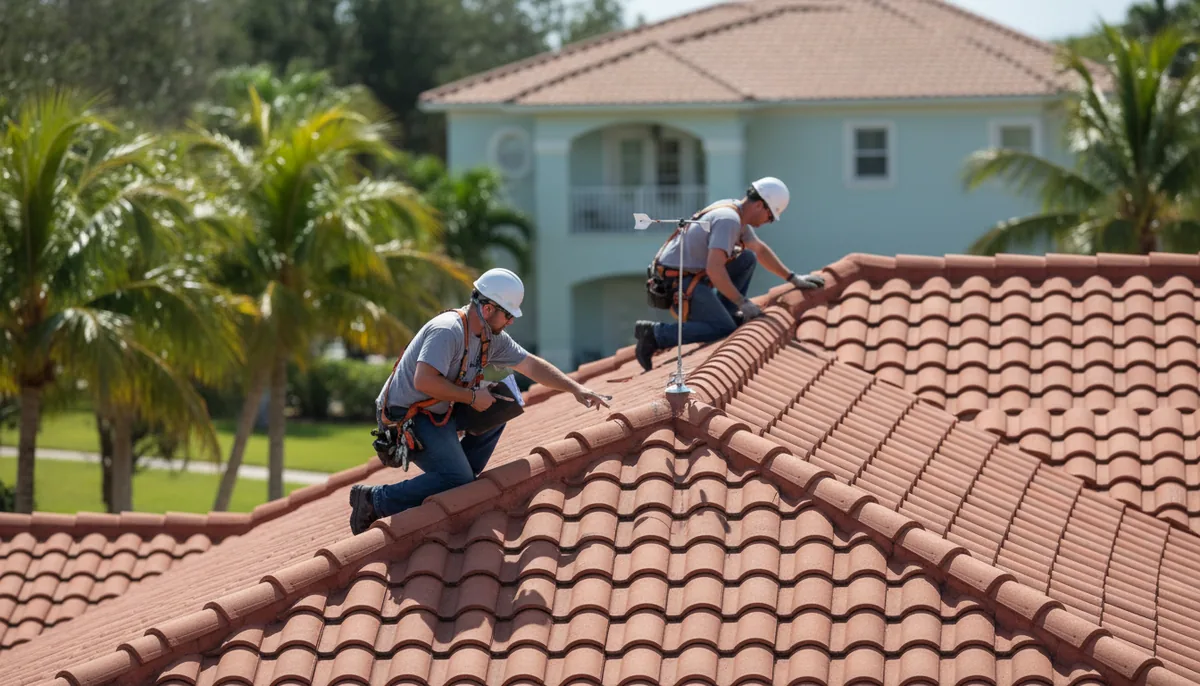
Here's a question I get all the time: shouldn't my insurance company send out an engineer to inspect before they deny my claim? They should, but they don't always. Insurers use remote adjusting software, satellite imagery, and drone photos to make decisions. It saves them money, but it misses everything happening underneath the shingles. That's why you need a roofing contractor who knows how to document damage properly—gutter full of granules, torn flashing, lifted shingles, cracked sealant. And a professional can stand on the roof and explain what's actually happening versus what a computer imagines.
Contractors also know what repairs will actually trigger an inspection by local code enforcement. That's something homeowners rarely think about. The building code is enforced at the local level, not by your insurer. If your repair requires a permit, the city or county will inspect it. Find out what your municipality requires before you start tearing anything off.
Another thing I hear constantly: "But my roof is only eight years old, and they still denied it." That can be legitimate if the roof was installed poorly. I saw a roof in Cape Coral that was only five years old but had nail pops on nearly every shingle. The installer used too short of nails, and the deck was too thin. The roofer who did that work was long gone. The homeowner was stuck. So age alone doesn't guarantee coverage. Installation quality matters just as much as the material.
One thing about building codes—the wind speed maps changed in recent code editions. Different parts of Florida have different wind speed requirements. A roof that's fine in Orlando might not meet the standards for Miami-Dade County. Always make sure your roof meets the wind speed requirements for your specific location, not just the general state code. Your county building department can tell you what your local wind speed rating is.
Do I need a whole new roof if I have a small leak?
No, not automatically. Under the current rules from SB 4-D (2022), if your roof was built or repaired under the 2007 code or later, only the area being worked on needs to meet current code. A small leak doesn't mean a full replacement. And it's worth calling a roofer who knows the code history, because they can explain what will and won't trigger a bigger project. Some older roofs do need full replacement even for small leaks, but that's a case-by-case thing that depends on the condition and history, not a one-size-fits-all rule.
Should I get a wind mitigation inspection before I switch insurance policies?
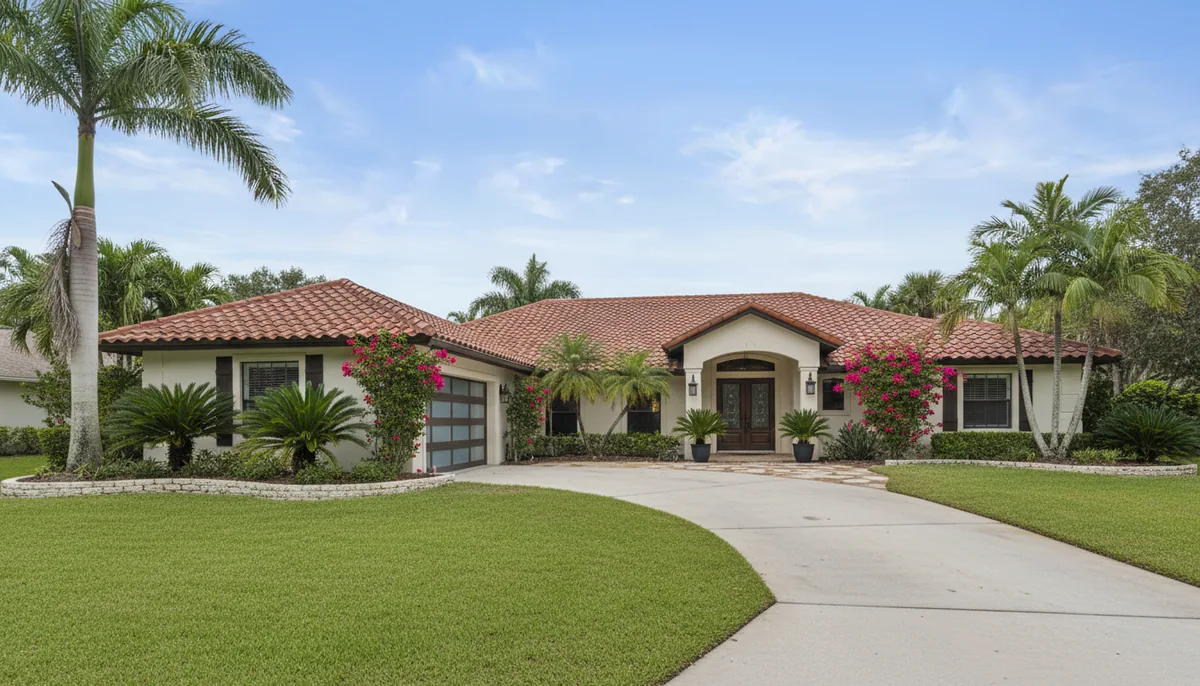
Yes, get one. It costs a bit of money, but the inspector uses form OIR-B1-1802, and the discounts you open up usually make it back within a year of lower premiums. It's especially valuable if you've never had one. Some discounts require proof of the feature, and without the inspection form, you can't claim it. A wind mitigation inspection can even help if you're applying through Citizens Property Insurance Corporation, since they also have to offer the discounts.
How long do I actually have to file a claim?
Florida Statute 627.70132 gives you one year from the date of loss for an initial or reopened claim, and 18 months for a supplemental claim. That's a huge change from the old three-year rule. If the damage happened on September 28, your deadline is September 28 the next year, not when you notice the stain on your ceiling. Missing it means your insurer can legally refuse to pay even if your claim is solid. File early, document everything, and don't wait for the adjuster to call you first.
What's the difference between CCC and RC roofing licenses?
Those are the DBPR licence prefixes CCC and RC. A certified roofer has the CCC designation and can work anywhere in Florida. A registered roofer has the RC designation and can only work in the county where they were licensed. Before you sign anything, check the license number against the DBPR roll to make sure it's active in your area. If they can't give you a number, run away.
Will my insurance company make me replace my whole roof because of the 25% rule?
Only if your roof is older than the 2007 building code edition, which took effect in March 2009. If your roof is newer than that, the repair trigger is gone. If it's older, you could be facing a full replacement. That's not a moral judgment about your roof's condition, it's just how the insurance and code rules interact. If you're in that older category, double-check what the actual code requires in your local jurisdiction, because it varies.
What's the deal with "My Safe Florida Home"?
It's a state program that offers free wind mitigation inspections and match grants for hurricane-hardening improvements. The catch is the funding is appropriation-based and can run out. Homeowners apply, get approved, and then these grants run dry before they can use them. The inspection always seems worth it. I've seen people get window retrofits and roof deck enhancements done for a fraction of the normal price. But only when funding is active. Always check whether the program is currently open before you count on it.
One more question I get a lot: "Do I really need a permit for this roof work?" Yes. Pull the permit, schedule the inspection, and make sure your contractor is willing to do both. Roof work without permits can void your coverage and make it nearly impossible to sell the house later. The inspector comes out at the end, checks the work, and signs off. That's your paper trail that the roof was done right. And it's your protection if your insurer claims the work was substandard later.
But god, trying to get a building inspector to call you back during a busy storm season is it's own special circle of hell. I once had a homeowner in Naples wait three weeks for a final inspection and then miss two thundershowers because the roof had an uncovered gap. The work itself was fine, but the schedule almost wrecked them. Just plan for it. That's the Florida way.
There you have it. The roof over your head is your biggest asset, and the code is there to protect you. But you have to know how to use it. Don't let anyone push you around. Check your policy, check the license, and never sign a thing you haven't read twice.