Roof damage claim Florida: What Florida Homeowners Should Know
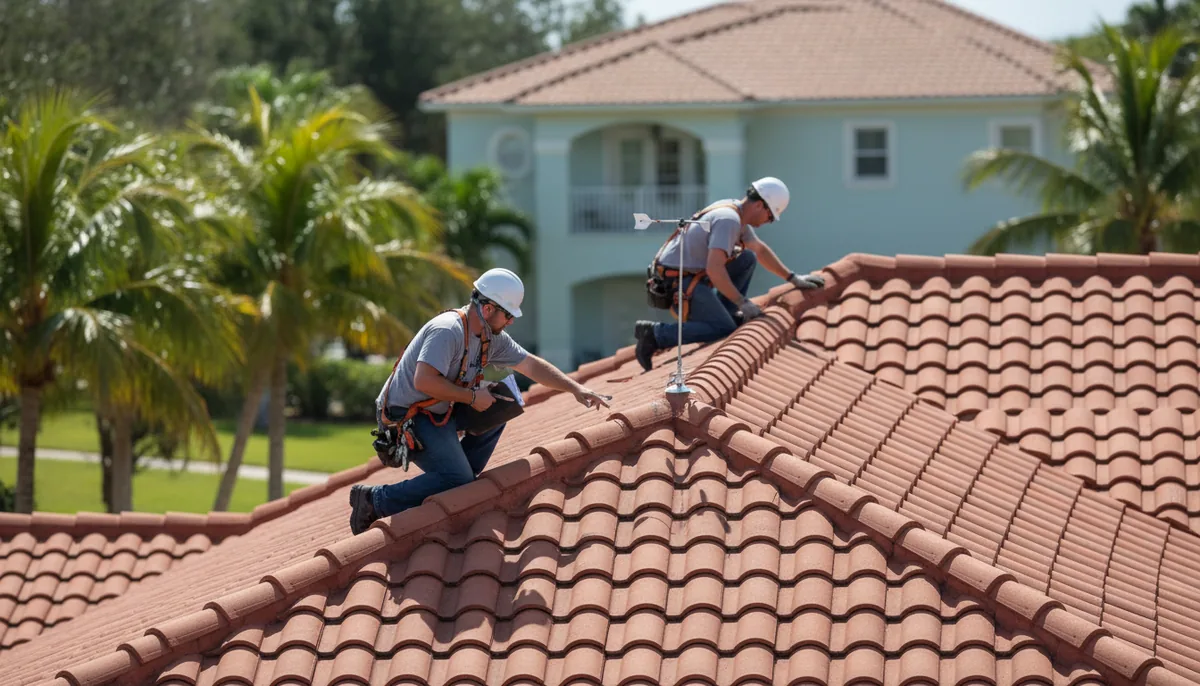
By Renata Alvarez, Former property claims adjuster. Reviewed by Hal Winstead, Editor, licensed roofing contractor. The afternoon I remember most clearly wasn't a catastrophe. It was a modest single-story in Lehigh Acres, afternoon thunderstorm on the way, roof barely six years old. The homeowner had waited eleven months to file because he didn't think it was serious enough to bother me. By the time I got on his roof, he needed about a grand worth of repairs. Florida Statute 627.70132 meant his policy gave him twelve months to tell us about it. He was close enough that we scheduled the inspection. But it taught me the first thing you need to know if you are reading this from your living room with a wet stain on your ceiling: adjusters can't help you if you haven't called yet.
That clock starts ticking the date the damage happened, not the date you find it, and under Florida Statute 627.70132, as amended in 2022, the initial claim deadline is one year. A supplemental claim gets eighteen months from the date of loss. I used to live in the old three-year world, and I have been wrong about this before — you forget which version of the law your claimant's policy was written under. Don't repeat that mistake with your checkbook. If you need a roofer today, the residential roofing companies in Florida directory is a decent place to start, but before you hire anybody, go read your declarations page. Coverage varies by policy, and I can't tell you what yours says. That's between you and your insurer.
What I can do is tell you how the system actualy behaves, because I spent nine years on the other side of the desk. The claims that got paid fast weren't the ones with the biggest damage. They were the ones where the homeowner had a paper trail, a passable roof, and an appointment booked before the deadline had even become a thought.
The one-year deadline is real, and it will knock out a valid claim
I adjust a claim where the damage is obvious. A tree limb went throught the decking in a straight line. The homeowner is polite, the coverage is there, and then I check the date of loss. Fifteen months ago. Done. Claim denied on a covered loss, no appeal worth the powder. Florida Statute 627.70132 is not something your adjuster gets to waive.
That law was tightened in 2022, cutting initial notice to one year from the date of damage and supplemental claims down to eighteen months. "Supplemental" sounds formal, but it just means you find more damage later, usually after the roofer pulls a layer of shingles off. If you had a claim open and your contractor finds something extra, that is a supplemental claim. Do not sit with it. If you missed the window on the first claim, you didn't necessarily miss it on the supplemental — wait, you did, because you cannot reopen a dead claim. Here is the part people trip over: every time you make a supplemental claim, you are working it's own eighteen-month deadline, but the date of loss in the original claim still anchors the clock.
What I would actually do: Mark a calendar reminder for eleven months after any roof leak or hail event. That reminder tells you to file or to fire your current contractor. I would treat the last month as a corridor of pure emergency, not an invitation to be casual.
Why a wind mitigation inspection is the best cheap money you will spend
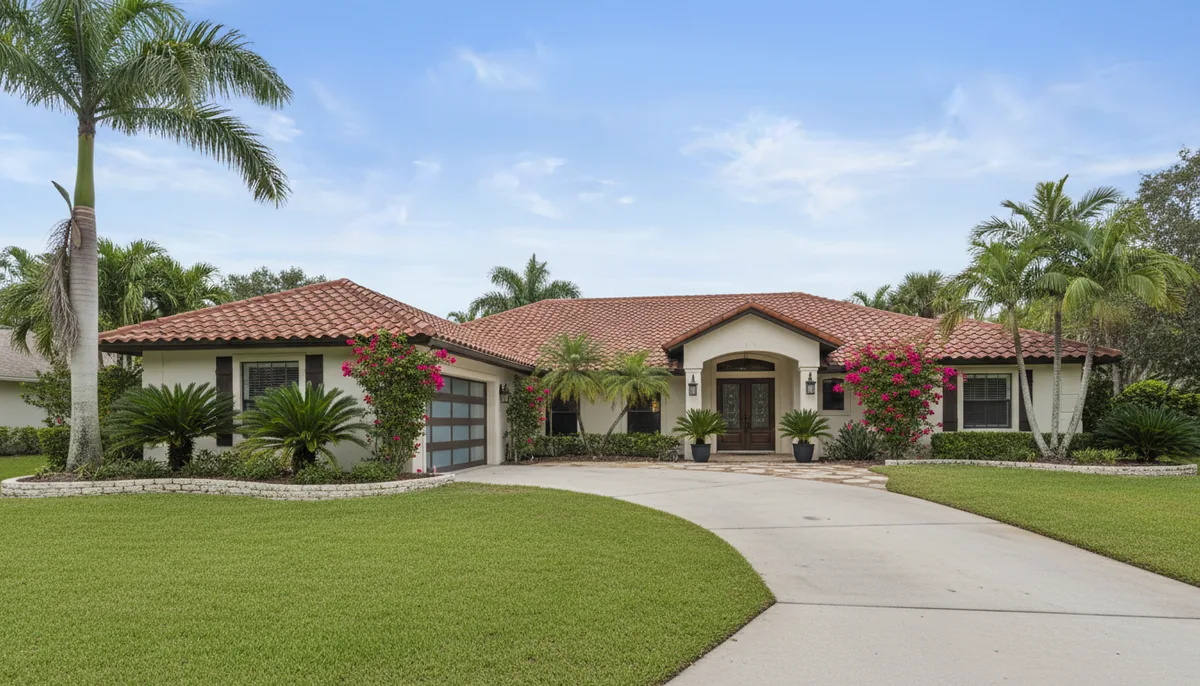
A wind mitigation inspection is just a checklist of roof features a hurricane cares about. It documents the roof covering, deck attachment, roof-to-wall connection, roof geometry, secondary water resistance, and opening protection. The standard form is OIR-B1-1802. And every Florida insurer has to offer you a discount for qualifying features, though what that discount is depends on your insurer, your deductible, and the age of your roof. The inspection itself is priced per square, and it costs a fraction of what the annual discount will save you, assuming the inspection finds anything. If your roof has no features worth discounting, it may buy you nothing but bad news — but you will know.
You don't need the inspection to file a claim. You need it to reduce your premium in the years you don't claim. And if you're calling because you read somewhere that old roofs make insurers picky, you're right, and the mitigation report is part of how they pick. Get it, keep it, and give your roofer permission to reference it when they're writing up estimates.
Citizens and the state grant nobody can seem to keep straight
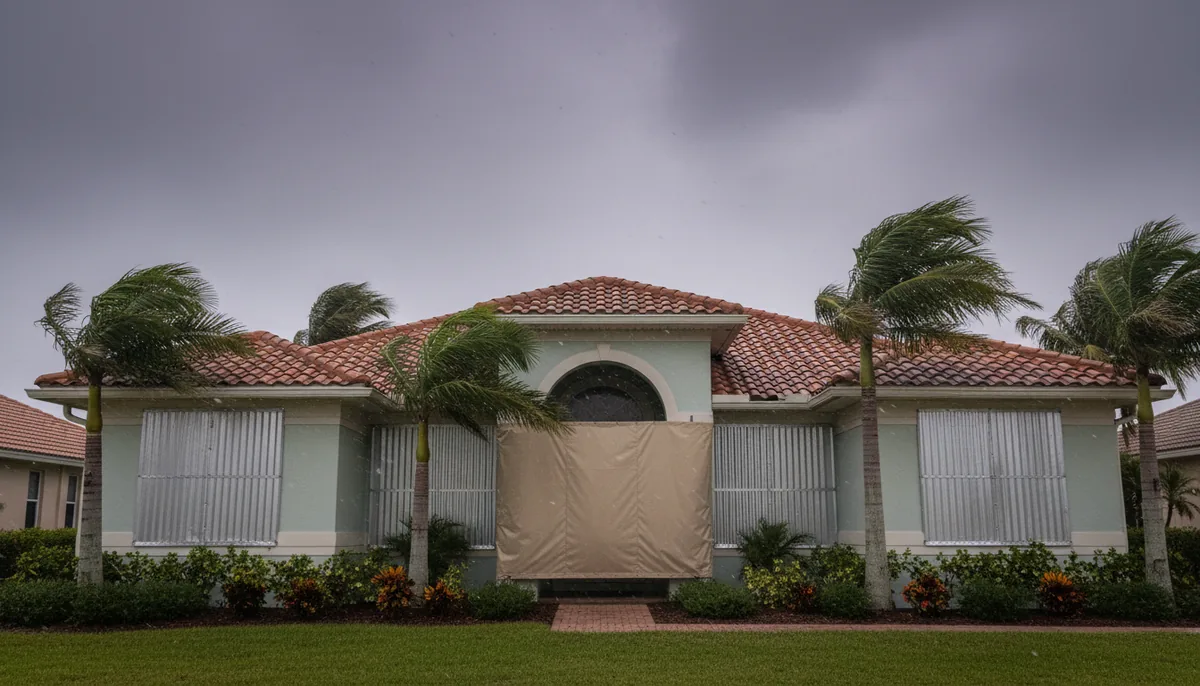
Citizens Property Insurance Corporation is the state-backed insurer of last resort. If the private market won't touch you, you might end up there. But treating Citizens as a plan is like treating the emergency room as a diet. The private market has become pickier about roofs for a reason: money. Citizens knows this, too. They write policies, they inspect aggressively, and they use the same one-year deadline as everyone else.
Then there's My Safe Florida Home. It is a state programme that gives qualifying homeowners a free wind mitigation inspection and matching grants for hurricane-hardening improvements. That sounds wonderful, because it is. But funding is appropriated per cycle and it can run out mid-round. Wether the programme is open right now is worth checking directly, because I don't know what month your inbox is in, and my telling you "yes, grants exist" doesn't put money in your pocket. The programme has been genuinely popular and genuinely oversubscribed, which should tell you something about how many Florida home roofs need help.
What I would actually do: Check the My Safe Florida Home website before you pay for any mitigation inspection. If the programme is open, take its free inspection and apply for the grant. If it is closed, pay for the private inspection anyway, because the discount on your policy outpaces the inspection cost in almost every case.
The modified 25% rule and what triggers a full roof
The old Florida rule of thumb was a percentage. If a roofer repaired or replaced more than a quarter of your roof in a rolling twelve-month period, the whole roof had to come up to current code. A perfectly good older roof could get hauled off in full because two bundles of shingles let go in a storm. That was not theory. I've watched it happen.
SB 4-D (2022) changed that for roofs built, repaired, or replaced under the 2007 Florida Building Code or later editions. If your roof dates after the 2007 code took effect, only the portion you're working on needs to meet current code. Full replacement is no longer automatically triggered just because you cross a quarter of the total area. But roofs completed before that edition generally don't qualify, so the old threshold still shadows them. That means the age of your roof, and the code it was built under, matters more than the physical condition of the worst section.
The way to parse this is: don't assume a roofer can repair a post-2007 roof where the old rules would have forced a rip-off, and don't assume you can nudge a pre-2009 roof through with a partial patch. A good contractor looks at the permit history, not just the shingles.
Who did you actually hire? Licensed roofing contractors under DBPR
You would be stunned how often I stood on a roof next to a "contractor" who didn't have a license, and I only found out when the permit came back flagged. The Department of Business and Professional Regulation licenses roofing contractors. They give two kinds of license. A certified licence begins with the prefix CCC and is good anywhere in the state. A registered licence begins RC and only counts in the local jurisdiction that issued it. If your brother-in-law from two counties over has an RC license that belongs to his hometown, he is working outside his scope, and his insurance might not cover a pitch that goes wrong.
Always verify the number is active before hiring. That is a public database, free, and it takes less time than boiling water. I don't care how charming the estimator is. The DBPR roll does not lie the way casual assurance does.
Your roof claim is not about drama. It is about timing.
Here is the gripe I get to have after nine seasons. Floridians treat a storm like alottery. The leak starts dripping, nobody writes anything down, and by the time the claim gets to an adjuster, nobody can remember whether the storm was in October or January. The date of loss matters beyond your memory of it. Your insurer is not picking a fight when they ask for documentation of the storm. They are just running the same anchor clock I ran.
Take photos with a timestamp app. Keep the estimate you got from the first roofer who looked. Keep the roofer off the roof if there is an active leak and standing offer to file on your behalf, because the assignment of benefits game has made insurers deeply skeptical, and that skepticism costs you time. I have seen a settled claim delayed three weeks because an unlicensed adjuster left a business card on the homeowner's door and the claim got flagged for fraud review. Don't be that homeowner.
Questions I get asked
Do I really have only one year to file?
Yes. One year from the date of damage, under Florida Statute 627.70132, not from when you noticed the damage. If you live in a rental home the statute may differ slightly because the policyholder is not you, but the underlying logic is the same: date of loss wins.
Will my policy pay for a full roof replacement?
It depends entirely on your policy language. Some policies pay actual cash value, others pay replacement cost, and several contain exclusions or limits for roofs over a certain age. Read your declarations page and the roof coverage section of your policy before you expect a blank check. I cannot even guess at your coverage without the document in front of me.
Is a wind mitigation inspection the same as a roof inspection for a claim?
No. A wind mitigation inspection is a formal document that records how your roof is built and how resistant it is to hurricane-force winds, which is a condition of premium discounts. A roof inspection for a claim is an estimate of damage from a specific loss. Both hold value, but they are different pieces of paper and one will not substitute for the other.
What is the difference between a certified and a registered roofing contractor?
Certified roofing contractors hold a DBPR license with the prefix CCC and can work anywhere in Florida. Registered roofing contractors have a license starting with RC and are limited to the jurisdiction that issued it. Always verify the license is active and matches the work site before hiring.
Does the 25% rule still apply?
The old rule requiring a full roof replacement when the work area exceeds 25% was modified by SB 4-D (2022) for roofs built under the 2007 Florida Building Code or any later edition. Those roofs can repair the damaged section without forcing the whole roof up to current code. Older roofs built before the 2007 code took effect still generally have to deal with the old rule.