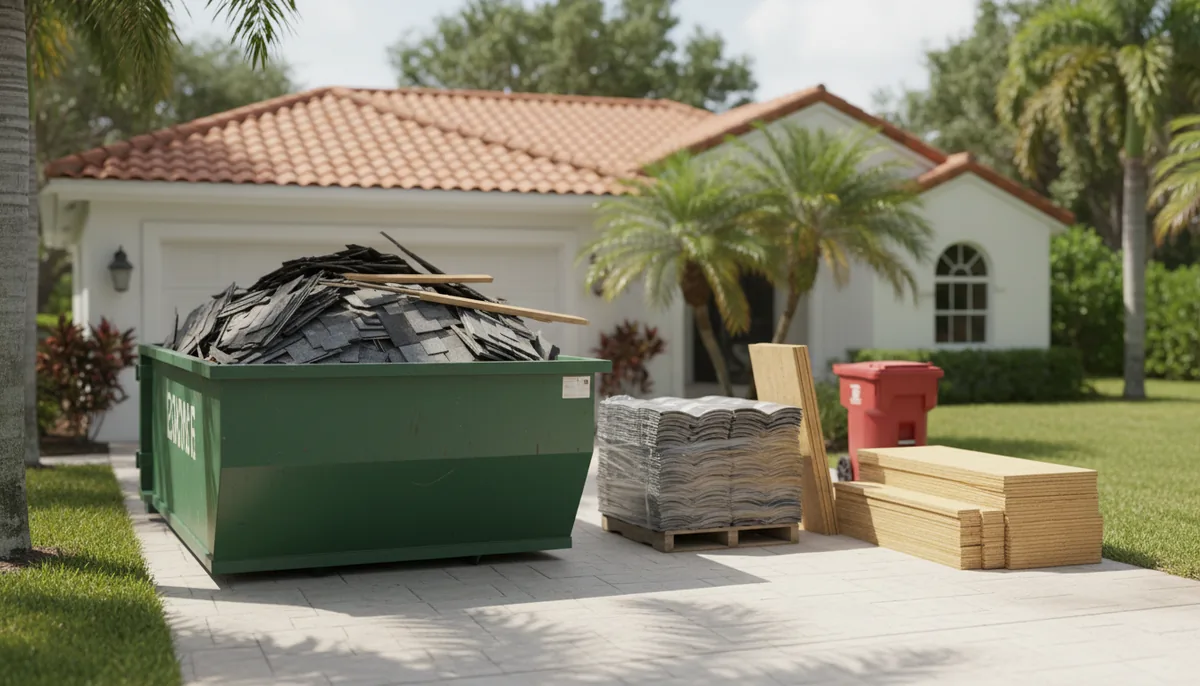
How long does a shingle roof last in Florida
By Bud Kettering, Roof consultant and inspector. Reviewed by Hal Winstead, Editor, licensed roofing contractor. I was up in a Cape Coral attic last June, sweater soaked through ten minutes in, torch in one hand and moisture meter in the other. The homeowner had called me because a five-year-old "architectural" shingle roof was leaking at a valley, and the builder said shingles should last thirty years. I found the problem in about four minutes: the roof deck was so wet that the plywood was delaminating. The shingles looked fine from the street. That is the whole Florida roofing story in one image.
So, how long does a shingle roof last in Florida? Call it twelve to fifteen years for a standard architectural shingle on a typical home. Give or take. I of seen twenty-year-old roofs still shedding water, and I have seen eight-year-old roofs need tearing off. And when someone advertises a "lifetime" shingle, remember that these products do not carry a lifetime in Florida, no matter what the marketing says. You can find the contractors who do this work right, at least in the sense that they are listed on the directory, by checking shingle roofing companies in Florida. But I would never tell you to hire from a list without checking a licence first. That part is not optional.
The honest answer to the lifespan question is not a single number. It depends on what is under there, who nailed it down, wether the attic breathes, and whether the roof faces the late afternoon sun or a canal with salt air. Let me walk you through what I actually look at.
What the label says versus what Florida does to it
A bundle of shingles might carry a 30-year warranty, but that number is measured in a laboratory in Ohio, not on a roof in Orlando. Florida has ultraviolet light, heat, humidity, and wind. Those four things eat shingles. The granules loosen, the asphalt hardens, and the tabs curl. That is not a defect in the product; that is the product reacting to it's environment. So ignore the marketing number. Judge the roof by its condition, not its birthday.
Architectural shingles, the ones with the laminated look, are heavier than the old three-tab. They last longer, generally. But even a heavy architectural shingle up here is doing well to reach fifteen years in good shape. A three-tab is done earlier, usually. If you are buying a home with a three-tab roof that is past eight years old, start saving.
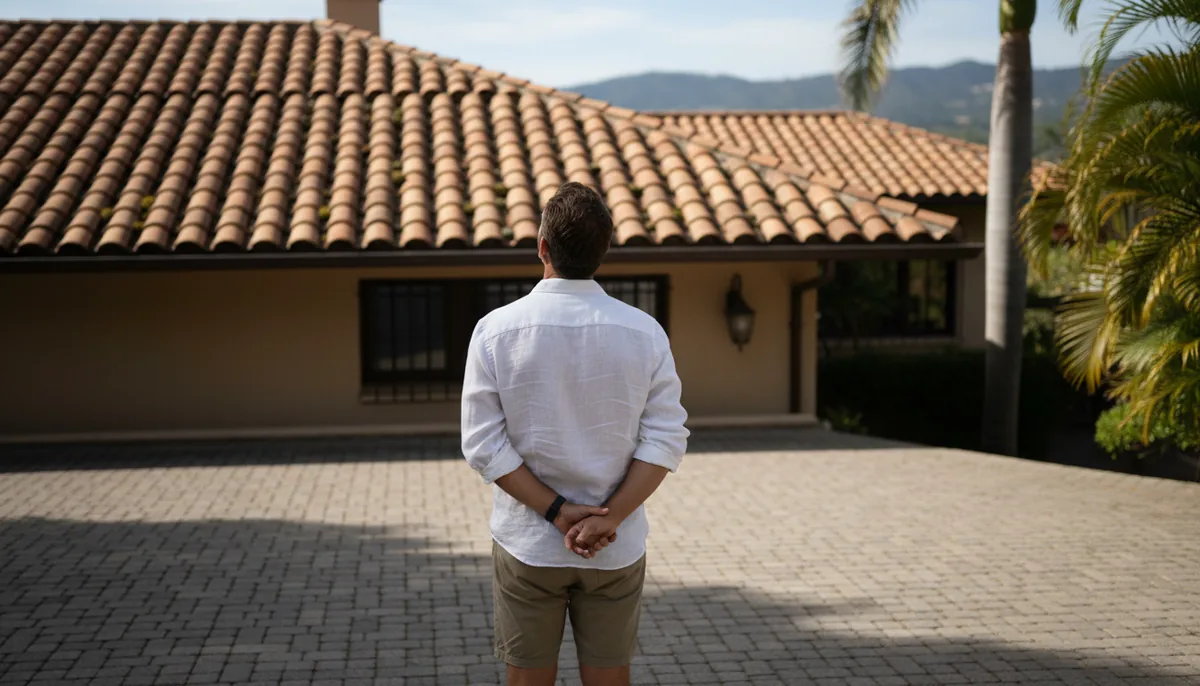
The roof is only as good as the last heavy rain
Water intrusion is the thing that kills roofs early, and shingle wear is rarely the actual cause of a leak. The leak usually comes from a flashing detail that failed, a nail that backed out, or a valley that was never sealed properly. I will get on a roof and see shingles that still have plenty of life, but the pipe boot is cracked like a dry riverbed. That boot costs forty dollars. The leak it caused has already rotted a sheet of decking and stained the ceiling below.
Every time I am in an attic, I am looking for the evidence of old leaks. Water stains on the rafters. A musty smell. That moisture meter tells me where the decking is still wet, even when the stain has dried. A shingle roof can look perfect from above and be rotten underneath. Do not buy a house on the strength of a curb-appeal roof.

What the pitch and the sun do to your shingles
A steep roof sheds water better, and it tends to last longer because water runs off before it can sit. A low-slope roof, anything under a 2/12 or so, should not have shingles on it at all in Florida, honestley. Shingles need slope to shed water. If you have a shingle roof on a low pitch, you are fighting physics.
The sun is the bigger factor. A roof that faces west gets hammered by the afternoon heat. The shingles on that side will age faster, lose granules faster, and crack sooner than the north-facing side. That is why I always inspect both sides of the ridge and compare. If you are replacing half a roof, you will end up with a visible patchwork of faded and fresh shingles. But if you only replace half, the old half will keep aging. You might save money now and spend it twice later.
What I would actually do: If a roofer tells you the entire roof is shot, climb up there with him or ask for photos of the decking. Look at whether the loss is uniform or just on one side. If it is one side, you may have a few years left on the other. But do not kid yourself. A roof with one bad section is a roof that is halfway to dead.
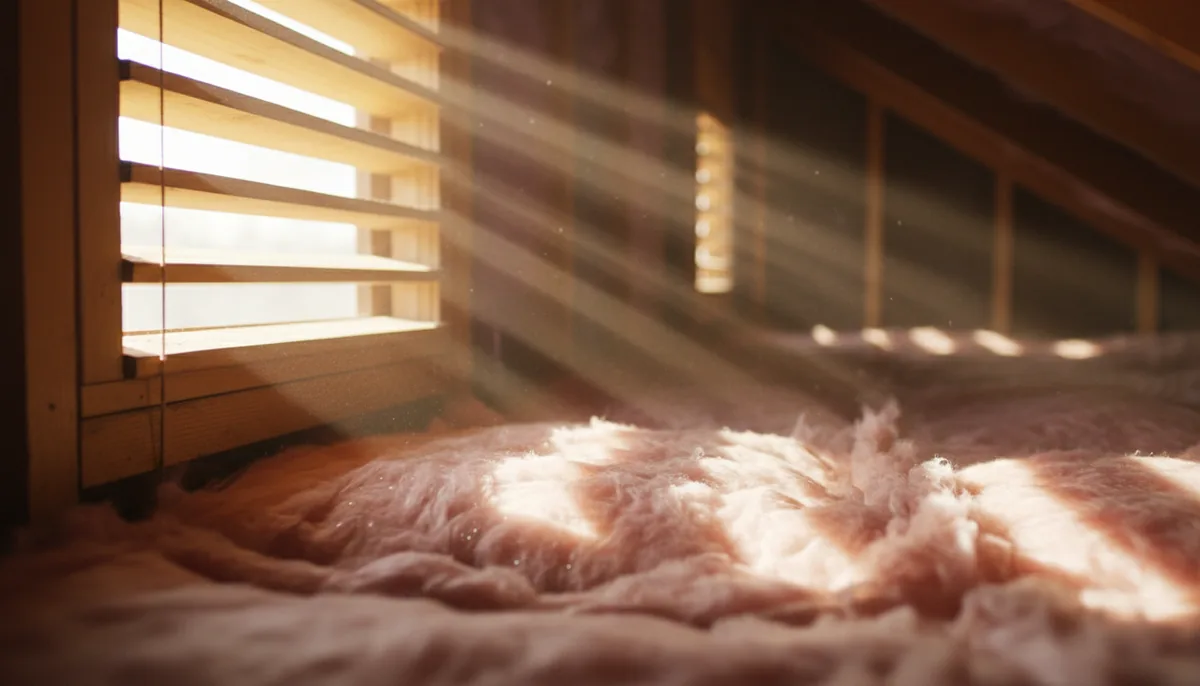
Let me tell you about attic ventilation
Here is where I sound like a broken record. A hot attic cooks shingles from underneath. Florida attics easily hit 130 or 140 degrees in the summer, sometimes more. If the ridge vent is blocked, or the soffit vents are painted shut, or the builder used a power vent that died in 2019, that heat has nowhere to go. The shingles on top are baking from below.
The fix is not complicated: you need intake at the soffit and exhaust at the ridge, with clear airflow between them. A lot of homes in Florida do not have that. They have a gable vent on each end and nothing else, and the air just sits there. A roof over a hot, damp attic will fail early. I have been wrong about this before, but I have never seen a well-vented attic kill a roof. I have seen plenty of sealed attics cook a roof to death in eight years.
The other attic issue is the bathroom fan that vents into the attic. That is a classic. It pumps humid air straight into the underside of the decking. If you have that, fix it. It is a small job with an outsized effect on shingle life.
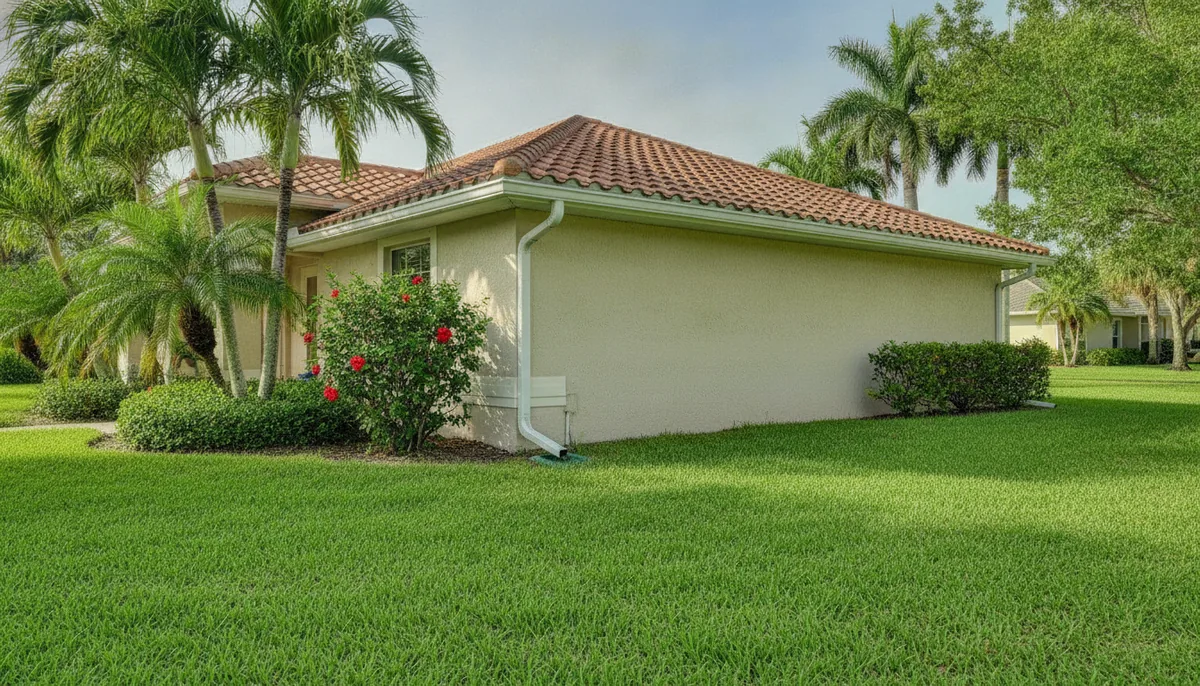
The three big installation sins
I see the same mistakes over and over. One, the roofer did not use a drip edge or did not fasten it properly. Two, the nail placement is wrong: too high, too low, or overdriven so the nail head breaks the shingle. Three, the underlayment is the cheap felt, and it is already wrinkling. That last one matters because the underlayment is the second line of defense. If the shingles fail, the felt is what keeps the deck dry. Cheap felt fails faster.
Roofing contractors in Florida are licensed by the Department of Business and Professional Regulation. You will see a licence that begins with CCC for a certified contractor who can work anywhere in the state. You will also see an RC prefix for a registered contractor who can only work in the local jurisdiction that licensed them. That is not a small detail. An RC from one county cannot legally roof in another. The directory verifies these things against the DBPR roll, but you should verify the number yourself before you sign anything. If the number is not active, walk away.
A roof replacement in Florida requires a permit from the local building department and an inspection. The contractor who offers to skip the permit is a contractor to walk away from, and I mean that literally. An unpermitted roof complicates an insurance claim, and it will come up at a future sale. Your buyer's inspector will find it, and then the deal gets messy. Pull the permit. It costs time and a little money, and it protects you.
What I would actually do: Ask for the licence number before the estimate. Then go to the DBPR roll and check it is active. Ask for the permit number before work starts. Then call the local building department to confirm it was pulled. If either step fails, you have your answer about that contractor.
Florida roof replacement is not like the rest of the country
Builders in colder states install roofs in a different sequence, with different flashing details and different venting assumptions. Florida has its own building code, and it has been updated a few times recently for the wind. A roof installed under the old rules is not necessarily bad, but it does not meet the new standard. The 2022 legislation, SB 4-D as it was called, changed how insurance claims can be handled. What I want you to take from that is simple: the legal and regulatory world around roofs here is not static. A roof that was perfectly legal in 2015 may not be the best choice in 2026.
There is also a part of Florida law, Florida Statute 627.70132, that allows an insurer to require a roof inspection before writing a policy in certain conditions. So if you are buying a house with an older roof, be ready for your insurance company to want a look at it. That is not me being dramatic. That is the law.
Wind mitigation is the discount you are probably ignoring
A wind mitigation inspection documents how the roof is attached to the walls, how the deck is attached to the rafters, the shape of the roof, whether there is secondary water resistance, and what the roof covering is. Florida insurers have to offer premium discounts for qualifying features. The form is OIR-B1-1802, and the inspection usually costs far less than the annual discount it can open up. If you have not had one done, you might be paying hundreds more a year than you need to.
Some policies require a roof that is on the newer side to qualify. Some do not. I am not an adjuster, and I will not tell you what your policy covers. Read your declarations page. But if you have a roof with a secondary water barrier or a sealed roof deck, the inspector will document it, and that paperwork can help.
I have had homeowners tell me they skipped the wind mitigation inspection because the roof was older and they assumed it would not qualify. That is the wrong instinct. The inspection costs a little, and the discount recurs every year. Even if the roof does not qualify for every discount, it may qualify for some. I have been wrong about this before, but I would rather spend ninety dollars on an inspection and be wrong than spend three hundred dollars extra on premiums every year and never know.
How a roof gets priced, roughly
A shingle roof replacement is priced per square. One square is a hundred square feet. The total depends on the pitch, the number of stories, the decking condition, and access. A steep two-story roof with no driveway and a bunch of valleys is not priced the same as a simple ranch. Any contractor who gives you a number over the phone without seeing the roof is guessing. Get three estimates. Compare the scope of work more than the price.
The lowest bid is not the best bid. The highest bid is not the best bid either. Look at what each contractor includes: new pipe boots, new flashing, proper underlayment, deck repair allowance, and permit. If one bid is thousands lower, ask yourself what they left out. It is usually the flashing or the permit or the deck repair allowance. And those are exactly the things that come back to bite you.
Questions I get asked
Is a 20-year-old shingle roof always a replacement?
No. A roof is a condition, not a calendar date. I have seen 20-year-old shingles that stayed sealed because the home had a shaded northern exposure and a vented attic. I have also seen 12-year-old roofs that looked like they went through a war. Get an inspector to look at the shingles, the flashing, and the decking before you make that call.
Does a new roof lower my insurance?
It can, but not automatically. The age and type of roof matter. The wind mitigation inspection is what documents the features that earn discounts. A new roof with the right attachments and a sealed deck will likely score well. A new roof installed poorly may not. And coverage varies by policy, so read your declarations page to see what your insurer actually counts.
Can I just put another layer of shingles over the old ones?
Technically, sometimes yes, but you are usually making a mistake in Florida. A second layer hides the condition of the deck, adds weight, and does not give you the chance to fix the flashing and underlayment. A reroof over old shingles is a shortcut, and shortcuts under a Florida sun fail early.
What does an inspector look for that a roofer does not?
A roofer is selling a new roof. An inspector is not selling anything. I look at the decking from underneath, the moisture content, the nail pattern through the felt, and the condition of the flashing. A roofer walks the surface and sees the shingles. I crawl around in the heat and see the consequences.
Should I wait for a leak before replacing the roof?
That is the most expensive way to do it. By the time the water reaches your ceiling, the deck is usually already damaged. Replacing decking costs more than replacing the roof on a dry, sound deck. A roof with a small leak is a roof you are already behind on.
What is the biggest mistake homeowners make here?
Hiring on price alone and not checking the licence or the permit. The shingles themselves are not even the main event. The hundred miles of flashing details and the quality of the nailing are what keep the water out. You can buy the most expensive shingle on the market and lose it all with a lazy installation.
A roof in Florida is not a purchase. It is a maintainance item. It ages, it fights the sun, it takes a beating from summer storms, and then it gets replaced. If you treat it like something you buy once and forget, it will remind you. And it will usually remind you during a rainstorm, at the worst possible moment.