Metal roof vs shingle roof Florida
By Bud Kettering, Roof consultant and inspector. Reviewed by Hal Winstead, Editor, licensed roofing contractor.
That afternoon on Sanibel, I was standing in a living room that smelled like a wet ashtray. The homeowner had called me in after his insurer flagged the place, and I was up in the attic with the torch, tracing a water stain along the underside of the decking. The shingle roof was three years old. Looked perfect from the street, too, which is the thing that gets people. I found the leak where the new roof met an old valley—the contractor had laid the shingles over the existing flashing instead of pulling it. Cheap and fast. And now the plywood was delaminating.
You want the honest version before we get into it. Most people call me when a roof has already lied to them. I'm the guy who climbs up there with a moisture meter and a flashlight to find out why. If you are shopping between a metal roof and a shingle roof in Florida, you are asking the right question before you spend twenty grand. That's already a better spot than the guy on Sanibel was in. If you are looking for names of who to call, you can find a good list of metal roofing companies in Florida but never trust a list over the license roll. We'll get to that.
Here is the thing nobody tells you in the brochure. Both roofs will keep the rain out, give or take. The difference is what happens after a hurricane, after ten summers of that sun, and after the insurance adjuster shows up with a clipboard. Shingles and metal panels fail in totally different ways. One fails by tearing off. The other fails by corrosion and bad fasteners. I have seen both fail, and I have been wrong about this before.
What I actually see under a shingle roof that makes me wince
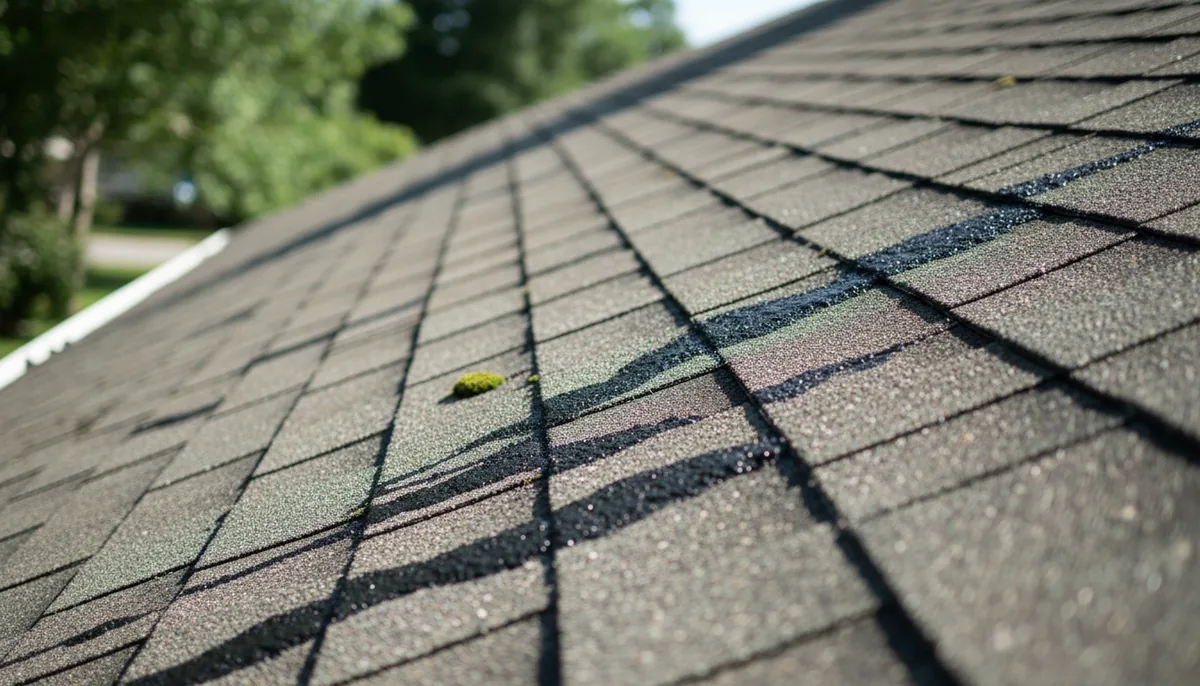
Shingle roofs in Florida die two deaths: the blow-off and the cook. The blow-off you know. The wind gets under a tab, lifts it, and then the next gust rips a whole course off. But what I see more often than full blow-offs is the slow cook. The sun beats down on asphalt, and the granules start to shed. You find them in the gutters, looking like black sand. Once the granules are gone, the UV hits the asphalt mat directly. It dries out, gets brittle, starts to crack along the edges. I can walk a roof and crack a shingle with my boot heel if it is past it's prime. That's a bad sign.
The older the shingle, the worse the impact rating matters. Florida insurers look hard at the impact resistance of your roof covering, especially now. A lot of them want a specific rating before they'll even write a policy. And in the last few years, the rules changed—you might get a discount or you might get a non-renewal depending on what you put up there. A shingle roof with a high rating will cost you more. A basic shingle, the cheapest bid on the street, might not cut it with your carrier at all.
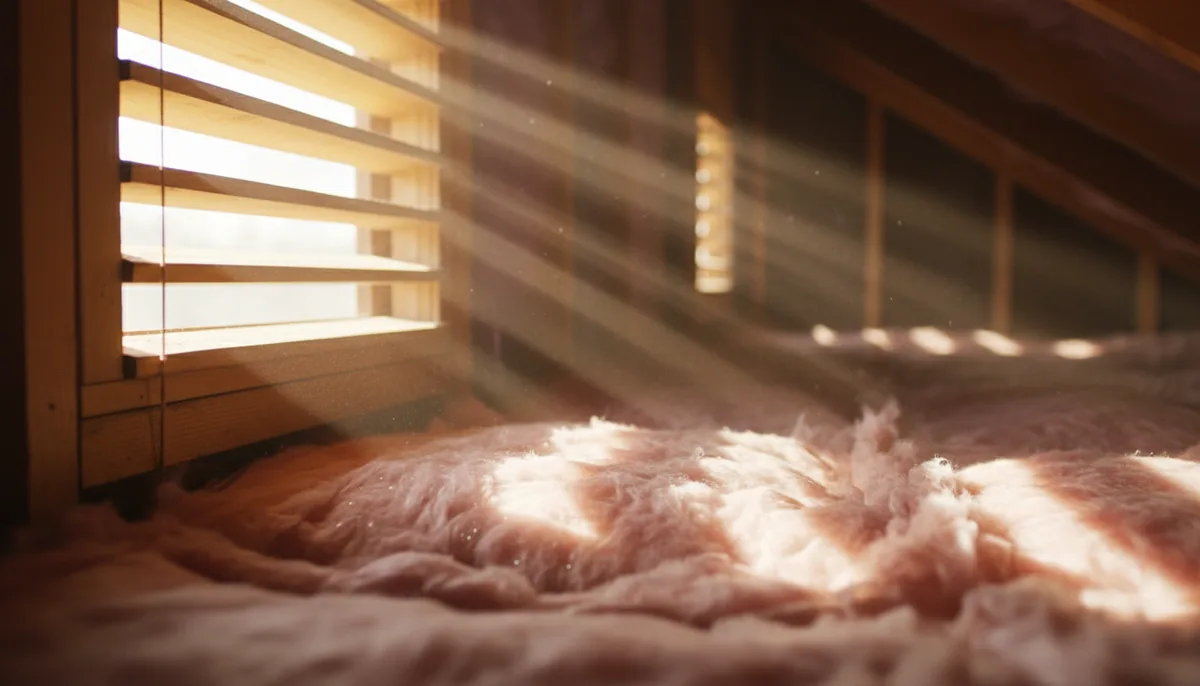
Underneath the shingles, I'm checking the decking and the underlayment. I have pulled up a shingle and found the decking stained black with old water, and the underlayment so brittle it crumbles like a cracker. The shingles on top looked fine. That's the trap. Shingles can hide a wet deck for a long time. The roof looks okay to the neighbor. But the deck is rotting out from beneath.
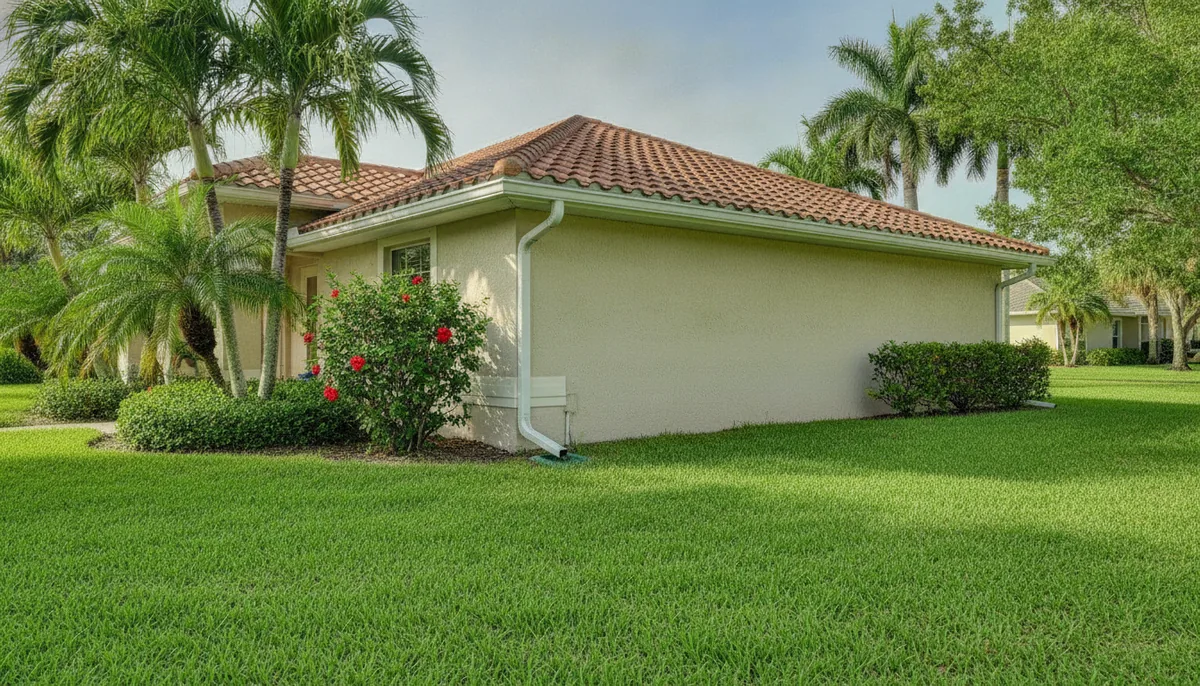
Metal roofs are not all the same, and the cheap ones scare me
Everybody loves the idea of a metal roof until they get the quote. But here is the nuance that gets missed. You have exposed fastener panels, which are usually the budget option. And you have standing seam, where the panels interlock and the fasteners are hidden. In Florida, the exposed fastener panels are where I find trouble. The little rubber washers on the screws dry out in about six or seven years. They crack, and then water follows the screw right down into the decking. It looks like a leak, but it is actually dozens of tiny leaks along every single screw line. You can't stop it with caulk. You have to replace every washer or every screw.
Standing seam is a whole different animal. The panels are attached with clips that allow the metal to expand and contract. That movement is the big deal in Florida, beleive it or not. The sun heats the metal up to 160 degrees. Then a thunderstorm drops it to 80 in ten minutes. The panels move. If the system doesn't allow for that movement, the fasteners will loosen, or the seams will split. I have seen a beautifull standing seam roof that was installed with screws into the flat pan—wrong—and it buckled like a potato chip.
One thing I tell folks is to check what is under the metal. The substrate matters. If they put metal over the old shingles, you have to know what the deck looks like. I have been on roofs where they installed metal over a deck that was already holding water. The metal looked perfect. The deck was mush. You get alot of heat under that metal, too, trapped between the panels and the old shingles. That heat cooks the old roof faster and can even warp the deck. So if the price of the metal roof seems too good, ask how they handled the substrate.
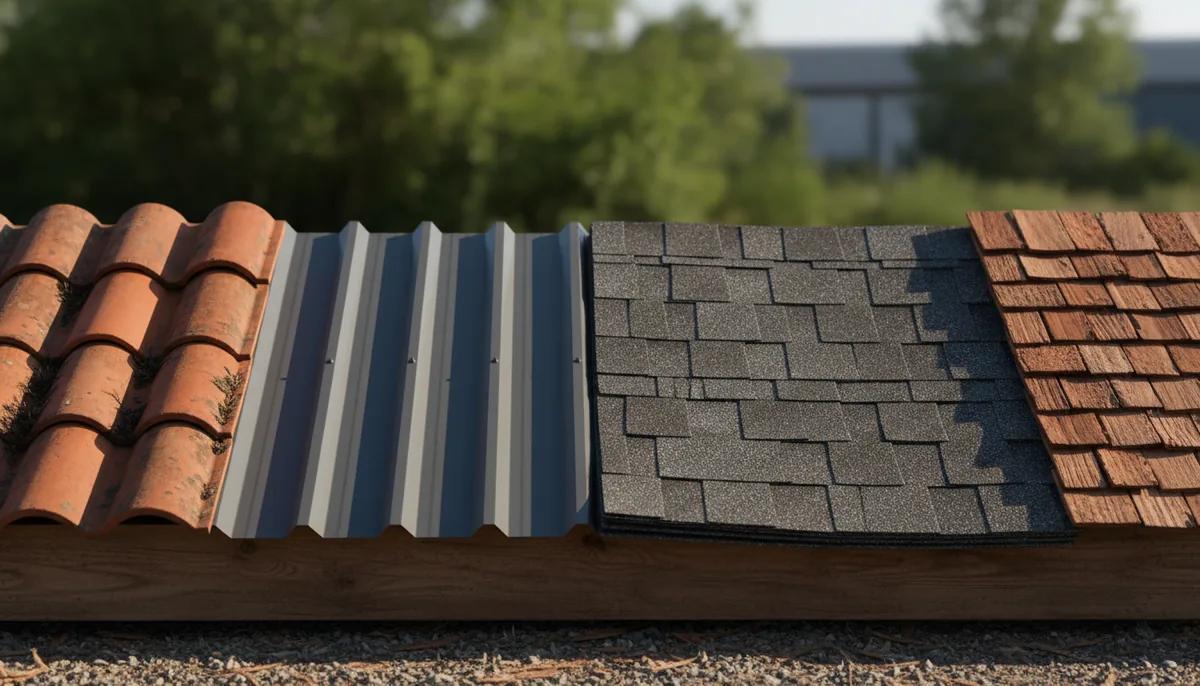
Wind and the insurance guy
Here is where the rubber meets the road. A wind mitigation inspection documents the key features that make a roof hold in a storm. It looks at the roof covering, how the deck is attached to the trusses, how the roof is tied to the walls, the shape of the roof, wether there is a secondary water barrier, and how the openings are protected. That inspection gets recorded on the standard form, OIR-B1-1802. And in Florida, your insurer has to give you a discount for qualifying features.
The shape of a roof matters. A hip roof with four slopes does better in wind than a gable roof with two big flat walls for the wind to push on. That's not opinion. That's geometry. When I go to do an inspection, I can often guess the roof shape before I even get on the ladder based on what the insurance company is asking. After a big storm, the adjusters want to see that form. They ask for it specifically.
The roof deck attachment is the one that gets people upset. Those little nails or screws that hold the plywood down? The Florida building code tightened those up after Andrew. But a lot of roofs are still on the older spacing. If your deck is attached with 6-inch spacing versus 12-inch spacing, it's stronger. The inspector checks the staples in the attic to see what you've got. That is why I am up there with the torch. I'm counting staples and nails by the light of a headlamp in a 130-degree attic in July. I do it so you don't have to.
And do not forget the wind load rule that came out of the 2022 legislation. That changed how insurers can refuse coverage based on roof age. A roof that is over a certain age can be denied outright or cause you to get a non-renewal notice. It forces the issue. Whether metal or shingle, the age of the roof matters more than ever.
What I would actually do: If I were buying a house in Florida tomorrow, I would pay for a wind mitigation inspection before I closed. I would ask the inspector to specifically rate the deck attachment and the roof covering. That form, OIR-B1-1802, is how you find out if the roof is going to help or hurt your insurance bill. It usually costs less than the discount it can open up.
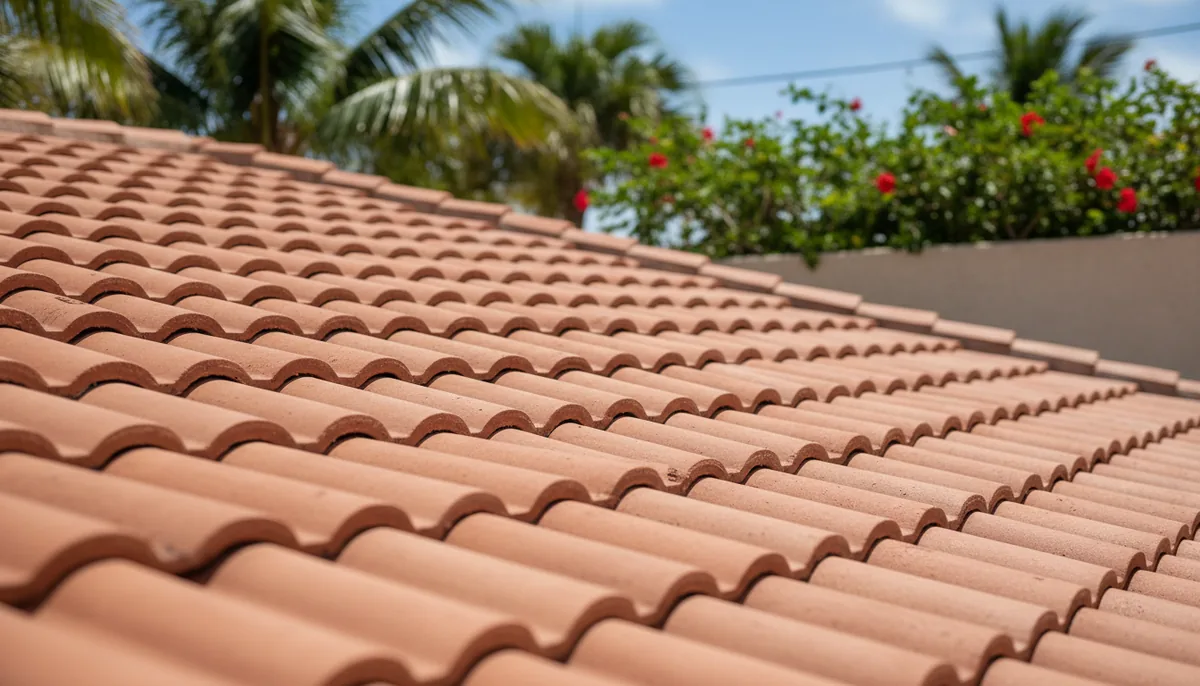
The corrosion problem you didn't think about
If the sun is the shingle killer, salt is the metal killer. If you are within a mile or two of the coast—and in Florida, that's most of the state—the salt air will find the cut edges of a metal roof. I have seen galvanized panels with rust creeping up from the bottom edge, right where the water runs off. The coating on cheap metal is thin. You can scratch it with a key. Once the salt gets through the coating, it's a race. Aluminum panels are better about this. Steel panels are strong and cheaper, but they have to have a good coating system.
I had a customer once in Cape Coral who bought a "stone coated steel" roof. Real pretty, looked like a shake roof. But the factory coating got nicked during installation, and the salt air got under it. By year six, she had rust blooms showing through the color. She was furious and rightly so. It was a premium product installed badly. The contractor had scratched the panels dragging them up the roof without any padding.
That is a tangent, but it's the kind of thing I see. The point is the material matters less than the installation and the edge prep. A metal roof is only as good as its cut edges and its fasteners. And you, the homeowner, will never see those. You will see the pretty color from the street.
What I would actually do: For the material decision, I would not buy the cheapest shingle and I would not buy the cheapest metal panel. I would buy the mid-grade shingle with a high impact rating, or I would buy a standing seam metal system with a good paint warranty. And I would spend money on the underlayment. The synthetic underlayment is worth every penny over the old felt. The underlayment is your second chance deck.
Getting the contractor and the permit right
You need to verify your contractor against the DBPR roll. Florida contractors have two license types. A certified contractor has a license that starts with the letters CCC and can work anywhere in the state. A registered contractor has a license that starts with RC and can only work in the jurisdiction that licensed them. The number has to be active. This is not a small detail. If your roof fails and the contractor is unlicensed or their license lapsed, your warranty is worth the paper it is not printed on.
The other non-negotiable is the permit. A roof replacement in Florida requires a permit from the local building department and an inspection. If a contractor offers to skip the permit to save you money, walk away. That is a huge red flag. An unpermitted roof can mess up your insurance claim when you need it. It can also scare off buyers when you go to sell. I have done inspections for sellers who had a beautiful unpermitted roof and suddenly had to explain that to a buyer's title company. It's not a good conversation.
Questions I get asked
Is metal roof vs shingle roof Florida really that different?
Yes, they are very different systems. Shingles are a layered system that sheds water. Metal is a panel system that sheds water. Shingles fail by granule loss and cracking. Metal fails by corrosion and fastener failure. The hurricane performance also differs, mostly because the deck attachment is the same underneath, but the covering is different.
Will a metal roof lower my insurance?
A metal roof can help your wind mitigation rating, especially if it is a standing seam system that qualifies as a high velocity hurricane zone roof. But the discount depends on your specific insurer and the features on the OIR-B1-1802 form. The roof covering alone does not guarantee a discount. You still need the roof geometry and the deck attachment to work. Read your policy declarations page and ask your agent directly.
Does a metal roof really last longer than shingles in Florida?
Sometimes. A good standing seam metal roof can last a long time, but the finish can fade and the fasteners can fail. A shingle roof is realistically a twenty-year product at best in this climate. The metal roof might last thirty years or more with maintenance, especially if it is kept clear of debris and the seams are maintained. But I have inspected metal roofs that failed in ten because of poor installation. It depends what is under there and who installed it.
How do I know if my roof is too old for insurance?
The age of the roof is a major factor now. The rules that came from SB 4-D (2022) allow insurers to deny coverage or cancel policies for roofs older than a certain threshold based on the roof's condition. The exact age cutoff is defined by the insurance company. You need to check with your agent about your specific policy. If your roof is nearing fifteen years, start planning for the replacement, even if it looks fine.
What if I just paid for a roof and the insurance company says it's uninsurable?
That happens more than you think. Usually it is because the roof covering did not meet the impact rating the insurer wanted, or the contractor never pulled a permit. Call a different adjuster or a public adjuster to review. But the fix is often to prove the permit was pulled and the final inspection was passed. You cannot argue with a licensed inspector's finding if you have no paperwork. Keep the permit card in your filing cabinet with the deed.
Is it worth hiring an independent inspector before I close on a home?
Absolutely yes. Pay me a few hundred dollars now. I will climb up, check the decking, count the fasteners, and pull the code history. You can walk into the closing with a line item on the price negotiation, or you can walk away from a money pit. The seller's inspector works for the company that bought the roof materials. I work for you. It is the cheapest insurance you can buy in this process.
Now, I get asked which one I would put on my own house. That depends on where that house is, how long I plan to stay, and what the wind mitigation inspection is going to say. But I will tell you what I tell my own daughter. Get the permit. Pull the records. Verify the license. And never, ever let the contractor talk you into skipping the final inspection. That inspection is the last set of eyes on the work before the warranty starts. The inspector is the only one who works for you, not for the crew.