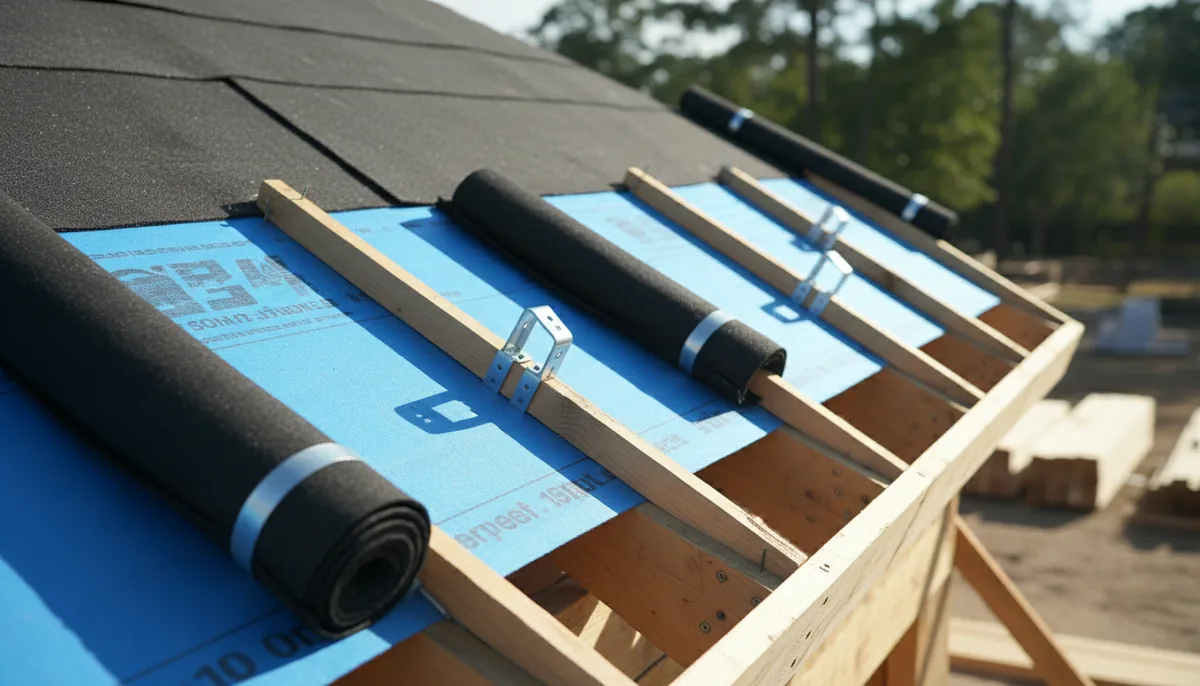
Linear roofing Florida: The Florida Guide
By Marcy Doleman, Commercial roofing estimator. Reviewed by Hal Winstead, Editor, licensed roofing contractor. One humid September afternoon, I was up on a modified bitumen roof over a plaza in Port Charlotte, checking a valley that had been patched three times. The repair had bubbled again, and when I knelt to peel a lap, the whole top ply came up in my hand like a wet Band-Aid. That roof taught me more about Florida's heat and membrane chemistry than any manufacturer seminar did. If you've found this through the roofing companies in Florida directory, then you're probably looking for someone who can tell you straight wether that flat roof needs a coating, a partial repair, or a full rip-off.
You're not looking for a shingle guy. What people call "linear roofing Florida" is usually the low-slope and flat work I estimate every day — warehouses, retail plazas, schools. The search term is a little awkward, but the problems aren't. Every Florida roofing contractor answers to the Department of Business and Professional Regulation. Certified licences start with CCC and let you work anywhere in the state. Registered licences start with RC and are stuck in the county that issued them. I check every number on the state roll before I step foot on a job, and you should too.
The big question is always the same: repair, coat, or replace? That's where an estimator earns her fee. But before I give you my take on materials and the code, we need to talk about the stuff that gets skipped far too often. The permit. The inspection. And the reviews that never mention either one.
What linear roofing Florida reviews actually tell you
I read reviews as part of my own bidding, and not to see if the company is friendly. I read them to find out what kind of problems come up. A review that raves about a fast install and a clean site will rarely say whether the contractor pulled a permit. A review that mentions "they handled the building department" tells me more than any five-star praise ever could.
The reverse matters too. A one-star review that complains about delays might just mean the inspector found something wrong. That's a good sign, not a bad one. And a pattern of complaints about water leaking after heavy rain? That tells you the membrane seams were rushed. Linear roofing Florida reviews that get specific about drainage slopes, flashings, and curb details are worth ten times the ones that just say "great job."
What I would actually do: Treat a five-star review as a starting point, not a conclusion. Ask the contractor for three commercial roofs they finished in the last year, then call the owners or facility managers. Ask each one two questions: did the permit get closed out, and did the crew show up when they said they would?
Check the DBPR licence before you believe a review
I of been wrong about this before — I once trusted a subcontractor’s word over the state roll and ended up with a ridge cap that wasn’t fastened to anything. Now I don’t guess. DBPR licence prefixes are CCC for certified and RC for registered. A CCC licence means the contractor can work anywhere in Florida. An RC licence only allows work in the jurisdiction that issued it. So if a truck with an RC number drives two counties over to bid your roof, that alone is a red flag.
The roll will also tell you if the licence is active, inactive, or revoked. Every article you read will tell you to verify, but I'll say it plainly: the number on the bid has to match the number on the state website, and it has to be current. Not "we're renewing it." Not "we just changed names." Active.
Permits are a different animal. A roof replacement in Florida requires a permit pulled from your local building department and an inspection. If a contractor offers to skip the permit, walk away. Unpermitted work can complicate an insurance claim and a future sale in ways that cost far more than the permit fee ever would.
SB 4-D and the old 25% rule: what changed
Florida's commercial roofers grew up on the "25% rule" from the Florida Building Code. The old way said you couldn't repair or replace more than a quarter of the roof in a twelve-month period without bringing the whole roof up to current code. For a tired old warehouse roof with a few bad patches, that often meant a full tear-off whether the building owner wanted it or not.
Then SB 4-D (2022) came along and rewrote the math. The effective date was May 26, 2022. Here's the key: if your roof was built, repaired, or replaced under the 2007 Florida Building Code or any later edition, then only the portion you're working on needs to meet current code. A full replacement is no longer automatically triggered by a repair that exceeds 25% of the roof. The 2007 code took effect on March 1, 2009, so roofs finished before that date generally don't qualify. For the rest, it means you can patch a damaged field area without being forced into a ten-thousand-square-foot tear-off. Call it a relief, call it a loophole — the insurance companies aren't happy, but it's the law.
What I would actually do: Before I write a bid that touches more than a quarter of a roof, I pull the permit history and figure out what code edition the roof was built under. That one document tells me whether I'm pricing a repair or pricing a replacement. I've had owners thank me for saving them six figures just by reading the permit file.
Wind mitigation inspections can pay for themselves
Here's a tip that has nothing to do with the roof itself. A wind mitigation inspection documents roof covering, roof deck attachment, roof-to-wall connection, roof geometry, secondary water resistance, and opening protection. On the standard form, which is OIR-B1-1802, the inspector marks what's there and what isn't. Florida insurers have to offer premium discounts for qualifying features.
A home or small commercial building with a properly fastened roof deck and secondary water barrier can get a discount that adds up fast. The inspection itself costs a few hundred dollars, typically. It usually costs far less than the annual discount it can open up. I've seen a single inspection save a building owner more in one year than the inspection fee. And if you're in a Citizens Property Insurance Corporation policy, the same form still applies. There's also the My Safe Florida Home program for homesteaded residential property — different from commercial work, but worth knowing about when friends ask.
The catch is that coverage varies by policy. Don't take my word for what your insurer will credit. Read your declarations page, then ask your agent. But the inspection is a cheap bet.
TPO, modified bitumen, or a coating over what's there?
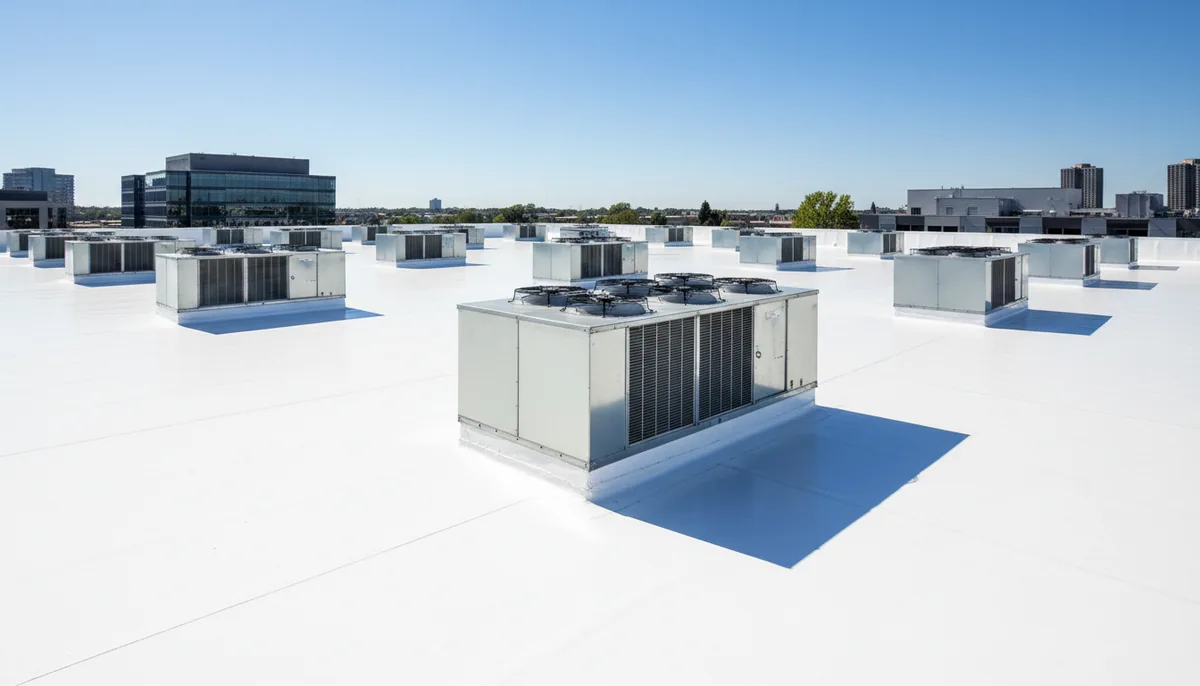
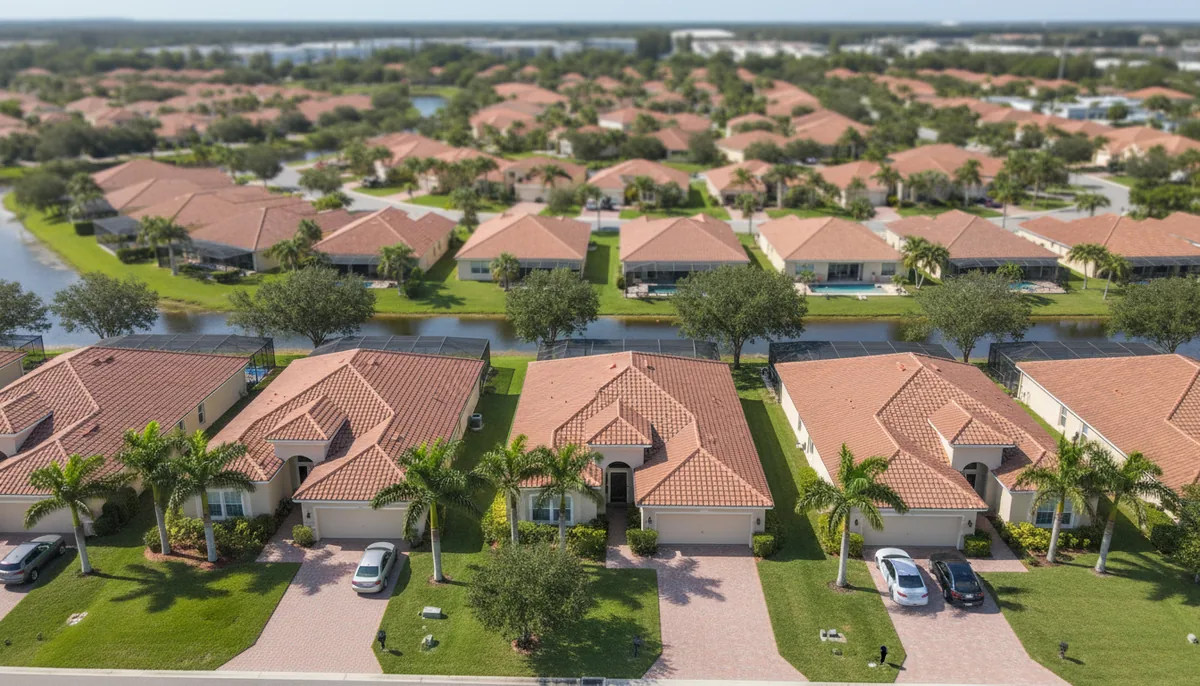
The three big options for low-slope commercial roofs in Florida are TPO, modified bitumen, and fluid-applied coatings. TPO is the white membrane everyone spec'd for heat reflectivity. It's priced per square, which means per hundred square feet, and the cost depends on pitch, access, and how many penetrations are poking through that deck. Modified bitumen is the built-up torch-down or adhesive-applied system — the one with layers that can bubble if the installers get greedy with a torch in July. Coating a roof means you're putting a thick elastomeric layer over the existing membrane to buy ten more years, assuming the old roof is dry and sound underneath.
So which do I recomend? Depends on what's under there. A coating only works on a roof that still has life in it — no ponding, no saturated insulation. TPO is great for new decks and full tear-offs. Modified bitumen handles foot traffic better than TPO and doesn't puncture as easily around AC units and curbs. I've seen TPO roofs fail because maintainance crews dragged sharp metal across them. I've seen modified roofs outlive their warranty but looked ugly as sin. Don't let anyone sell you a material before they've walked the roof and checked the deck. A material is only as good as the substrate it sits on.
Questions I get asked
How long does a flat roof last in Florida?
Ten to twenty years, call it, depending on the material, the installation crew, and how much afternoon sun bakes that membrane. White TPO reflects heat but gets brittle with age in UV. Modified bitumen handles the sun better but absorbs it too, so you pay in cooling costs. Roofs in South Florida live shorter lives than the same roof in Tallahassee — the heat index isn't marketing, it's chemistry.
Do I need to hire a certified or a registered roofing contractor?
That depends on where your building is. If you're in the same city or county that issued the RC licence, a registered contractor is legal to work there. But if your property has multiple locations across the state, or you're not sure, go with a CCC certified contractor who can work anywhere. Always verify the number is active before signing.
What does an estimate for a commercial roof include?
A real estimate should list the substrate and deck condition, the current membrane type, the number of penetrations, the drainage plan, and the scope of work. It should mention permits and inspections. It should not be a one-page quote written from satellite photos. I charge for the site visit, but I credit that fee back if you hire me. Most estimators work the same way.
Is the 25% rule still a thing after SB 4-D?
Only for older roofs. If the roof was built or installed under an edition earlier than 2007 — generally before March 1, 2009 — the old rule can still force a full replacement. For newer roofs, the repair you're doing only has to meet current code on the part being fixed. I have to check the permit history to give you a straight answer on your specific roof.
Should I get a wind mitigation inspection before or after the roof replacement?
Before, ideally. You want the inspector to see the deck attachment and roof-to-wall connections while the roof is still partially open, or at least before the new membrane hides everything. Some inspectors can work with the roofer's schedule. If you're replacing a roof, ask your contractor to coordinate with a wind mitigation inspector so you don't miss the discount window.
What's the biggest mistake you see owners make?
Waiting too long to deal with a leak, then calling three roofers and taking the lowest bid without checking the permit history. A roof that leaks for months will soak the insulation, rust the deck, and turn a five-thousand-dollar repair into a hundred-thousand-dollar replacement. The other one is agreeing to a "repair" without asking whether the old code triggers a full replacement. I've walked roofs where a contractor patched the same seam six times over two years. Patch number seven wasn't a repair, it was a donation.