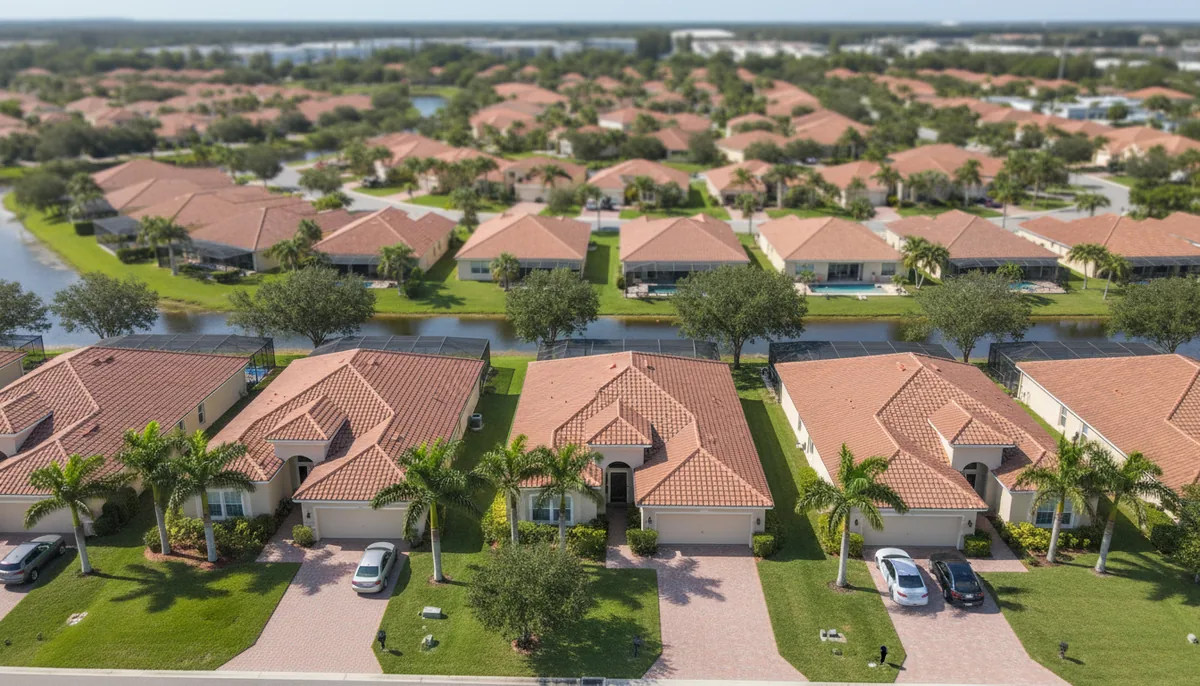
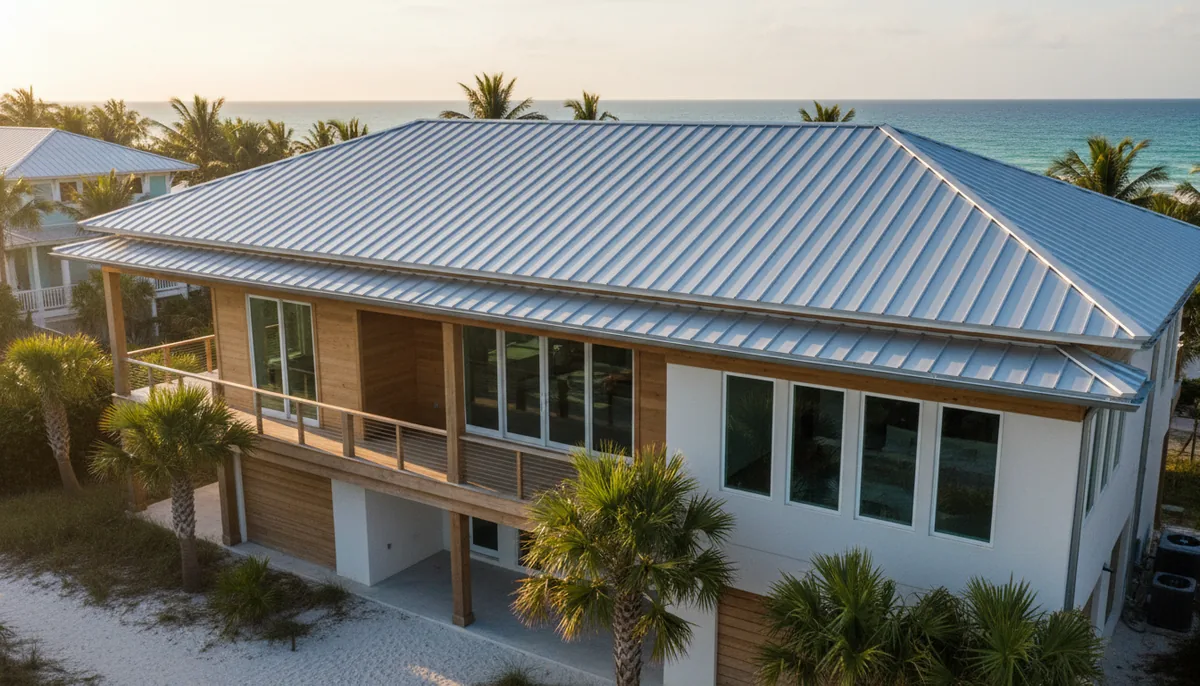
Metal roof in Florida pros and cons: The Florida Guide
By Dale Prescott, Roofing contractor, Central Florida. Reviewed by Hal Winstead, Editor, licensed roofing contractor. It was a Tuesday afternoon in New Smyrna Beach, the kind of humid October day where the air feels thick enough to chew. We were tearing off a barrel tile roof that had finally given up after a tropical storm peeled back half of it, and I watched three guys hump hundred-pound tile bundles down a ladder because the homeowner had parked his boat right where the crane needed to sit. The tile was the least of his problems. Next door, a standing seam metal roof had taken the same wind and barely shrugged. That stuck with me.
I've been running crews between Orlando and the coast for twenty-two years. I've torn off more storm-damaged roofs than I care to count, and I've put up just about every system in the book. If you're searching for metal roof in florida pros and cons, you probably want more than the marketing fluff or the horror stories. You want to know what it's actually like to live with one of these things. Before you get too deep, it's worth finding out who's actually allowed to put it on. You can check the state roll for metal roofing companies in Florida and make sure you're talking to a real contractor, not just a guy with a truck and a dream.
Here's the thing about Florida. The wheather here hates roofs. The sun bakes them, the humidity rots them, and the wind tries to peel them off every few years. Your roof is not just a cover; it's a part of your home's defense against a subtropical assault. A metal roof is a serious piece of armor, but it's not the right call for everybody. Let me walk you through what I see on the ground.
Why you're hearing so much about metal all of a sudden
Fifteen years ago, if you told me you wanted a metal roof, I'd assume you had a barn or a beach house. It was a niche product. Now, I'd say a third of the re-roofs we quote are for metal. Folks are tired of replacing shingles every decade or so, and they see the houses that survived the last hurricane. The ones with metal roofs often sailed through.
That said, I have been wrong about this before. Metal isn't magic. It has it's own set of headaches. The biggest being the upfront cost. It's priced per square, and it is going to hurt more than asphalt. But it's also not the roof you're going to replace twice in your lifetime if it's installed right.
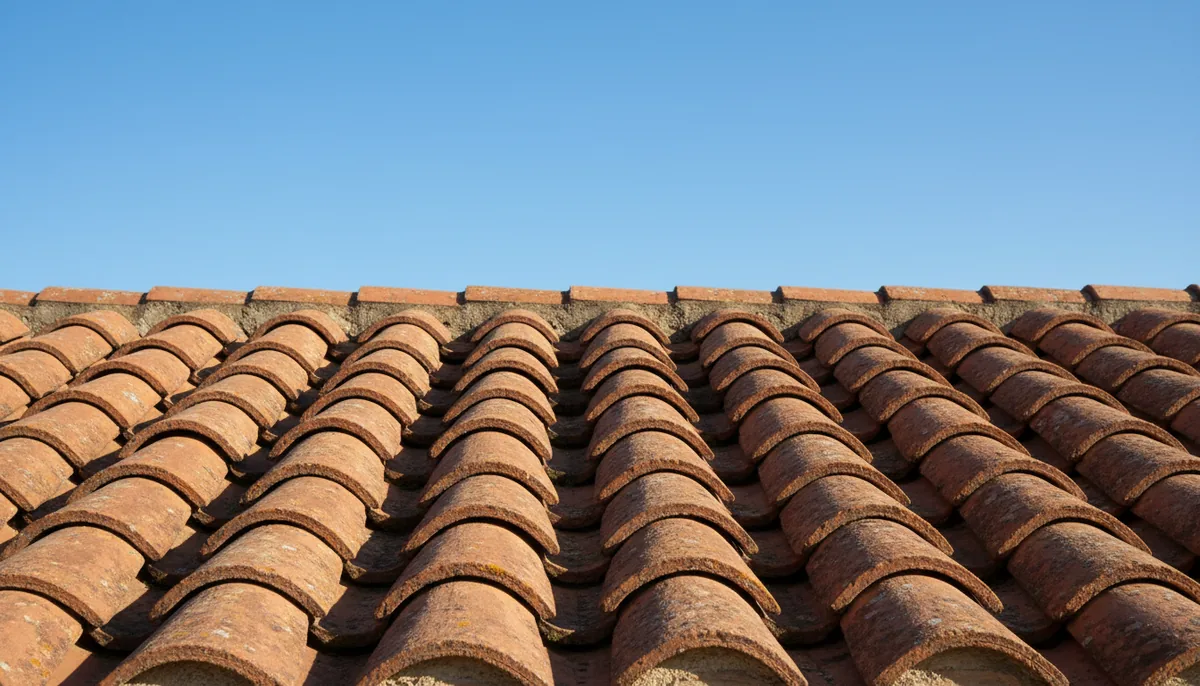
The real pros and cons of a metal roof in Florida
Let's be straight with each other. Call it the good, the bad, and the ugly of standing seam or screw-down metal in the Florida climate.
Pro: Wind and rain resistance. When it's installed over a solid deck with the right fasteners, water isn't getting under it. The panels interlock tighter than shingles, and the wind has a harder time getting a grip. That's huge down here.
Con: The cost. It's a big number. There's no way around it. You pay more for the material and for the skill required to install it. A sheet metal guy isn't cheap, don't assume the guy who does shingles can bend metal worth a damn.
Pro: Longevity. Your wife will fall in love with the idea of never painting the house again, but your roof needs to be on a 40-year plan, not a 10-year plan. Quality metal coatings can stand up to our sun for decades if the factory did their job right.
Con: Hail damage. Nobody talks about this at the cocktail parties. Big hail, the kind we get in the spring, can dent the hell out of it. It's not usually a leak, but it can be a cosmetic nightmare that's hard to fix on a standing seam panel.
Pro: Heat reflectivity. A light-colored metal roof will bounce alot of that Florida sun right back where it came from. Your attic will be cooler, and your AC won't run as hard. That saves you money every single month.
Con: The noise. When it pours, and I mean a real frog-choker, you are going to hear it. I've installed roofs where we had to put down batting under the panels just to keep the homeowners from jumping out of their skin. A lot depends on what is under there—if it's open trusses, you get an echo.
Pro: Low maintenance. There's no granule loss on the driveway, no moss creeping up the edges like you get on wood shake or shingle.
A Florida roof law you haven't caught up with yet
You hear a lot of talk about the "25% rule" at the dinner table. Old rules die hard. For years, if you repaired more than a quarter of your roof, you had to bring the entire thing up to current code. That was a nasty surprise for a lot of people with older homes.
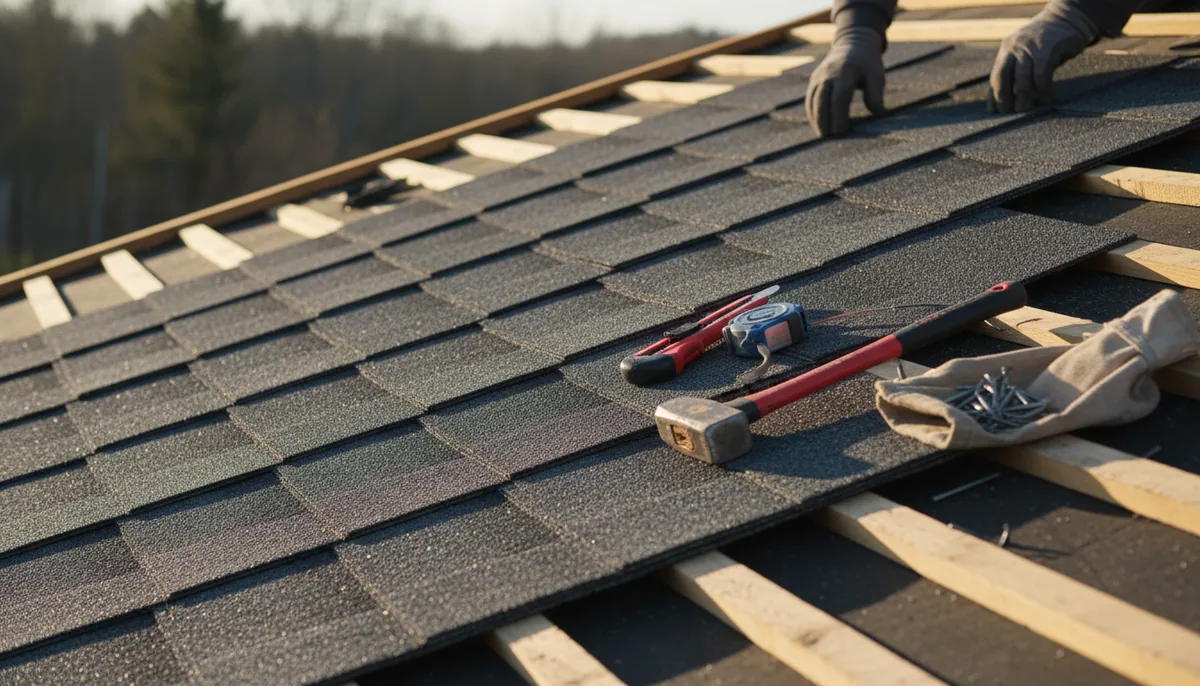
In 2022, that calculation changed in a big way. The legislature passed SB 4-D (2022) to clarify how this works. The hang up is when your roof was built. If your roof was put on, repaired, or replaced under the Florida Building Code from 2009 onward—which covers the 2007 edition—then you don't have to replace the whole thing just because you're patching a section. You only need to build the part you are working on to the current code. We're talking about a full replacement no longer being automatically triggered, which saves people a pile of money they weren't planning on spending.
What I would actually do: Don't rely on what your neighbor tells you. Call your local building department and ask them if your roof's age matters for a repair permit. The crew will need a permit pulled from the local department, and you will get an inspection. I can't tell you how many people try to skip this because they want it done fast. Walk away from any contractor who tells you to skip the permit. It's a nightmare for insurance and for selling the house later.
How the insurance side works
Insurers in Florida are skittish. They've paid out a lot of claims over the years for roofs that shouldn't have been on a house in the first place. When you go with a metal roof, it can work in your favor, but not automatically.
You will hear about something called a wind mitigation inspection. That's a specific visit where an inspector documents things like the roof geometry and how the roof deck is attached to the walls. The official paperwork is form OIR-B1-1802. If your metal roof checks the right boxes, your insurance company is required by state law—look up Florida Statute 627.70132 if you want the wording—to offer you discounts on your wind policy. It might be the difference between a few hundred dollars annual savings or a catch-all that doesn't translate to your specific premium.
Here's the catch, and this is importent: I can't tell you what your specific policy covers because I don't know what you're paying for. They all differ. If you're looking at a metal roof because you think it'll slash your bill, get the inspection first, then read your declaration page like a hawk. Or hand it to your agent and ask them to point to the exact discount.
What I would actually do: Buy the wind mitigation inspection before you buy the roof. It costs a fraction of what the roof costs, and it tells you what you're working with. If you're already getting a new roof, make sure your contractor is doing ring shank nails into the trusses and putting in the clips that actually let the metal expand and contract. Don't let them screw it down so tight it buckles in the summer heat.
Questions I get asked
Is the metal roof going to make my house too hot?
No, actually, it's usually the opposite. The sun hits a metal panel and a lot of that heat is reflected. But you have to have an air gap underneath it, wether that's a batten system or the roof deck. It's like wearing a white shirt in the summer instead of a black one. The metal itself gets hot, but it's not holding the heat like asphalt shingles do. That said, if you have no insulation in your attic, it's all for nothing. You're chasing your tail.
Is a metal roof louder than shingles?
Yes, and anyone who says otherwise is selling you something. During a heavy rain, it sounds like popcorn popping on a skillet. If you are having a conversation on the second floor during a downpour, you might have to raise your voice. But I have installed them with a layer of barrier over the deck, and that deadens the sound to a gentle patter. If quiet matters to you, ask for the insulation blanket. It's a simple detail that fixes the biggest complaint.
Does a metal roof attract lightning?
That's an old wives' tale that burns me up. Metal does not attract lightning. In fact, a properly grounded metal roof is actually a safer bet than a non-conductive roof because if it does get hit, the charge can disperse along the panels without starting a fire. Wood and shingles can ignite. Metal just sits there. I've been on lightning strikes on metal roofs and they usually just leave a small burn mark. It's not the death trap people think.
Can I walk on it to clean my gutters?
You can, but you have to know where to step. Standing seam panels have a flat spot, and the metal is thin enough that you can dent it if you put all your weight on the wrong spot. You don't really need to walk on the roof if the gutters are clear—you can reach them from a ladder. If you do have to get up there to check around a chimney or a vent, call your installer and ask them where the reinforcement is. They know.
Is metal worth it for an older home?
That depends on the structure. I replaced a roof on a 1960s block home this past year where the rafters were barely adequate. Shingles hid a lot of the issues. Metal adds a different kind of stress on the connections because the panels move. If your roof frame is shaky, you're better off spending the money to fix the framing first. You don't want to put a $30,000 metal roof on a house with a $10,000 framing problem. The metal will just telegraph the problem down the line.
What's the difference between the guys offering $15,000 metal roofs and the guys charging $30,000?
You're not buying the metal, you're buying the system. The cheap guy uses thinner metal, exposed fasteners with rubber washers that dry rot, and he doesn't spend the time to make the flashing right. The expensive guy is using a thicker gauge and hidden fasteners. That hidden fastener system is what prevents leaks down the road. Fasteners that are exposed to the Florida sun will back out over time, and water will find them. I've pulled off 10-year-old screw-down roofs that leaked like a sieve because nobody ever came back to torque the screws.
Settlement and movement
One thing I notice most folks don't think about is that Florida sand doesn't stay put. The ground shifts on fill. Your block walls move a little. A metal roof is one of the few roofing systems that can handle that movement without cracking. It's hinged together, so to speak. I've seen barrel tile roofs shatter just from the house settling an inch over the years. Metal will pop and groan with the movement, but it won't break.
I tell my customers all the time: don't get the cheapest metal roof you can find, and don't get the most expensive either. Get the one that matches the risk you're trying to solve. If you're on the coast in a wind zone, you need a different clip pattern than if you're inland in Orlando. And for God's sake, make sure the contractor knows the difference. That's the real divide in quality around here.