Roof claims in Florida: The Florida Guide
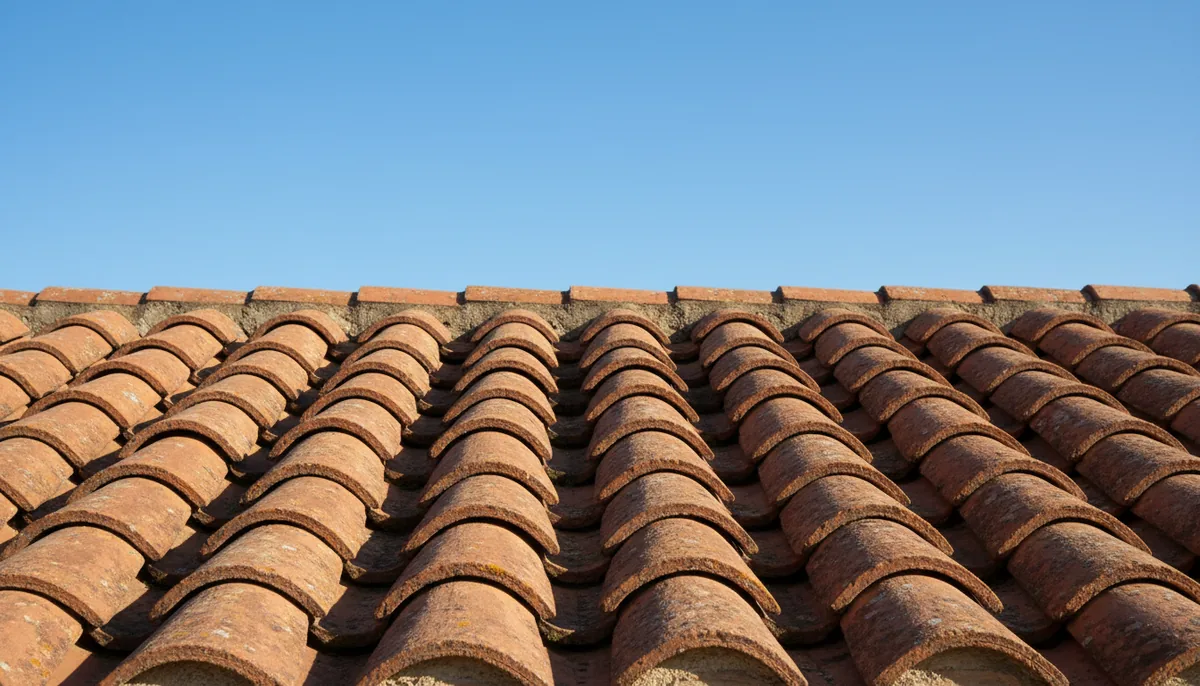
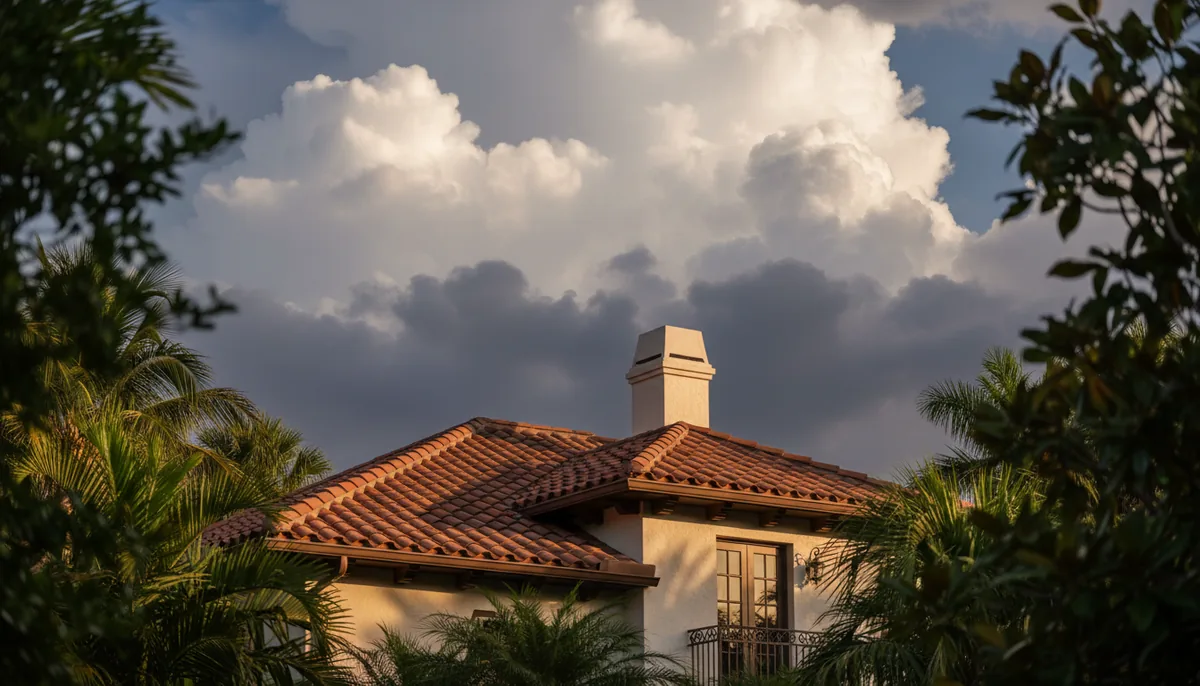
By Dale Prescott, Roofing contractor, Central Florida. Reviewed by Hal Winstead, Editor, licensed roofing contractor. The afternoon the sky turned green over Winter Park, I was standing on a barrel-tile roof that was already twenty years old and tired. The homeowner came out waving a claim letter, shouting that the insurance company was sending an adjuster "tomorrow, no matter what." I looked down at the barrel tile, then at the blackening sky, and told her we had about four hours to tarp it before that adjuster showed up. She asked if we could just skip the tarp and "let the insurance see it." We tarped it. The hail came. The adjuster saw a protected roof instead of a cathedral ceiling full of water.
That’s the thing about roofing companies in Florida — a good one will save you from your own worst instincts. I’m Dale Prescott. Twenty-two years running tile and shingle crews between Orlando and the coast, and I’ve torn off more storm-damaged roofs than I care to count. This is the guide I wish every homeowner read before the sky turned green. No legal advice, no insurance gospel. Just the way the work actually gets done.
First thing I do: look at the licence before I look at the roof
Florida roofing contractors answer to the Department of Business and Professional Regulation, the DBPR. If a contractor holds a CERTIFIED licence, it starts with the letters CCC, and that means they can work anywhere in the state. A REGISTERED licence starts with RC, and that one only lets them work in the local jurisdiction that issued it. I’ve lost count of the number of "RC" guys I’ve seen parked forty miles outside their county.
Before you let anyone set a ladder on your driveway, look up their licence number on the DBPR roll and confirm it’s active. Not just "he says he’s licensed." Active. I of been wrong about this before, and the one time I didn’t check, I ended up on a job where the "contractor" had let his licence lapse three years earlier. Don’t be me. Verify the number.
The permit rule is not a suggestion
Every roof replacement in Florida requires a permit pulled from your local building department. And that means an inspection. More than one. If a contractor tells you they can "save you the hassle" by skipping the permit, walk away. That’s not a favor, that’s a liability.
An unpermitted roof has a way of surfacing at the worst possible moment. You go to file a claim, and the adjuster asks about permits. You go to sell the house, and the buyer’s inspector spots a roof that doesn’t match the permit history. You are left holding a $15,000 paperweight. The permit exists to make sure the roof is actually attached to your house, not just lying on top of it. The inspection is where a building official checks your decking, your underlayment, and your flashing. Skip that, and you’re flying blind.
That "25% rule" they keep quoting? It changed. Call it what it is.
For years, Florida had a rule that basically said if you repair or replace more than 25% of your roof in a twelve-month period, you had to bring the whole roof up to current code. That triggered alot of full replacements that made sense at the time. Then the legislature passed SB 4-D (2022), and it changed the math.
Here’s the plain-English version: if your roof was built, repaired, or replaced under the 2007 Florida Building Code or anything newer, then only the section being worked on has to meet current code. A full replacement is no longer automatically triggered just because you cross that 25% threshold. The 2007 code took effect on March 1, 2009. So if your roof went on before that date, the old rule generally still applies to you. If it went on after, you’ve got more options for a repair without being forced into a full tear-off.
This is one of those things where you need someone who actually reads the code bulletins. I’ve seen contractors quote the old rule like it was still carved in stone. It is not. Ask your contractor which edition of the code your roof was built to. If they look at you funny, that tells you something.
The wind mitigation inspection is the closest thing to free money
Let me gripe about the wheather for a second, because July in Central Florida is not weather — it’s a punishment. But it does come with a silver lining. Florida insurers have to offer premium discounts for certain wind-resistant features on your home. The only way to prove you have those features is with a wind mitigation inspection. The standard form is OIR-B1-1802, and it documents six things: roof covering, roof deck attachment, roof-to-wall connection, roof geometry, secondary water resistance, and opening protection.
The inspection itself costs far less than the annual discount it can open up. I’ve seen it save homeowners hundreds of dollars a year. But here’s the catch — the inspector has to be able to see the roof deck attachment and the roof-to-wall connections, and you can’t always see that without pulling up a shingle or two. A good inspector knows where to look and what to document.
What I would actually do: Get the wind mitigation inspection done before you file a claim, not after. That way, you have a documented baseline of your roof’s condition before any storm damage occurs. It gives you use. It gives you facts. And it gives you a discount on your premium that you keep, claim or no claim.
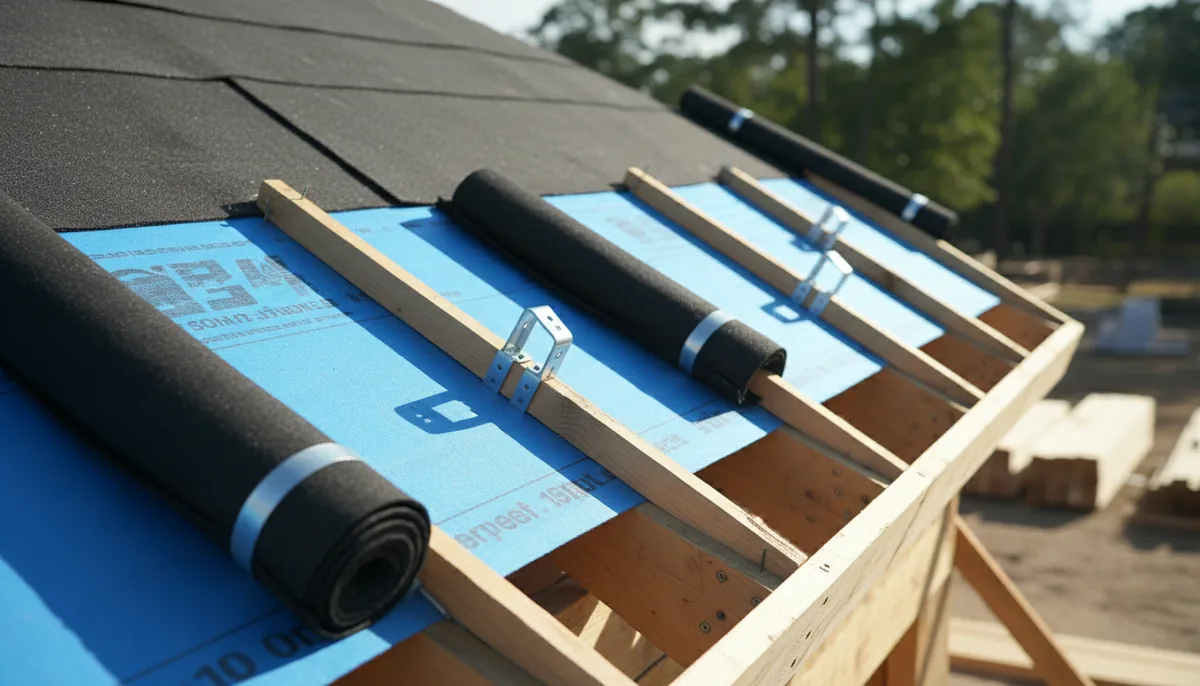
The insurance claim dance
When you file a claim, your insurance company sends an adjuster. That adjuster works for the insurance company. Your contractor works for you — or should. Remember that distinction. The adjuster is not your enemy, but they are not your advocate either. Their job is to assess damage according to the policy language. Your job is to read your policy’s declarations page to understand what your deductible is and what your coverage actually includes. Coverage varies by policy. I can’t say that enough.
The worst claims I’ve seen were the ones where the homeowner let the adjuster walk the roof alone, then took the first number offered. The second-worst were the ones where the homeowner let the contractor write the estimate for double what was actually damaged. That gets everyone in trouble.
What I would actually do: When the adjuster comes, you or your contractor should be on the roof with them. Point out the damaged areas. Ask questions. If they say something doesn’t look storm-damaged, ask them to explain what they think caused it. Don’t argue. Document. Then get a second opinion from a licensed roofing contractor who has actually torn off a few roofs. The estimate should match the damage, not the contractor’s mortgage payment.
A word about Citizens and the state programs
If you’re insured through Citizens Property Insurance Corporation, you’re dealing with the state-backed insurer of last resort. They have their own rules and their own inspection requirements, and they can be particular about what they’ll cover. The My Safe Florida Home program is a different thing — that’s a state program that helps homeowners with hurricane mitigation, like reinforcing roof-to-wall connections or upgrading your opening protection. Not everyone qualifies, and the funding runs hot and cold. Check the current status before you count on it.
The point is, don’t assume your situation fits some generic template. The state has multiple programs, and they all have their own hoops. A contractor who says "oh yeah, we do Citizens work all the time" isn’t telling you anything useful — Citizens inspections are done on their own timeline, and the requirements change.
Questions I get asked
Can I get a new roof without involving insurance?
Sure. If your roof is old but not storm-damaged, insurance will likely not pay for it. A roof replacement is normal maintenance, like a hot water heater or an AC unit. Some policies have provisions for wear and tear, but most don’t cover "it’s just old." You pay for that one.
My adjuster said the damage isn't covered. Can I fight it?
You can appeal, but you need evidence. That means having your own contractor’s report, photos, and ideally an independent inspection documented on the right forms. Florida law gives you rights here, but you have to exercise them. You won’t get anywhere with a phone call and a feeling.
How long does a roof claim take to process?
That depends on severity, the insurer, and how fast your contractor gets the paperwork in. I’ve seen simple claims settle in a few weeks. I’ve seen roof claims drag out for six months. The middle is more common than either extreme. The speed depends on how many contractors are fighting over the same job.
What if my roof isn't actually leaking? Can I still file a claim?
You can file a claim for any damage you beleive exists, but if there’s no leak and no visible damage beyond cosmetic wear, don’t expect much. Insurance is for sudden and accidental damage. A roof that’s just old is a maintenance problem, not a claim. Save your claim history for the real storm.
Should I hire a public adjuster?
Sometimes. A public adjuster works for you, not the insurance company, and takes a percentage of the settlement. If your claim is large and complicated, they can be worth it. For a straightforward roof replacement, probably overkill. Just remember their fee comes out of your settlement, so factor that in.
Does my roof really need to be replaced if the insurance says so?
The insurance company is not the building code. They might say they’ll only pay for a repair, or they might say they’ll pay for a replacement. The final decision on wether a roof needs full replacement is code. The final decision on what they pay is your policy. Those are two different conversations. Get them straight in your head before you start.
The sky’s been clear here for a week, which means the phone is quiet. That won’t last. Florida does not do calm for long. When the next storm comes, you want to know who’s standing on your roof with you. Make sure they’re licensed. Make sure they pull a permit. And whatever you do, tarp it before the sky turns green.