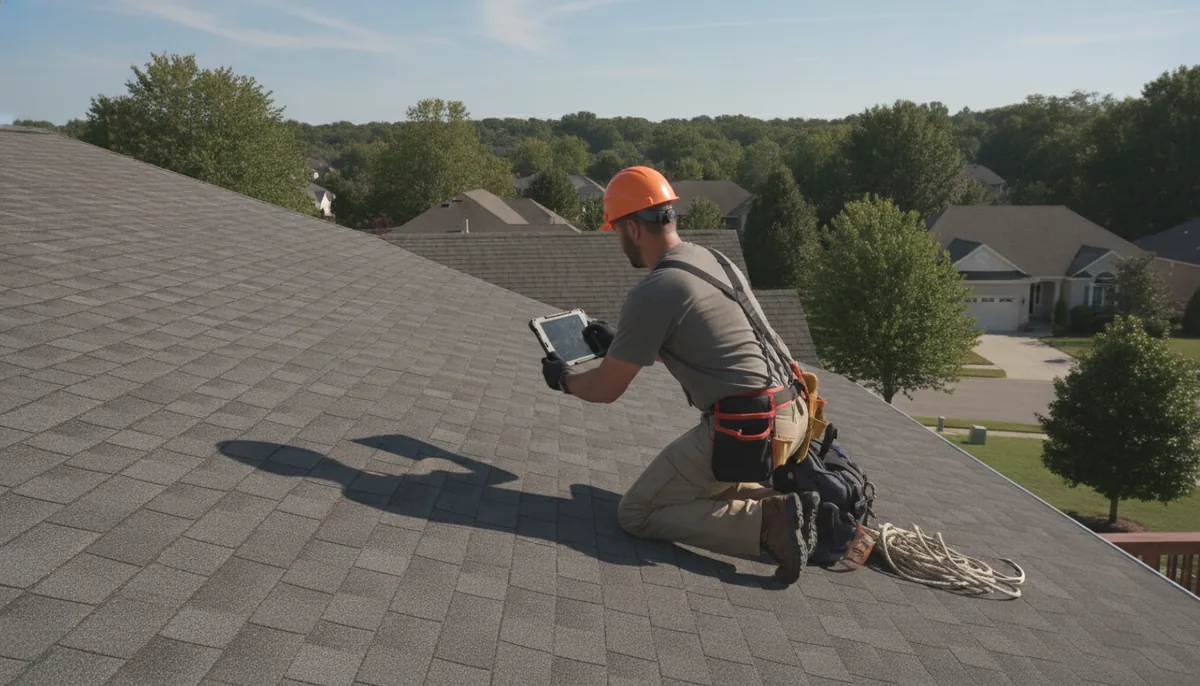
Roof insurance Florida: What Florida Homeowners Should Know
By Renata Alvarez, Former property claims adjuster. Reviewed by Hal Winstead, Editor, licensed roofing contractor. It was a Tuesday afternoon in Naples, and I was standing on a barrel-tile roof that had taken a beating from a storm the winter before. The homeowner was furious—her insurer had denied the claim, and she had the denial letter in her hand, waving it like a flag. I looked at the date of loss on her paperwork. The damage happened fourteen months ago. She filed the claim last week. Under the old law, she would have been fine. Under the new one? She was out of luck, and there wasn't a thing I could do about it. That was the day I realized most Florida homeowners have no idea how the clock on their own roof actually works.
That denial stuck with me. Not because it was unusual—I saw it constantly after the law changed—but because she had done everything right except the one thing that mattered most. She fixed the leak, paid the contractor, and thought she was being responsible. Then she found more damage, filed a residential roofing companies in Florida claim, and discovered the state had already decided her claim was dead on arrival. I've adjusted claims across this state for nine years, including two hurricane seasons working catastrophe response, and I can tell you this: the rules changed, and alot of roofing contractors and homeowners haven't caught up yet.
I'm Renata Alvarez. I spent nearly a decade on the other side of the desk, reading policy language and determining what gets paid and what doesn't. Now I write about it so you don't have to learn the hard way. And honestly, the hardest lesson right now is time.
The deadline is shorter than you think, and it hurts
Florida Statute 627.70132 is the law that sets the clock for property insurance claims. It got tightened up in 2022, and the change was drastic. You now have one year from the date of loss to notify your insurer about an initial claim. For a supplemental claim—say, you find more damage after the first check arrives—you get eighteen months. That's it. And it is not one year from when you noticed the damage. It is one year from when the damage happened.
That hurricane that peeled shingles off in September? Your clock started in September. Not when you finally got a roofer up there in February. Not when the leak showed up in the living room in April. The date of loss is the date the storm hit, full stop. I have been wrong about this before, and I've seen adjusters get it wrong too, but the law is the law. Missing that deadline gives the insurer a complete defense, even if your policy clearly covers the damage.
What I would actually do: When a storm rolls through, take photos of your roof from the ground within a week. If you see anything suspicious, call your insurer immediately. Don't wait for a contractor's opinion first. You can always withdraw the claim, but you cannot rewind the clock.
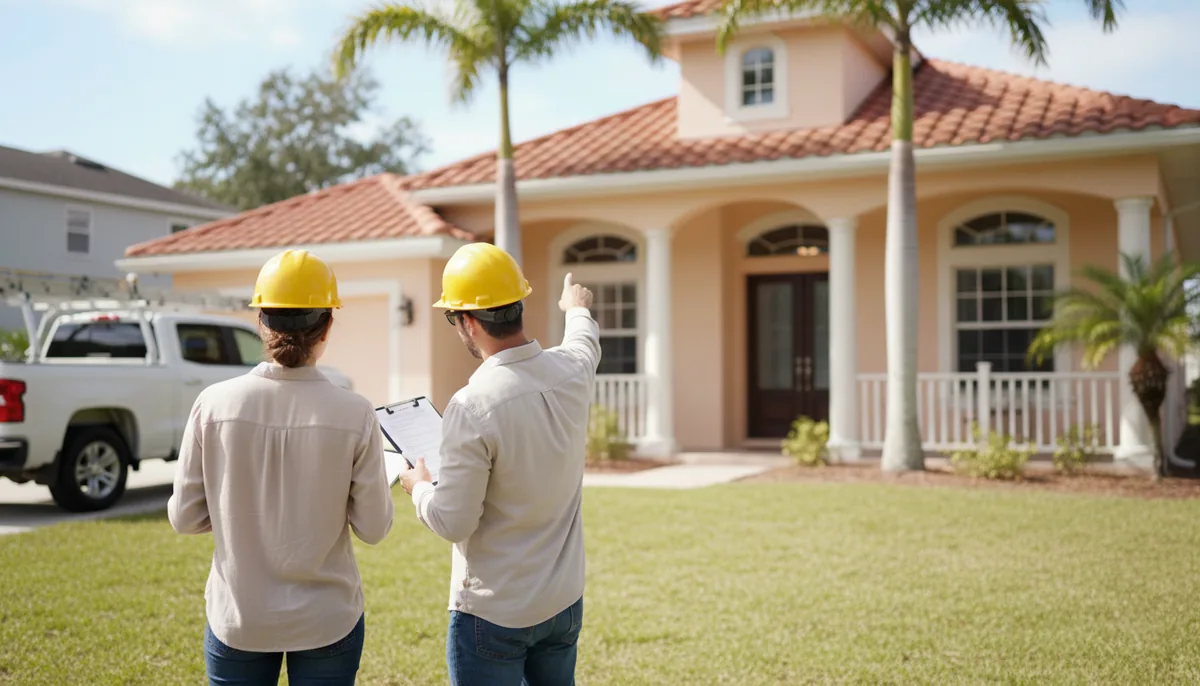
What a wind mitigation inspection actually does
A wind mitigation inspection is not a roof inspection, even though a lot of people treat it like one. It documents six specific things: the roof covering, the roof deck attachment, the roof-to-wall connection, the roof geometry, wether there's secondary water resistance, and what kind of opening protection you have on windows and doors. The standard form for this is form OIR-B1-1802, and Florida insurers are required to offer premium discounts for qualifying features.
Having one of these done before you shop for insurance is like showing up to a negotiation with your best numbers already on the table. The inspection costs a couple hundred dollars, give or take, and the annual discount it unlocks can be significantly more than that. One inspection, every year, while you own the home. The math works out.
What I would actually do: Get a wind mitigation inspection before you buy a policy, not after. When the inspector is there, ask them to explain each of the six items as they go. You'll learn more about your roof in forty-five minutes than you would from a decade of insurance statements.
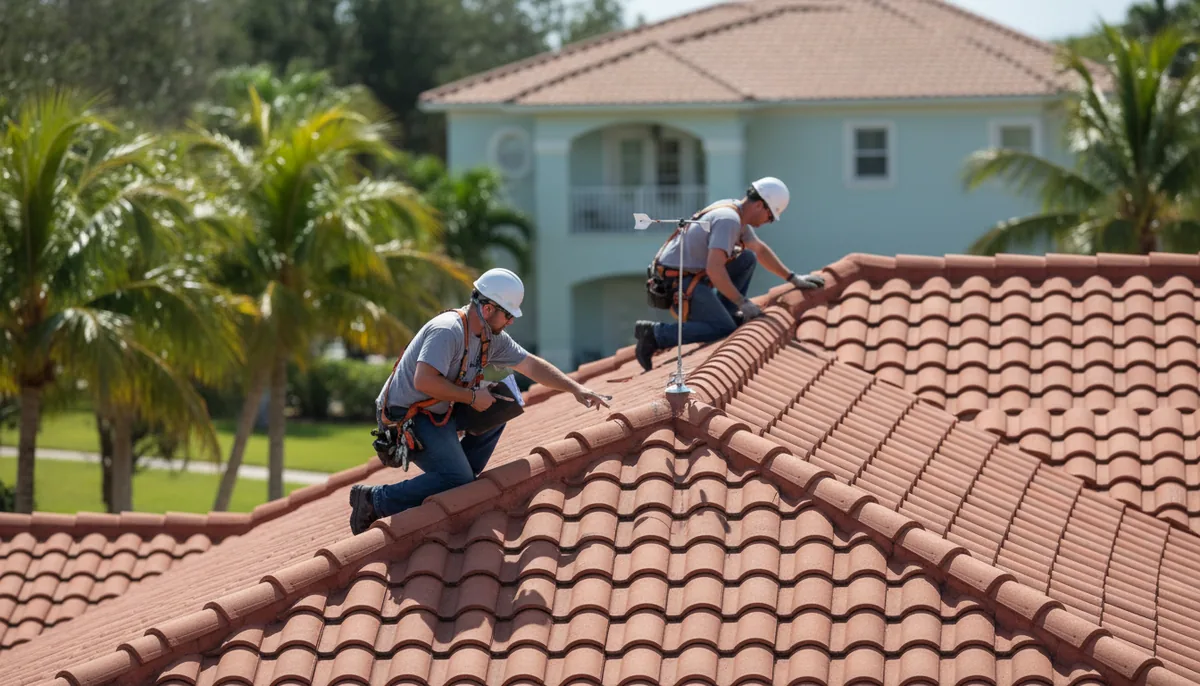
The state-backed option when nobody else will take you
Citizens Property Insurance Corporation is what we call the insurer of last resort. If you cannot find coverage in the private market—maybe your roof is old, maybe your claims history is messy—Citizens is there to catch you. The catch is that it's not usually the cheapest option, and it is not the most flexible one either.
But here's the thing nobody tells you. Just because you qualify for Citizens does not mean you should stop shopping. The private market in Florida changes constantly. Companies come back, companies leave, and companies change their underwriting rules based on the season. What was unavailable in January might be back in July. You owe it to your wallet to check twice a year.
And if you can't get private coverage and Citizens is your only option, you still need to read your policy. I know, nobody reads their policy. I didn't read mine for years. But Citizens has it's own rules, and they are not identical to the private market.
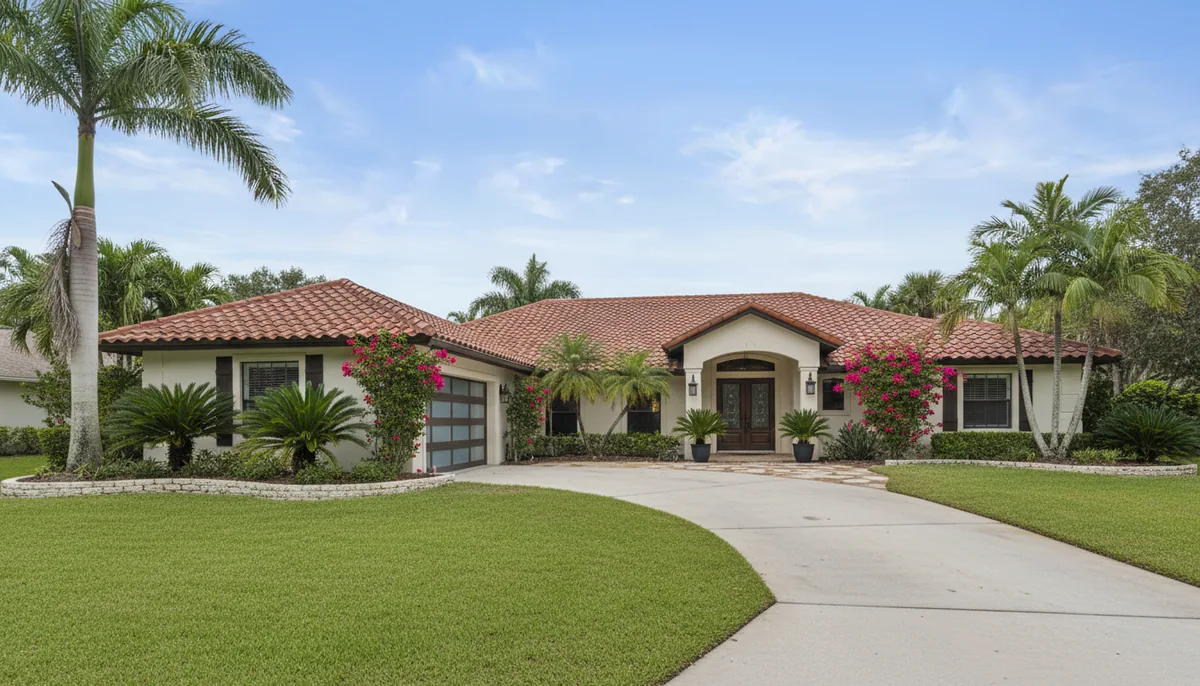
Turns out there's free money for hurricane hardening
My Safe Florida Home is a state program that offers free wind mitigation inspections and matching grants for qualifying hurricane-hardening improvements. The catch is that it's a state program, so funding is appropriated per cycle and it can run out. Never assume it's open right now. It's always worth checking whether the program is currently accepting applications.
The grants cover things like reinforcing your roof deck, upgrading your roof-to-wall connections, and installing better opening protection. The point is to make your home more resilient so that when the next big storm hits, you don't end up filing a claim at all. That's the best claim of all—the one you never have to file.
I will say this about the program, and it's the same thing I tell every homeowner: the free inspection alone is worth the time it takes to apply. Even if you don't qualify for the grant, you walk away knowing exactly where your home stands. That knowledge is power when you're negotiating with an insurer.
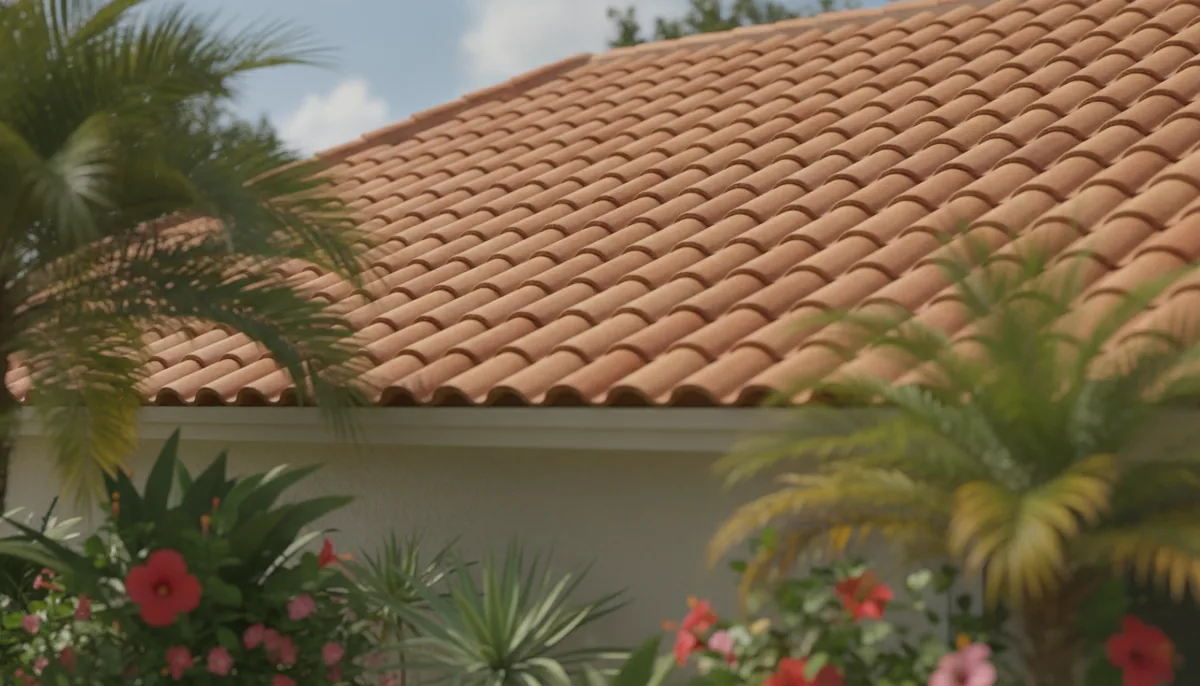
The 25 percent rule went away, and here's what replaced it
You've probably heard about the old rule: if more than 25% of your roof was damaged, the whole roof had to be brought up to code. Roofing contractors across Florida loved that rule because it meant more full replacements. Insurers hated it because it meant more money. And homeowners were caught in the middle, never sure which side was telling the truth.
SB 4-D changed all that in May of 2022. The new rule applies if your roof was built, repaired, or replaced to the 2007 Florida Building Code or any later edition. If it was, then only the portion being worked on has to meet current code. A full replacement is no longer automatically triggered just because you cross that 25% threshold.
But here's the catch. The 2007 code took effect on March 1, 2009, so roofs completed before that date generally do not qualify. If your roof is from 2005, the old rule can still apply to you. And if your roof is from before 2009, you should be having a serious conversation with your roofer about what happens when you need repairs. Call it a pre-existing condition, if you want.
Hiring someone who can actually work on your roof
Florida roofing contractors are licensed by the Department of Business and Professional Regulation, which everyone just calls DBPR. A certified roofing contractor has a license that starts with CCC, and they can work anywhere in the state. A registered roofing contractor has a license that starts with RC, and they're limited to the local jurisdiction that licensed them.
This matters more than you'd think. I've seen homeowners hire a contractor who was perfectly licensed for one county, only to discover the work was happening thirty miles away in a different jurisdiction. The work stopped mid-project, the permit was pulled, and the homeowner was left with a partial roof and a legal headache. Don't be that person.
Before you sign anything, look up the license number on the DBPR roll. Make sure it's active. Make sure the name matches. It takes two minutes, and it's the easiest way to filter out a whole category of problems. A roofing directory can point you in the right direction, but the DBPR roll is the ground truth.
Questions I get asked
Can I file a claim for a roof leak that started last week?
You can, assuming the damage is covered by your policy. The real question is when the damage actually occured. If the leak started last week because a storm hit last week, you're fine. If the leak started because of damage from a storm two years ago and you're only noticing it now, the date of loss is two years ago, and you're likely past the deadline. The clock starts at the event, not the discovery.
My roof is fifteen years old. Is it going to be covered?
Age alone does not disqualify you. What matters is the condition of the roof and the cause of the damage. An old roof that was properly maintained can still have a covered claim. An old roof that was neglected and has deteriorated over time is a maintainance issue, and maintenance is not covered. A good roofer can tell you the difference, but the insurer will make the final call.
What is the wind mitigation discount actually worth?
It varies by insurer, by policy, and by how many qualifying features your roof has. I cannot give you a single number because there isn't one. The discount depends on your home's specific construction and the insurer's filed rates. What I can tell you is that the inspection is cheap relative to the potential savings, and it only takes one qualifying feature to make it worthwhile.
Should I get a new roof before I sell my house?
That's a real estate question, not an insurance question. What I can tell you is that the age and condition of the roof will absolutely come up in the inspection and the buyer's insurance application. A newer roof makes the transaction smoother. An old roof gives the buyer's insurer a reason to either raise the rate or decline coverage entirely. Whether the price of a new roof is worth the smoother sale is a conversation to have with your agent.
How do I know if my contractor is licensed?
Check the DBPR roll directly. Look up the license number and verify that it's active. A certified license starts with CCC and works anywhere in the state. A registered license starts with RC and only works in the local jurisdiction that issued it. If the contractor hesitates to give you their license number, that is your answer, and the answer is no.
More from the site
- Florida roofing insurance: What Florida Homeowners Should Know
- Does a metal roof lower your insurance in florida: What Florida Homeowners Should Know
- Florida building code roof sheathing nailing pattern: What Florida Homeowners Should Know
- Florida roofing insurance requirements: What Florida Homeowners Should Know
- Roofing permit florida: What Florida Homeowners Should Know