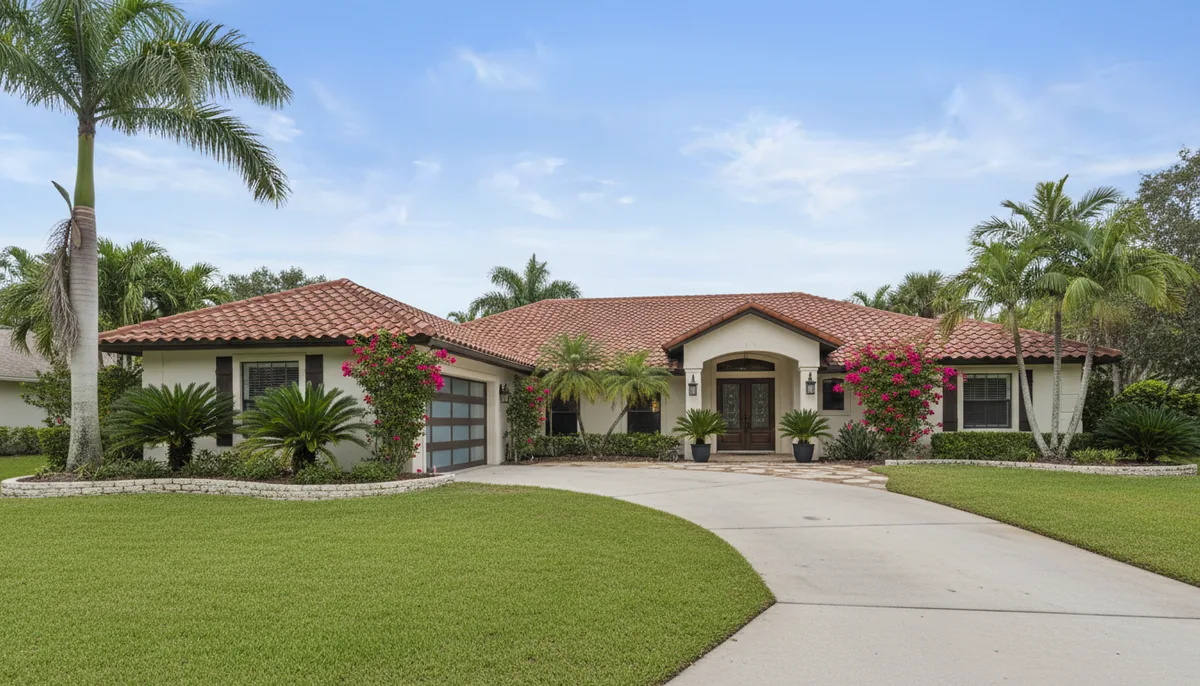
Roofing permit Florida: What Florida Homeowners Should Know
By Shelly Marchetti, Florida homeowner advocate. Reviewed by Hal Winstead, Editor, licensed roofing contractor. I spent a Thursday afternoon last spring in a client’s kitchen in Cape Coral, her roof already half-torn off, and the contractor she’d hired didn’t have a permit. He told her it wasn’t needed. He was wrong. We had to stop the work, get the city involved, and untangle a mess that cost her an extra month and alot of sleep. I see this at least once a season, and it’s almost always avoidable.
Most homeowners don’t realize that the permit is not just paperwork. It’s the only thing standing between you and a contractor who decides to skip the inspections that catch bad decking or sloppy flashing. When I help someone read a quote, the first thing I look for is the permit line. If it’s not there, I ask why. If you’re about to hire someone, you should be doing the same thing. You can start by checking the residential roofing companies in Florida directory, but the real work begins when you get their bids.
Let’s talk about the stuff that actualy matters. The permit rules are changing all the time. The insurance rules are changing too. And I have been wrong about this before, so I keep a notebook. You should of keep one too.
That license you keep hearing about
Florida roofing contractors are licensed by the Department of Business and Professional Regulation. That’s the DBPR. You’ll see two license prefixes there: CCC and RC. A certified contractor holds a CCC license and can work anywhere in the state. A registered contractor holds an RC license and can only work in the jurisdiction that licensed them. I have seen registered guys drive three counties over and act like they’re allowed to be there. They aren’t.
Before you hire anyone, go to the DBPR roll and check the license number is active. Not just valid. Active. The directory I work with verifies these against the DBPR roll, so it’s a decent starting point, but you should still look yourself. It takes two minutes.
What a permit actually does for you
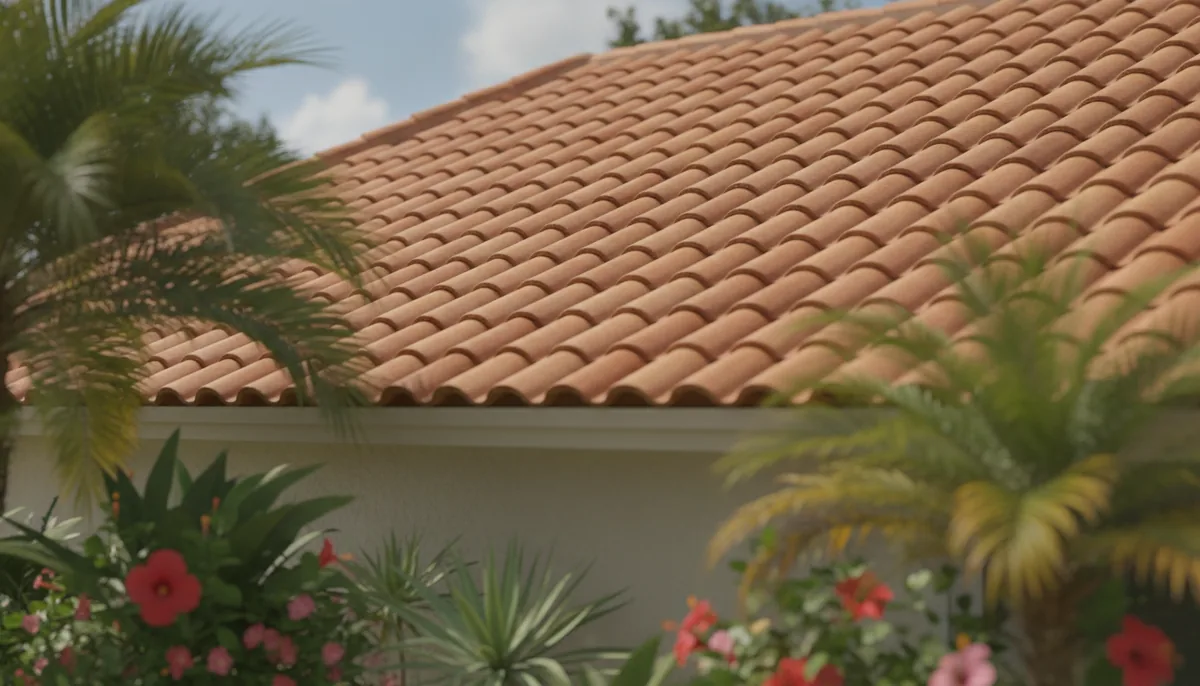
A roofing permit in Florida is your proof that the work is supposed to be inspected. The county or city will want to see the decking before the shingles go on, and they’ll check the finish at the end. That’s the whole point. Without those inspections, you’re just trusting someone’s word that the roof is done right. And I don’t know about you, but I’ve seen what happens when you trust a stranger’s word on a roof.
The funny thing is, people will fight me on this. I had a customer in Fort Myers tell me he didn’t want the permit because it would slow things down and cost extra. The roof failed within a year because the contractor didn’t replace the rotting decking under the new shingles. The inspection would have caught it. The permit cost him maybe a hundred bucks. The replacement cost him eighteen thousand. Call it a bad trade.
The 25% rule was gutted. Know which side you’re on.
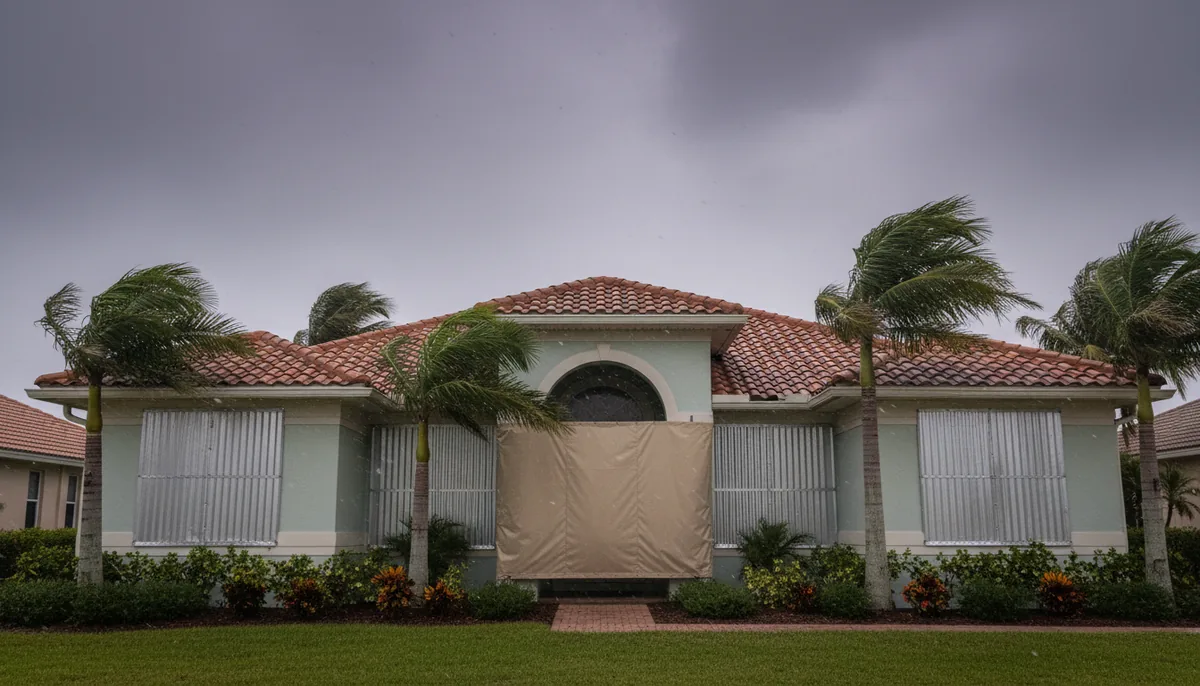
We used to have a clear rule in the Florida Building Code: if you repaired more than 25% of your roof in a twelve-month period, you had to bring the whole roof up to current code. That triggered a full replacement more often than you’d think. Homeowners used to get blindsided by it. Then SB 4-D (2022) changed the game.
If your roof was built, repaired, or replaced under the 2007 Florida Building Code or any later edition, you only have to bring the section you’re working on up to current code. The 2007 code took effect on March 1, 2009. Roofs completed before that date don’t get the benefit of the new rule. So if your house is from the 1990s and has an old roof, you might still be looking at a full replacement when you wanted a repair. Depends what is under there.
Your insurance clock is running right now
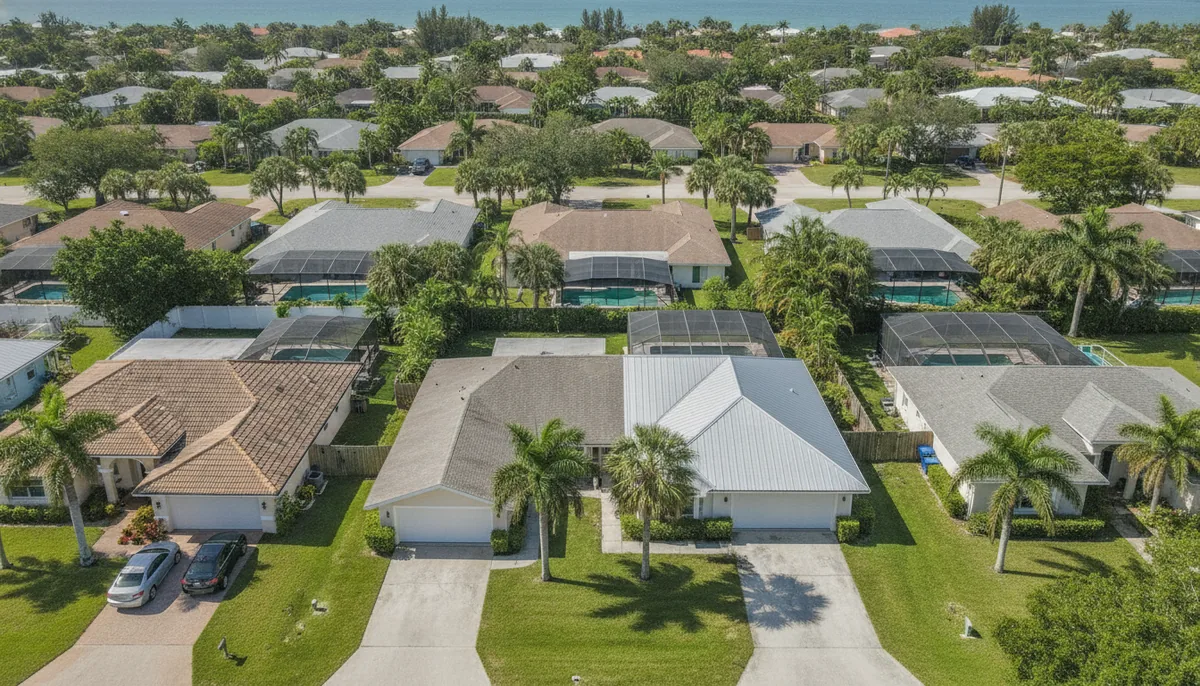
Here’s the one that gets people in real trouble. Under Florida Statute 627.70132, you have to give your insurer notice of an initial or reopened claim within one year of the date of loss. Notice of a supplemental claim? Eighteen months. Not three years anymore. They cut it down in 2022.
The clock starts running the day the damage happens, not the day you find it. That’s the part that trips everyone up. A leak starts in September, but you don’t notice the stain until March. By the time you call your insurance company, you might be past the deadline. Missing it gives the insurer a complete defense, even on a covered loss. I’m not a lawyer, but I have read enough denial letters to know that date matters more than almost anything else.
What I would actually do: The day you see any sign of roof damage, take a photo with your phone and email it to yourself. That creates a date stamp. Then call your insurer the same week. Don’t wait for the adjuster. Don’t wait for a second opinion. The clock is not your friend here.

Wind mitigation inspections pay for themselves
A wind mitigation inspection documents how your roof is actually put together. Roof covering, deck attachment, roof-to-wall connection, roof geometry, secondary water resistance, and opening protection. The standard form is OIR-B1-1802. Florida insurers have to offer premium discounts for qualifying features, and the discount usually outweighs what the inspection costs pretty quickly.
People ask me if it’s worth it. Look, I’ve seen inspections priced around the cost of a good dinner for two, and they’ve unlocked discounts that go on for years. Not every roof qualifies, and I can’t tell you what your policy will do because coverage varies by policy. Read your declarations page. But if you’re replacing your roof anyway, a wind mitigation inspection after the work is done is just smart money.
What I would actually do: Ask the roofer to install secondary water resistance while they’re up there. The material cost is modest compared to what it does for your premium. Then get the OIR-B1-1802 form filled out and send it to your insurer. Don’t assume the roofer will do it. You have to chase it.
If you can’t get private coverage
Citizens Property Insurance Corporation is the state-backed insurer of last resort for people who can’t find coverage in the private market. It exists for a reason. But you should not assume you’ll be there forever. Private carriers dip in and out of Florida like snowbirds. If you’re with Citizens, keep shopping the private market every renewal. You might get picked up by a takeout company. You might not. It depends on the year.
Help paying for hurricane hardening
The My Safe Florida Home program offers free wind mitigation inspections and matching grants for qualifying hurricane-hardening improvements. It’s a real thing. Homeowners who meet the criteria can get money back for work that makes their roof and openings stronger. Wether it’s open right now is another question. Funding gets appropriated per cycle and can run out. So don’t bank on it. Check whether the program is open, apply if you can, and if it’s closed, wait for the next cycle.
Questions I get asked
Do I really need a permit for a roof repair?
Yes, for most roof work in Florida. The threshold varies by jurisdiction, but if you’re replacing shingles or fixing decking, plan on pulling one. A roofer who tells you it’s unnecessary is telling you they don’t want inspections. That should worry you.
Can I pull the permit myself as the homeowner?
In some places, yes. But I don’t recomend it. When you pull the permit, you take on the responsibility for the work meeting code. If something goes wrong, the liability sits with you, not the contractor. Let the roofer pull it. It’s part of their job.
How long does it take to get a roofing permit in Florida?
It varies wildly. Some jurisdictions turn them around in a day or two. Others take a few weeks. The inspection scheduling also depends on how busy your area is. The honest answer is to ask your contractor what they’re seeing locally and get it in writing.
Will my insurance company drop me if I file a supplemental claim?
I can’t speak for your specific policy. Coverage and eligibility vary by company. What I can tell you is that the statute gives you eighteen months to file a supplemental claim, so if you find damage, don’t sit on it. The longer you wait, the harder it is to prove when the loss happened.
What’s the difference between a repair and a replacement for insurance purposes?
That’s a question for your adjuster, and the answer depends on your policy. Some policies cover repairs but not full replacement. Others trigger replacement on a partial claim because of building code requirements. Read your policy language and ask pointed questions before you sign anything.
Does the 25% rule still apply to me?
If your roof was built under the 2007 Florida Building Code or later, it doesn’t apply the way it used to. If your roof predates March 1, 2009, it might still trigger a full replacement. You need to find out what code your roof was built under before you start planning repairs. Your county building department keeps those records.
More from the site
- Roof insurance claim florida: What Florida Homeowners Should Know
- Florida building code roofing: What Florida Homeowners Should Know
- Roof age insurance florida: What Florida Homeowners Should Know
- Roof damage insurance lawyer florida: What Florida Homeowners Should Know
- Hurricane roof damage florida insurance: What Florida Homeowners Should Know