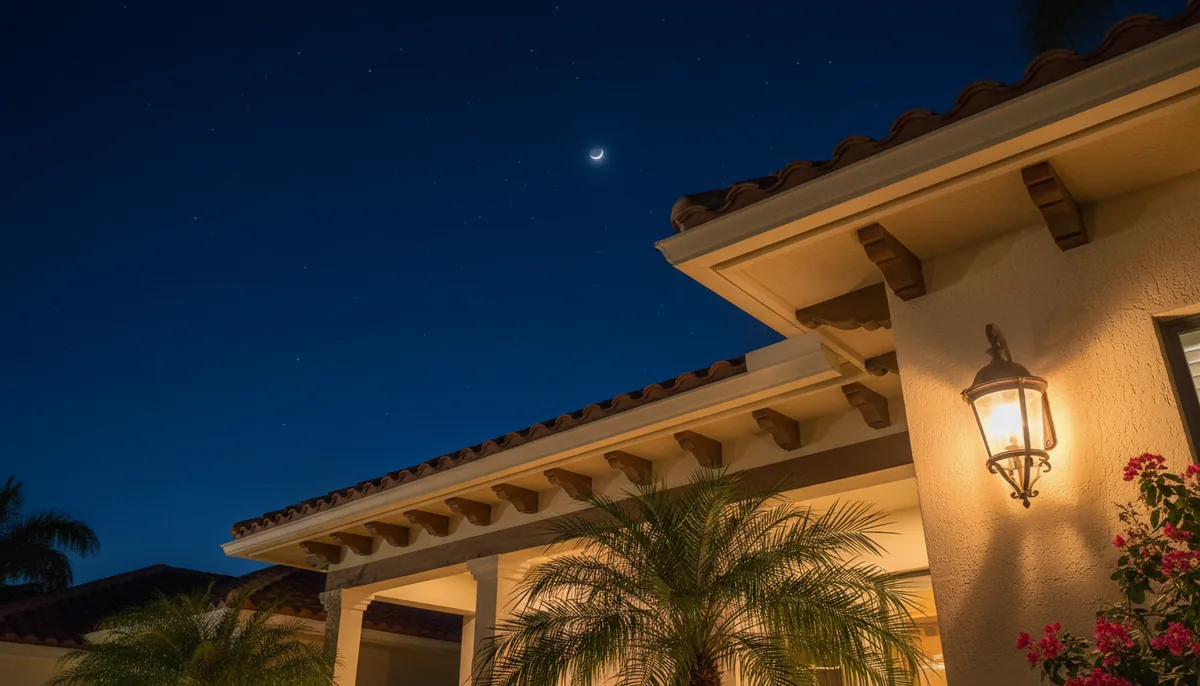
Roof rats Florida — What I Found in Attics Across Florida
By Bud Kettering, Roof consultant and inspector. Reviewed by Hal Winstead, Editor, licensed roofing contractor. I was on my knees in an Ocala attic, not quite three in the afternoon, when I heard the scamper. Not a squirrel. Squirrels sound heavier, like someone dropping a bag of potatoes. This was light, quick, a little too clever. I shined the torch toward the soffit angle and caught a tail disappearing behind the insulation. The homeowner had called it a "possum problem." I had news for him.
That was the first time I got a good look at a Florida roof rat in someone's insulation. It wasn't the last. Since then, I've crawled through enough attics from Pensacola to Key West to tell you this: if you hear scratching at dawn or dusk and you've got live oak touching your roofline, you're not dealing with a mouse. You're dealing with a climber that treats your soffit like a highway. And if you're hunting for a fix, you need the right kind of contractor to seal the place up proper. Start your search with a list of roofing companies in Florida that have a pulse on exclusion work, not just shingle replacement.
I'll tell you straight. The rat isn't the real problem. The gap is the problem.
It's not a mouse and it's not a squirrel
People send me pictures all the time. "Bud, is this a roof rat?" And I look at the photo and I can't always tell, because a blurry tail is a blurry tail. But when I'm in the attic and I see the droppings, I know. Roof rat droppings are shaped like little capsules, pointed at both ends, about the size of an olive pit. A mouse dropping is smaller. A squirrel dropping is bigger and blunter. The Florida roof rat is sleek, dark, and it's tail is longer than its whole body. That tail wraps around wires. They use it to balance on truss chords like tightrope walkers.
Rattus rattus didn't come from Florida. It came over on ships. But it has made itself at home here better than most tourists. It breeds year-round in our heat. You can call it a palm rat, a fruit rat, or a ship rat. Doesn't matter. If it's in your attic, it's a pest.
The truth about "roof rat Florida" damage
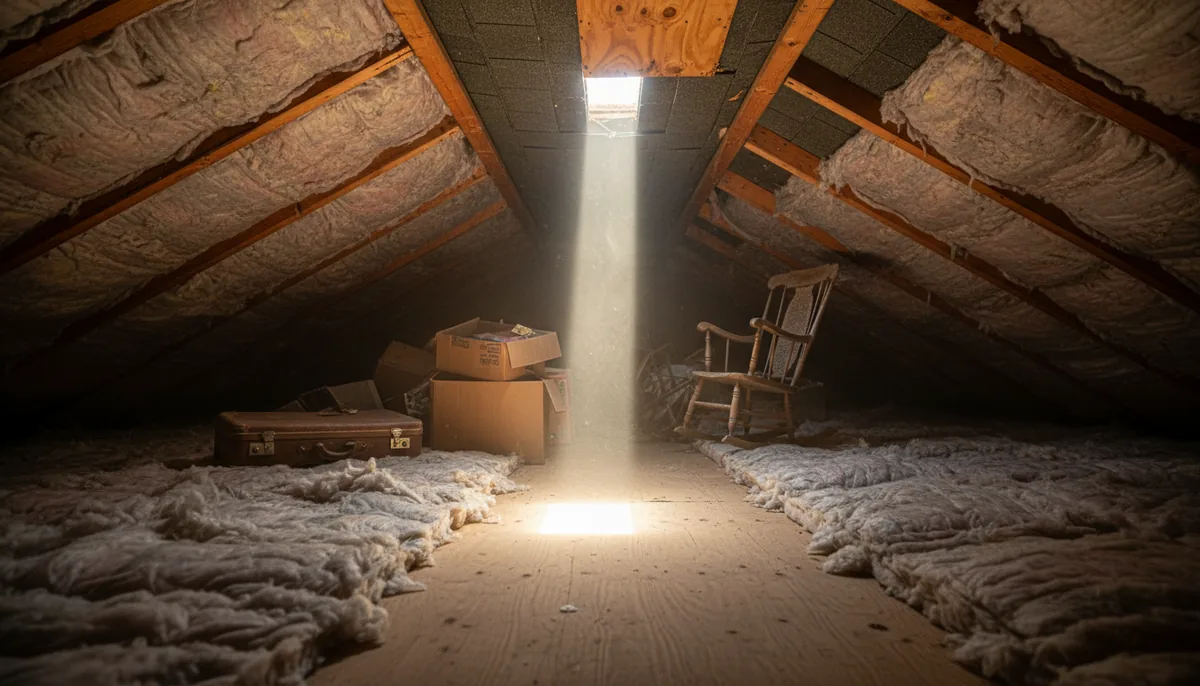
Here's what they do once they're up there. They nest in the insulation, flattening it out, leaving these little tunnels and runways you can see if you lift a bat. They chew. They are gnawing constantly because their teeth never stop growing. I've seen wires chewed down to the copper. I've seen AC line sets wrapped in that foam insulation gnawed clean through. That's a 500-dollar repair and it's the cheap outcome. A chewed electrical wire in a dry attic is how houses catch fire.
But the thing that surprises people is the pee. Roof rats don't have great bladder control. They mark their trails constantly. If you have a bad infestation, the insulation starts to smell like ammonia. You can smell it before you even stick your head through the scuttle hole. That soaked insulation loses its R-value. It's ruined. You're not just setting traps. You're going to be removing contaminated insulation and putting down fresh.
Let me take a side path here because it drives me nuts. I inspected a house in Tampa where the homeowner had placed poison bait blocks on the attic floor. The rats ignored them. Why? Because the bait blocks were sitting out in the open, and these rats have a food source that's way better—the neighbor's orange tree. Poison in the attic is a losing game. It also kills owls and hawks when they eat the sick rats. Don't do it. Exclusion and trapping. That's the job.
How the florida roof rat actually gets in
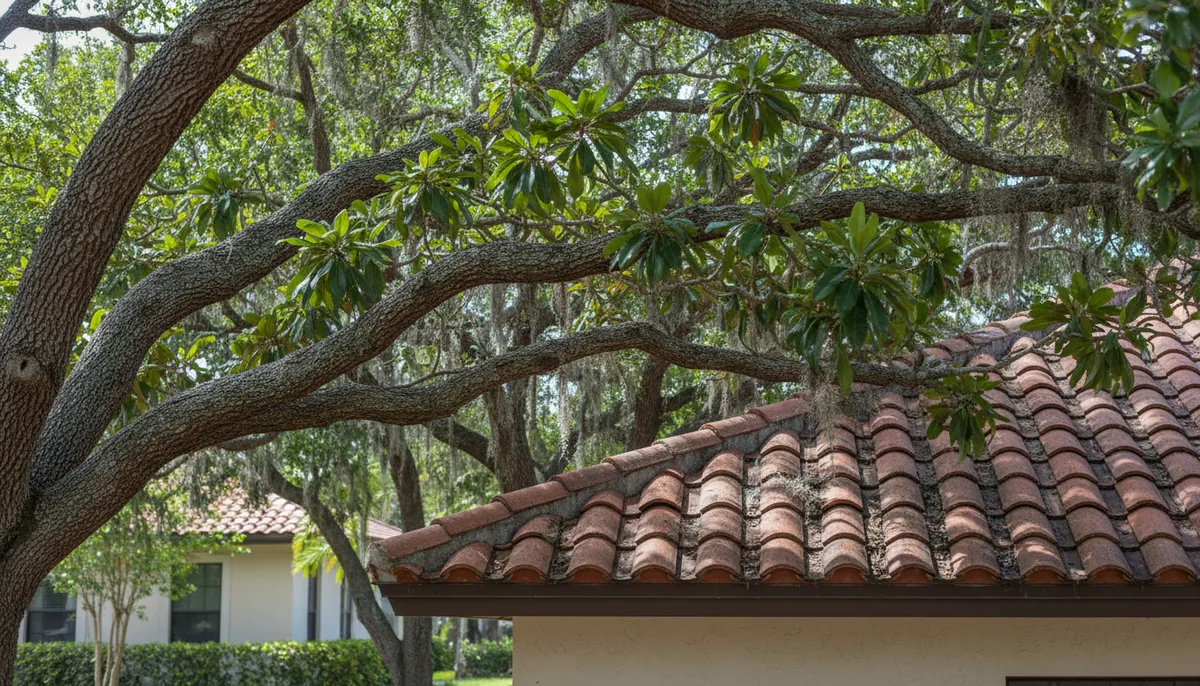
This is where I earn my fee. The roof rat is an athlete. If a branch is within four or five feet of the roofline, it will jump. It doesn't need a thick branch touching the shingle. Just a close jump onto the gutter, then up to the soffit. Once it's on the soffit, it looks for a gap the width of a nickel. That's not an exaggeration. A nickel. They can squeeze through a hole the size of a quarter comfortably. They are like liquid until they hit their head, and then they are gone.
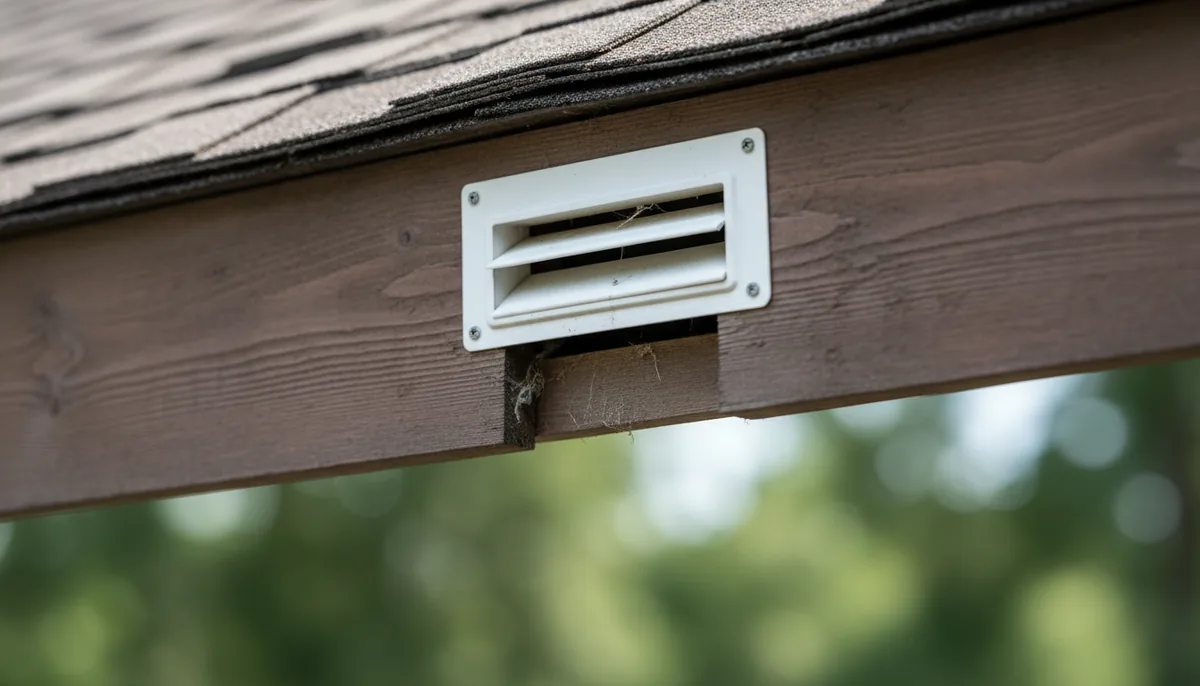
The usual entry points are the soffit vents. In Florida, we have those thin, louvered plastic vents. The rats chew through them or push them out. They also get in where the AC lines and electrical wires penetrate the wall. There's often a sloppy hole bored through the exterior wall and nobody ever seals it. The attic gable vents are another favorite, especially the ones with torn screening. And don't get me started on ridge vents. If the ridge vent isn't installed tight to the cap, or if a piece has blown off in a hurricane, that's a straight shot into the attic. It's an open door with a red carpet.
The durable fix is exclusion. I mean wire mesh, or metal flashing, or expanding foam with copper wool stuffed in. You seal every conceivable entry. Then you cut those overhanging limbs back a good six feet from the roofline. You have to trim the trees. If the trees touch the house, the rat lives in the tree and works the house. It's that simple.
What I would actually do: Walk the perimeter at dusk. Look for gaps at the eaves. Take a flashlight and look up. If you see light coming through a gap during the day, a rat can get in at night.
Roof rats in florida: what they ruin besides the attic
It's not just the electrical. I did an inspection in Fort Myers after a home sale fell through. The buyer's inspector flagged "possible vermin" in the attic. I went up there and found the rats had chewed through the main return duct. That's a flex duct, that big foil tube. Every time the AC kicked on, it was blowing air into the attic instead of the living room. The homeowner had been paying hundreds a month to air condition the trusses.
They also carry diseases. I'm not here to scare you, but they carry leptospirosis and salmonella. If you're cleanning up droppings, wear a respirator and gloves. Don't sweep it dry. Spray it with a bleach solution and mop it up. I've been wrong about this before, but I'd rather be cautious with rodent waste than sorry.
And the noise. People tell me they think they have ghosts. Scratching in the ceiling at 2 AM. Rolling noises like somebody dropped a marble. That's a roof rat running along your drywall ceiling, probably on the top plate, trying to get from the attic to the wall void. Once they get in the walls, they'll travel down to the floor joists and then into the kitchen. I had one in Naples that chewed through a dishwasher drain line. That's a plumbing disaster you don't want.
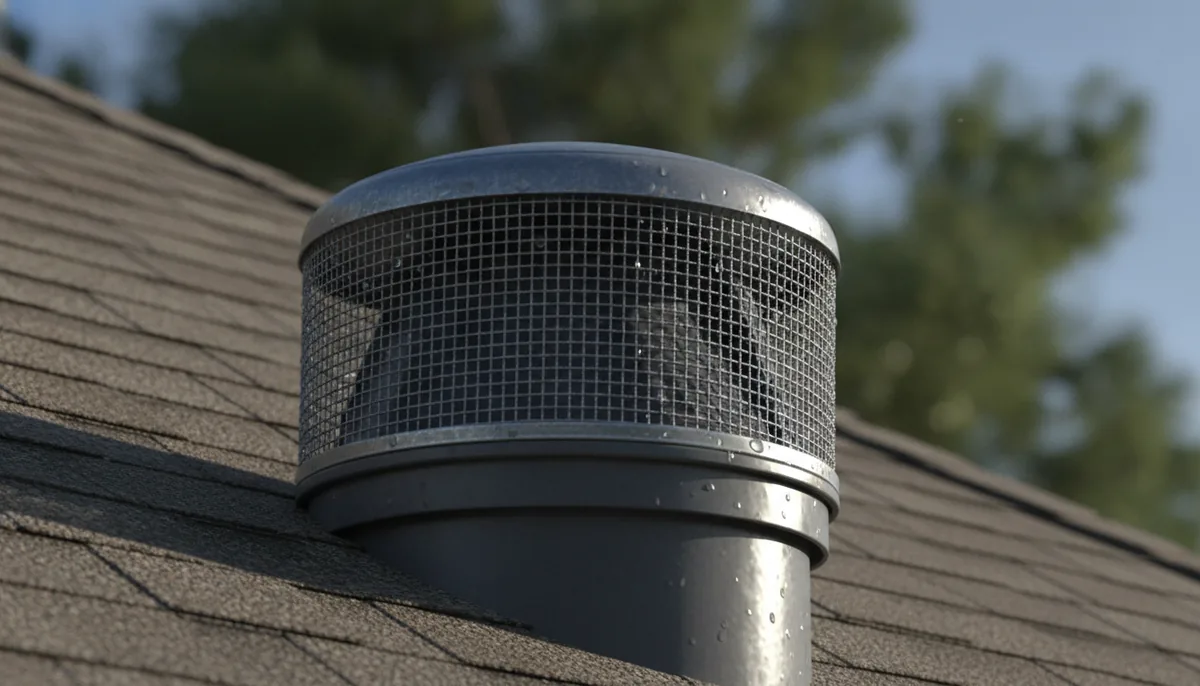
Exclusion works. Trapping alone doesn't.
If you call an exterminator and they just set snap traps and leave, you'll be calling them again. I see it all the time. The pest control guy traps a few, but the hole is still open. New rats move in from the same tree branch within a week. The rat is not the problem. The gap is the problem.
You have to trap to knock down the population, sure. I prefer the big plastic snap traps. You bait them with a piece of dried fruit or a nut. Peanut butter is okay, but they sometimes lick it off without tripping the trigger. A piece of date or a raisin works better. You glue the bait to the trigger. Set a bunch of them. But the permanent solution is the exclusion work.
This is where a general handyman sometimes gets in over their head. Sealing a roofline is roofing work. If you need soffit repair, fascia board replacement, or ridge vent work, you need someone who knows how to work at height safely and knows how to make it watertight. A handyman with a caulk gun is not the answer.
What I would actually do: Hire a company that understands pest exclusion. That's usually a combination of a roofer for the structure and an exterminator for the trapping. Get the roofer to seal it. Get the exterminator to clear it. Do both at the same time. If the roofer says "we don't need a permit," walk away.
The permitting catch nobody tells you about
I did an inspection on a house in Jacksonville last spring. The seller had just replaced the roof a year earlier. Looked fantastic from the curb. I got in the attic and saw the issue immediately. There were rat droppings on top of the new underlayment. Sounded weird, I know. But I saw the new decking, and there was old, torn underlayment on top of it, and rat droppings on that. What had happened was the contractor had laid new shingles over the old roof. A layover. No tear-off. That's legal in some places if the code allows it, but it traps heat and doesn't fix the ventilation. And the rats were still getting into the wall gap because the new shingles didn't seal the rake edge.
Here's the thing about a roof replacement in Florida. It requires a permit pulled from the local building department. And a permit means an inspection. An inspector is going to look at the decking, the underlayment, the flashing. They're going to catch a rotten soffit. If a contractor offers to skip the permit to save you time or money, be very carefull. An unpermitted roof can complicate an insurance claim and it can absolutely sink a future home sale. I see it on every other pre-listing inspection I do. The buyer's attorney asks for the permit records. There are none. The deal gets shaky.
The state has tightened this up too. Insurance companies are requiring roof inspections, and with laws like SB 4-D (2022) and Florida Statute 627.70132, the rules about what you have to do before you get coverage have changed. Policies vary, so you have to read your declarations page. But generally, insurers want to see a roof in good shape, and they want to know it was installed under a permit. If you can't prove it, some insurers will refuse to write the policy. Others will require a inspection by a licensed contractor. There's a form (OIR-B1-1802) that insurers use for roof claims, but that's a claims proccess thing. What you need to know is that the paper trail matters.
And if you have Citizens Property Insurance Corporation, they are especially picky about roof condition. And for the homestead exemption folks, the My Safe Florida Home program can give you a free inspection, but that's for wind mitigation, not rat damage. Still, free inspection is free inspection. Take it.
How to look for rat signs yourself
You don't need to crawl in the attic to see this. Get a good flashlight and go outside at dusk. Look at the roofline against the sky. You'll see dark shapes moving along the eaves. That's a rat, going from the tree to the roof. Look at your gutters. Roof rats run along the top of the gutter. They leave smudge marks, dirt and oil from their fur, along the gutter edge. Check the underside of the soffit for gnaw marks. Fresh gnaw marks are light wood-colored. Old ones are gray and dirty.
Inside the house, check the attic access panel. If you see dark grease marks around the edge of the scuttle hole, that's them squeezing through. Look on top of the water heater for droppings. They travel the plumbing pipes. Just check the attic. Wear a mask, and don't step between the trusses. You'll fall through the ceiling.
The cleanout and the money
Pricing a rat job depends on access. If you have a 4/12 roof with wide open attic space, it's easier. If you have a 9/12 roof with a 24-inch crawl space, it's harder. It depends on what I find under there. It's priced per square for the insulation removal, and per linear foot for the sealing. It varies hugely. I don't give quotes in this blog because every attic is a different kind of awful.
The thing is, you don't need to know the exact price. You need to know the process. The process has three parts. Exclude the building. Trap the interior. Remove the contaminated insulation. If someone tries to sell you just one of those, they're selling you a partial fix.
I've seen people spend thousands on fancy electronic repellent gadgets. Don't. I've seen people buy ultrasonic noise makers. The rats get used to it in a week. I've seen people put mothballs up there. That just makes your attic smell like mothballs and doesn't achieve anything except giving you a headache when you're up there.
Traps and exclusion. That's the game. Plus a little patience.
What to do with a dead rat problem
No, not the dead rat in the trap. The dead rat in the wall cavity. I get this call maybe twice a month. The homeowner has a terrible smell and they haven't found the source. It's a rat that died between the sheetrock and the siding. You can't get it out without cutting a hole. A lot of times, by the time you smell it, the rat is mostly dried out and the smell will fade in two weeks. But if it's in a hot wall cavity in July, the smell can last a month.
Cutting a hole is an option. I usually tell people to wait it out if they can't find it, unless it's underneath a bathroom exhaust fan, because then the smell gets pulled into the house. Just open a window and suffer.
Questions I get asked
How do I know if I have a roof rat or a regular rat?
The tail and the droppings. Roof rats have a tail longer than their body and pointed droppings. Norway rats, which are the other kind, have a tail shorter than their body and blunt droppings. Roof rats are also better climbers and are usually in the attic. Norway rats are usually in the crawlspace or the sewer.
Will a cat solve the problem?
A good mouser cat can catch a few, but they can't climb into your soffit. The cat is part of the solution at best. The cat will also kill lizards and birds, which I don't love. Don't rely on a cat. Seal the house.
Is this a roofer's job or an exterminator's job?
Both and neither. The roofer fixes the structure, the soffit, the vents. The exterminator handles the trapped population. But a specialized exclusion company can do both. If you call a roofer and they tell you they'll just replace the shingles and that'll scare the rats off, they're wrong. If you call an exterminator and they just set traps, they're wrong. You need both parts of the job.
Does my homeowners insurance cover roof rat damage?
This is not a question I can answer, because coverage varies by policy. I'm not a licensed adjuster. But I can tell you with certainty that you need to read your declarations page and talk to your agent. You are looking for anything about "vermin" or "rodents" or a "pest exclusion" clause. A lot of policies don't cover the damage because they consider it a maintenance issue. The wiring and the ductwork might be covered, but the cost to exclude the rats is often not. Read your policy before you file a claim, because a denial on your record isn't helpful.
What's the number one thing people do wrong?
They wait. They hear scratching and they say "It's probably just a bird." A bird isn't in your attic scratching every night. By the time you wait two weeks, the rats have shredded a duct and peed all over your insulation. The moment you hear it, go look. The longer you wait, the more expensive it gets.
Should I check for a permit before I hire a roofer?
Yes. Ask to see their license. In Florida, look for the DBPR licence prefixes CCC (that's a certified roofing contractor) and RC (registered). You can verify it against the state roll in a couple of minutes online. Ask if they will pull the permit. If they blink and say "we don't need one for this," your antennae should go up. If they say "we save you money by not pulling a permit," hang up the phone. That's not a roofer you want in your attic.
I'll tell you one more story before I go. I was in a Punta Gorda attic and I found a rat nest made entirely of fiberglass insulation and shredded dryer lint. Looked more comfortable than my first apartment. But the thing that got me was the rat had dragged a whole hamburger bun up there. From the trash can, through the dog door, up the wall, into the attic. That's a twelve-foot vertical climb with cargo. I got to give it credit, it was an impressive animal.
Just not one you want signing the lease.