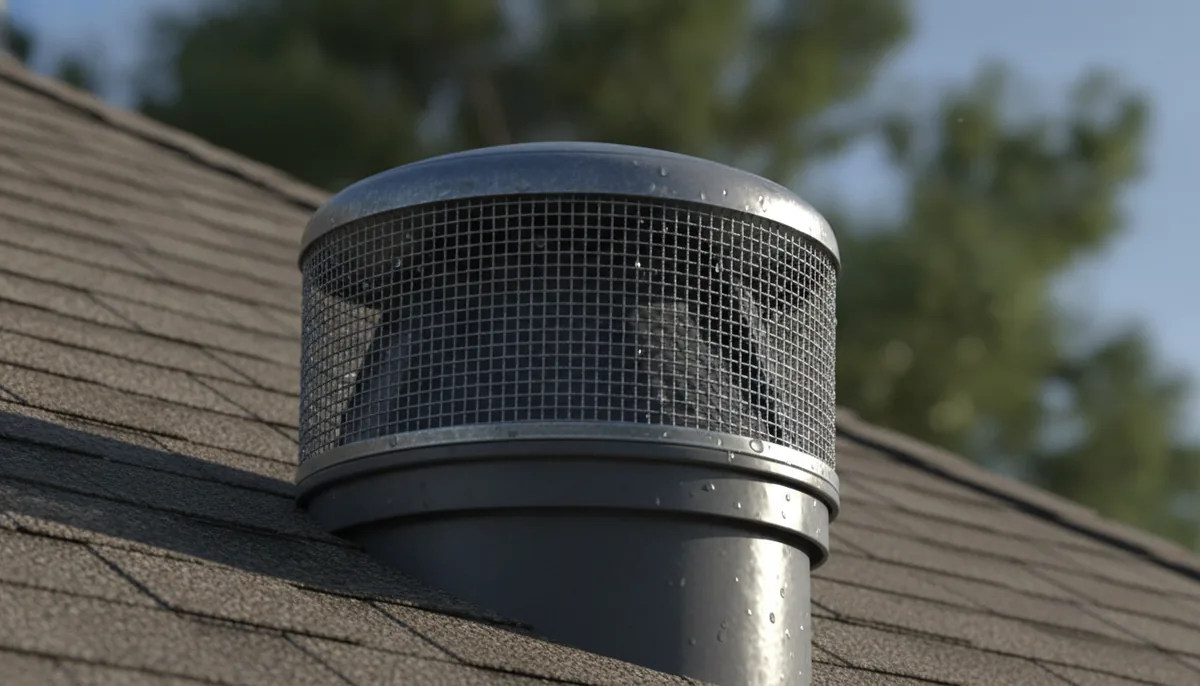
Roof rats Florida pictures — What I Found in Attics Across Florida
By Bud Kettering, Roof consultant and inspector. Reviewed by Hal Winstead, Editor, licensed roofing contractor. I was on my back in a Palm Coast attic last October, torch in one hand, and I'd just crawled past a truss when my knee came down on something that wasn't wood. It gave. Soft. I swung the light over and saw a nest built from what used to be somebody's attic insulation and half a dryer lint trap, and right next to my knee was a single turd. Not a roach dropping. A rat dropping, blunt on one end and pointed on the other, still dark and slightly greasy. I've seen this a thousand times, but it still gets me. That homeowner had no idea anything was living up there. He'd listed the house for sale, and the buyers' roofer found the soffit chewed out the week before. If you are looking for roof rats florida pictures because you suspect you have them, you aren't crazy. They're in nearly every mature neighborhood I work in, from the coast to the groves. You can start by matching what you're seeing against my own photos and notes below, but I'll tell you right now that pictures are just the begining. The real answer is finding every hole and sealing it, and if that sounds like a job for a pro, the roofing companies in Florida list is where I'd point you—not for trapping, but for the actual building work. You can compare roofing companies in Florida before you call anyone.
People ask me why I carry a torch into an attic instead of just walking the roof. The roof is the part you can see. The attic is where the secrets live. Roof rats are climbers, so they don't care about your crawlspace or your garage. They come in high. If you've got a tree branch touching the gutter, or a soffit vent that doesn't fit tight, or a ridge vent that's been chewed by a squirrel and then enlarged by a rat, you have a front door with a welcome mat. And they breed fast. Call it two litters a year, sometimes more in Florida because it's warm and there's always something to eat. They'll chew wires. I've opened junction boxes where the copper was stripped bare and the insulation was woven into a nest. They'll contaminate your insulation with urine that smells like ammonia on a hot day. And you won't know any of it until you go up there looking for something else, like the source of a leak, or an AC problem, or just a smell. That's how I find most of them. Not on a rat call. On a roof call.
I didn't climb up here to count turds
The first thing I tell any homeowner who emails me is this: don't trap. Trapping is fine for your garage if you've got one that's gotten in by accident. But with an established population in your attic, trapping alone is like bailing a boat with a thimble while the hole is still there. You kill the ones that are dumb enough to take the bait. The rest stay. And the babies keep coming. You have to remove the food source if you can, cut the tree limbs back three feet from the roofline, and then seal every possible entry point bigger than a quarter. Roof rats can squeeze through a hole the size of a coin because their skulls are narrow. I've seen them get through a gap in a soffit that looked like it was just a bad fit. It wasn't a bad fit. It was a door.
You also have to know who you're dealing with. Roof rats are sleek and dark, with a tail longer than their body, and they're acrobatic. Norway rats are chunkier, more ground-dwelling, and they're the ones you'll find in a crawlspace, not up high. When a homeowner sends me roof rats florida pictures and asks "is this a mouse or a rat?" the tail is the giveaway. A mouse's tail is thin and scaly-looking. A roof rat's tail is almost as long as the body and smoother. The droppings are the other clue. Mouse droppings are like grains of rice. Roof rat droppings are bigger, more like a raisin, and they tend to pile up in one place—a feeding spot or near a nest.
What I actually find when I open the attic door
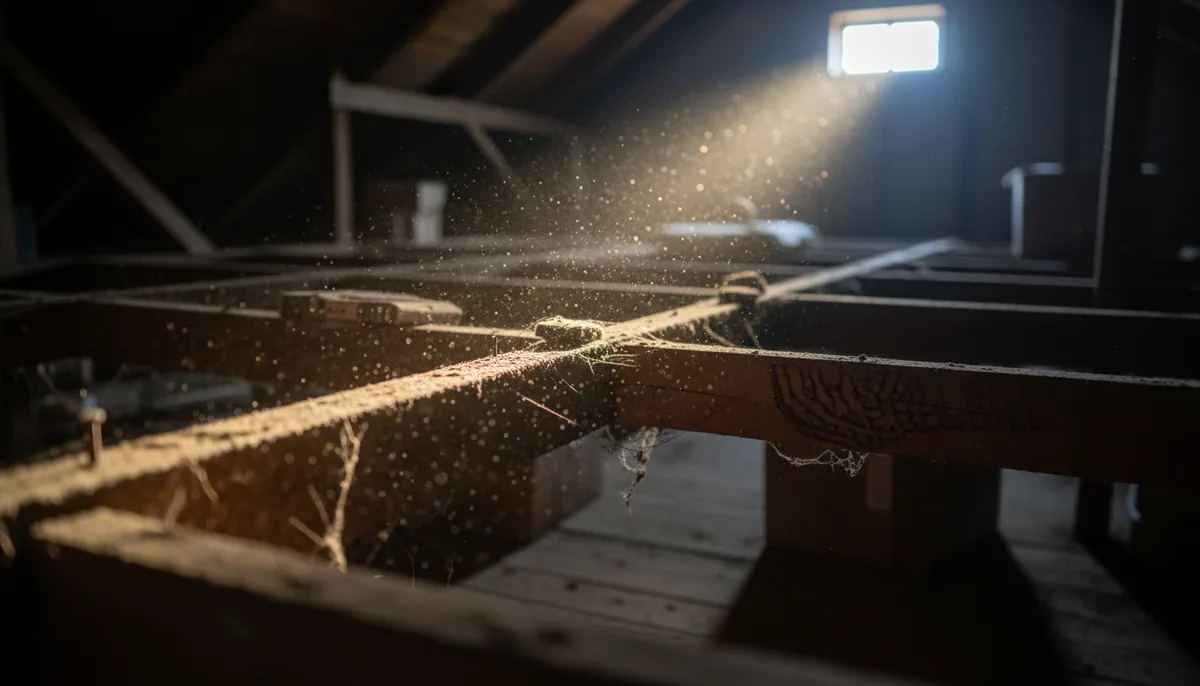
Let me walk you through a typical find. I use a moisture meter to check for leak damage because where there's a leak, there's often a hole, and where there's a hole, there's a rat. But when I swing the torch around, I'm looking for four things. First, the droppings. Trails of them along the top of the ductwork or the underside of the roof deck. Second, the gnaw marks. Rats have to keep their teeth worn down, so they chew on wood, wiring, and even PVC pipe. The marks are distinctive—two parallel grooves where the front teeth scraped. Third, the nests. Made of shredded paper, insulation, and plastic, and they smell faintly of urine. Fourth, the runways. Greasy rub marks along the rafters where the rats have traveled the same path so many times their body oil has stained the wood.
What I would actually do: If you've found a nest but no obvious entry hole, get up there with a bright light and look for a smear of dirt or a faint gray rub mark leading to a corner or a vent. That's your entry point. Then call someone like a licensed pest control operator for the active removal, and a roofer for the permanent exclusion work. They are not the same job.
The pictures I take for my reports are not pretty. But they're honest. A grainy photo of a chewed wire harness on a brand new AC unit tells a better story than any written description. A video of a rat running along a truss at dusk tells the homeowner exactly why they can't just "set a few traps and see what happens." I've been doing this long enough to know that people need to see it to beleive it. I'll send them the photos. I'll mark the entry points with spray chalk from the outside. And then I'll give them the bad news about the repair.

The roof has to come off sometimes, and that's where the permits get real
When rats chew through wiring, they don't always cause a short. But when they chew through the underlayment, or they get into a low spot and water backs up, you end up with a wet deck. And a wet deck leads to rot, and rot leads to a roof replacement. I can't tell you how many times I've walked a roof with a homeowner who says, "I just replaced this five years ago," and I find the decking is soft in one spot because the rats have been living under the edge of a shingle that was never nailed down right. That's not a roof defect. That's a rat problem that became a roof problem and then became a financial problem.
Now, if you're in Florida and you're doing a roof replacement, the law is simple: you pull a permit from your local building department, and you get an inspection. If a contractor offers to skip the permit, walk away. I know it sounds like a way to save money, but it's not. An unpermitted roof will complicate an insurance claim something fierce, and it will absolutely come up when you sell the house. The buyer's inspector will pull the county records, see no permit, and suddenly your sale is contingent on a retro-inspection or a discount. I've seen it happen. The contractor needs to be licensed, and you can verify that against the DBPR roll—they'll have a prefix of CCC for a roofing contractor or RC for a roofing contractor, depending on the type. Don't take their word for it. Look it up.
What I would actually do: If a roof rat has chewed a hole through your roof deck and into the attic, do not just patch it from the outside. Go inside, and with a bright light, look at the decking around the hole. If the wood is wet or dark, it's compromised. Mark it for the roofer. Tell them you want that deck replaced, not just the shingle over it replaced. You'll pay for a square of plywood instead of a whole roof, because you caught it early. I of been wrong about this before, but I've rarely been wrong about roof rats finding the weakest spot on a roof. They know. They always know.
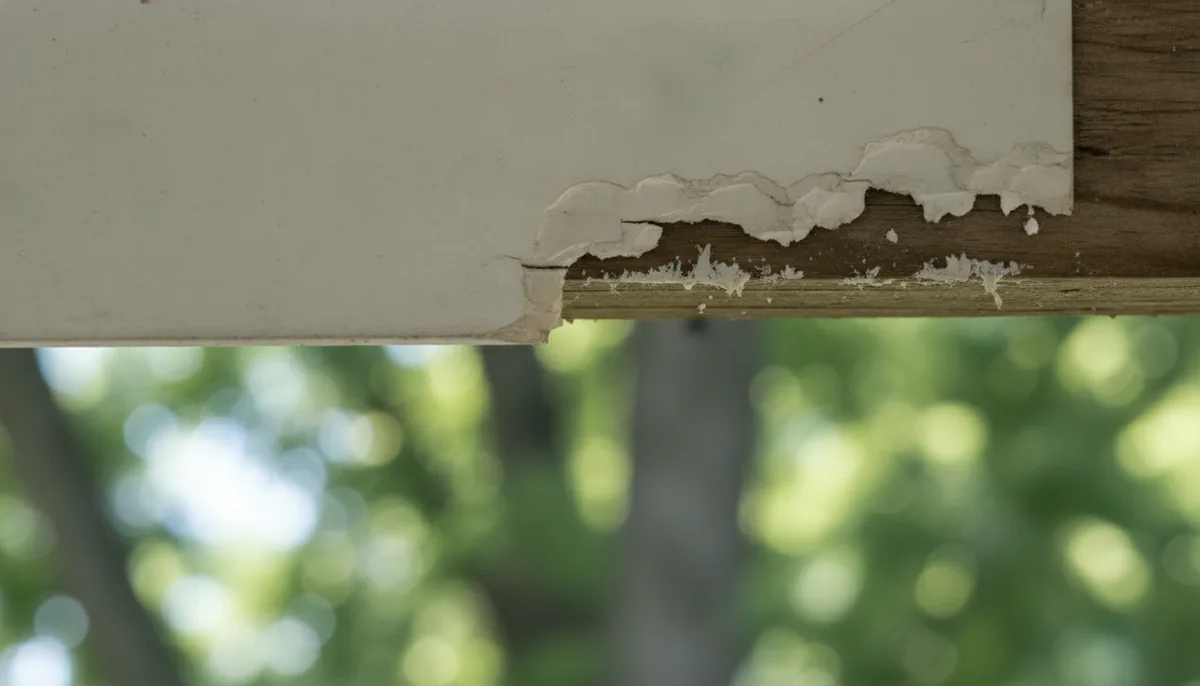
What insurance does and doesn't care about
This is where I have to be clear: I am not a licensed adjuster, and I don't play one on the phone. But I have been in the attic when the adjuster was there, and I can tell you the conversation doesn't go the way homeowners expect. Rodent damage is almost universally excluded from standard homeowners policies. They call it vermin, or pest, or animal. The policy language varies, so you need to read your own declarations page and your policy exclusions to be sure. A roof leak from a storm is one thing. A roof hole chewed by a rat is another. The difference is cause.
If the rat chewed a wire and that wire sparked a fire, that's a different claim than a chewed wire that just stopped working. If the rat chewed a hole in the roof deck and rain came in, the rain damage might be covered, but the hole caused by the rat isn't then fixed by the insurance company. They'll pay for the water damage, minus your deductible, and leave the rat hole for you. That's when you call a roofer. That's also when you find out if the roof itself was installed properly in the first place. Florida Statute 627.70132 has all sorts of rules about assignment of benefits, and if you sign one of those, you need to know what you're signing. The DBPR regulates the contractors. The insurance companies have their own forms. I stay in my lane. I tell people to get the roof inspected, get the rat proofing done, and then call their agent before they need to call their agent.
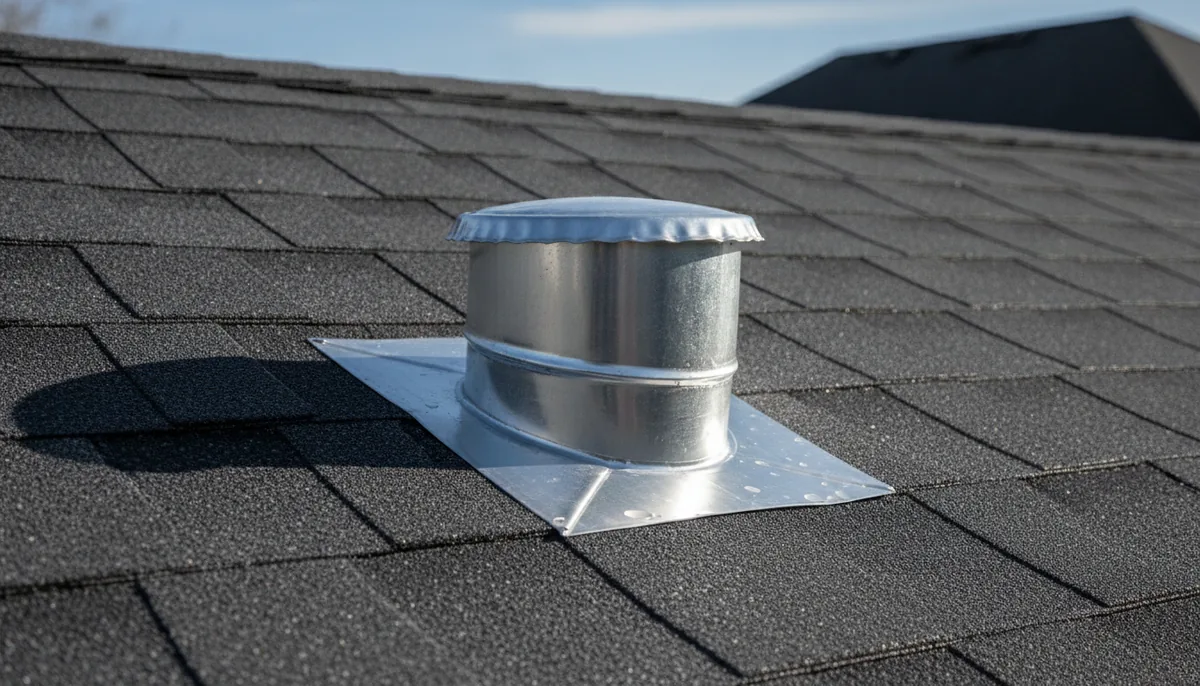
Why the fix is always exclusion, not poison
I have a standing gripe with poison bait in attics. Roof rats die somewhere, and alot of the time "somewhere" is inside your wall cavity or under your insulation. Then you get a smell, and a fly problem, and you have to cut a hole in your drywall to get the corpse out. Exclusion fixes the problem without the corpse hunt. You seal the holes. You trim the trees. You set up a one-way door so the rats inside can get out but nothing new gets in. Then you wait a couple of weeks, and you seal the last point. That's the right sequence. If you poison first, they die in the attic and you're back to square one with a shovel and a trash bag.
I had a customer in Fort Myers once who told me he didn't need to trim the oak branch because "the rats would rather stay in the tree than come in the house." I put the torch away and just looked at him for a second. I didn't need to argue. The droppings under his kitchen sink said enough. Rats go where the food is. Your attic has warmth, shelter, and a direct line to the trash can if you leave the garage door cracked. The tree branch is just the bridge. Cut the bridge.
Questions I get asked
How do I know if it's a roof rat and not a squirrel?
Roof rats are active at night. Squirrels are active during the day. If you hear scratching in the attic at 2 a.m., it's a rat or a mouse. If you hear it at 7 a.m., it's likely a squirrel. Droppings are the other giveaway, and roof rats florida pictures can help you match the shape—pointed ends, dark color, and about a quarter of an inch long.
Will a rat gnaw through my ductwork?
Yes. I've seen flex duct chewed open like a breakfast cereal box. They do it for nesting material and because the insulation feels good to shred. It's not just a leak problem. A chew hole in your return duct means you're pulling attic air into your living space—dust, insulation fibers, and rodent dander. You have to fix the duct, not just tape it.
How do they get in if I don't see a hole?
They get in at the roof-to-wall intersections, the rake edges, and through the gable vents. They'll also squeeze under a loose ridge cap. You won't see the hole from the ground, and you won't see it from the attic if it's covered by insulation. Look for the rub marks on the rafters, then trace them back to the exterior. That's your hole.
Is it worth hiring a roofer for a small entry point?
Yes, if the hole is in the roof deck or the soffit. A pest control company can seal a hole at ground level, but a roofer is who you need for a repair up at the roofline. They'll have the proper materials and the knowledge to flash it correctly. A diy patch with spray foam will not stop a determined rat. They'll chew right through it.
What about the new construction around me?
New houses are not immune. I've inspected brand new attics off of I-75 and found rat sign within a month of the certificate of occupancy. Construction leaves gaps around the plumbing vents and the AC line sets that are never sealed. The rats find them before the homeowner does.
Do I have to tell the buyer if I know about the rats?
If you're selling a house and you know there's an active rat infestation, that's a defect you're required to disclose in most cases. The law on this is tied up in the sales contract and the seller's disclosure form, not the building code. Talk to your real estate attorney. Do not lie on the disclosure. Do not assume the buyer won't find out, because I will crawl up there with my torch and find it. I promise you I will.