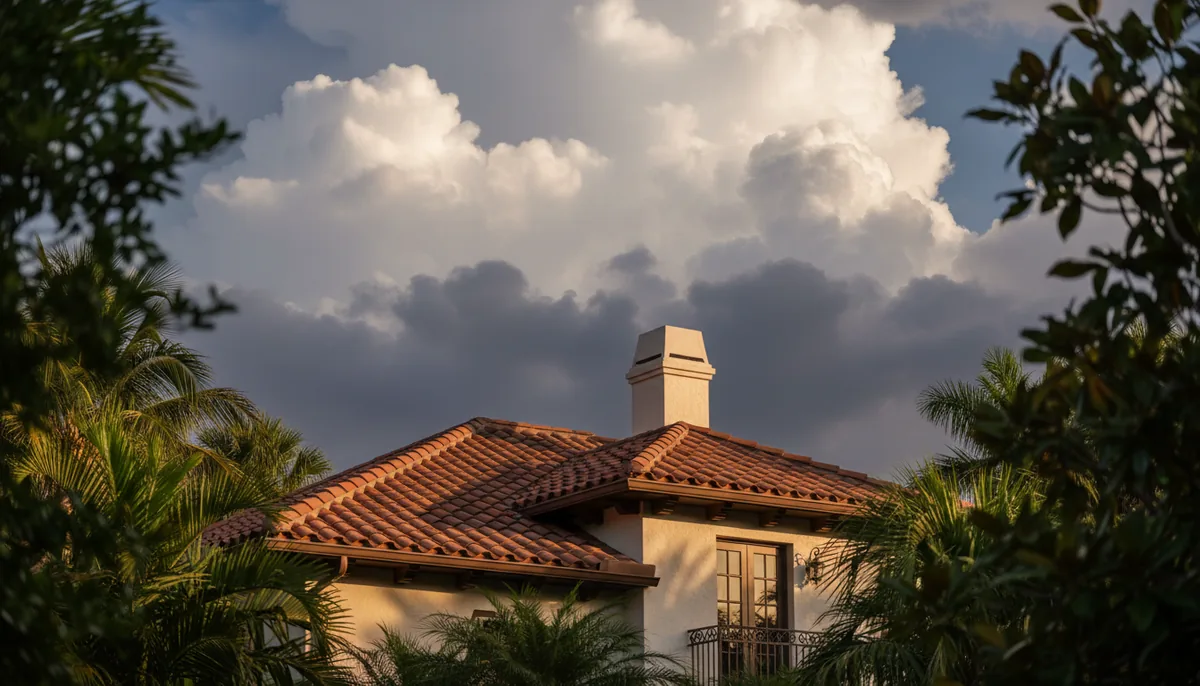
Roof repair south Florida: The Florida Guide
By Dale Prescott, Roofing contractor, Central Florida. Reviewed by Hal Winstead, Editor, licensed roofing contractor. I remember a flat afternoon in Daytona Beach, about eight years back. We were stripping a barrel tile roof off a ranch house near the Halifax River, and the homeowner had asked us to be carefull with the old mortar because he wanted to salvage the tiles for a garden path. The sky was that weird greenish gray you get before a tropical wave rolls through. We got the tile off and found the real problem: the plywood deck underneath was so rotten from a decades-old leak that I put my boot clean through a sheet. That’s when the job doubled. It always does.
That’s the thing about roof repair south florida. You never know what you are really dealing with until the cover is off. I've been wrong about this before, and I'm going to be wrong again. What I do know is how to tell you what to look for before you hire somebody, and what to ask when the estimate comes in. If you are starting from scratch, the first place to look is a list of roof repair companies in Florida, but a list won't save you from a bad hire. You have to do the homework yourself.
Let's get one thing straight. The roof is your house's first line of defense, and in this state, it is also a legal instrument. There are permits, inspections, insurance forms, and code cycles. I have seen good people get burned by a smooth-talking crew from out of state, and I have seen smart homeowners save thousands by asking the right three questions. My goal here is to give you those questions. No nonsense, no scare tactics—just the stuff I have learned swinging a hammer on roofs between Orlando and the coast for over two decades.
The first thing I do is check the licence
The State of Florida regulates roofers through the Department of Business and Professional Regulation—that’s the DBPR. You will see two kinds of licences. A certified contractor has a licence that starts with the letters CCC. That means they are allowed to work anywhere in the state. A registered contractor has a licence that starts with RC, and that only lets them work in the specific local jurisdiction that issued it.
Before you let anybody set a ladder on your driveway, ask to see their licence. Get the number. Then go pull it up on the DBPR website. You are checking that the licence is active, that it belongs to the person standing in front of you, and that there is no disciplinary history that scares you off. I have had my licence for more than twenty years, and I would still tell you to verify mine. It takes two minutes.
The other thing I check is wether they have a local physical address. Somebody operating out of a van with an out-of-state tag and a generic company name? Call it a gut check, but I’d pass.
The permit is half the job
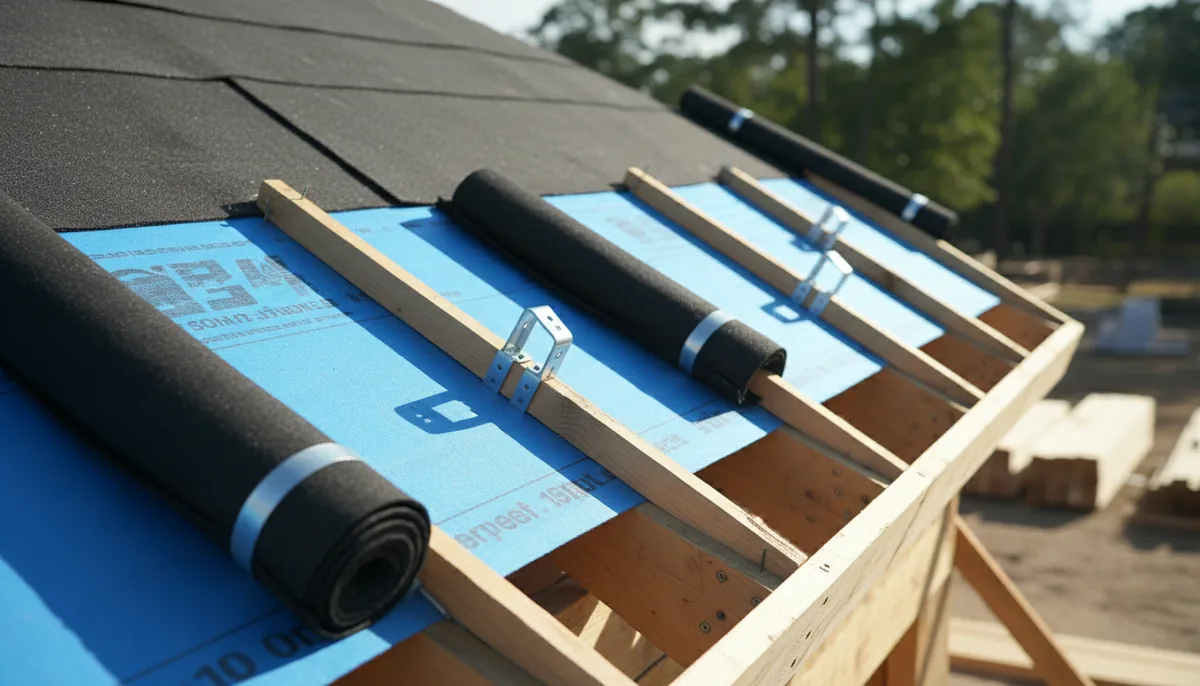
A roof replacement in Florida requires a permit from your local building department. That means paperwork, a fee, and an inspection after the work is done. There is no way around it. If a contractor tells you they can skip the permit to save you time or money, that is your cue to show them the door. Run, actually.
Why does this matter so much? First, an unpermitted roof can be a nightmare for an insurance claim later. If you have a leak and the adjuster notes the roof was never inspected, you might have a fight on your hands. Second, when you sell your house, the buyer's title company will likely ask about permits. An unpermitted roof can stall a closing or force you to discount the house. And third, the inspection is a safety net. A good inspector catches things I might have missed in a long week. Nobody is perfect.
I pull permits on every single job. It is part of the cost. If a contractor balks at it, they're probably planning to cut corners somewhere else.
The 25% rule changed—and here is what it actually means
Everyone in Florida had heard of the 25% rule. It was in the Florida Building Code, and it used to say you could not repair or replace more than 25% of your roof in any 12-month period without bringing the entire roof up to current code. That had a big effect when you had a section of old tile that was failing. You could just patch it, because a full replacement was a huge financial hit.
That changed with a new state law called SB 4-D, which took effect in May 2022. The law is now based on what code cycle your roof was originally built under. If your roof was built, repaired, or replaced under the 2007 Florida Building Code or any later edition, then only the section being worked on needs to meet the current code. It doesn't trigger a whole-roof replacement anymore. The 2007 code took effect in March 2009, so roofs completed before that date generally don't qualify for this break.
I have to be honest with you: this gets confusing even for contractors. The old rule was simpler. Now, I keep a note in my truck with the dates. If you have an older roof, say from the 90s, and you live in one of the more hurricane-prone counties, replacing more than 25% of it may still drag the whole thing into a code-compliance conversation. You need a qualified roofer to look at your specific situation and tell you what the building official in your town is enforcing.
What I would actually do: Call your local building department and ask them directly how they are applying SB 4-D to roof repairs in your area. They are the ones who will sign off on the permit. Whatever they tell you is the ground truth.
The insurance beast and the wind mitigation inspection
This is the part where I mention Citizens Property Insurance Corporation, because they have changed how alot of us think about roofs and policies in this state. I am not a lawyer or an insurance adjuster, and I am not going to tell you what your specific policy covers. You need to read your own declarations page for that. What I can tell you is how the wind mitigation inspection fits into the picture.
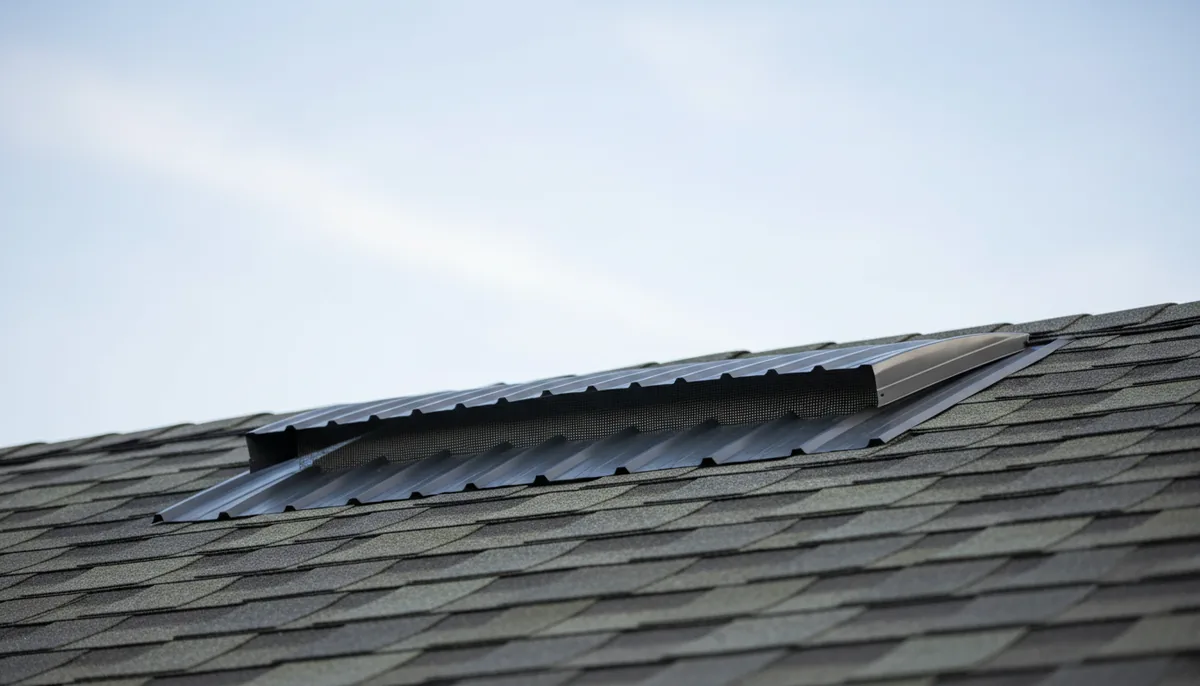
A wind mitigation inspection is a formal checklist of your roof's ability to survive high winds. It looks at things like how your roof covering is attached, how the deck is nailed down, how the roof connects to the walls, the overall shape of the roof, whether there is secondary waterproofing under the shingles, and what kind of protection you have on your openings. The inspector fills out a standard form, which is called form OIR-B1-1802.
Here is the good news: Florida law requires insurance companies to offer premium discounts for qualifying features. If the inspection reveals your roof has things like a strong deck attachment or hurricane straps, you could be eligible for a discount on your windstorm coverage. The inspection usually costs far less than what the annual discount can save you. It is worth asking your agent about.
Would I do one before buying a house? Absolutely. Half the price of a new roof is reassurance, and the other half is the actual shingles.
Let's talk about price, because nobody wants to
I do not know what a roof costs this week. Prices for materials and labor swing like a screen door in a stiff breeze. I have seen the price of plywood double in a season. What I can tell you is that roof repair south florida work is priced per square—that is a 10-foot by 10-foot area, or 100 square feet. The final price depends on the steepness of your roof, how many layers we have to tear off, the type of shingle or tile you choose, and how hard it is to get materials up there.
Depends what is under there, too. Is the deck rotten? Are the rafters sound? I have opened up a roof and found termite damage, and I have opened up a roof and found a family of raccoons living in style. It depends.
Absolutely never hire the guy who gives you a firm, lowball bid over the phone without coming to look. A real estimate involves getting on the roof or at least getting a good look from a ladder with binoculars. If it sounds too cheap, it usually is.
A quick gripe about the weather
I’d like to shake the hand of whoever invented the camera drone. It used to be I had to lean a 40-foot ladder against a slick gutter just to get a view of a tricky valley. Now I can hover a drone over the ridge while staying on solid ground. You can even use one to document hail damage for an insurance claim. Just make sure you don't break the FAA rules. I don't need a fine because the homeowner wanted a close-up of a tile at 200 feet.
Questions I get asked
Is it better to repair or replace after a storm?
Depends on what is under there. If the deck is wet but solid, and the shingles are just peeled back, a repair can get you by. If the deck is spongy or the leak has spread halfway across the house, you are putting lipstick on a pig. I would fix the leak first, dry it out, then assess. Don't let a storm chaser talk you into a whole roof you don't need yet.
How long does a tile roof last?
A concrete tile can last fifty years give or take, but the felt and the flashing underneath will not. Tile is the covering; your real roof is the deck and the waterproofing. I have been on tile roofs that were ten years old and failing because the underlayment was cheap. The tile is only half the story.
What I would actually do: If an adjuster or public adjuster is involved, never let them sign off on the final repair until the roofing contractor has redone their walkthrough with you. Get it in writing that the repair is complete to your satisfaction.
What is the My Safe Florida Home program?
That is a state-run program that helps homeowners with hurricane mitigation. The details change often, so you have to check the official website yourself. The general idea is they can help you fortify your roof against storms, and sometimes provide a grant to help offset the cost of improvements like upgrading your roof deck attachment. It’s a real resource in this state, but you have to be careful about scammers trying to mimic it.
What are signs I need a new roof?
Curling or cupping shingles, a sagging deck, granules in the gutters, and light coming through the attic are all bad signs. But the biggest one is water stains on your ceiling. A small leak is a small leak until it is not.
Do I need to be home for the permitting inspection?
You don't have to be, but I like my customers to be there if they can. It is a good chance for you to walk the site with the inspector and ask direct questions about the work. You will learn more in that ten-minute conversation than an hour of reading blogs. And yes, that was a hint about what you can do next.
Can I clean my own roof?
You can, but be careful. Power washing a shingle roof is a great way to strip the granules off and shorten it's life. If you have tile, use a soft wash method and never pressure wash the tile itself, you can force water up under the laps. I have seen more damage from well-meaning cleanning than from storms. Hire a guy who knows what he is doing with chemicals, not a pressure washer.