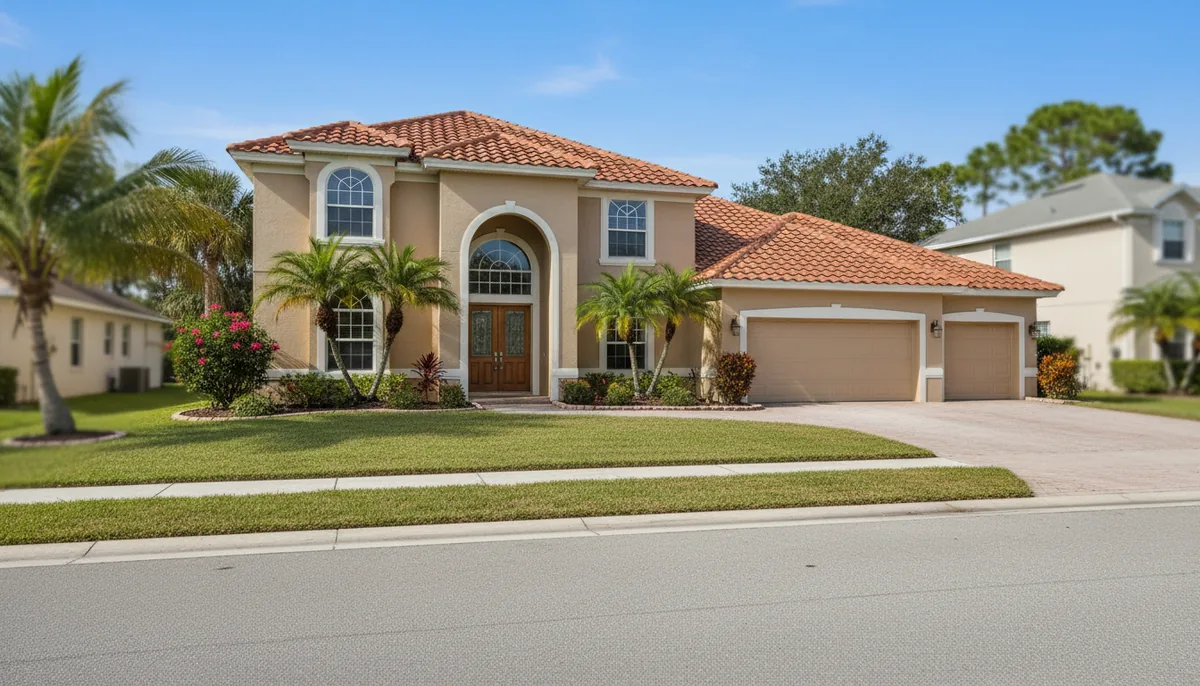
Metal roof installation Florida: The Florida Guide
By Marcy Doleman, Commercial roofing estimator. Reviewed by Hal Winstead, Editor, licensed roofing contractor.
On a humid late afternoon in Tallahassee, I stood on a warehouse roof and watched a puddle form over a screw that had been driven too deep in a brand-new metal panel. The metal was fine. The fastener gasket was split, water found the same low point every time it rained, and it was all because somebody treated a metal roof like a tin shed. Before I price a single square, I send owners to the metal roofing companies in Florida list, because with metal, who does the work matters more than the panel.
My name's Marcy Doleman, and I estimate flat and low-slope commercial work across the state. Warehouses, retail plazas, schools—TPO, modified bitumen, coatings, and often enough, metal roofs that are trying to solve a low-slope problem. I've been wrong about this before, so I walk every roof like it can still surprise me. In Florida it almost always can.
Metal roof installation in Florida is not a single product decision. It's a license check, a permit decision, an insurance question, and a set of edge details all stacked on top of each other. Here's how I actually think about it.
Metal roof installation in Florida starts with a license check
Florida roofing contractors are licensed by the Department of Business and Professional Regulation, or DBPR. The prefix tells you alot. A certified roofing contractor's license starts with CCC, and those folks may work anywhere in the state. A registered roofing contractor's license starts with RC, and that license only works in the local jurisdiction that issued it.
I always verify the number is active against the DBPR roll before I recomend anybody. You should of too. It takes two minutes, and it catches more problems than you'd think. An RC holder doing commercial metal work across the county line is working outside their license. The work can still be fine. That doesn't make the license issue fine.
Permits, patches, and why the 25% rule changed
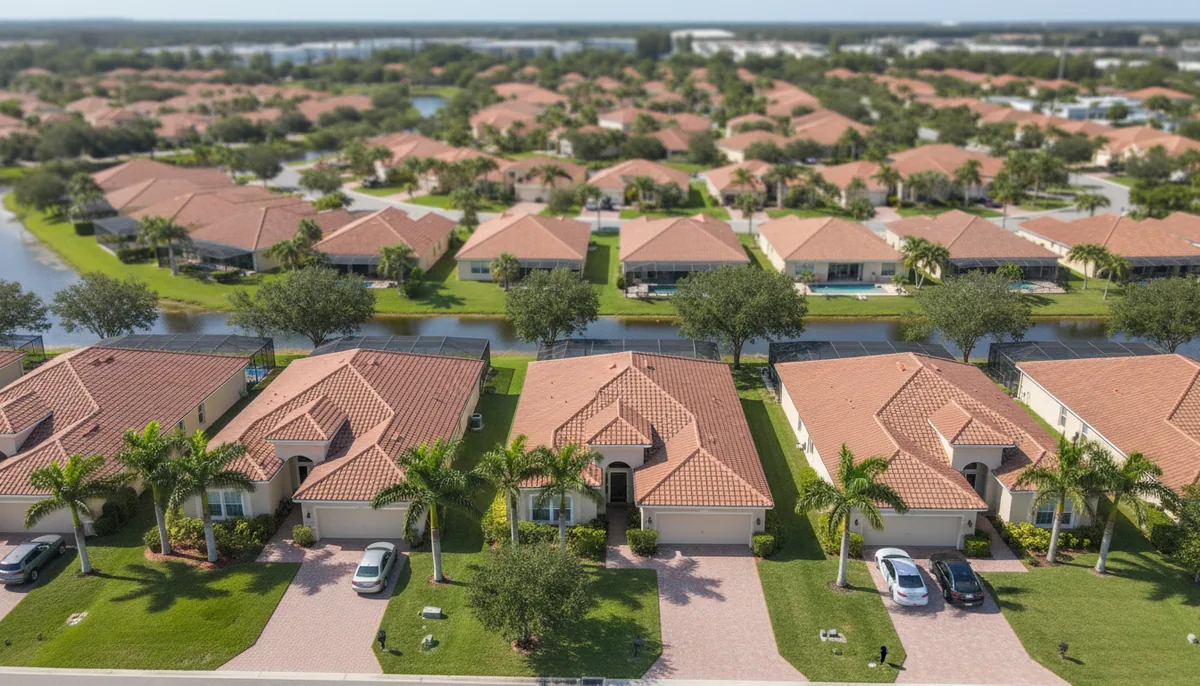
A roof replacement in Florida requires a permit pulled from the local building department, and it requires an inspection. If a contractor offers to skip the permit, that is your cue to walk away. An unpermitted roof can complicate an insurance claim and it can complicate a future sale. I've seen both happen. The paperwork is not the boring part of the job. The paperwork is the protection.
Roofers and owners both remember an old rule about 25 percent. No more than a quarter of a roof could be repaired or replaced in a twelve-month period without dragging the whole roof up to current code. Then SB 4-D (2022) changed that for newer roofs. If your roof was built, repaired or replaced under the 2007 Florida Building Code or any later edition, only the portion being worked on must meet current code. A full replacement is no longer automatically triggered just because you patched something big.
Roofs completed before the 2007 code took effect in March 2009 generally don't get that benefit. I'm not a lawyer, and this is not legal advice. What I know is how to read a roof and a scope of work. When in doubt, call the local building department yourself.
Wind mitigation inspections are where metal roofs earn the discount
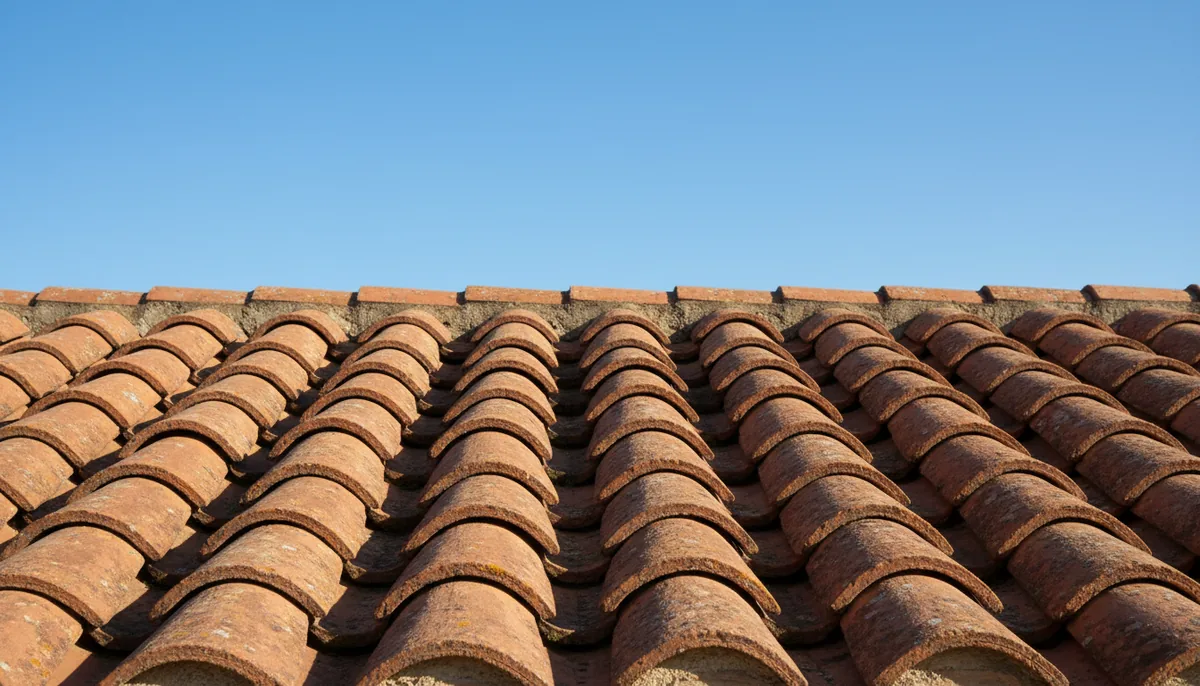
A wind mitigation inspection documents six things: roof covering, roof deck attachment, roof-to-wall connection, roof geometry, secondary water resistance, and opening protection. Florida insurers must offer premium discounts for qualifying features. The standard form is OIR-B1-1802. I tell owners to get that inspection done before they choose a roof system, not after the panels arrive.
Metal can score well on that form if the whole assembly earns it. But a metal roof doesn't automatically qualify just because it's shiny and screwed down. The attachment has to work with the deck, the edge metal has to be right, and the openings still have to be protected. Those inspections usually cost far less than the one-year discount they can produce.
What I would actually do: Ask for the OIR-B1-1802 form before you pick panels. Hand it to the roofer and ask them to detail the roof against those six items. If they can't, the metal roof may still be good—it just won't win the insurance discount you expected.
What your insurance declaration page will and won't tell you
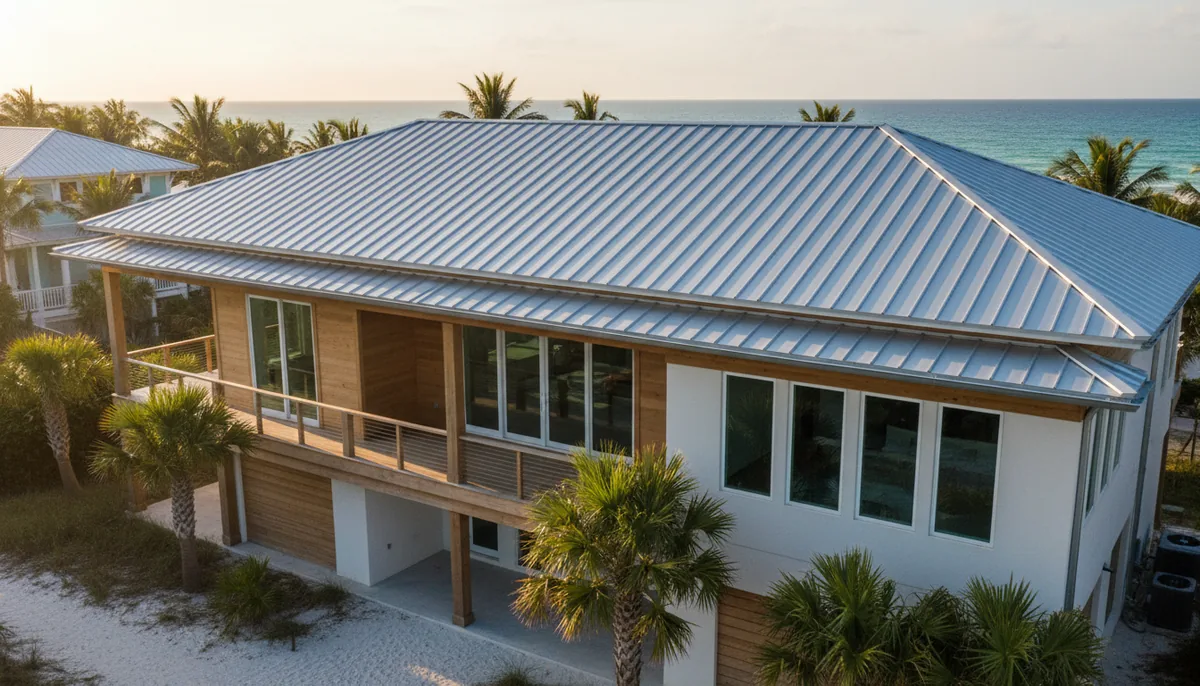
I can't tell you what a specific policy will cover after a storm. Coverage varies by policy, and I'm not an adjuster. What I can tell you is to read your declarations page and ask your agent before you sign a roofing contract, not after the roof is damaged.
A lot of owners assume that switching to metal automatically changes their premium. Sometimes it does. Sometimes it doesn't, because the discount is tied to the documented wind mitigation features, not to the brochure. The metal has to be installed to the form, and the rest of the house or building has to cooperate too.
What I would actually do: Read the declarations page before you sign anything. If the contractor promises lower insurance, ask them to show you how the installation will satisfy the form OIR-B1-1802 line by line. A promise in the driveway doesn't help at renewal time.
Pricing metal roofs by the square, and looking where they fail
I bid commercial metal work by the square, which is a roofing square—one hundred square feet. But a square of metal on a clean warehouse with a simple parapet is a different animal from the same square on an old school with roof curbs, duct penetrations, and questionable deck hidden underneath. A lot depends on what is under there, and nobody knows that until the top layer comes off.
In Florida, the sun and salt attack the edges first. I look at fasteners, flashings, eave struts, and the places where panels change direction. That's where I have seen metal roofs fail. One building owner in Fort Myers called a rusted-through eave strut a cosmetic issue. I was standing underneath it at that moment with daylight showing through the rust. Cosmetic was not the word I used, but we moved on.
Questions I get asked
Can you put a new metal roof over an old flat roof?
Sometimes, if the old deck is sound and the slope works, but I won't say that until I've opened up a few areas. Weight, hidden moisture, and local wind design all matter. I've seen retrofits hide a wet insulation deck until the fasteners started pulling through. A permit inspection is the reality check.
Will a metal roof lower my insurance bill?
Not by itself, and be wary of anyone who promises that before the wind mitigation inspection. The discount depends on wether the roof assembly, deck, openings, and secondary water resistance qualify on form OIR-B1-1802. Coverage varies by policy, so read your declarations page and ask your own agent.
Does the old 25% rule still force a full roof replacement if I patch a big area?
For many roofs, no, because SB 4-D (2022) changed how the rule is applied. If the roof was built, repaired or replaced under the 2007 Florida Building Code or later, only the portion being worked on has to meet current code. Older roofs generally don't get that break, so check with the local building department before you spend money on a patch.
What's the difference between a CCC and an RC contractor?
CCC means a certified statewide license. RC means a registered local license. A certified roofer can work anywhere in Florida; a registered roofer is restricted to the local jurisdiction that issued the license. I verify both against the DBPR roll before every bid.
How long does a metal roof installation in Florida actually take?
It depends on size, shape, wheather, access, and how fast the local building department schedules inspections, so anyone who quotes a firm date before walking the roof is guessing. A clean square of metal goes down fast. The edge metal, the penetrations, and the permit sign-off are what stretch the schedule.