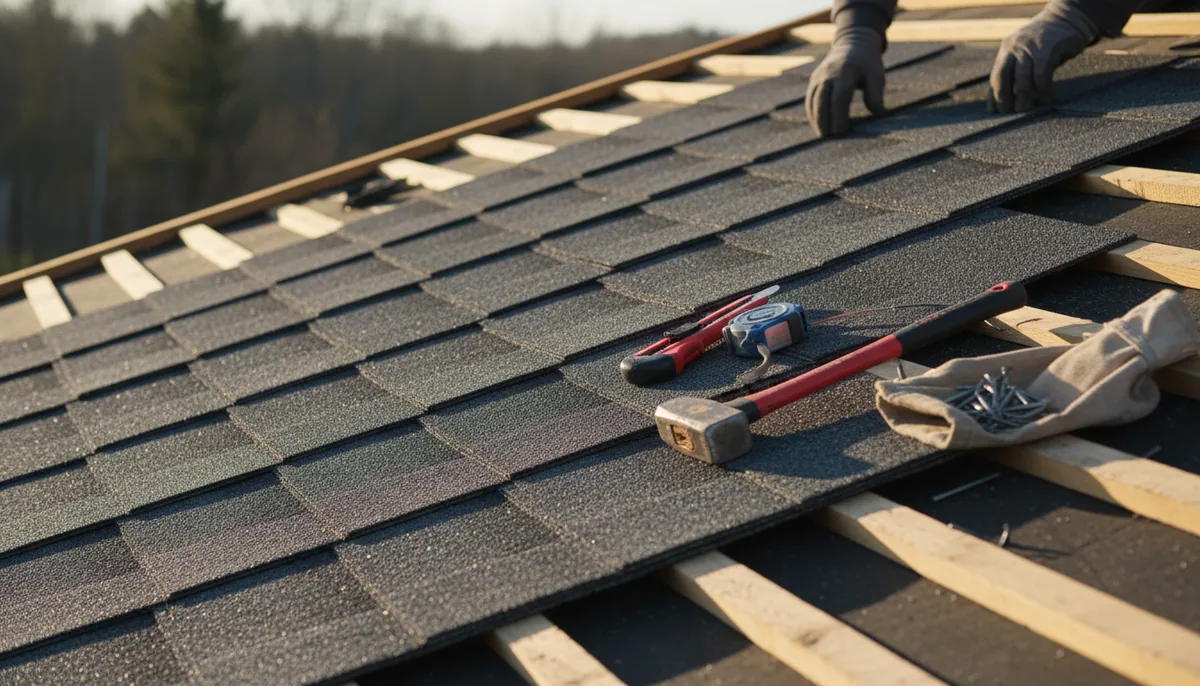
Roof types in Florida: The Florida Guide
By Marcy Doleman, Commercial roofing estimator. Reviewed by Hal Winstead, Editor, licensed roofing contractor. I was up on a school gymnasium in Fort Myers last July when the afternoon thunderhead rolled in earlier than the forecast said. The TPO we'd just welded had a row of birds' nests in the seam — little pockets where the lap hadn't bonded, because the crew used the wrong cleaner. I stood there with the wind picking up, pointing at each bubble while the roofer swore it would hold. It wouldn't. The Florida sun finds every shortcut by noon.
That's the job I do: I estimate flat and low-slope commercial roofs — TPO, modified bitumen, coatings — for warehouses, retail plazas and schools across the state. When a building calls with a leak, I'm the one crawling over the deck, measuring every penetration, and then telling the owner what it'll cost to make it stop. If you're comparing roofing companies in Florida for your own building, this is the stuff I wish you knew before I show up.
Most owners don't realize that the roof type matters less than the crew holding the heat gun. But since you asked, let's talk about the actual choices.
What's actually the best roof type for south Florida?
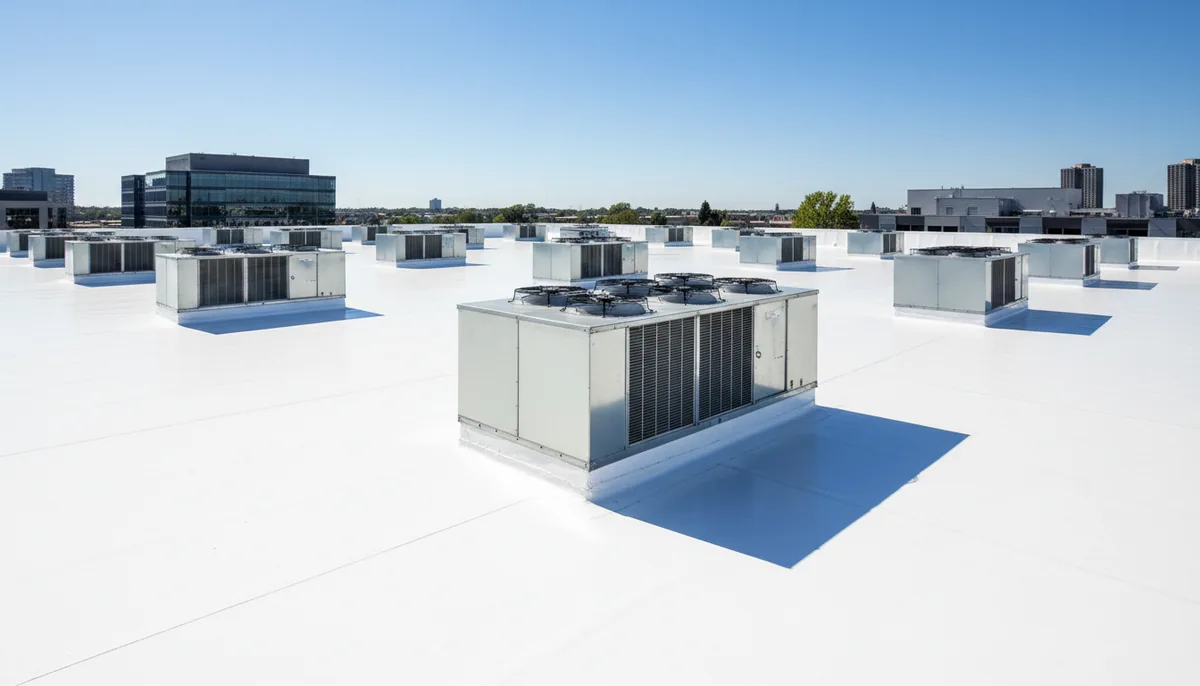
Ask ten roofers, get ten different sermons. I'll give you mine, but with a warning: it depends alot on what's under it. South Florida's heat, UV, and sideways rain beat the hell out of everything. For a low-slope warehouse or retail plaza here, I lean TPO — white, reflective, and the seams are welded hot air, which holds up better than glue when it's 95 degrees at 9 a.m. I've been wrong about this before, though. The fancy coated decks some buildings have don't play nice with every membrane.
Modified bitumen — that's the rolled stuff with the torch or self-adhered backing — still makes sense on smaller roofs or where you need extra puncture resistance from foot traffic. Coatings are a whole different animal. They don't fix a failing roof, no matter what the salesman says. They buy time on a tired old metal roof or a modified roof that's got service life left but is leaking at the seams. Give me a clean, dry, well-flashed TPO on a south Florida warehouse and I'll estimate it in my sleep. But budget and deck condition might send us somewhere else.
What I would actualy do: If you're south of Lake Okeechobee and the deck is sound, I'd quote TPO before anything else. It reflects the heat better than mod bit, and the seams handle the temperature swings. I have been wrong about this before, but never because TPO leaked — because the flashing detail was skimped on.
Roof shapes in Florida — and why they always cost more than the drawing says
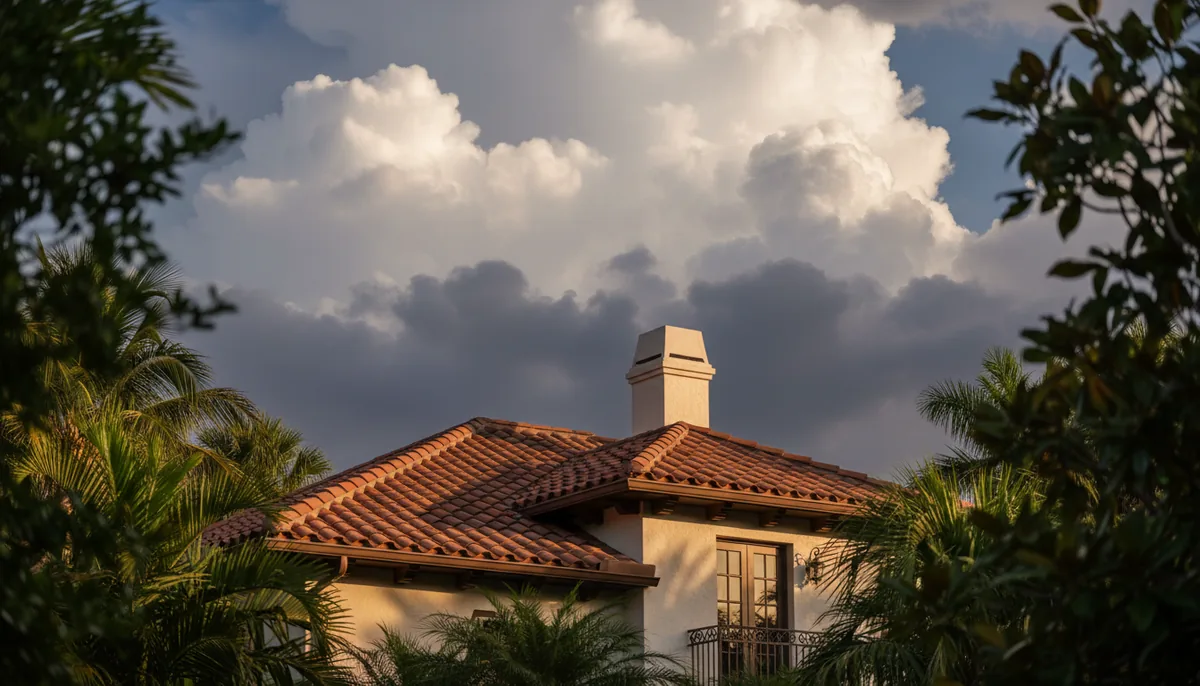
Here's the part that surprises owners: the roof's geometry does more to your final number than the membrane does. Florida's building stock has every shape imaginable. Parapets with hard lids, mansards that hide a flat deck behind a sloped skirt, standing-seam metal pitched over a warehouse that also has a 2,000-square-foot flat section in the middle. I've measured roofs with roof shapes in florida that look like someone dropped a filing cabinet on a pancake.
The shape drives the price because of all the edge metal, flashings, and transitions. Every inside corner, every outside corner, every penetration is where water finds it's way through. A simple rectangle with a parapet and a handful of drains is cheap. A roof with three levels, a skylight curb, and a parapet that steps up and down? That's a lot more labor per square. When I tell an owner their new roof costs more per square than the next building down the road, it's rarely because someone overpriced the membrane. It's because their roof has hips, valleys, and a half-dozen curb tops that need custom metal work.
Why I check your DBPR licence before I believe your business card
Before I recomend anyone, I do the same thing you should do. Florida roofing contractors get their licence from the Department of Business and Professional Regulation. There are two kinds you'll run into, and the difference matters. A certified contractor has a licence starting with CCC and can work anywhere in the state. A registered contractor has a licence starting with RC and can only work in the local jurisdiction that issued it. I've seen an RC contractor's crew a hundred miles from where they're registered, and I've seen owners who didn't know the difference until the inspection failed.
Always verify the number is active on the DBPR roll. I'm not a lawyer, but I've been an estimator long enough to know that a lapsed licence usually means trouble somewhere else. If a contractor can't give you their licence number, or if the roll shows it's not current, that's a shorter conversation than the one about TPO vs. Mod bit.
What I would actually do: I'd pull up the DBPR roll on my phone right there in the parking lot. If the licence says CCC or RC and it's active, fine. If it's not, I'd thank them for their time and call the next name on the list. The directory checks licences before it lists a company, but the roll is public — check it yourself.
The permit is not optional — and neither is the inspection
A roof replacement in Florida requires a permit from the local building department, and an inspection. End of story. I don't care if the roofer tells you it's just a cover — that's a lie, and it's a contract killer. If a contractor offers to skip the permit, walk away. An unpermitted roof can complicate an insurance claim and a future sale worse than any leak can. I have literally stood on a roof where half the deck was replaced without a permit because the previous owner wanted to save twelve hundred dollars. When they sold, the buyer's inspector found it, and the whole roof had to be torn off to prove the framing underneath was sound. That's an expensive nap.
And remember, insurance companies don't care what the roofer told you. They care what the building department signed off on. No permit, no inspection, no sign-off — that's a question mark on your policy. If you're filing a claim and the adjuster sees new roof, no permit? Expect a long phone call. The permit is the receipt.
The 25% rule you keep hearing about — and what changed in 2022
You've probably been told that once you replace more than a quarter of your roof, you have to bring the whole thing up to current code. That used to be true, and it came from the Florida Building Code: no more than 25% of a roof could be repaired or replaced in a 12-month period without triggering a full code upgrade. Then came SB 4-D (2022), effective May 26, 2022. It changed the math for a lot of buildings.
If your roof was built, repaired, or replaced under the 2007 Florida Building Code or any later edition, then only the portion being worked on has to meet current code. A full replacement is no longer automatically triggered. But here's the catch: the 2007 code took effect on March 1, 2009. Roofs completed before that date generally don't qualify, so the old rule still applies to them. I get asked about this constantly, and I always tell owners to check their permit history first. If you have a building from the nineties and you're patching a roof that's already been patched a dozen times, the code officer may still force you to replace more than you wanted.
That's a conversation to have with the local building department before you sign anything, not after the roofer has loaded the dump trailer.
A wind mitigation inspection is the cheapest roof upgrade you never installed
Most owners have no idea they're leaving money on the table every year. A wind mitigation inspection documents the roof covering, roof deck attachment, roof-to-wall connection, roof geometry, secondary water resistance, and opening protection. Florida insurers must offer premium discounts for qualifying features, but they won't just hand them to you. You need the inspection, and the standard form is called OIR-B1-1802.
Here's the thing that gets my attention as an estimator: when a roof is replaced, that's the perfect time to nail a few wind mitigation upgrades. The roof deck attachment is exposed while the old cover is off. That's when you add more fasteners, or make sure the roof-to-wall connections are visible to the inspector. A $200 inspection call it, give or take, can open up an annual discount that pays for itself before the next season. I've seen it save enough to justify upgrading the roof covering from a non-rated to a rated system. And if you're with Citizens Property Insurance Corporation, or thinking about them, the requirements are specific. Some programs like My Safe Florida Home even offer help with improvements, but that's for homes, not the commercial stuff I do — still, I tell owners to check because they'll often have a relative or tenant who qualifies.
The inspection itself is not the same as an engineering report. It's a form, a checklist, and a couple of photos. But it has to be done by someone competent, and it can't be done after the fact if the roof deck is already covered. So my advice is to schedule the wind mitigation inspection in the same window as the roof replacement. It costs a fraction of the labor on the roof, and the discount repeats every year.
What I would actually do: I'd get the wind mitigation inspection done on the same day as the final roof inspection. The roofer is already there, the deck is exposed, and the form OIR-B1-1802 is sitting on the hood of a truck. Don't close out the permit without it.
Questions I get asked
Do I really need a full replacement, or can I keep getting repair bids?
That depends what's under the roof, but a good rule is the 50/50 guess: if the roof is leaking in more than three spots and has more than two layers, you're buying the roofer a new boat with all those service calls. I tell owners to think about it in square footage, not dollars. When the patches start overlapping the patches, the membrane is done. A full replacement costs more on day one but less per year than a decade of emergency patch jobs.
How long will a TPO roof last in Florida?
I won't give you a fake warranty number because I've seen ten-year-old TPO that looked twenty and twenty-year-old TPO that looked five. It depends on the quality of the seams, the deck it's attached to, and wether people walked on it with hot boots. In general, a well-installed TPO on a commercial building gets you somewhere between fifteen and twenty-five years, but again, that's a guess. The seams, not the material, are what die first.
Will my insurance company require a specific roof type?
Coverage varies by policy, so I can't tell you what yours says. What I can tell you is that you should read your declarations page and talk to your agent before you pick the cheapest bid. Some carriers want a wind-rated system in high-velocity zones, and some just want to see a current wind mitigation inspection on file. The roofer can't answer that for you, and neither can I. Your policy is the only document that matters there.
Should I get a second opinion on the estimate?
Yes, always. I've been on both sides of that one. An estimator like me is doing math with a lot of assumptions about what's under the membrane. Another estimator might see a different flashing detail or a different way to handle the deck repair. Two bids should be within a reasonable range of each other. If one is dramatically lower, ask them exactly what they're not doing. Usually it's the edge metal, the deck replacement, or the permit fee.
What's the biggest mistake you see owners make?
Waiting until the ceiling tiles are soaked to put a tarp on the roof. I get called after the storm, not before. By then, the deck is rotted, the insulation is holding water like a sponge, and the warehouse floor is ruined. A roofer can tell you when you have a blister or a seam opening — the trick is to hire one for an annual check, not for the emergency. That check costs the same as a single lunch for two, and it can save a full deck replacement.