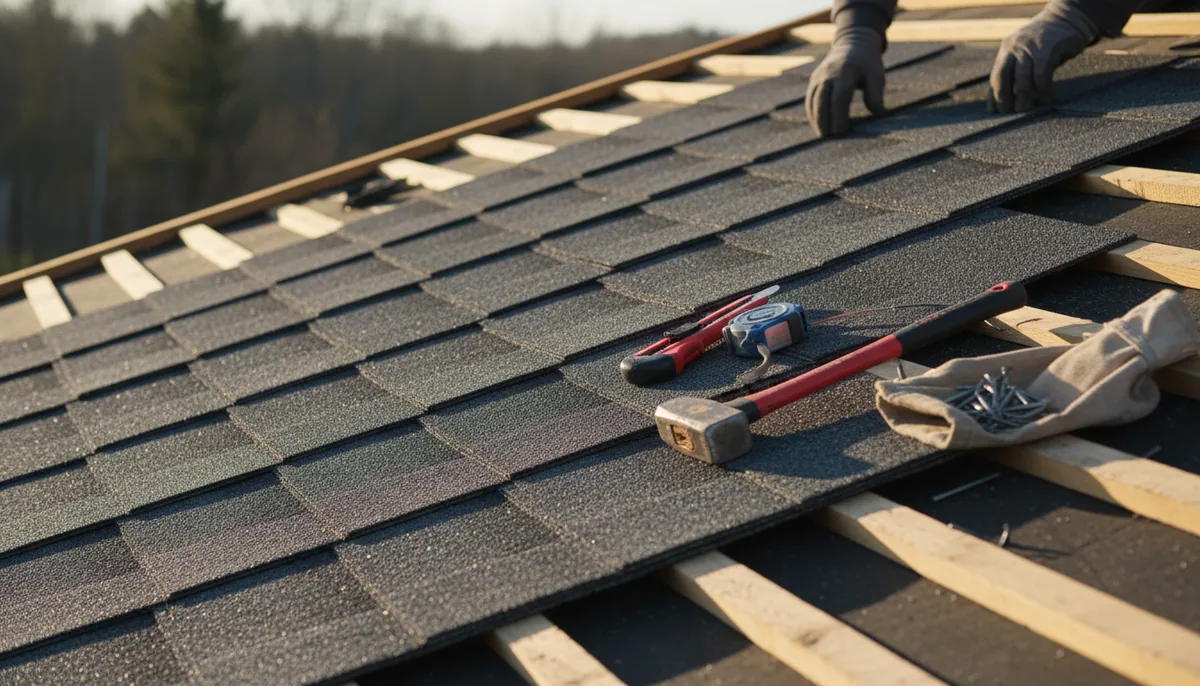
Shingle roof Florida: The Florida Guide
By Dale Prescott, Roofing contractor, Central Florida. Reviewed by Hal Winstead, Editor, licensed roofing contractor. It was a Tuesday afternoon in Sanford, July, and we were three hours into a tear-off on a ranch house off 17-92. The homeowner had wanted to keep a section of the old roof because his insurance adjuster had told him it was "fine." We cut the decking back and found the problem: the old shingles were fine, but the felt underneath was rot and the decking nails had rusted clean through. You could lift a whole sheet of plywood with two fingers. That's when I told him the hardest part of a re-roof isn't tearing off the old shingles, it's the moment you see what was hiding under them.
I've been doing this for twenty-two years between Orlando and the coast, and I can tell you most roof problems are invisible until it's too late. If you're starting that search, a good place to look is a list of shingle roofing companies in Florida. That directory verifies contractor licenses against the DBPR roll, which is more than most homeowners do. And listen, I get it. You want to know what the shingle roof Florida question is really about, and wether you should just get metal or tile instead. Fair enough.
Let me save you some grief before we go further. If a contractor tells you to skip the permit, hang up the phone. A roof replacement in Florida requires a permit from your local building department, plus an inspection. No exceptions. An unpermitted roof can complicate an insurance claim and tank a future sale faster than a termite letter.
The "25% rule" changed, and a lot of roofers haven't caught up
You've probably heard some version of the old rule: if you repair more than a quarter of your roof, you have to replace the whole thing. That was the law for years. Then SB 4-D (2022) came through and changed things. If your roof was built, repaired, or replaced to the 2007 Florida Building Code or anything newer, the old "whole roof" trigger is gone. Only the section you're actually working on has to meet current code.
Here's the catch. The 2007 code took effect on March 1, 2009. So if your roof is older than that, the old rule might still bite. If your home was built in 2004 and you've got storm damage over a big section, a contractor who tells you "we only need to patch it" might be wrong, and a contractor who tells you "we must replace everything" might also be wrong. It depends on what code your current roof was built to, and what the local building official says. I have been wrong about this before, and I've learned to stop guessing. I make a phone call to the building department before I quote.
What I would actually do: Call the local building department first, not the contractor. Ask them flat out: what code cycle is my house on, and does a repair on this section trigger a full replacement? It takes ten minutes and saves you from a bad quote.
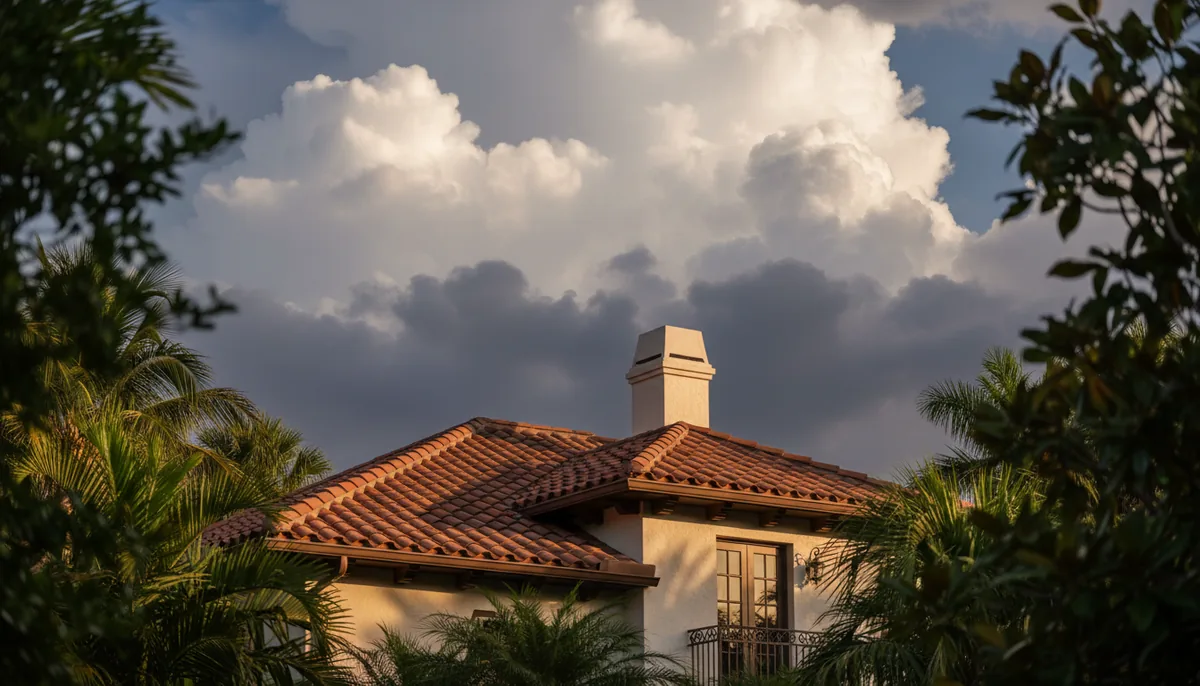
Wind mitigation is the cheapest money you'll ever make on a roof
I know a guy in Deltona who paid a hundred and twenty bucks for a wind mitigation inspection and saved over four hundred a year on his homeowners policy. Every insurer in Florida is required to offer discounts for wind-resistant features. The standard form is OIR-B1-1802. It's a document that records six things: roof covering, roof deck attachment, roof-to-wall connection, roof geometry, secondary water resistance, and opening protection.
The inspection itself isn't a roof inspection. It's a guy usually in your attic looking at how your roof deck is nailed down, how your roof ties to your walls, and what shape the shingles are in. The cost is minimal compared to the annual discount you can open up. If your roof was put on with enough nails and your existing permits are sound, you could be leaving money on the table right now.
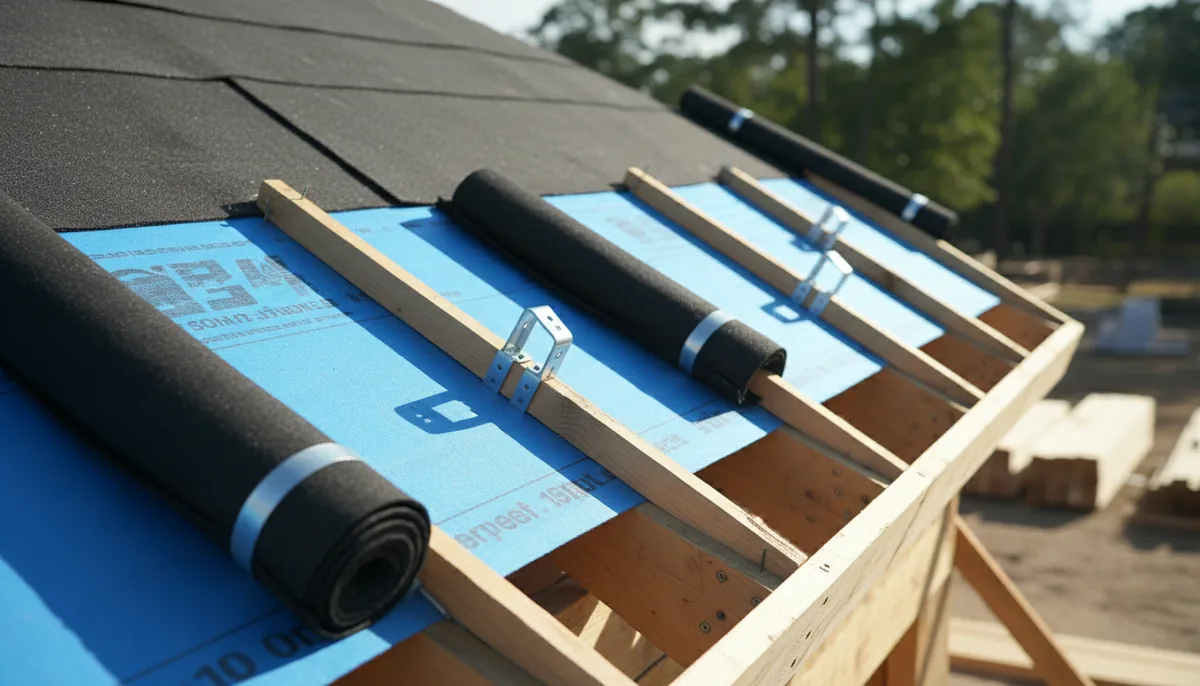
Metal roof vs tile roof in Florida: the honest comparison
People ask me about this constantly, especially after a hurricane scare. The truth is, a properly installed shingle roof in Florida is a fine roof. The job matters more than the material. But let's talk about the choices.
Tile is gorgeous and it lasts forever, but it's heavy and expensive. A tile roof can weigh six to ten pounds per square foot, which means your framing has to be engineered for it. I've torn off tile roofs where the structure underneath was barely adequate for the original install. Plus tile is brittle in a hailstorm and a nightmare to walk on. You'll see plenty of tile roofs in Florida because of the Spanish style, but it's not always the smartest money.
Metal is lighter, handles hail better, and sheds water like a duck's back. But metal is also priced per square, and it can be two to three times what architectural shingles run. And metal has it's own issues: oil canning, expansion noise in the rain, and a panel that gets dented by a single stray branch. It's a good roof, but it's not magic.
Shingles are the workhorse. An architectural shingle made for high wind, installed with the proper nail pattern and a good manufacturer warranty, has outperformed every cheap tile and thin metal roof I've ever torn off.
What I would actually do: Pick the best material you can afford, but don't go cheap on labor. A shingle roof with a six-inch nail pattern and ring-shank nails will beat an expensive metal roof installed in a day by a crew that doesn't know what they're doing. And whatever you choose, check the contractor's licence number on the state roll first.
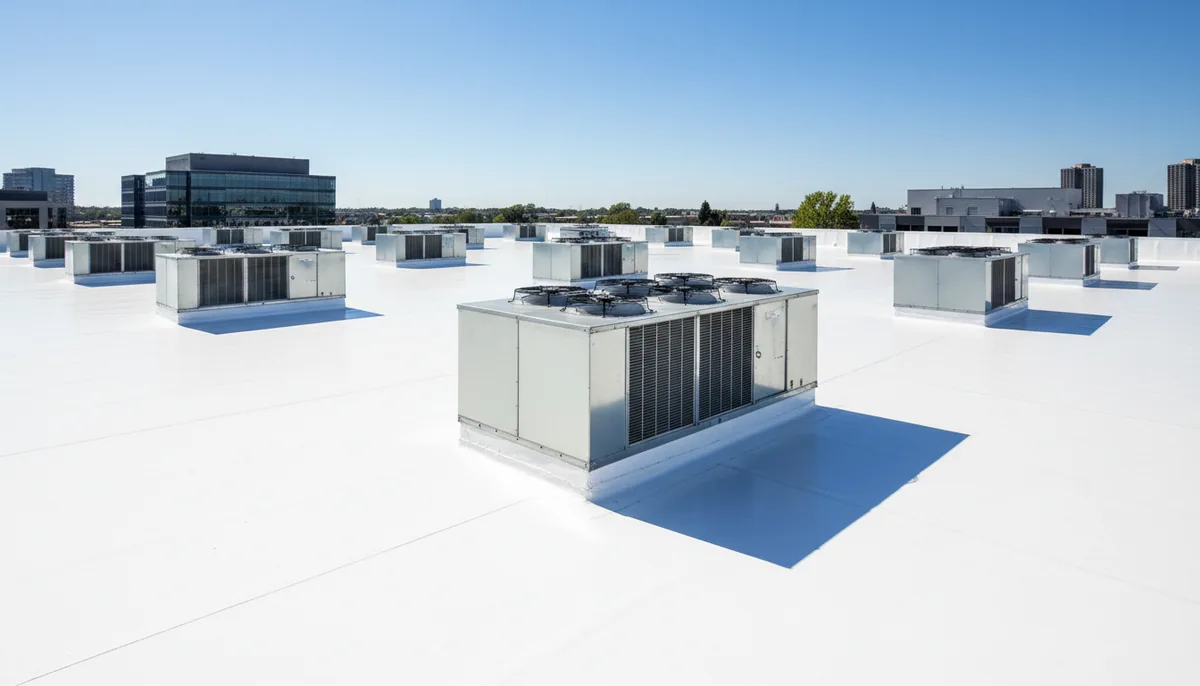
Check the licence before you let them on the roof
Here's a public service announcement. Florida roofing contractors are licensed by the Department of Business and Professional Regulation, the DBPR. A certified roofing contractor has a licence begining with CCC and can work anywhere in the state. A registered contractor has an RC prefix and only works in the local jurisdiction that licensed them. That RC designation matters. I once did a job in Volusia County where the "contractor" had an RC license from a different county entirely. We had to stop work and get someone else in.
Always verify the number is active against the DBPR roll before you hire. The directory I linked to earlier does this, but you should still do it yourself. You're the one writing the check.
One digression about the weather
One afternoon last July, we were setting up to re-shingle a house in DeLand. Sky was clear at seven in the morning. By eleven, we were standing in the driveway watching a thunderstorm roll in from the Atlantic like it had an appointment. The homeowner came out with umbrellas for us. I appreciated it, but I knew what was coming. Florida storms aren't scheduled and code doesn't wait for you. You work mornings in the summer, or you pay the price. A customer in Geneva once asked me why we didn't work through the rain. I pointed at the lightning and asked if he was offering a new crew.
Questions I get asked
Is a shingle roof good for a Florida home?
Yes, if it's installed right and rated for high wind. Architectural shingles are the standard for most of Central Florida. They hold up well against our storms when the decking, underlayment, and nail pattern are all to code.
Should I repair or replace after storm damage?
Depends what's under there. If the shingles are curled and the felt is saturated, you're patching a sinking ship. If the damage is limited to a few missing shingles and the decking is dry, a repair might hold fine for years. But a good contractor will look at the whole roof, not just the missing spot.
How long should a shingle roof last in Florida?
Honestley, alot depends on exposure and ventilation. In Florida's sun and heat, a shingle roof can last 15 to 25 years. But the real limit is usually the underlayment and the decking, not the shingles themselves. If you get baked all day with bad attic ventilation, you might get ten years. That's why some roofers push synthetic underlayment.
Do I need a new roof to get a wind mitigation discount?
No, and this is a big misunderstanding. You only need the inspection to confirm what features already exist. If you have the right nailing and roof-to-wall connections, you might already qualify. If you don't, replacing your roof can get you there, but the inspection alone is worth doing first.
Is metal roof vs tile roof worth the extra cost over shingles?
If your roof is steep or in a constant tree-filled area, metal might be worth it to you. If you're in a hail zone, maybe not. And tile is handsome, but it costs more and is a pain later. Shingles are almost always the best value for the money in Central Florida.
What does insurance actually cover on a roof?
Coverage varies by policy, so read your declarations page. A trained adjuster will look at the same wind mitigation form for the discount. But you have to understand what your policy says, and a contractor isn't your adjuster. I'm not a lawyer or a licensed adjuster, and I won't pretend to be one. Know what your policy pays for before you sign a contract, and ask for a copy of your insurance's requirement paperwork.