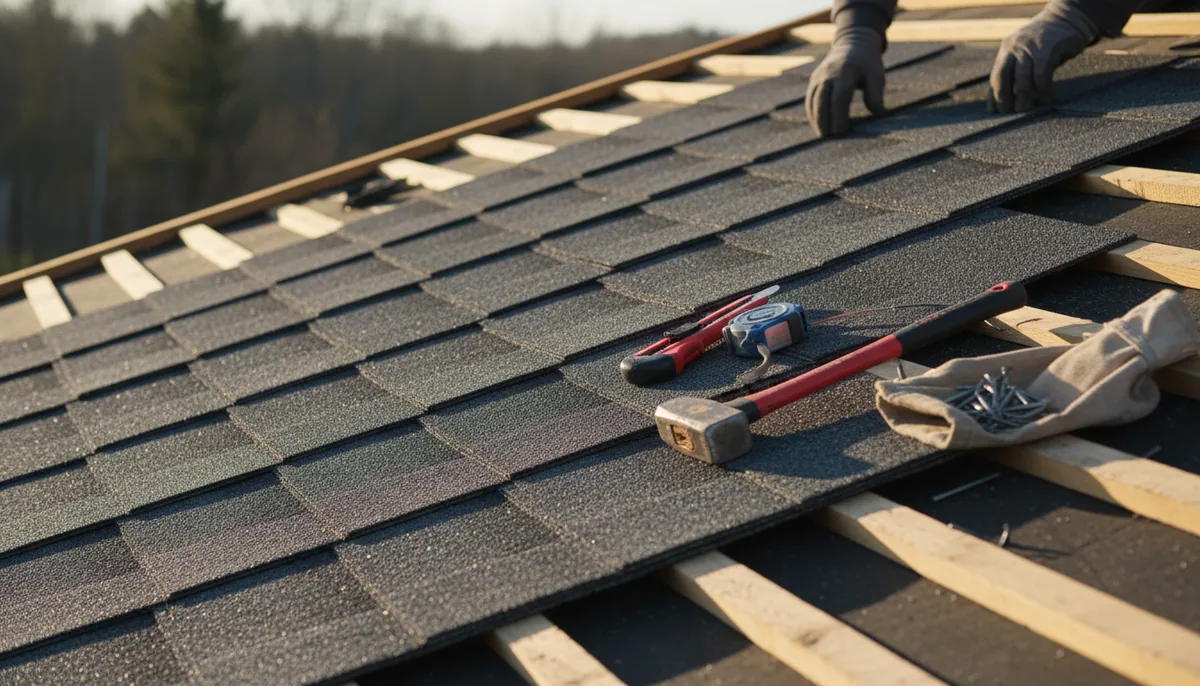
West Florida roofing: The Florida Guide
By Marcy Doleman, Commercial roofing estimator. Reviewed by Hal Winstead, Editor, licensed roofing contractor. The rain wasn't even hard that Thursday, but the phone call was. A property manager in Sarasota had a gymnasium roof leaking directly onto a new hardwood court, and by the time I got there the water was running along a truss and dropping in a steady rhythm onto the polished floor. We spent the next four hours chasing a failed seam on a twenty-year-old modified bitumen roof that had been patched so many times it looked like a quilt. The patch was the problem. It always is.
I turn down more work than I take because the first question I ask isn't "what's the square footage?" It's "what happened before?" You'd be surprised how many times the answer involves a handyman with a caulk gun and a ladder. That's not a repair. That's a delay. If you are reading this because you manage a warehouse or a school and the bucket is filling up, you need a proper commercial roofer, and finding one starts with knowing who is actually allowed to touch the roof. You can start by checking the directory of roofing companies in Florida, but the real work is in the licence verification.
I've been estimating flat and low-slope work across the state for a long time. TPO, modified bitumen, coatings. I've stood on rooftops in Miami where the heat radiates up through your boots and I've stood on them in Pensacola in February with wind chill that makes no sense for Florida. The work is different on the Gulf coast. Salt air, humidity, and afternoon thunderstorms that hit like clockwork from May through October. West Florida roofing is it's own animal, and it pays to understand the local rules before you get quoted a price.
Let's talk about the licence first, because it actually matters
Florida roofing contractors are licensed by the Department of Business and Professional Regulation, the DBPR. You will see two prefixes on licences. A CERTIFIED roofing contractor holds a licence starting with the letters CCC, and that person can work anywhere in the state. A REGISTERED roofing contractor holds a licence starting with the letters RC, and they are limited to the local jurisdiction that licensed them. That means a registered guy in Orange County might not be legal to do work in Pinellas County, even if the job is only an hour away.
I have been wrong about this before, but I always check the DBPR roll before I recommend anyone. And you should too, even if they have a fancy truck and a firm handshake. The number needs to be active, not just on a piece of paper. I've seen bids from guys whose licences lapsed three years ago and they just kept on trucking. Walk away. A cheap bid isn't cheap if the work is illegal.
The 25% rule is gone, but the paperwork isn't
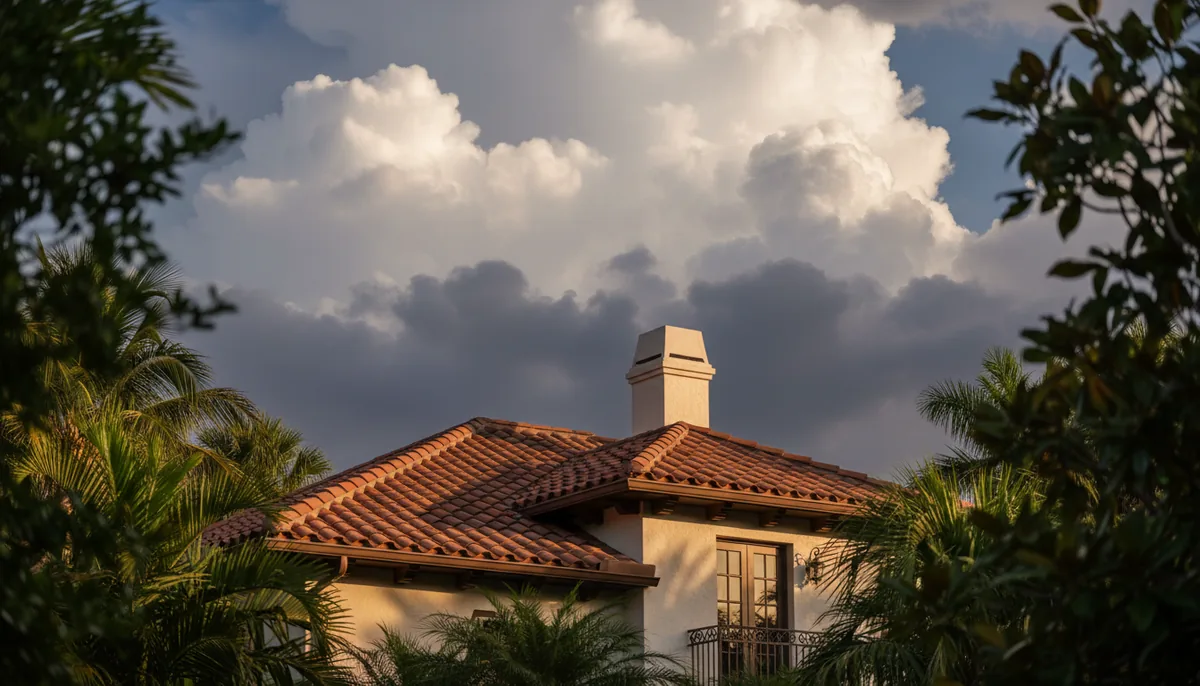
You've probably heard about Florida's "25% rule" if you've had any roof work done in the last decade. The old rule said no more than 25% of a roof could be repaired or replaced in a twelve-month period without bringing the whole roof up to current code. That forced alot of full replacements that property owners didn't budget for.
Then the legislature passed SB 4-D (2022), effective May 26 of that year, and it changed the game. If your roof was built, repaired, or replaced under the 2007 Florida Building Code or any later edition, then only the portion being worked on needs to meet current code. A full replacement is no longer automatically triggered just because you're fixing a bad section. The catch is the date. The 2007 code took effect in March 2009, so roofs completed before that date generally don't qualify for the exemption. If your building is older than that, the old trigger can still apply. Depends what is under there, and it depends on the building department's mood that day. Permit pulled, inspection passed, no shortcuts.
What I would actually do: Call the local building department before you sign anything. Ask if the roof is pre-2007 code and what triggers a full replacement. Get it in writing. An hour on the phone beats a surprise invoice for a whole new deck.
Permits are non-negotiable. Stop asking me to skip them
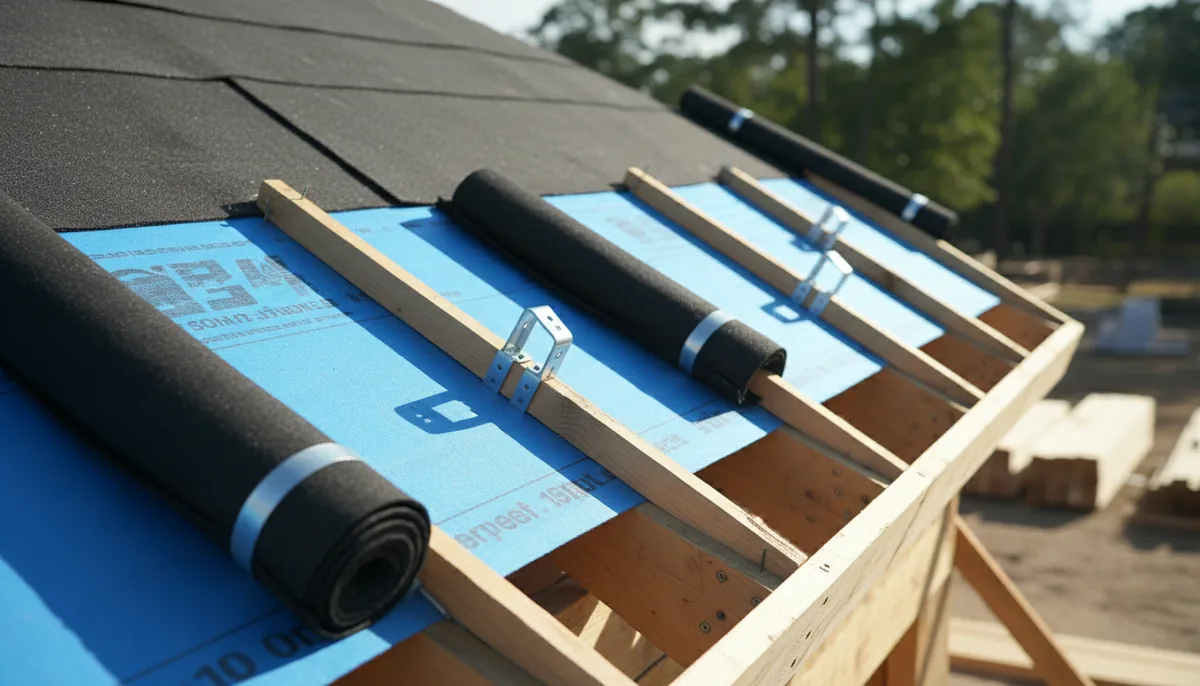
A roof replacement in Florida requires a permit pulled from the local building department, and it requires an inspection. That is just the law. If a contractor suggests you can save money by not pulling a permit, show them the door. An unpermitted roof can complicate an insurance claim down the line, and it can absolutely sink the sale of the building when the buyer's attorney finds the records gap.
I get it. Permits cost money and time. One customer in Fort Myers asked me if we could "do it on the side" because he was worried about his property taxes going up with a new roof. I told him I couldn't do that and I wouldn't. That's not me being holier than thou. It's me protecting my licence and protecting the customer from a liability that follows the building for decades. It's cheaper to do it right.
What I would actually do: Make the contract contingent on the permit being pulled and the final inspection being signed off. Hold back a percentage of the final payment until you see the certificate of occupancy or the inspection approval. If the contractor squawks, you've learned something valuable.
Wind mitigation inspections can save you money, so get one done
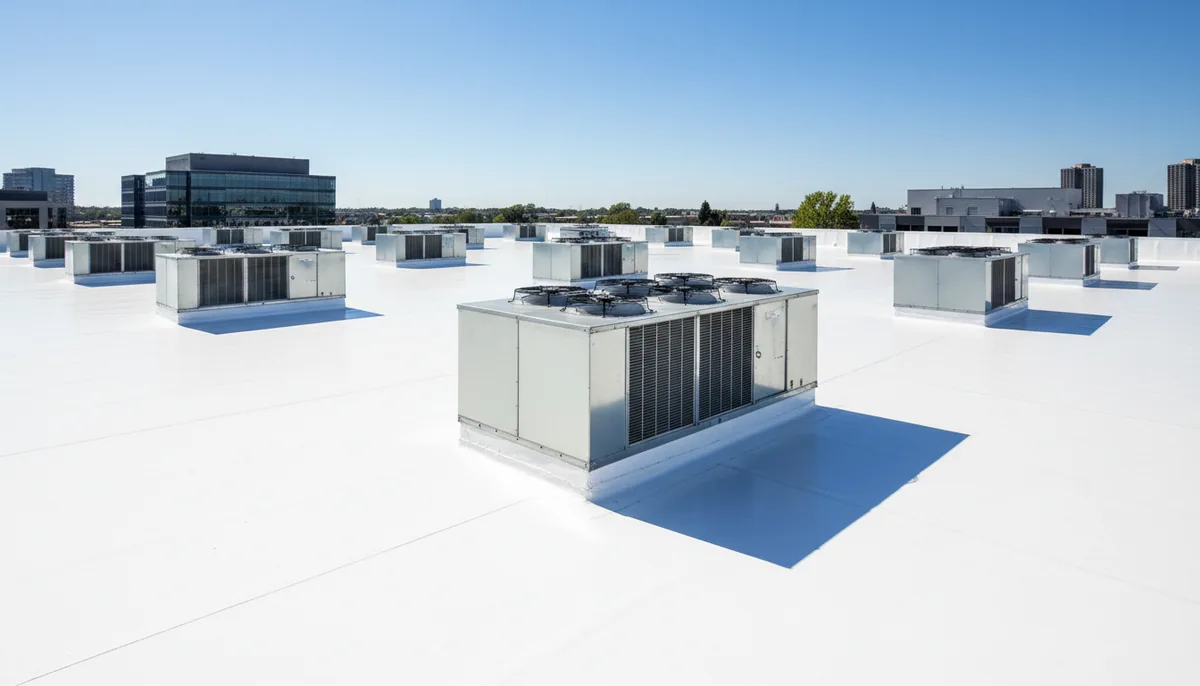
Here is a part of the process that many property managers miss entirely. A wind mitigation inspection documents specific features of your roof: the roof covering, the roof deck attachment, the roof-to-wall connection, the roof geometry, the secondary water resistance, and the opening protection on windows and doors. The standard form is OIR-B1-1802, and it matters because Florida insurers are required to offer premium discounts for qualifying features. That's not a guarantee your specific policy will drop, because coverage varies by policy, but the law says the discount opportunity has to be there.
The inspection typically costs a few hundred dollars. The annual discount it can open up usually pays for that cost in the first year, give or take. I'm not a licensed adjuster and I don't play one, but I have seen the form and I know what triggers the credits. If you're putting on a new roof with proper deck attachment and hurricane straps, the inspector can document that. If you have a flat roof with parapet walls, the geometry might hurt you, but the secondary water resistance of a good TPO membrane can help. It's a mixed bag, but you only know if you test it.
One digression, because I can't help myself. I had a building owner in Naples argue with me that his single-ply roof was "basically a balloon" and would blow away. I told him the seams are heat-welded and the membrane is mechanically fastened or adhered, so no, it isn't a balloon. He didn't beleive me. He paid for a coating system anyway. Guess what? It leaked within a year. Not because the coating was bad, but because he coated over a roof that was trapping moisture. You can't fix a problem you can't see. Sometimes the fix is ugly and expensive. That's why it's called a fix, not an improvement.
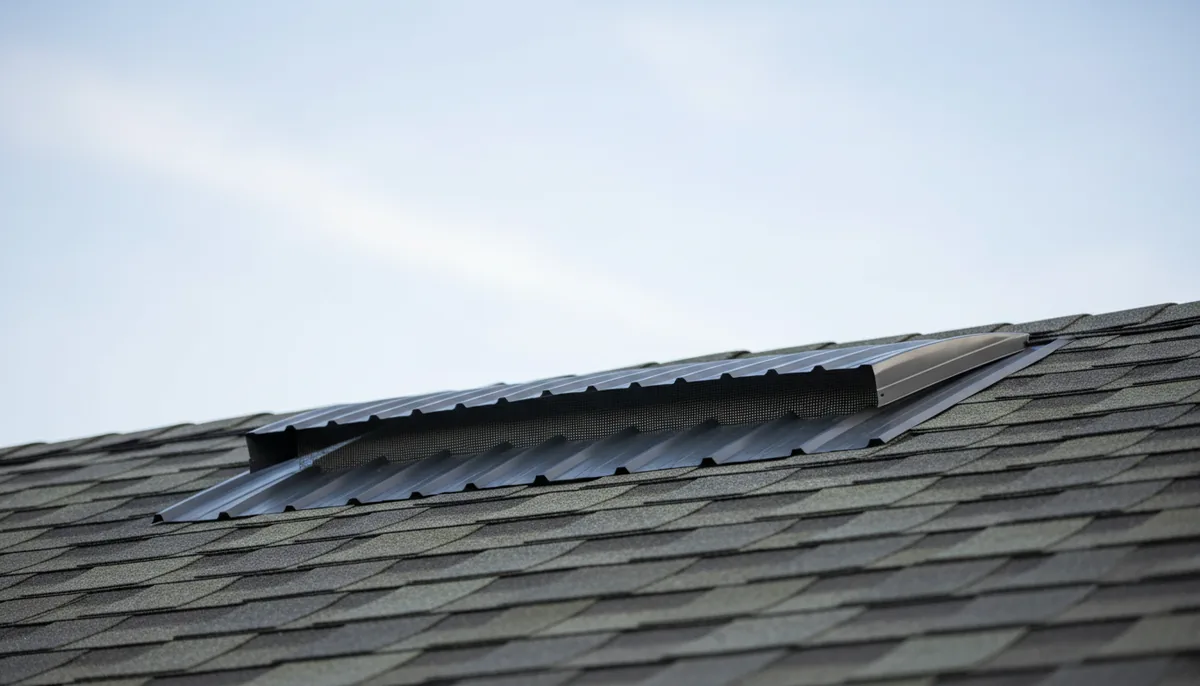
What your insurance company looks at on a claim
I can't and won't tell you what your specific policy covers, because I don't know and every policy is different. Read your declarations page. Talk to your agent. But I can tell you what a claims adjuster is looking at when they walk the roof. They want to know the age of the roof, the condition of the flashing, and wether there's evidence of prior repairs. They want to see if the roof was maintained. A roof that's been neglected is harder to claim for storm damage because the insurer can argue the damage was pre-existing.
That's where a wind mitigation inspection intersects with a claim. If you have documentation that the roof was in good shape before a storm, you have a stronger position. If you have a file full of patch receipts and a handyman's invoice that says "sealed cracks," you have a weaker one. The Department of Financial Services has resources and so does the Citizens Property Insurance Corporation and the My Safe Florida Home program for homesteaded properties, though that one is mostly for residential. The point is, documentation is your friend.
Think about it this way. When I estimate a commercial roof, I don't just price the materials and the labor. I price the risk. If I open up a roof and find wet insulation, the price goes up because the scope changed. A contractor who quotes you a flat number over the phone without looking at your roof is lying to you or guessing. Either way, you're the one who pays.
West Florida roofing specifics
The wheather on the west coast is different from the east coast. The Gulf is warmer, which means more afternoon storms and more lightning. The sun is brutal on membranes that aren't rated for high UV. And the salt breeze from the Gulf plays hell on metal flashings near the coast, especially within a mile or two of the water. I've seen brand new TPO roofs in Cape Coral with flashing that started to corrode at the fasteners because the wrong stainless steel grade was used. That's a cheap mistake that costs a fortune to fix.
For warehouses and retail plazas, I usually spec TPO or modified bitumen. TPO is great for reflecting heat and handling ponding water, but it needs a clean, dry substrate or the seams fail. Modified bitumen is tougher and more forgiving, but it's harder to install in the summer heat because the torch work is brutal. Coatings work well on existing roofs that are sound but old, as long as there's no trapped moisture. The choice depends on the deck, the slope, the budget, and what's underneath. It always depends on what's underneath. That's the first thing I ask to see.
Questions I get asked
How long will a flat commercial roof last?
A well-installed TPO or modified bitumen roof on a decent deck should give you 20 to 25 years if you maintain it. But that assumes the deck is dry and the insulation is sound. If there's moisture trapped inside, all bets are off and you might get five years. It depends on what is under there.
Can I just repair the leak instead of replacing the whole roof?
If the roof is under the SB 4-D rules and the rest of the membrane is in good shape, yes, a repair can hold for years. But you have to ask why it failed. If the membrane is brittle and cracked everywhere, a repair is like putting a band-aid on a broken leg. You'll be back next month with a new leak.
Why are the quotes so different from each other?
The difference is usually scope, not greed. One guy is pricing a new cover board and tapered insulation. Another guy is pricing a patch and a prayer. Ask for a written line item breakdown and compare them side by side. If one quote is 40% lower, find out what they left out before you celebrate.
Do I need a wind mitigation inspection before or after the new roof?
After is better, because the inspector can document the new attachments and the secondary water barrier. If you do it before, you're documenting the old roof that you're about to tear off, which doesn't help you. Time the inspection for when the roof is finished and before you call your insurance agent.
What happens if I don't pull a permit?
You might save a little money today and lose a sale or a claim next year. The building department can also make you tear it off and redo it, which is the most expensive outcome of all. I've seen it happen. Don't let it happen to you.