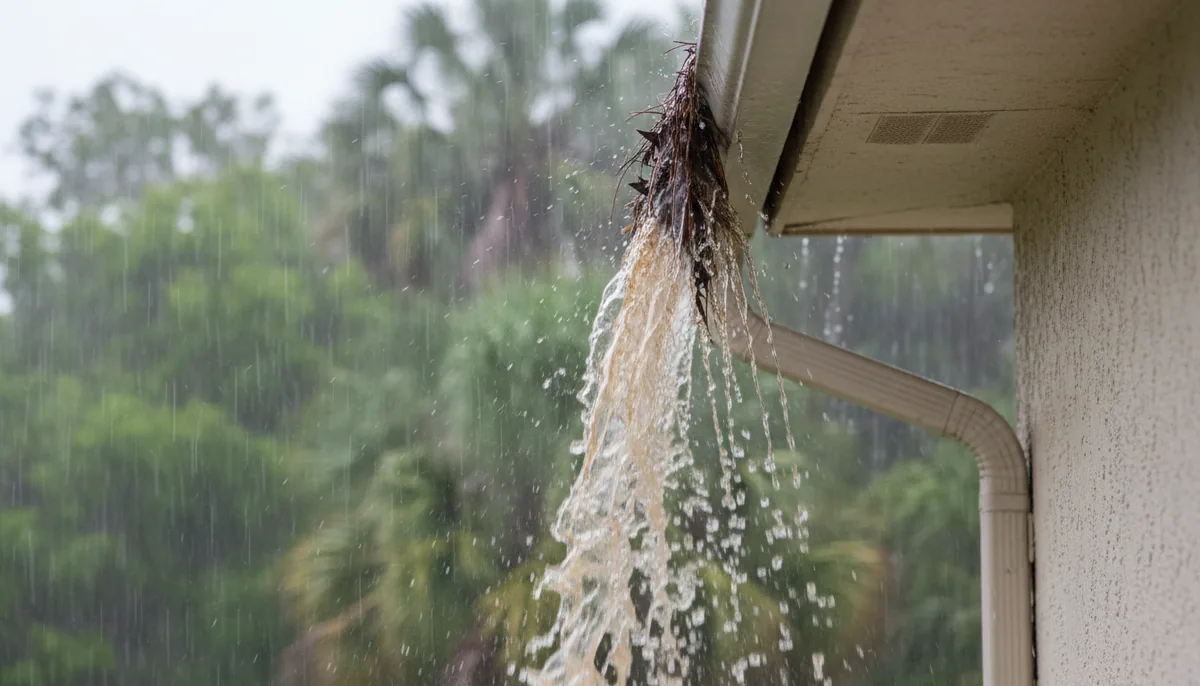
Florida hurricane roof damage — How Bad Is It, Really?
By Dale Prescott, Roofing contractor, Central Florida. Reviewed by Hal Winstead, Editor, licensed roofing contractor. I remember a Tuesday afternoon in New Bern, or maybe it was New Smyrna—they blur together after two decades—when a woman called me out to look at a roof that "just had a little leak around the chimney." I got up there, and the decking felt like a sponge. The shingles were fine, but the water had been tracking under them for months. I put my boot throught the plywood, and the whole bathroom ceiling below gave way. Her fridge was in the dining room. For the shortlist itself, storm damage roofing companies in Florida is where I send people.
If you've got water stains on a ceiling right now, you're not looking for a sales pitch. You're trying to figure out if this is the big one or just a repair. I've torn off more storm-damaged roofs than I care to count, and I can tell you the truth is usually somewhere between the insurance adjuster's first offer and the guy on the news screaming about the end of the world. If you need someone to get up there and look, start with storm damage roofing companies in Florida on the directory, but read on so you know what you're actualy asking for.
The real question isn't always "how bad is the damage." It's "how bad is the liability." Because a roof that leaks for a month can ruin a house's insides, but a roof that fails an inspection can ruin a sale or an insurance claim a year from now. Let's walk through what I actually see when I climb a ladder.
The 25% Rule Is Not What It Used To Be
If you've heard horror stories about the "25% rule," you've heard an older version of the law. It used to be that if you repaired or replaced more than a quarter of your roof in a year, you had to bring the whole thing up to current code. That was a brutal, expensive surprise for alot of folks with older homes.
Then SB 4-D (2022) changed the game. If your roof was built, repaired, or replaced under the 2007 Florida Building Code or anything newer, you only have to bring the part you're working on up to code. That's a huge relief for anyone whose roof is from, say, 2010. But—and there's always a but—if your roof is older than that, if it was put on before March 1, 2009, the old trigger still applies. Call it a grandfather clause that doesn't help grandpa.
I mention this because I've had customers tell me they were "scared to fix a small leak" because they thought it would force a $20,000 full replacement. That fear costs you money. A small leak becomes a big decking replacement. A big decking replacement becomes a whole new roof anyway.
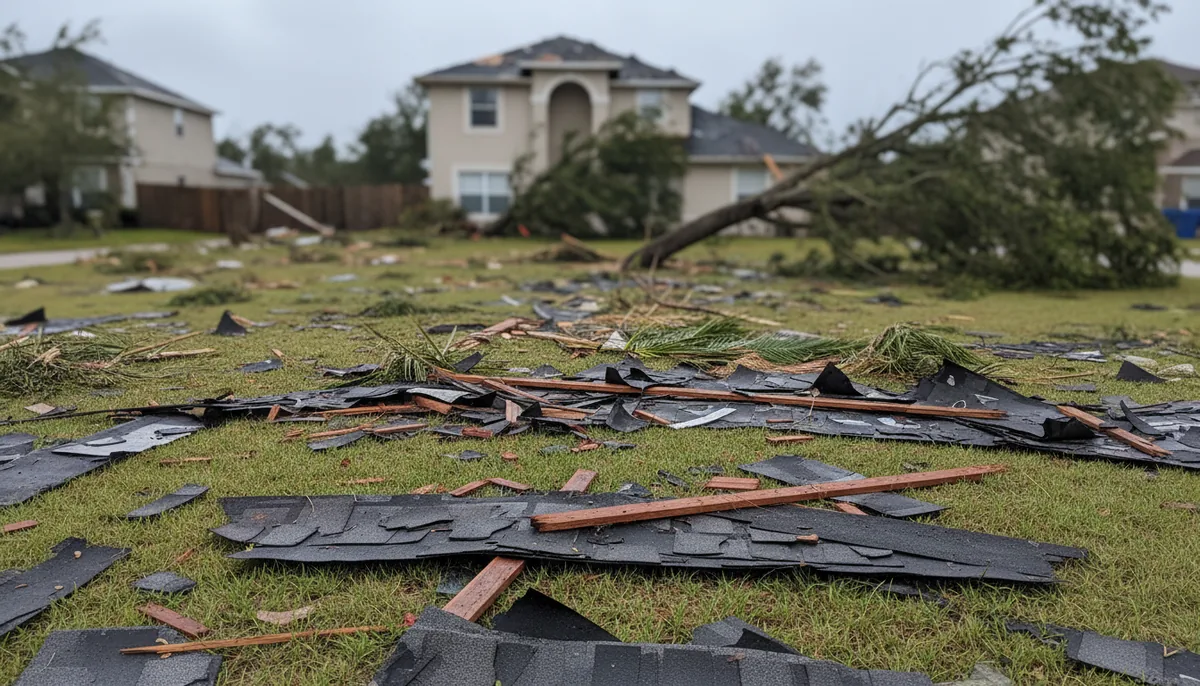
A Permit Is Not Optional
I cannot tell you how many times I've heard, "Can we just do this without pulling a permit?" The answer is no. A roof replacement in Florida requires a permit from your local building department, and it requires an inspection. That's not paperwork for fun. It's someone checking that I actually nailed the decking down so your roof doesn't fly off in the next storm.
A contractor who offers to skip the permit is a contractor you walk away from. Why? Because an unpermitted roof is a red flag on an insurance claim and a lawyer's dream in a real estate closing. When you sell the house, the buyer's inspector will find it, and the sale will get complicated or die. Just pull the permit. It costs a few hundred bucks and it protects your biggest asset.
Check the "C" Before You Say Yes
I've been a certified roofing contractor for a long time, which means my license starts with the prefix CCC. That allows me to work anywhere in the state. There are also registered contractors, whose licenses start with RC. They can only work in the local jurisdiction that licensed them. That's a real distinction, and you should always verify the license number is active on the DBPR roll.
Don't take my word for it. Look it up. The Department of Business and Professional Regulation, DBPR, has a public roll. If a guy shows up in a truck and says he's a roofer but he can't produce a license number that checks out, you're about to get a bad roof or a stolen deposit. The directory verifies these licenses, so you know the listing is at least real, but it's your roof. You do the check.
The Clock on Your Insurance Claim Is Shorter Than You Think
Here's the part that gets people in trouble. Under Florida Statute 627.70132, as amended in 2022, you have to notify your insurer about an initial or reopened property damage claim within ONE YEAR of the date of loss. If you're filing a supplemental claim for more damage found later, you have 18 months. The clock starts when the storm hits, not when you finally get around to calling a contractor.
I've seen a guy find a leak two years after a hurricane and have a valid claim denied because he was too late. The insurer has a complete defense, even on a covered loss. That's the law. So my advice is simple: if you think you have damage, file the notice. You don't have to know the full extent yet. You can always file a supplemental claim within the 18-month window if you find more. But missing that initial one-year deadline is fatal. I am not a lawyer or a licensed adjuster, so read your policy and check the form, often called form OIR-B1-1802, but the deadline is the part that matters.
How Bad Is It Really, Though?
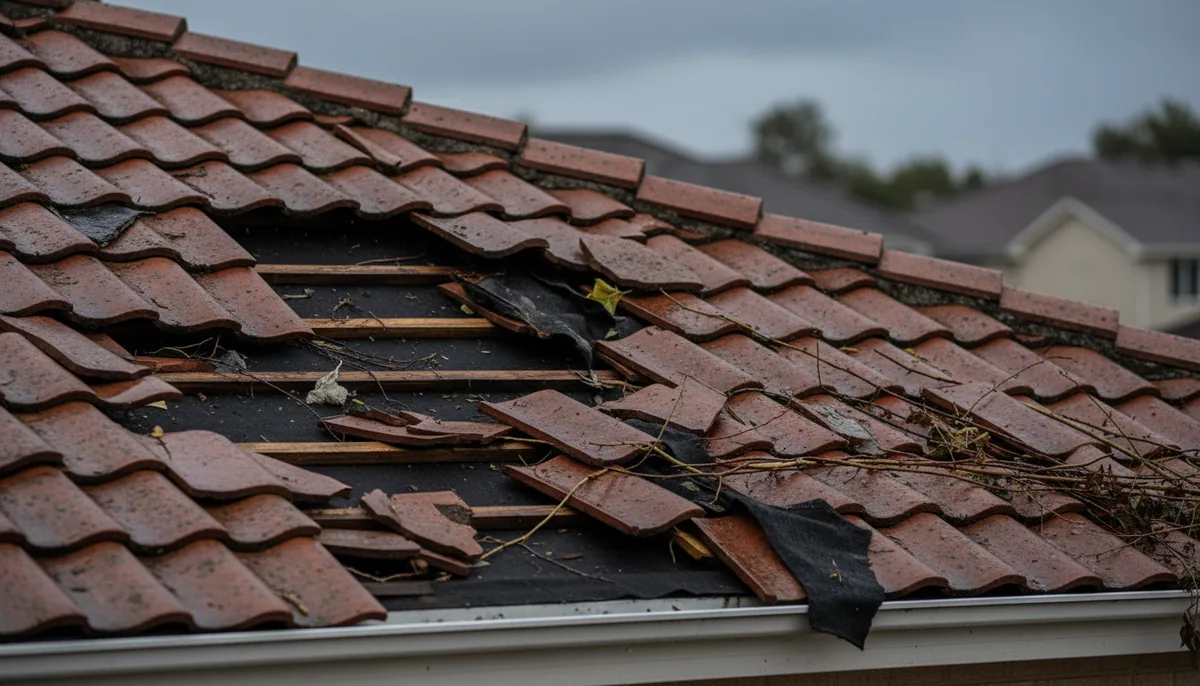
Some folks hear "hurricane force winds" and assume every tile roof in the state is gone. That's not how it works. A poorly installed roof on a cheap house in a mobile home park might lose every shingle. A barrel tile roof with the right clips and mortar might just lose a few tiles along the ridge.
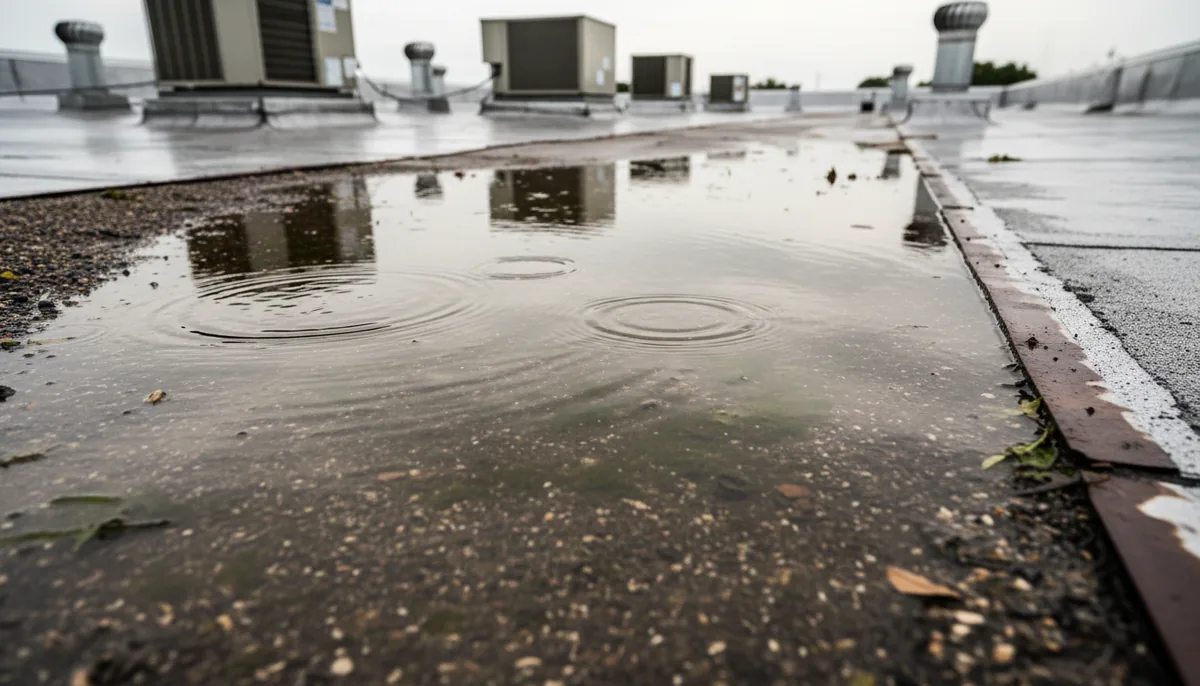
What I usually see after a big blow is not full destruction. It's localized failure. A roof hip where the flashing was never right. A valley where debris collected and trapped water. A flat roof where the membrane aged out and the wind peeled it back like a banana.
The damage you can see from the ground is rarely the whole story. I of to get on the roof and feel for soft spots with my feet. I'm looking for popped nails, not just missing shingles. I'm checking if the paper under the tiles is torn. Water is patient. It finds the weakest seam and it works on it every time it rains.
What I would actually do: If you suspect damage, don't climb up there yourself if it makes you nervous. Call a licensed contractor and ask for a free inspection. Or call me, but I'm booked out a lot lately.
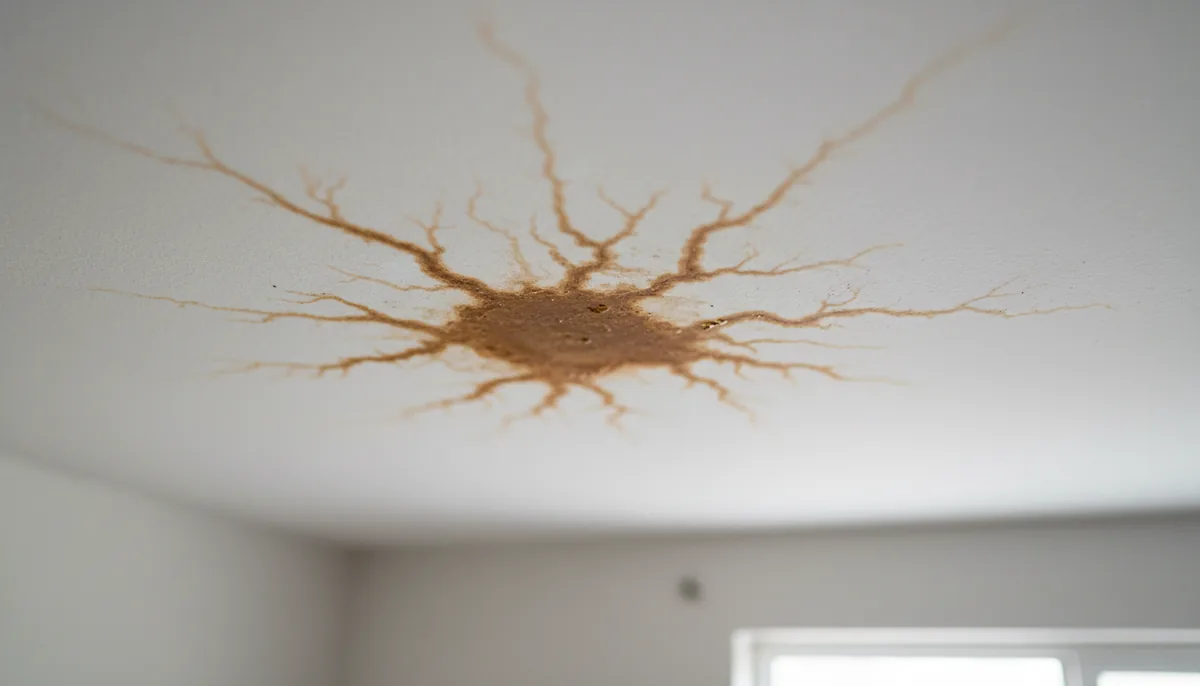
What I would actually do: Take photos of your ceiling stains and the floor. Get one of those moisture meters from the hardware store. Document everything with dates. That isn't paranoia. That's your ammunition if the insurance company tries to lowball you later.
What Most People Don't Know
Here's a digression, because it's relevant. I had a customer once who "fixed" a leak himself by spraying flex seal all over his roof. By the time I saw the inside of the house, the water had been running down the inside of the wall for three months. The drywall looked fine, but the studs were black with mold. We had to tear out half the kitchen. His homeowner's insurance didn't cover it all because the damage was from neglect, not a hurricane. Sometimes the homeowner does more damage than the storm.
The insurance game is confusing by design. You've got Citizens Property Insurance Corporation if you're in the state's insurer of last resort, and private carriers with all kinds of different policy forms. What your neighbor's policy covers might be completely different from what you have. Read your declarations page. If it says "actual cash value," you're going to get a check minus depreciation. If it says "replacement cost," you'll get the full cost of repair, but you might have to spend the money first.
I am not an adjuster. I don't play one on the internet. I just put the roofs back on and I see what the coverage actually paid for. Don't ask me "is this covered?" because I can't tell you. Ask your agent for a clear explanation of what the policy covers.
Questions I Get Asked
How soon after a storm should I get someone on my roof?
Right away, but be smart. If there are still hurricane warnings, wait. Once it's safe, call a contractor. The longer you wait, the more likely the leak damage will spread. Also, that one-year clock for the insurance claim starts ticking from the storm date. If you're not sure if you have damage, get an inspection anyway. It's usually free.
Can I just patch the leak myself?
You can try, but you're probably wasting your time. Roof systems are interconnected. A patch might fix a pinhole today, but it won't fix the issue that caused the pinhole. You might also void any warranty. I've been wrong about this before, but I've also made money fixing bad DIY roof repairs.
What if my contractor says I have damage but my insurance says no?
This happens all the time. Call an independent public adjuster. They work for you, not the insurance company. Their fee is usually a percentage of the settlement they get you. If the contractor is blasting you on a public adjuster, ask the contractor if they want to get paid or not.
Is a tile roof better than a shingle roof?
Tile is heavier and lasts longer, but it hides leaks. A shingle roof is easier to repair, but it fails faster. It depends on what is under there and how well it was installed. I've pulled off tile roofs that were rusted out from the inside in ten years. I've seen timberline shingles last twenty-five. There is no perfect answer.
Do I need to replace my whole roof just because it's old?
No. You need to replace it when it fails, or when your insurance company refuses to renew you unless you do. Age alone isn't a reason to spend money. If it's not leaking and the decking is solid, let it ride. But if you're missing shingles or your tiles are cracking, fix it now or pay for a new deck later.
The Part About Your Homeowner's Insurance Renewal
You might get a notice from your carrier saying they aren't renewing you because your roof is too old. Some companies use aerial imagery to see the condition from space. They can see what you can't see from the ground, like a big patch of missing shingles or a sagging deck. They don't care about the inside of your house. They care about the risk of a claim.
If that happens, you have options. You can fix the obvious issues and appeal. You can shop around for a new policy which may be more expensive and require a 4-point inspection. Or you can take the money from that My Safe Florida Home grant if you qualify, which helps with hurricane mitigation. These grants are real, but they run out fast. Check if you're eligible and apply early. It's a legitimate program.
And if you're thinking, "Well, I'll just wait until the next storm hits and then file a claim for everything," remember that the insurance company takes a dim view of fraud. If the damage wasn't from the storm, don't claim it was. The law is on their side, and the penalties are steep.
I've been doing this for twenty-two years. The guys who do it right are busy all year round. The guys who cut corners are always chasing the next storm. You want the guy who is busy in July, not just after a hurricane. You want the guy who asks to see your permit before he starts, because he knows the system works.
My advice is to get three quotes, not because the cheapest is always best, but because you'll learn something from each conversation. The highest bidder might be trying to buy a boat. The lowest bidder might be a guy who just got out of jail. The middle guy might be me, but I'm not going to bid against myself.
The next storm will come. That's not a prediction, it's a fact of living in Florida. What you do in the next six months determines how much damage that storm does. Fix the small leak. Get the permits. Make sure your license is active. And for God's sake, put the ladder away and call a profesional instead of walking on a tile roof with work boots.
I've seen the worst storms, and I've seen the worst aftermaths. The roof is just the top of the problem. The real damage is always what the water does after it gets in. Don't let it get in.