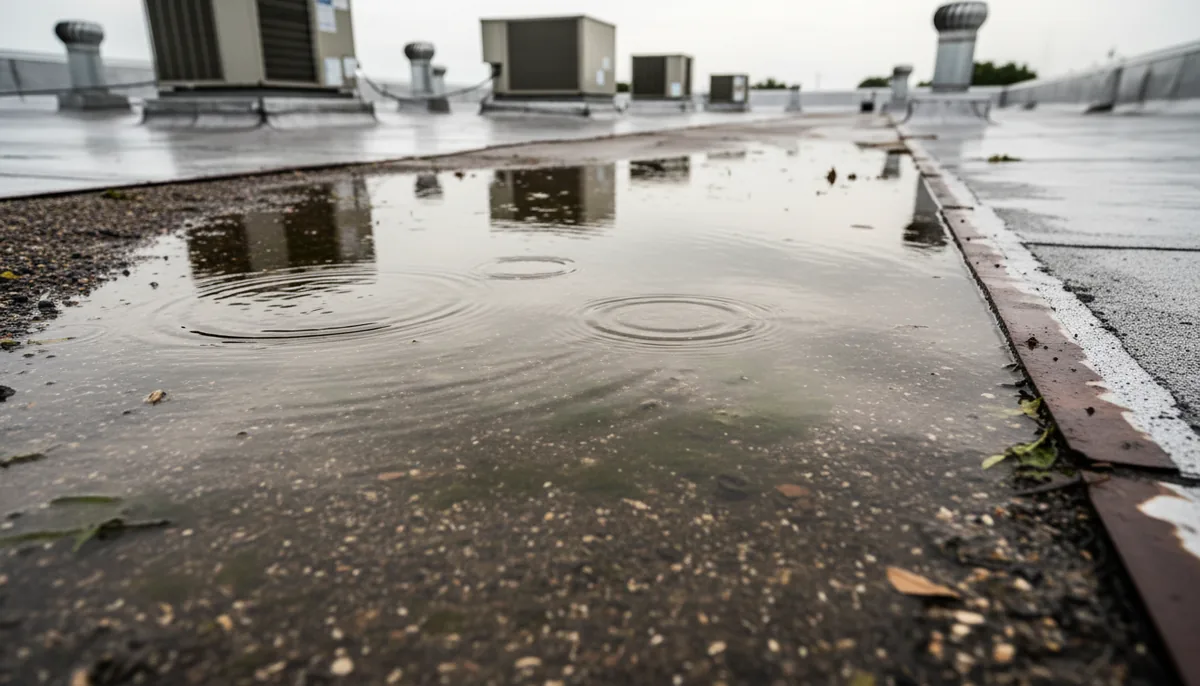
Hurricane roof damage Florida — How Bad Is It, Really?
By Dale Prescott, Roofing contractor, Central Florida. Reviewed by Hal Winstead, Editor, licensed roofing contractor. I was standing on a two-story tile roof in Winter Park three days after Hurricane Ian’s winds finally quit. The homeowner had pointed at a single cracked barrel tile from the ground. I got up there, and the crack was nothing. The real damage was a stripped hip ridge where the mortar had turned to dust, and the felt underneath was flapping like a loose shirt. Water had already run down the rafters and stained the ceiling in a bedroom. That one afternoon taught me more about storm damage than any textbook ever did. Most people never see the problem because they are looking at the wrong tile.
That's why I keep telling folks to get eyes on the whole roof, not just the spot where the rain came in. And if you're reading this because you have a tarp up right now, you're in the right place. I've been running tile and shingle crews between Orlando and the coast for twenty-two years, and I've torn off more storm-damaged roofs than I care to count. If you need someone local to take a look, a list of storm damage roofing companies in Florida is out there, and the directory checks their licences against the state roll so you don't have to take my word for who's legit.
People ask me all the time, "How bad is hurricane roof damage in Florida, really?" The honest answer depends on what kind of roof you have, how old it is, and sheer dumb luck. A bad storm can peel a shingle roof like a banana if the nails weren't right. Tile can hide it's wounds for months. And sometimes the roof is fine, and the leak is coming from a flashing detail that was wrong since the day it was installed. Give or take, that's the job.
The damage is never as neat as the picture on the news
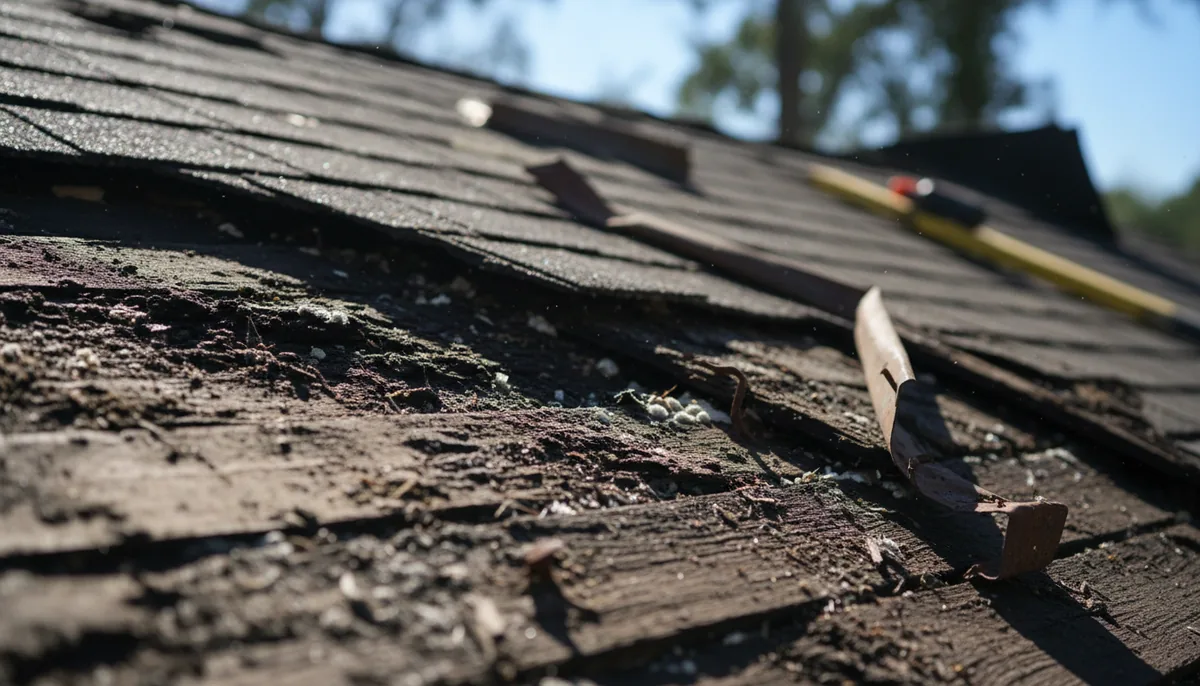
The news always shows a house with half its roof gone. That happens. But the more common call I get looks boring from the street. A few lifted shingles. A ridge cap that shifted. A section of tile that looks fine but has hairline cracks you can't see from the ground. The wind gets under a loose edge and lifts it, and then the rain does the rest.
The real enemy is the decking underneath. If water sits on plywood for a week in Florida heat, it starts to swell and delaminate. I have been wrong about this before—I'd pull one shingle, expect to replace a small section, and find the sheathing soft as a sponge for ten feet in every direction. Call it storm damage, call it deferred maintenance, call it whatever you want. It's all coming off.
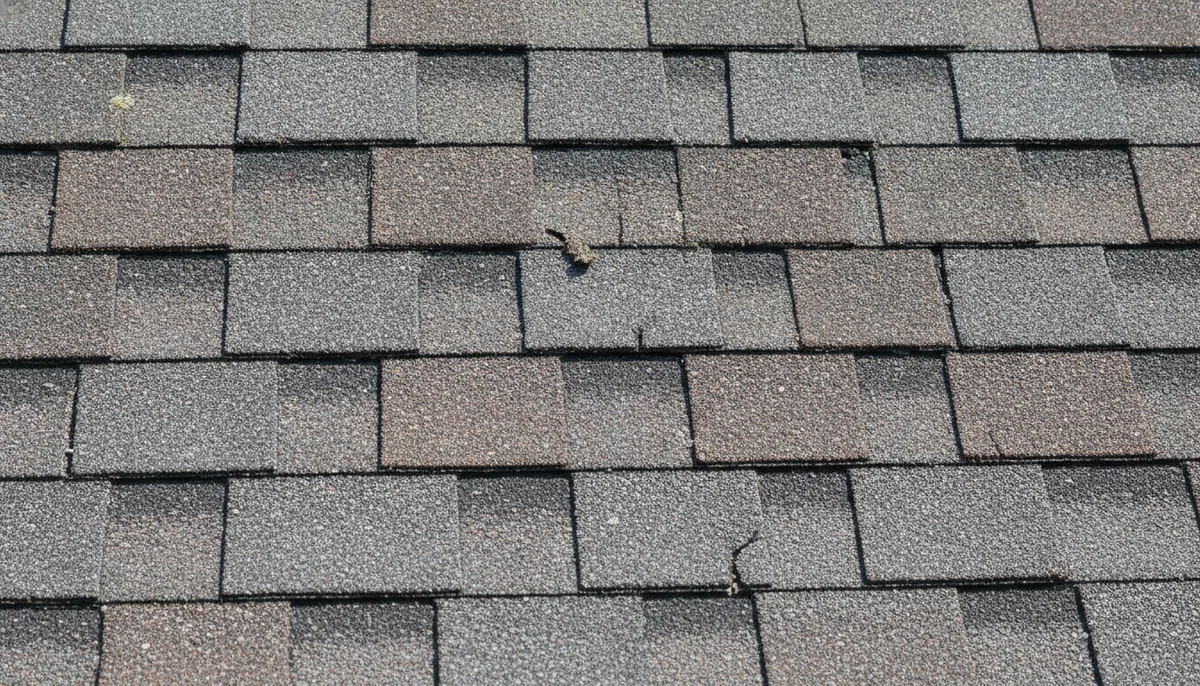
The 25% rule got rewritten, and a lot of contractors are still confused
Here's the thing that changed the whole industry a few years back. Florida used to have a rule in the Building Code that said you could not repair or replace more than 25% of a roof in any twelve-month period without bringing the entire roof up to current code. That rule sent homeowners into a panic every time a storm tore up a few bundles of shingles, because the whole roof suddenly had to be replaced to a newer, stricter standard.
SB 4-D (2022) changed that. If your roof was built, repaired, or replaced to the 2007 Florida Building Code or any later edition, then only the section you are working on has to meet current code. A full replacement is no longer automatically triggered, which is a relief for alot of people. But here's the catch—roofs completed before March 1, 2009, generally do not qualify for that relaxation, because that's when the 2007 edition took effect. So if your roof is older than that, the old trigger still applies. It's a real mess, and I always tell homeowners to let their contractor explain it on paper before anyone starts tearing anything off.
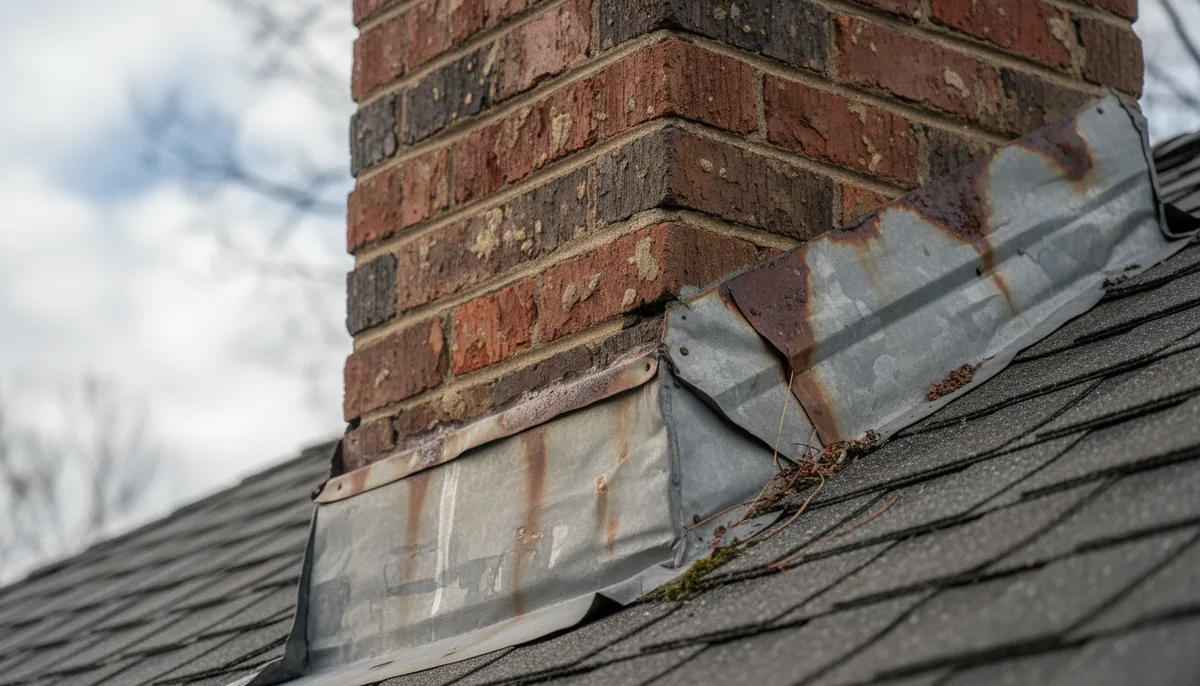
Permits are not optional, and skipping them is a one-way ticket to trouble
A roof replacement in Florida requires a permit pulled from the local building department, and it requires an inspection. Period. If a contractor offers to "save you time" by skipping the permit, you show them the door. An unpermitted roof can sink an insurance claim when you need it most, and it will absolutely come back to bite you when you try to sell the house. The buyer's inspector will find it, and then the deal falls apart.
I get the temptation. A permit means a delay, and sometimes a re-do if the inspector doesn't like something. But I've never once had an inspector flag something that wasn't actually wrong. They've saved my crews from leaving a mistake more than once. Don't cut that corner.
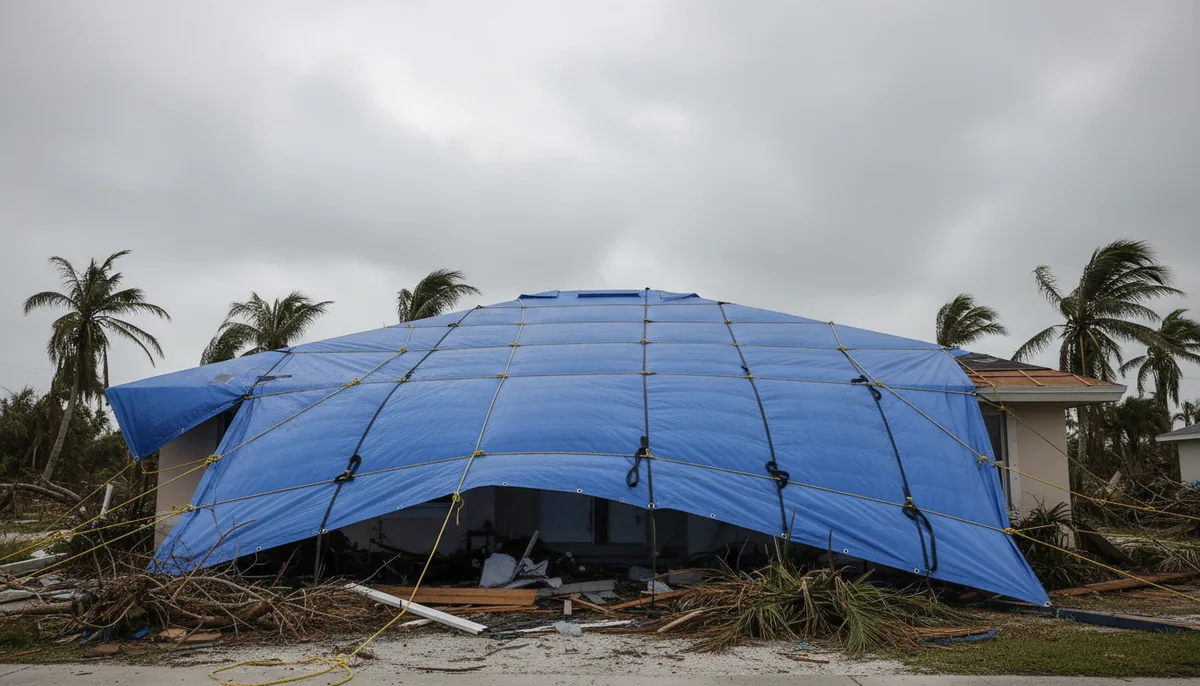
Check the licence before you check the estimate
This is the part that gets me hot. Florida roofing contractors are licensed by the Department of Business and Professional Regulation, and there are two different levels you need to know about. A CERTIFIED roofing contractor has a licence begining with CCC and can work anywhere in the state. A REGISTERED roofing contractor has a licence beginning with RC and can only work in the local jurisdiction that licensed them. I have seen crews from three counties over show up at a job site with no business being there. If a guy says "I'm licensed," verify the number is active on the DBPR roll before you hand over a deposit.
What I would actually do: Go to the state's license lookup tool yourself. Do not let the contractor type in the number for you. It takes sixty seconds, and it tells you if the licence is active, if there's a complaint history, and wether they're certified or registered.
What I would actually do: Get at least three written estimates, but do not just compare the bottom line. Look at what each one includes for underlayment, decking replacement, flashing, and disposal. The cheapest bid is often the one where the contractor plans to leave your yard a mess and hide five hundred dollars in "extras" later.
The insurance claim clock is shorter than you think
Here is the part nobody reads until it's too late. Florida Statute 627.70132 sets a deadline for notifying your insurer about damage. You have one year from the date of loss to give notice of an initial claim, and eighteen months for a supplemental claim. The clock starts ticking on the day the storm hit, not the day you finally notice the stain on the ceiling. Miss that deadline, and the insurer can deny a covered loss completely. I have seen it happen to a neat old lady in Daytona whose leak didn't show up until the rainy season, and by then it was too late.
The legislature shortened this from three years back in 2022, so a lot of the advice floating around online is stale. If you have any doubt, read your policy's declarations page first, then call your agent and ask the date-of-loss question before you file anything. The law also requires you to use a specific form, OIR-B1-1802, for the notice in many cases. And if your insurer is Citizens Property Insurance Corporation, the rules are strict, so do not dawdle.
People always ask me what their policy covers. I'm not an adjuster and I'm not a lawyer, so I tell them the same thing every time: read your declarations page and the policy documents, and ask your agent to put the answer in writing. Coverage varies wildly from one policy to the next. Some policies have depreciated value on roofs. Some have actual cash value on a fifteen-year-old roof, which means you get a check for way less than the replacement cost. That is a conversation to have with your agent, not with a guy holding a hammer.
Questions I get asked
How do I know if my roof is actually damaged after a storm?
Walk the perimeter and look for lifted or missing shingles, cracked tiles, or debris dents. But the real check is in the attic, after the rain stops. Look for water stains, wet insulation, or streaks on the rafters. If you can't get in the attic safely, wait for a profesional. A lot of damage hides for weeks.
Can I just patch the small leak myself?
You can, but you likely won't fix the underlying issue. A small leak usually means the decking is already wet, and wet wood rots. Patching the shingle on top without replacing the damaged decking is like putting a Band-Aid on a bullet hole. Hire someone to at least look at the sheathing.
Will my insurance company send their own adjuster?
They will, but that's not a substitute for an independent look. The insurance adjuster works for the insurance company. You can have your own contractor there when the adjuster comes, which helps make sure nothing gets missed. You are allowed to have representation.
What does a new roof cost in Florida?
I hate quoting a number because it changes with material prices and the market. It's priced per square—one square is a hundred square feet—and the cost depends heavily on pitch and access. A steep tile roof with a three-story drop is going to cost a lot more than a simple ranch with a shingle roof. Get estimates in writing and compare the details.
How fast do I need to file a claim?
Call your insurer within a few days, not weeks. The absolute deadline is one year from the date of loss for the initial claim, and eighteen months for supplemental work. But waiting costs you. Photos get harder to take, tarps fail, and the evidence gets muddy. Move fast.
Is a tarp good enough until the repair happens?
For a week, maybe. For a month, you are gambling. A tarp that is not installed properly will hold water against the roof, which accelerates rot. If you cannot get a contractor out right away, make sure the tarp is secured at the edges with proper fasteners, not bricks. But this is a temporary fix, not a solution.