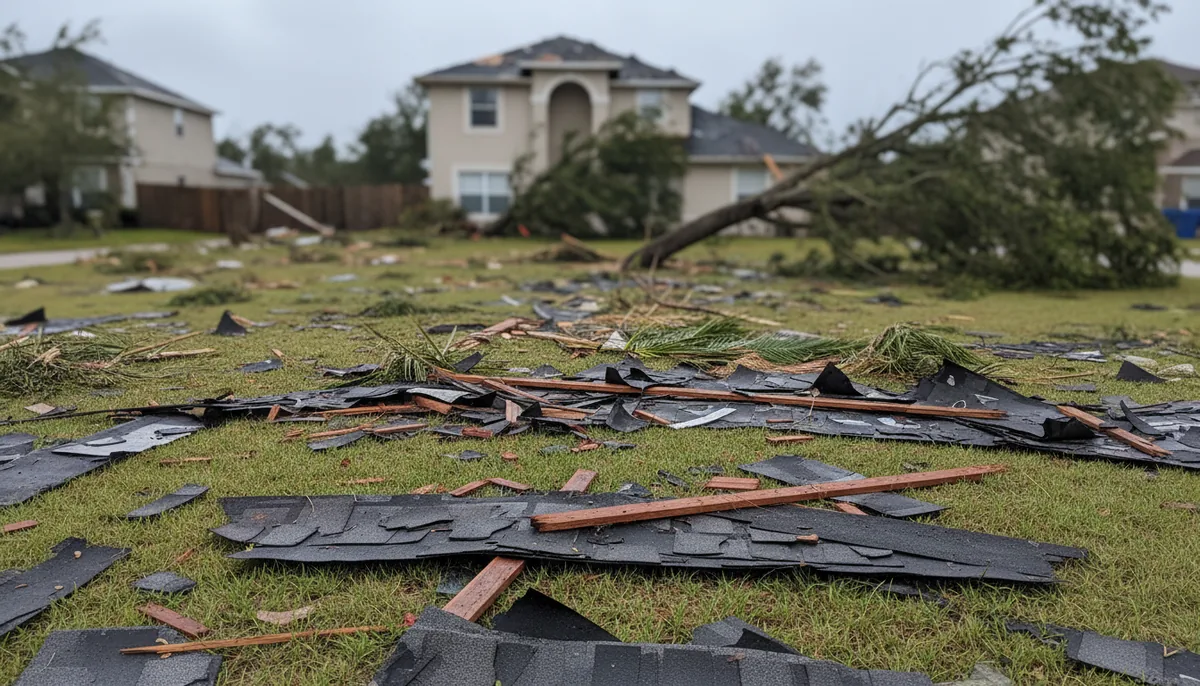
Florida roof damage lawyer — How Bad Is It, Really?
By Dale Prescott, Roofing contractor, Central Florida. Reviewed by Hal Winstead, Editor, licensed roofing contractor. The last time I stood on a roof that made me want to call a lawyer myself was a hot October afternoon in Winter Park, just off of Lakemont. Tile roof, mid-90s build, and the homeowner had a brand new HVAC unit sitting on the patio while his insurance company was telling him the interior water damage was "maintenance." I wasn't there to argue with the adjuster. I was there to re-deck a section the size of a two-car garage because the plywood had the structural integrity of wet cardboard. But standing up there, sweating through my shirt, I realized the conversation had already shifted from "what's broken" to "who's going to pay for it and how long can they drag their feet."
That's the moment most people meet me. Not when the roof is new and pretty. When it's leaking, or the adjuster has low-balled the claim, or the public adjuster they hired is suddenly not returning their calls. They ask me the same thing: how bad is it, really? And they usually ask wether they need a Florida roof damage lawyer before they even get a real bid. My answer is usually the same. It depends. But I've been wrong about this before, so let me walk you through what I actually see from the tear-off side of the equation. If you are looking for someone to fix the thing, you can find a vetted list of roofing companies in Florida on that directory. But you should read the rest of this first so you know what you are walking into.
I've been running tile and shingle crews between Orlando and the coast for twenty-two years. I of torn off more storm-damaged roofs than I care to count, and I have watched the legal end of this business change from a rare oddity into a standard step. Some of that change is good. Some of it is lawyers fishing for easy fees. Most of it is the insurance market in this state collapsing under it's own weight. You need to know which part you are dealing with before you sign a contingency agreement with an attorney who has never climbed a ladder.
Why you might need a Florida roof damage lawyer before you sign my bid
Here is the part that grinds my gears. I pull up to a house, give a fair price for a roof replacement, and the homeowner says they need to "talk to their lawyer first." Half the time they do not even have a lawyer. But the other half, they have already signed a contingency contract with a firm that advertise on billboards, and that firm is telling them not to authorize any work until the claim is settled. That is backwards. You need to know what is damaged, and what the cost to fix it is, before you can even know if there is a claim worth pursuing.
But there is a legitimate reason a Florida roof damage lawyer gets involved early. The insurance clock is brutal and it does not wait for you to get three bids. If your roof got wrecked in a storm in September, and you decide to patch it yourself for six months, you might have just torched your legal rights without even realizing it. I am not a lawyer. I do not play one on TV. But I know that Florida Statute 627.70132 gives you a very specific window. You have to notify your insurer of an initial claim within one year of the date the damage happened. Not one year from when you noticed the stain on your ceiling. One year from the storm. That is a hard deadline, and missing it gives the insurance company a complete defence, even if your policy is a good one and the loss is covered. Missing that deadline is how a simple roof claim becomes a lawsuit. So if six months have passed and you are just now getting around to calling a roofer, that lawyer might be the only thing standing between you and a total denial.
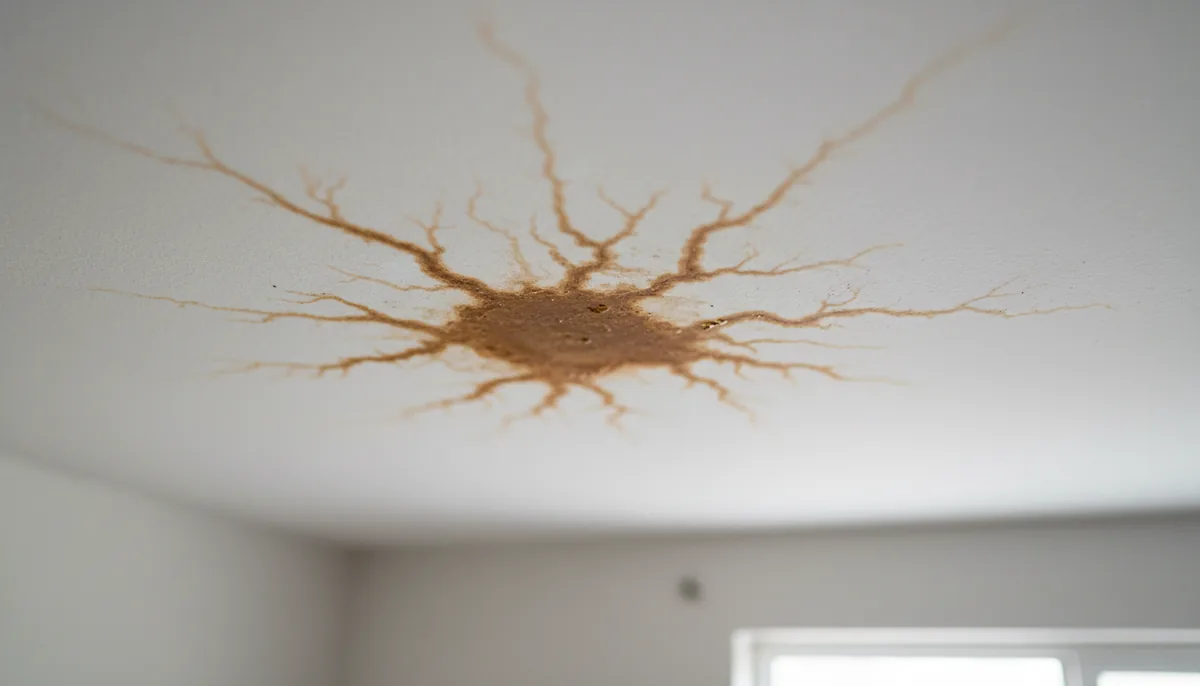
The old 25% roof rule and what SB 4-D did to it
Every roofer over the age of thirty in Florida remembers the old rule. If you replaced more than 25% of your roof in a twelve-month period, you had to bring the entire roof up to the current building code. That meant a full tear-off and re-deck, even if only a quarter of the roof was leaking. It was a nightmare for homeowners with older roofs. You would go in to fix a small leak, the code official would flag the scope of work, and suddenly you are looking at a full replacement quote you did not budget for. I have delivered that exact bad news more times than I can count. It never got easier.
Then SB 4-D came through effective 26 May 2022, and the whole game changed. If your roof was built, repaired, or replaced under the 2007 Florida Building Code or anything newer, then you only have to bring the section you are working on up to current code. The 2007 code took effect on 1 March 2009, so if your roof was done after that date, you can usually repair just the bad section without triggering a full replacement. That is a huge deal. It makes legitimate repairs cheaper and it takes away some of the use that used to force a full roof replacement. It also means you need to know exactly when your roof was installed, because if it predates 2009, that old 25% trigger can still bite you.
What I would actually do: Before you sign anything with a lawyer or an adjuster, find out the build date of your roof. If it was permitted after early 2009, a repair might be viable. If it is older, the full replacement might be unavoidable, and that changes the number you are fighting for.
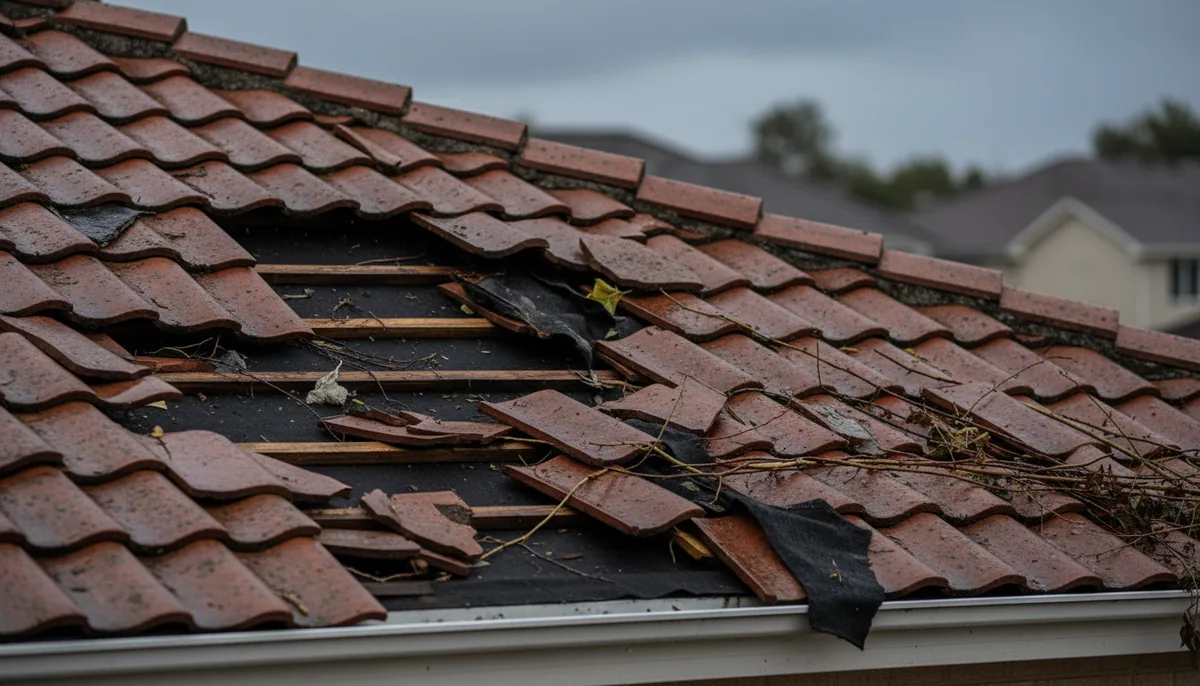
The permit and inspection reality check
Here is something that will not make me popular with some of my competitors. If a roofer offers to save you a few thousand dollars by pulling the job without a permit, show them the gate. A roof replacement in Florida requires a permit from your local building department and an inspection. No exceptions. I know the paperwork is annoying. I know the inspection can delay a job by a day. But an unpermitted roof is a legal bomb.
If the roof fails and causes interior damage, your insurance company can deny the claim because the work was unpermitted and uninspected. And when you go to sell the house, the buyer's inspection will flag it. The sale falls through and now you are stuck. Worse, if you have a claim pending and the adjuster finds out the previous repair was done without a permit, they are going to use that to question the integrity of the entire roof. You handed them a weapon. Do not do that. A clean permit is cheap insurance compared to the cost of a denied claim.
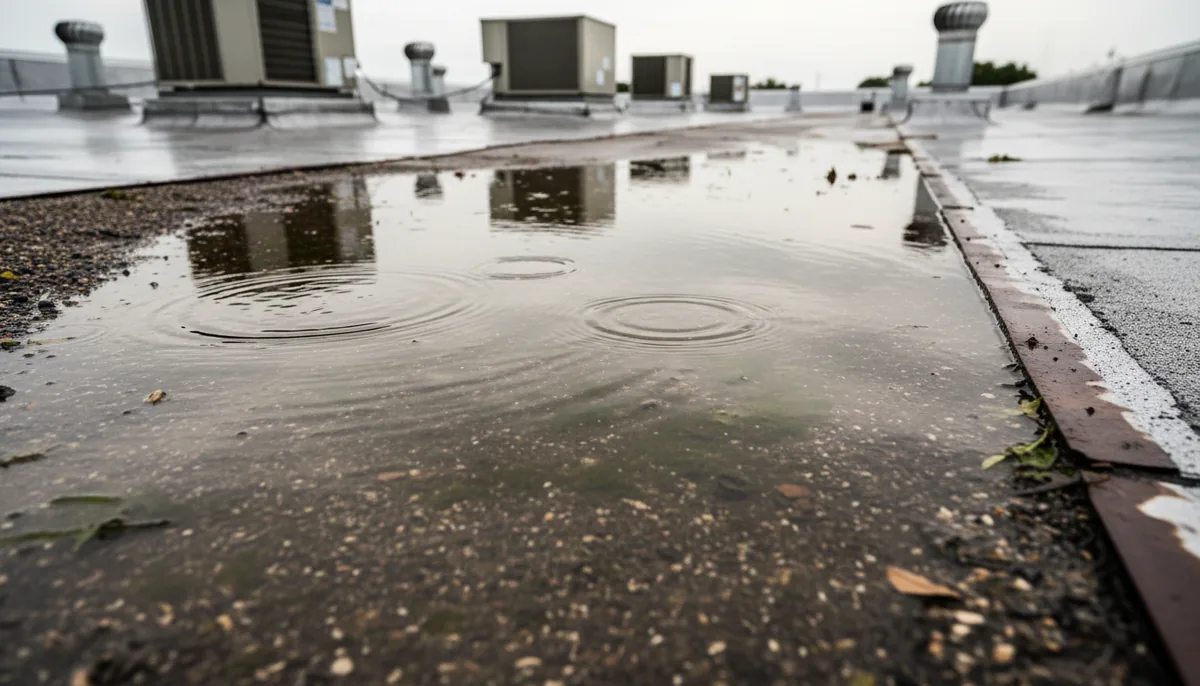
The lawyer question usually comes down to money
Let me be direct about what a Florida roof damage lawyer actually does for you. They are not there to inspect the roof. They are there to fight the insurance company over the scope and valuation of the loss. That matters because the first offer from an insurer is rarely the final number. Adjusters work off a database and a depreciation schedule. They do not know that your specific tile profile is discontinued and the replacement material costs thirty percent more. They do not know that the decking under the old tile has nail fatigue and needs replacing.
A good lawyer will make the insurer prove why their number is right. They will depose the adjuster. They will push the claim through the appraisal proccess if it is in your policy. But you need to know that they take a cut. Usually a percentage of the recovery. So if the claim is only worth eight thousand dollars, a lawyer is probably overkill. You can handle that yourself with a public adjuster or just by being persistent. If the claim is worth eighty thousand, or if it involves a total loss and code upgrades with an older roof, then the legal firepower might pay for itself. It is a calculated risk, and I cannot make that call for you.
What I would actually do: Get the estimate from a licensed contractor first. Then, if the insurance offer is insultingly low, ask your roofer to walk the roof with the adjuster on a re-inspection. If that still fails, then call an attorney. The lawyer cannot argue for a number if you do not have a real bid in hand from someone like me.
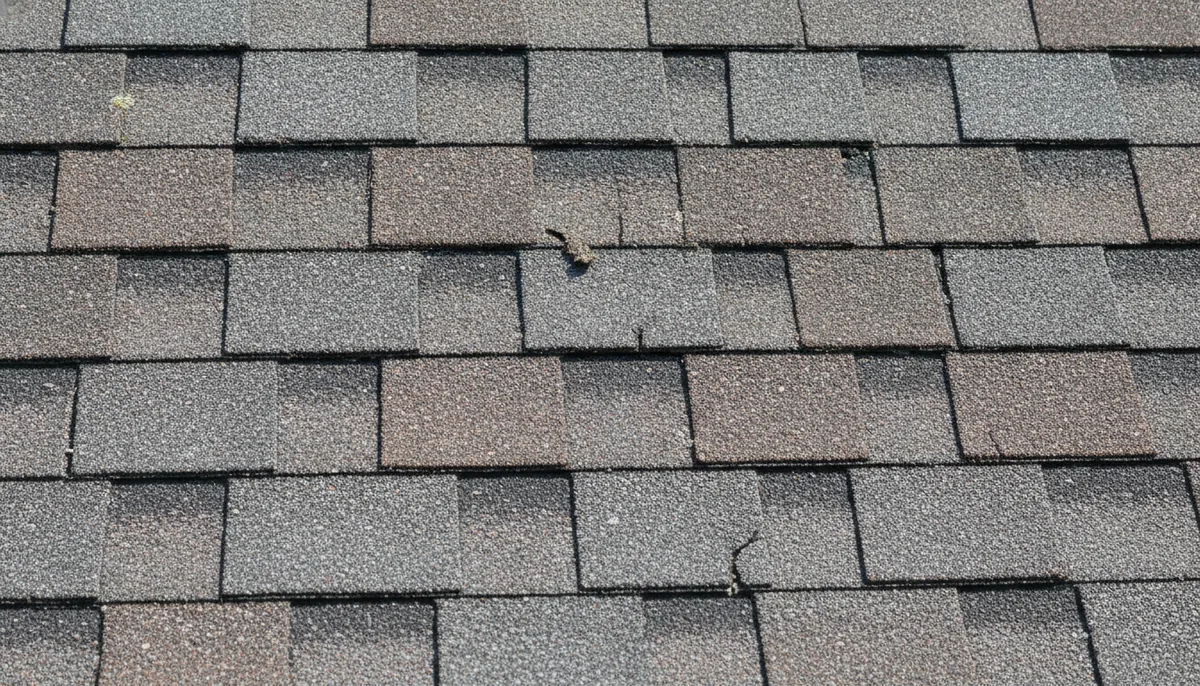
Verify who is actually putting nails in your roof
This is the part where I sound like a broken record, but I do not care. Your lawyer can be a shark, but if the roofer they are working with is unlicensed, you have already lost. Florida roofing contractors are licensed by the Department of Business and Professional Regulation, or DBPR. You need to know the difference between the two licence prefixes. A certified contractor has a licence starting with CCC and can work anywhere in the state. A registered contractor has a licence starting with RC and can only work in the local jurisdiction that issued it.
I have seen too many homeowners hire a guy with an RC licence who is working forty miles outside his allowed area. The work might be fine, or it might not. But if there is a problem and you try to sue, that contractor is already in violation of state law. That gives you use, sure, but it also means you hired someone who was breaking the rules from day one. Always check the DBPR roll. Make sure the number is active and matches the name on the truck. It takes two minutes. It saves you a mountain of trouble later. And it is the same thing the directory you found me through does on their end.
Insurance deadlines are the real enemy
I said it earlier, but it is worth repeating in its own section because I have seen perfectly good claims die on this exact technicality. Under Florida Statute 627.70132, which was amended in 2022, you must give notice of an initial or reopened claim within one year of the date of loss. For a supplemental claim, you have eighteen months. That is down from the old three-year window. The clock runs from the date the damage happened, not from the date you discovered it. If you live in a house and a storm hits in July, but the leak does not show up until November, you are already four months into that one-year window when you even realize there is a problem.
I am not a lawyer, so I will not tell you that filing on the last day is a good strategy. But I will tell you this: if you uncover damage and you are close to that one-year mark, you need to get that notice to your insurer yesterday. You can always file a claim and decide not to pursue it. But if you miss the deadline, the insurer can simply refuse to pay, even if the policy clearly covers the loss. That is not a judgment call. That is the law. And it is why a lawyer might be worth a call even if you end up not needing them, just to make sure the paperwork is filed on time.
Questions I get asked
How do I know if I actually need to hire a Florida roof damage lawyer?
You need one if your insurer has denied a claim you beleive is covered, or if you are getting close to the one-year deadline and the claim has not been resolved. If the claim is small and simple, handle it yourself. If the roof is old, the damage is extensive, or the insurer is playing games, get a consultation. Most attorneys in this space offer a free first look, so it costs you nothing to ask.
Will a lawyer force my insurance company to pay for a full roof replacement?
No, they cannot force a specific outcome. They can force the insurer to follow the law and consider the evidence. Whether you get a full replacement depends on your policy language, the terms of the Florida Building Code at the time your roof was built, and the actual scope of the damage. A lawyer is there to make sure the process is fair, not to guarantee a specific roof.
What should I bring to the first meeting with a lawyer?
Bring your insurance policy declarations page, the original claim number if you have one, photos of the damage, and any estimate you have from a licensed contractor. Do not bring the roofer's estimate in your head. Get it in writing. A lawyer cannot fight for a number you cannot document. Also bring the permit records for the roof if you have them, because the age and code edition of the roof matters under SB 4-D.
Should I hire a public adjuster instead of a lawyer?
That depends on the situation. A public adjuster works for you and negotiates with the insurer directly. A lawyer files lawsuits and threatens litigation. For a straightforward claim, a public adjuster might be enough. For a denied claim or one that involves a complex legal issue like the one-year deadline, a lawyer has more tools. Some states allow both to work together, but they both take a fee, so read the contracts carefully.
Can my roofer be held liable if I miss the insurance deadline?
No, that is on you. Your roofer is not your insurance agent. We can tell you that the roof is damaged and give you a price to fix it. We can even tell you that you should call your insurance company. But the legal deadline in Florida Statute 627.70132 is your responsibility. That is another reason to act quickly. Waiting to "think about it" usually ends with you paying for the roof entirely out of pocket.
Why is finding a roof with damage so stressful now compared to a decade ago?
Because the entire system changed. The insurance companies are much more aggressive about denying claims. The state legislature shortened the time you have to file a notice. And the cost of materials and labor has gone through the roof, so the stakes are higher. It used to be you called your agent, a guy came out, and you got a check. Now everything is a negotiation. So you have to be prepared to push back, either yourself or with a lawyer in your corner.