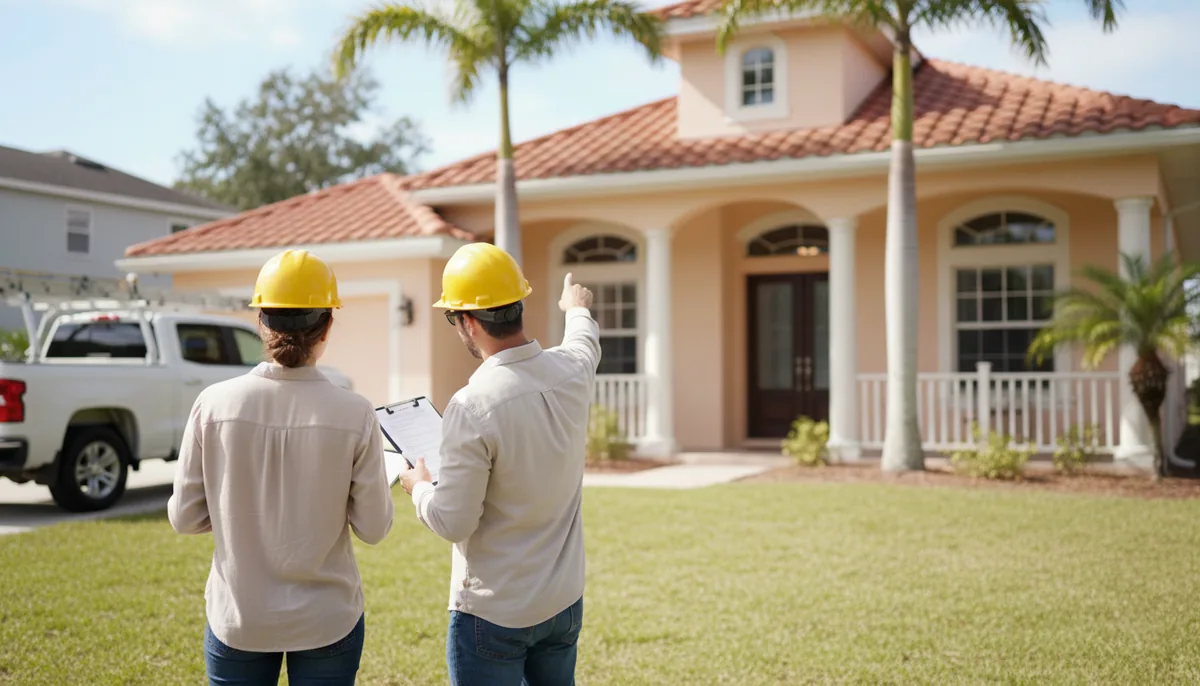
Florida roofing insurance: What Florida Homeowners Should Know
By Renata Alvarez, Former property claims adjuster. Reviewed by Hal Winstead, Editor, licensed roofing contractor. That afternoon in Cape Coral, I was standing on a barrel-tile roof that had taken a beating from Irma. The homeowner had waited eighteen months to file, thinking the damage would "show up better" after a few more rainstorms. It showed up fine. The problem was the law had changed, and his policy had a one-year deadline written right into the Florida Statutes. I had to close my notebook and tell him his claim was barred. He looked at me like I'd personally ripped his roof off.
I'm not an attorney, and I'm not your adjuster anymore. What I am is someone who has spent nine years watching homeowners lose coverage over paperwork mistakes, code confusion, and contractors who promised things no policy actually delivers. If you're searching for residential roofing companies in Florida, you're already ahead of the game. But before you hire anyone, you need to understand how the insurance side actually works. Because the roofer can be perfect, and the insurance company can still say no.
Let's start with the biggest trap I see.
The one-year clock is shorter than you think
Florida Statute 627.70132 changed hard in 2022. Homeowners now have one year from the date of loss to file an initial or reopened claim, and eighteen months for a supplemental claim. That clock starts on the day the damage happened, not the day you noticed it. Irma hit in September 2017. If you didn't notice the leak until March 2019, the law didn't care. The storm date is the trigger.
I of been wrong about this before, and I've seen adjusters get it wrong too. The date of loss is sometimes obvious, like a hurricane. Other times, it's a slow leak that rusts a deck over three years. If you can't pin down a specific date because the damage was progressive, your insurer will look for the earliest date you knew or should have known. Keep a photo log. The moment you see water stains, that's your date.
What I would actually do: If you suspect roof damage, file the claim now. Not next month. Not after you get three estimates. There is no penalty for filing a valid claim, and you can always supplement later if the roofer finds more damage during the work.
How long is a roof good for in Florida
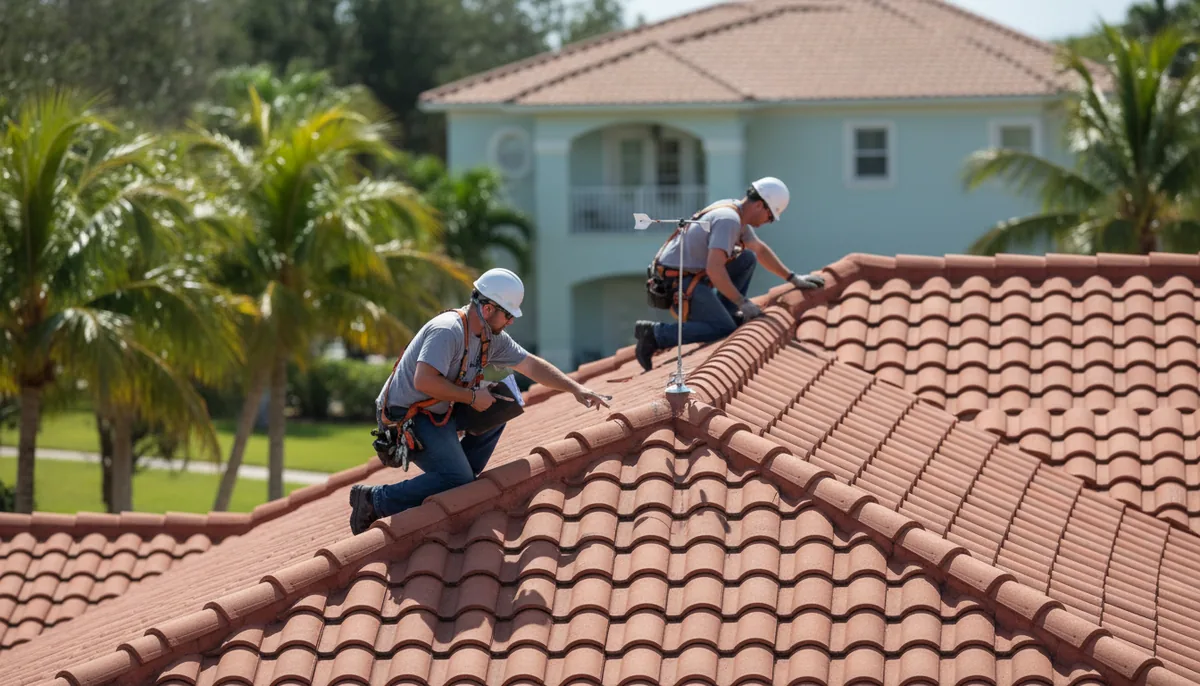
Depends what is under there, honest. A cheap architectural shingle in Central Florida might give you twelve years if you're lucky and the sun hasn't baked it into potato chips. A standing seam metal roof can go forty or more, but the fasteners and flashings might need attention alot earlier. In the coastal counties, salt air and wind-driven rain chew everything up faster than you'd think.
The insurance side is a different beast from the actual lifespan. Most insurers these days won't write a new policy on a roof over fifteen years old unless it passes an inspection. Some require a 4-point inspection for older homes just to prove the roof and major systems are sound. Don't confuse "how long the roof will still shed water" with "how long the insurance company will accept it." They are not the same number.
How often to replace roof in Florida
If you're asking this because you want to avoid a claim denial, the honest answer is: replace it when it fails, not when the calendar says so. But there's a trigger you need to watch. That old "25% rule" everyone talks about came from the building code, and a 2022 law changed how it works.
SB 4-D (2022) said that if your roof was built, repaired, or replaced under the 2007 Florida Building Code or anything newer, then only the part being worked on has to meet current code. The 2007 code took effect in March 2009. So a roof put on in 2010 that springs a leak in one section? The roofer can repair just that section without dragging the whole roof into compliance. A roof from 2005? Different story. That one can still trigger a full replacement requirement if you repair more than a quarter of it in any twelve-month period.
This matters for insurance because a code upgrade on a partial repair can turn a small claim into a large one. And it matters for your wallet because full replacements cost real money.
What I would actually do: Ask the roofer to state in writing, before work starts, which code edition applies to your roof's original installation date. If your roof is post-2009, you have more freedom to repair. If it's older, budget for the possibility that code requirements force a bigger job.
What is wind mitigation insurance
A wind mitigation inspection is not a roof inspection. It's a check of six specific features: roof covering, roof deck attachment, roof-to-wall connection, roof geometry, secondary water resistance, and opening protection. The inspector fills out form OIR-B1-1802, and Florida insurers are required to offer premium discounts for qualifying features.
This is one of the only ways in life you can spend a few hundred bucks and regularly save multiple times that on your premium, year after year. The discount depends on your insurer and your home's specific construction. A hip roof with good deck attachments and hurricane straps can score a nice break. A gable roof with unsecured trusses might buy you nothing but reassurance that you know what you're dealing with.
I've walked into hundreds of homes where the owner had a discount for opening protection they didn't actually have. They just assumed. The insurer doesn't check until there's a claim, and then they do check. Don't ever claim features you don't have. The inspection costs a little. The fraud accusation costs a lot.
The state programmes that actually help
Citizens Property Insurance Corporation is the state-backed carrier of last resort. If nobody in the private market will write your roof, they will. That's your safety net. But you don't start there. You start with a licensed agent who can shop your risk around.
My Safe Florida Home is a seperate program that gives free wind mitigation inspections and matching grants for hurricane hardening improvements. The money comes out of each state budget cycle, and it runs out. Last time I checked, it was worth seeing wether the program was open, but I'd never promise anyone a grant in hand.
Finding a roofer who won't wreck your claim
Check the DBPR license before anyone sets foot on your roof. Certified roofing contractors have a license starting with the prefix CCC and can work anywhere in the state. Registered contractors start with RC and are limited to the jurisdiction that licensed them. I've seen unlicensed "storm chasers" use both prefixes incorrectly. Verify the number is active on the DBPR roll. It takes two minutes and saves you a world of pain.
A licensed contractor knows how to write a scope of work that an adjuster can read. That doesn't mean they're in bed with your insurer. It means they understand the claims process well enough to document the damage properly. The contractor who refuses to provide a detailed estimate because "the insurance adjuster will figure it out" is a contractor who wants to leave money on the table, which means you lose.
Questions I get asked
How long do I have to file a claim after a hurricane?
One year from the date of the hurricane for an initial claim, under Florida Statute 627.70132. If you're filing a supplemental claim after work starts, you have eighteen months from the original date of loss.
Does my policy cover a roof that's old and leaking?
That depends entirely on your policy's exclusions and conditions. Some policies exclude wear and tear outright. Others might cover sudden damage from a named storm but not gradual deterioration. Read your declarations page and your policy language. If it says "rot" or "wear and tear" in the exclusions, an old leaking roof is probably on you.
Will a wind mitigation inspection guarantee a lower premium?
Not a guarantee, but Florida law requires insurers to offer the discount for qualifying features. Whether it's meaningful depends on your insurer's filed rates and how your home scores. An inspection is cheap insurance against missing out on savings you've already paid for.
What happens if my roof fails the inspection for new insurance?
You'll likely get offered a policy under Citizens Property Insurance Corporation, or you'll be told to repair or replace the roof before coverage starts. Some private insurers will write you with a higher deductible if you can prove the roof has remaining life.
Should I file a claim before I get a roofer out?
Yes, if you beleive the damage was caused by a covered peril like a hurricane. You don't need a roofer's estimate to file. In fact, waiting to file because you're waiting on a roofer can cost you your entire claim if it pushes you past the one-year mark.
Can a roofer tell me whether my claim will be approved?
No. Nobody can tell you that until the insurer reviews your claim, sends an adjuster, and applies your specific policy to the facts. A roofer can tell you the roof needs replacing, but they cannot promise coverage. Run from anyone who does.
More from the site
- Does a metal roof lower your insurance in florida: What Florida Homeowners Should Know
- Florida building code roof sheathing nailing pattern: What Florida Homeowners Should Know
- Florida roofing insurance requirements: What Florida Homeowners Should Know
- Roofing permit florida: What Florida Homeowners Should Know
- Roof insurance claim florida: What Florida Homeowners Should Know